
Brass Paraffin Table Lamp
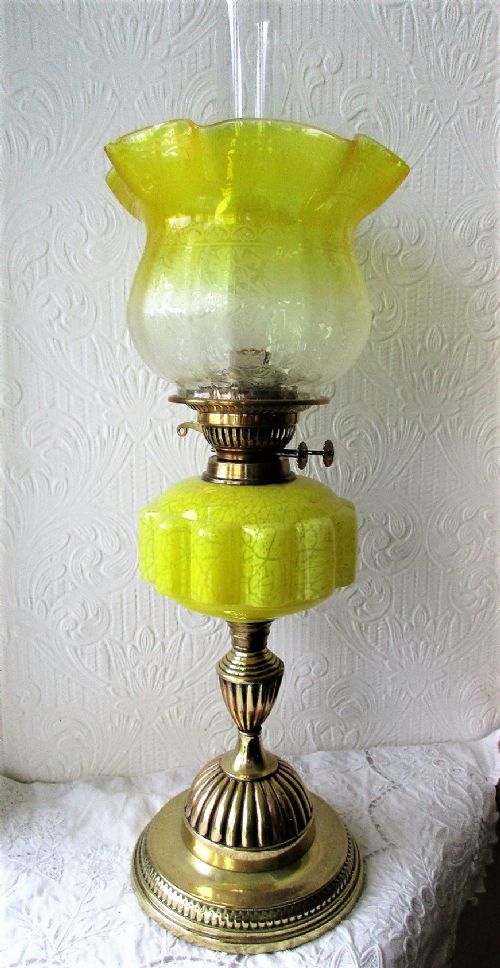
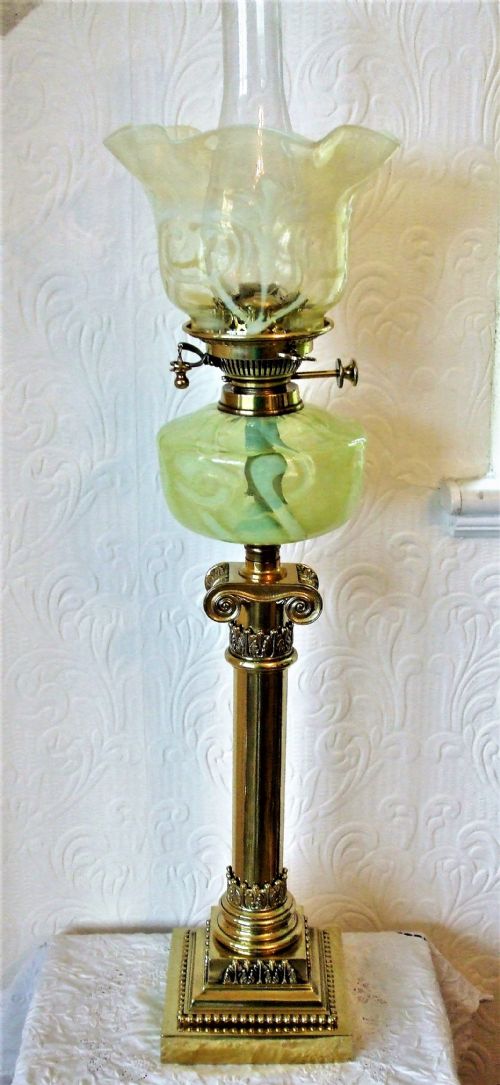
A brass paraffin table lamp brings heavy metalwork and coloured glass together to light a room with nineteenth-century weight.

Brass Paraffin Table Lamp
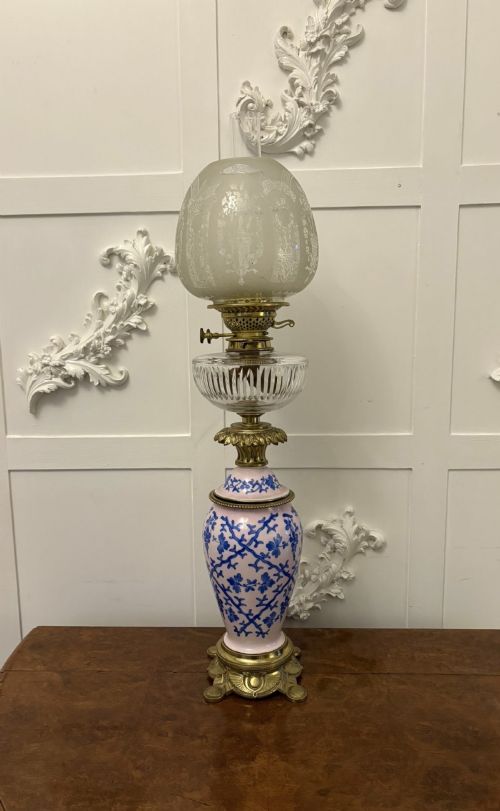
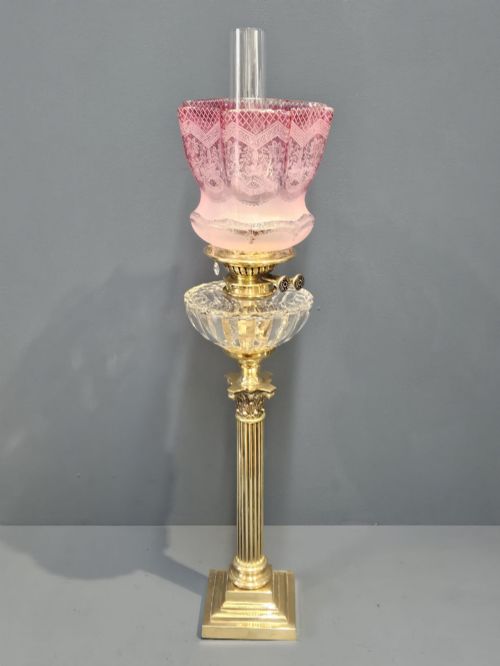
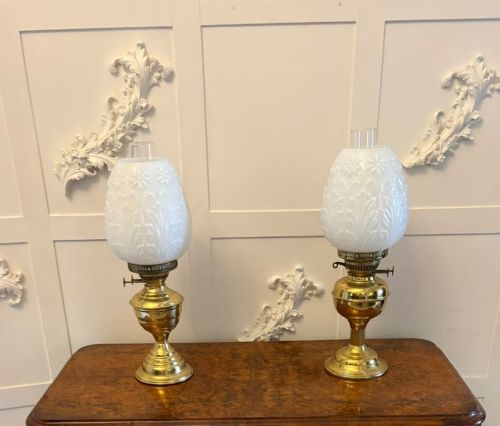
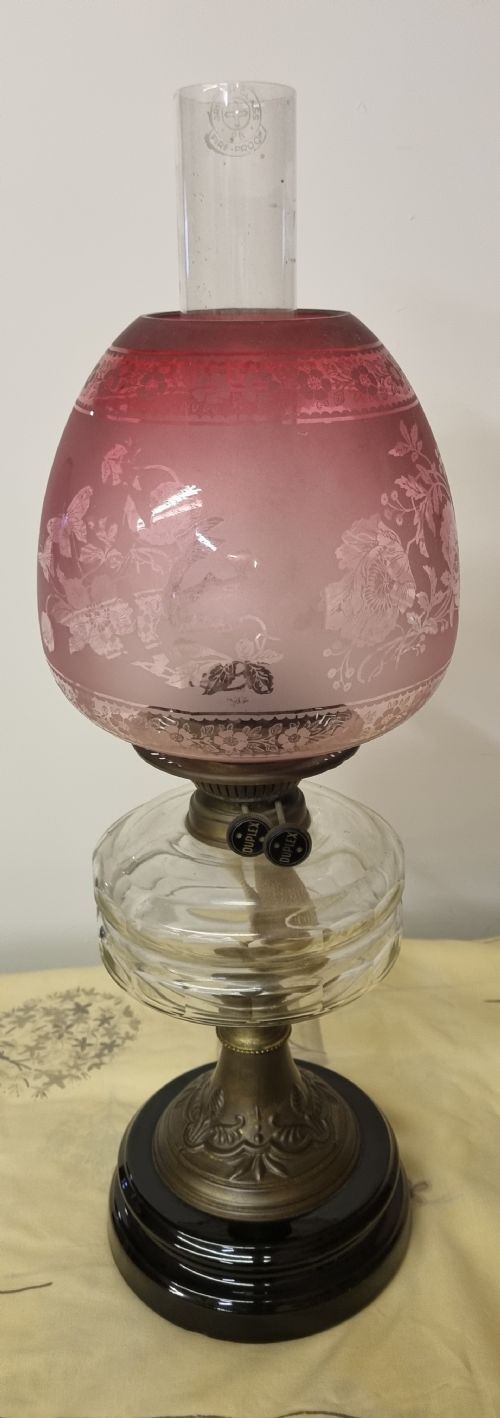
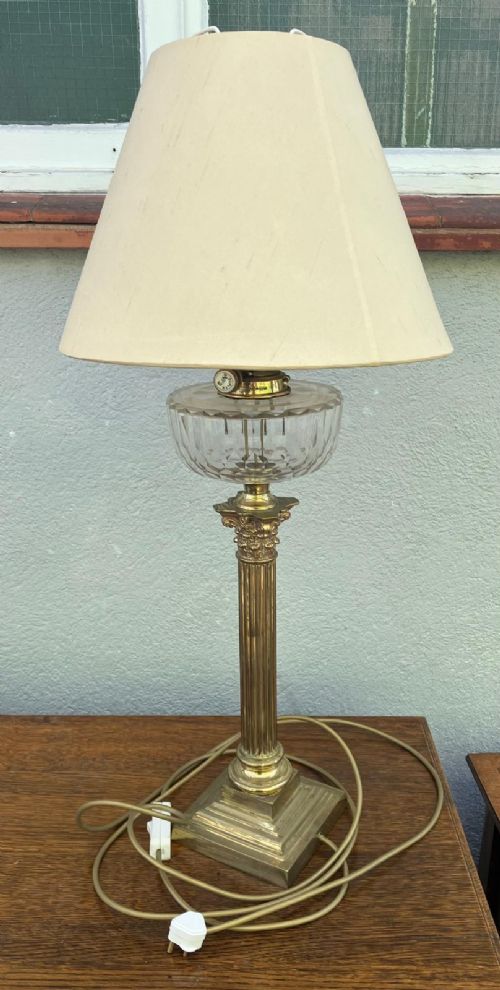
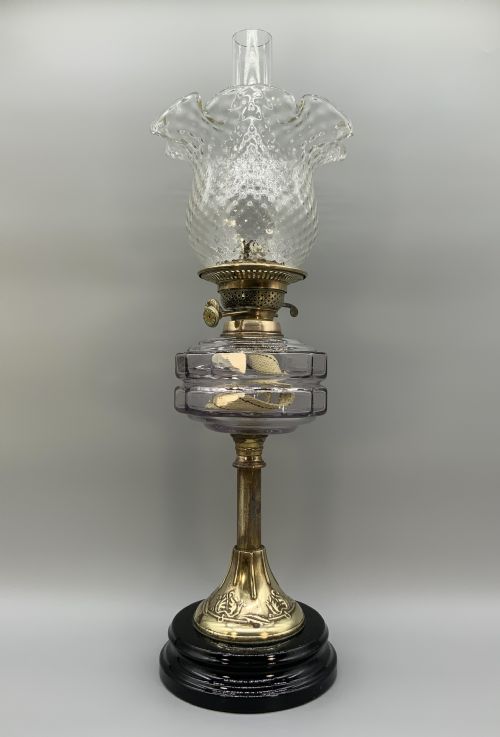
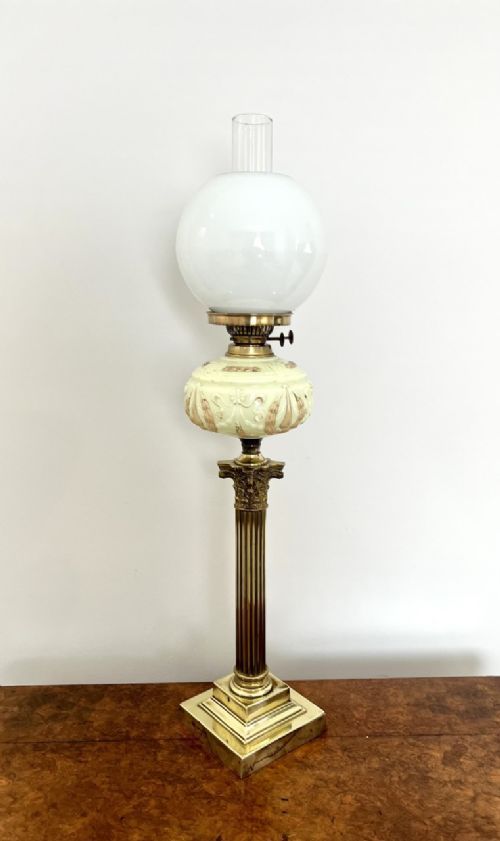
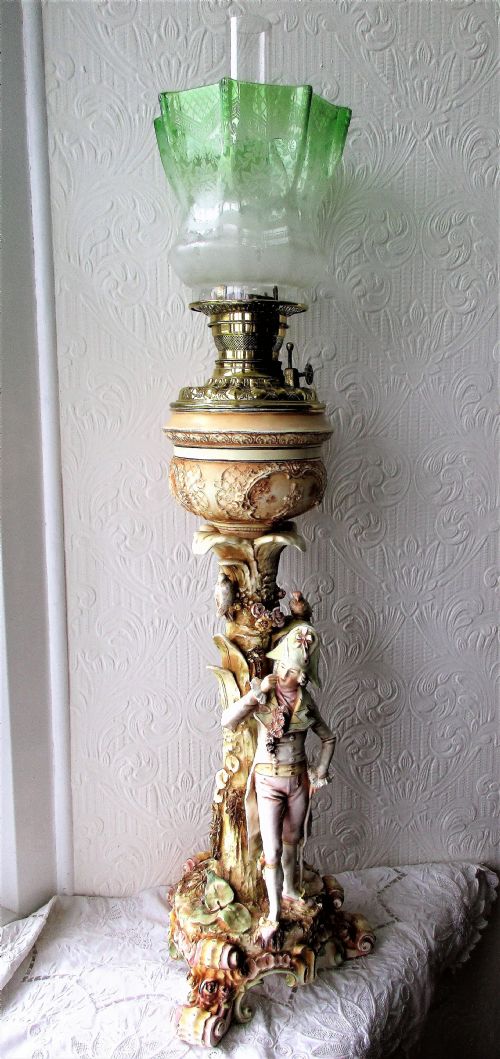
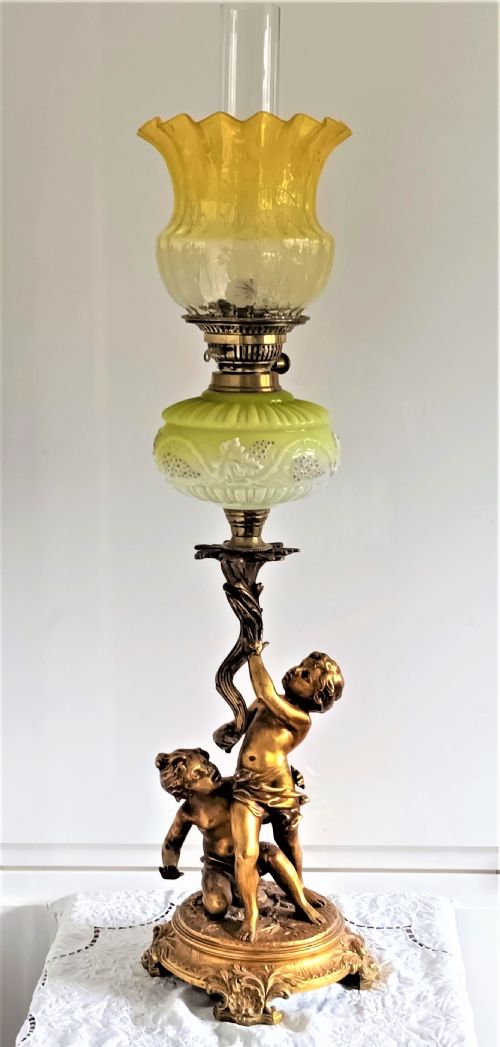
A brass paraffin table lamp combines a heavy metal pedestal with a glass or ceramic font, designed to burn oil for illumination. These pieces originate from the Victorian and Edwardian periods, stretching from the middle of the nineteenth century into the early twentieth century. Buyers seeking this search phrase will find tall columnar designs, figural bases and simpler domestic models.
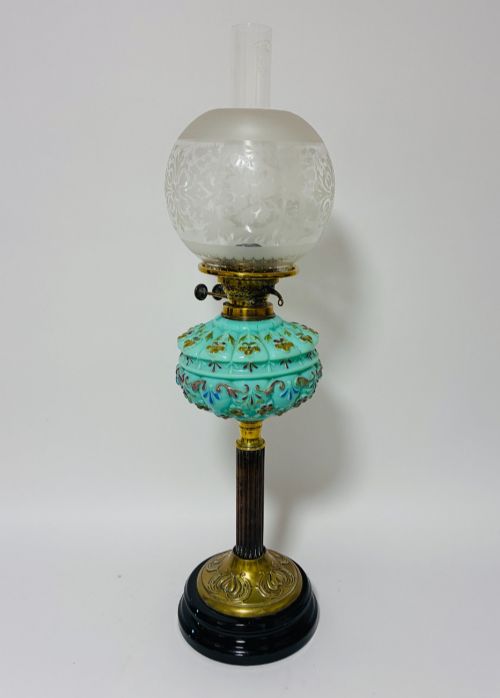
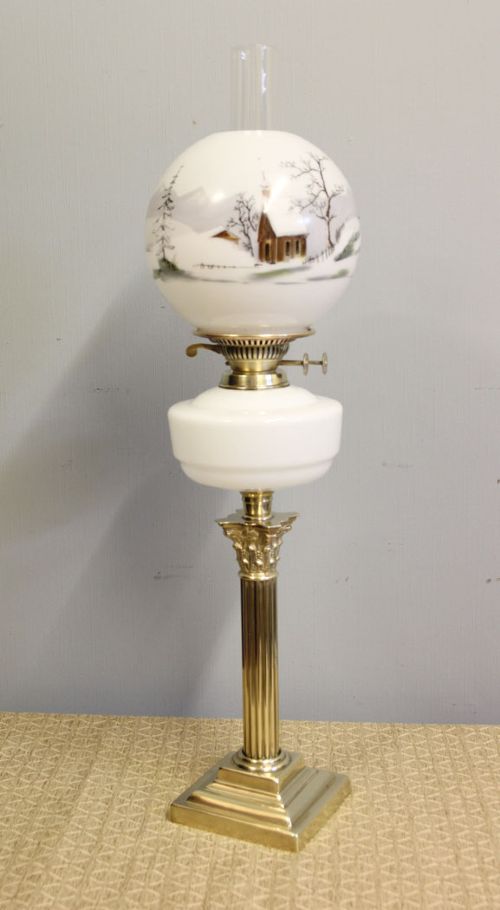
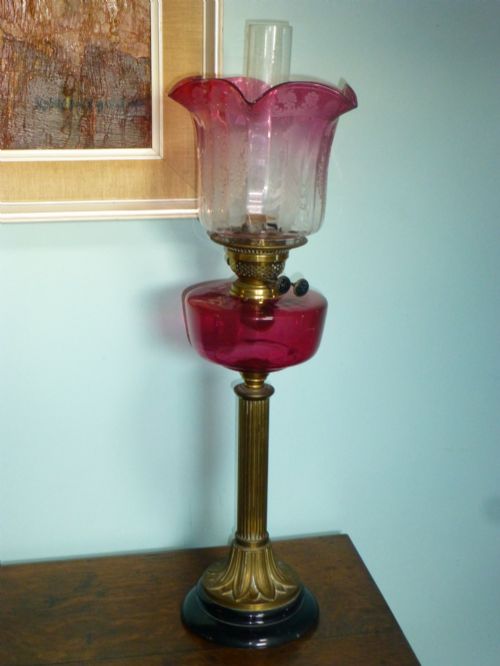
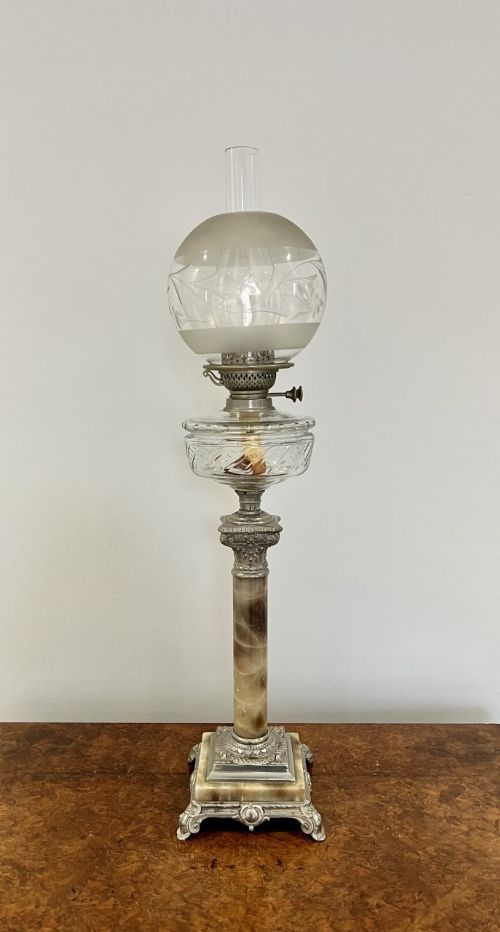
Many examples pair a polished brass stem with a contrasting shade in cranberry, opaline or etched clear glass. The structural forms range from classical Corinthian and Ionic columns to organic Art-Nouveau curves and Secessionist frames. Variants include twin-burner duplex systems and standard single-wick configurations.
Materials and construction methods
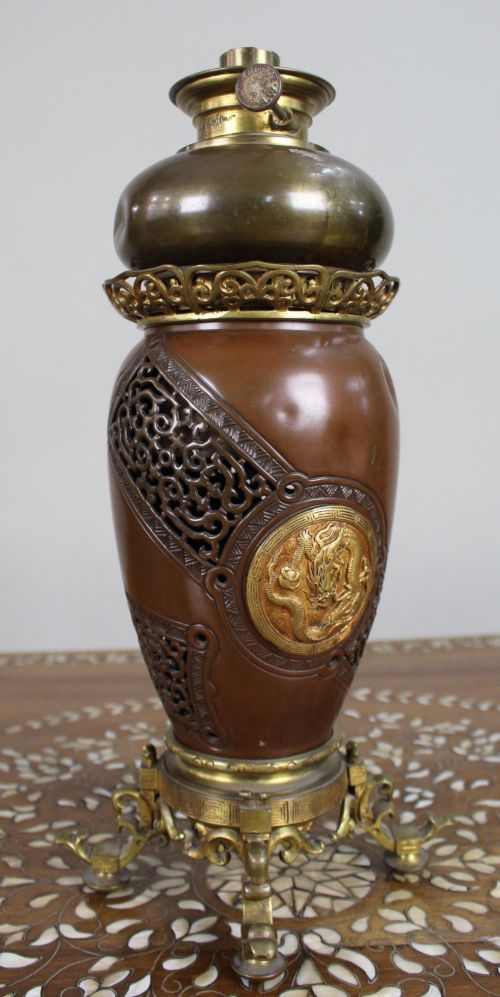
Makers utilised cast and spun brass for the structural columns and bases, often combining the metal with ceramic reservoirs or glass fonts. Glass components include hand-blown, hand-painted and etched shades in distinctive hues like pink, blue and cranberry. Some models integrate bronze, copper and onyx to add weight and textural contrast.
Advanced mechanical burners, such as the duplex system, required precision engineering to feed two wicks simultaneously for a brighter flame. Coloured glass fonts and shades relied on traditional glassblowing and casing techniques, sometimes decorated with hand-painted botanical or winter scenes.
Brass Paraffin Table Lamp Retail Price Guide 2026
Typical asking prices for brass paraffin table lamp among the pieces listed under this phrase on Sellingantiques today, from the lower quarter to the upper quarter. They describe what is for sale here now, not the wider market.
One cheerful shade depicts a snowy winter scene, ensuring your indoor illumination comes with a permanent chill.
Evaluating standard and craftsmanship
The distinction between standard domestic lighting and top-tier examples rests in the crispness of the casting and the presence of named maker mechanisms. Superior brass columns display sharp fluting and heavy gauge metal, whereas lower tiers show softer detail and lighter construction. Marked burner galleries and specialised twin-burner mechanisms elevate the standard of a piece significantly.
The integration of the shade and font dictates the visual balance of the object. Hand-painted or cased glass shades that match the quality of the brass base indicate a higher grade of manufacture. Extra elements like onyx plinths, figural porcelain components and complex etched patterns separate ordinary table lamps from exceptional specimens.
Hinks·Taylor Tunnicliff·Gustave Serrurier Bovy·Wild and Wessel
The Brass Paraffin Table Lamp Glossary
- Duplex burner
- A double-wick burner mechanism designed to produce a significantly brighter flame than a standard single wick. This system required two adjustment knobs.
- Font
- The oil reservoir of the lamp, positioned above the base and below the burner. Fonts frequently appear in coloured glass, ceramic or matching brass.
- Corinthian column
- An architectural column style featuring an ornate capital decorated with acanthus leaves. This form was widely adapted for Victorian table lamp stems.
- Opaline glass
- An opaque, milky-white glass popular for Victorian and Edwardian lamp shades. It softened the light emitted by the paraffin flame.
- Gallery
- The metal ring at the top of the burner that holds the glass chimney in place. It often bears the stamp of the manufacturing firm.
Brass Paraffin Table Lamp: Frequently Asked Questions
How do I operate a paraffin lamp?
Fill the reservoir with standard paraffin oil, allowing the wick to saturate fully before lighting. Adjust the thumbwheel to raise the wick slightly above the brass gallery and apply a flame.
Control the flame height carefully to prevent smoking and soot build-up on the glass chimney. Extinguish the lamp by turning the wick down until the flame dies out.
Were these converted to electricity?
Many surviving examples retain their original oil mechanisms, burners and collars intact. Some have undergone professional rewiring to function safely as electric table lamps.
Buyers should examine the burner area to determine whether internal threading or components remain unaltered. Original unadapted pieces appeal strongly to collectors of lighting history.
How do I date a brass oil lamp?
Examine the style of the base and the patents stamped onto the brass burner thumbscrews. Corinthian columns and heavy cast brass usually point toward the Victorian era, while leaner profiles often indicate Edwardian production.
Glass shades and fonts provide further clues through their colours, such as cranberry and opaline, which dominated late nineteenth-century interiors. Maker marks on the metal mechanisms allow for precise chronological placement.
What is a duplex burner?
A duplex burner uses two parallel flat wicks housed under a single wide gallery. This engineering development doubled the surface area of the flame to increase illumination.
These burners are operated by two separate control knobs that raise and lower each wick in tandem. They indicate a higher quality lamp intended for main living spaces.