

Vintage Oil Burner
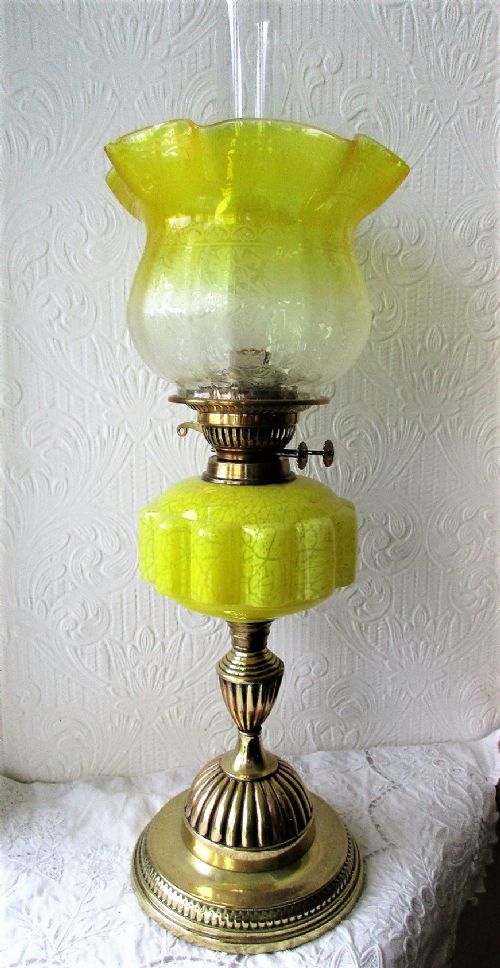
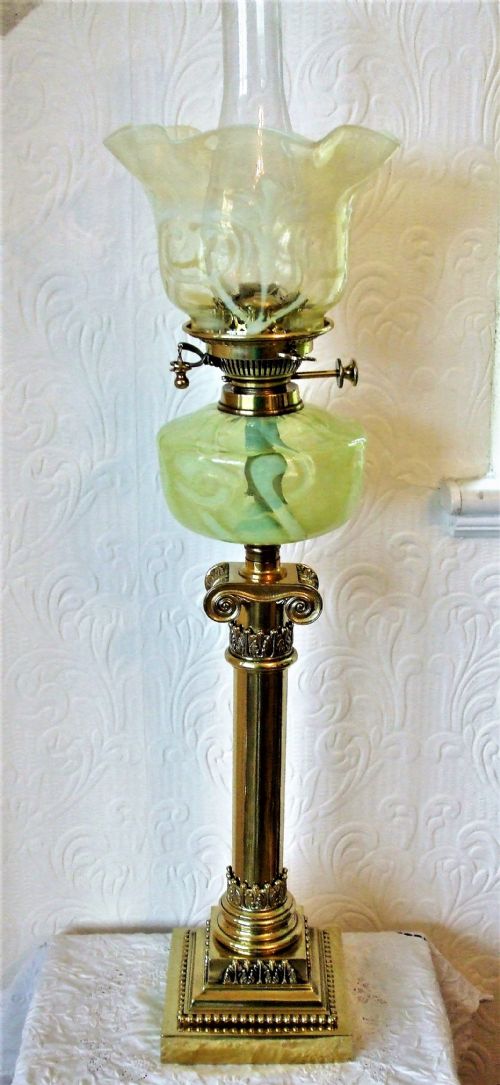
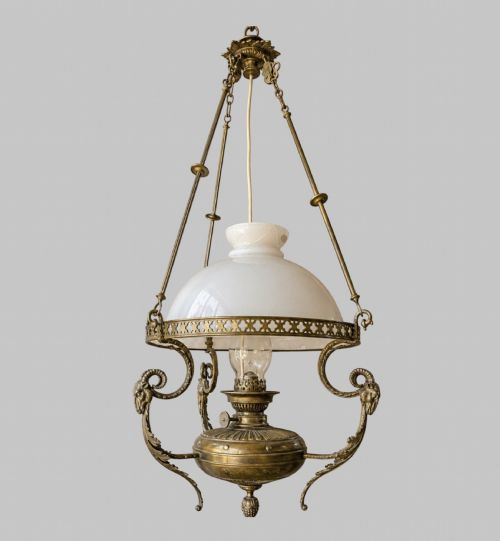
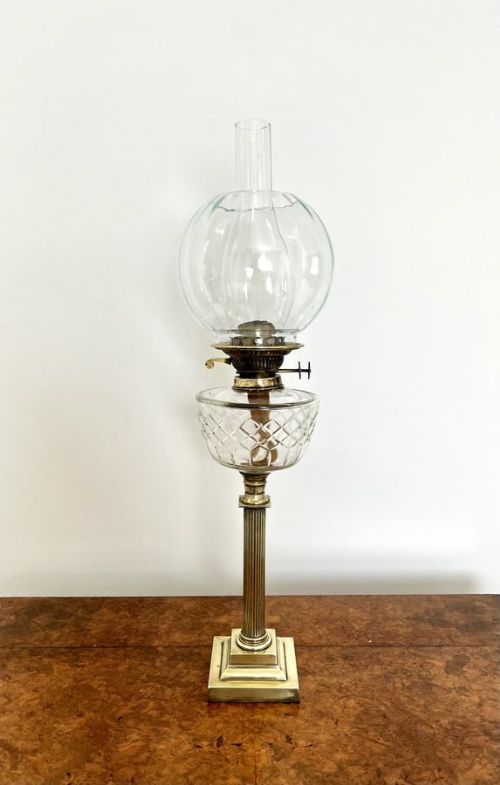
A vintage oil burner brings period illumination into a room, combining heavy brass columns with hand-blown glass fonts.

Vintage Oil Burner
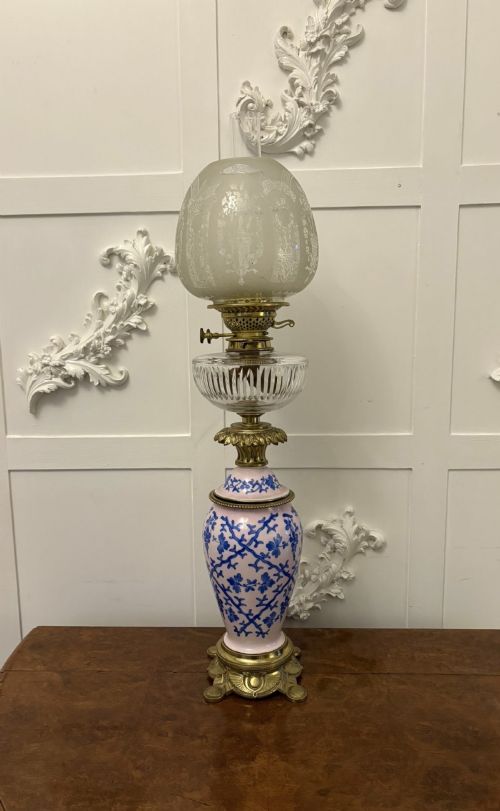
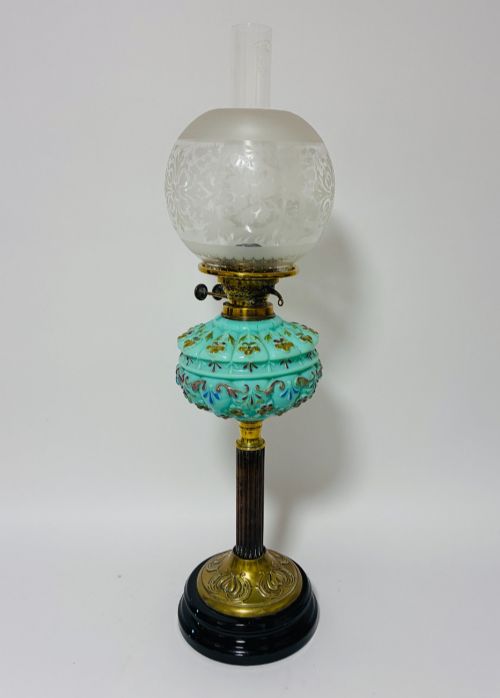
A vintage oil burner typically takes the form of a tall table lamp or column standing on a heavy metal base, often designed to burn paraffin or colza oil. These pieces originate predominantly from the Victorian and Edwardian periods, stretching from the mid-nineteenth century into the early twentieth century.
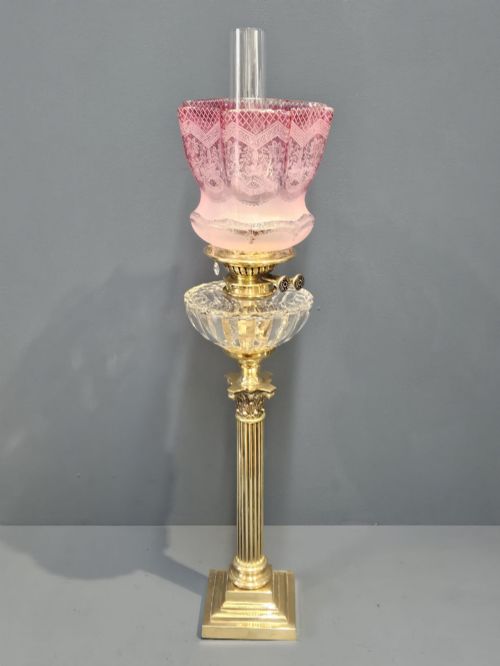
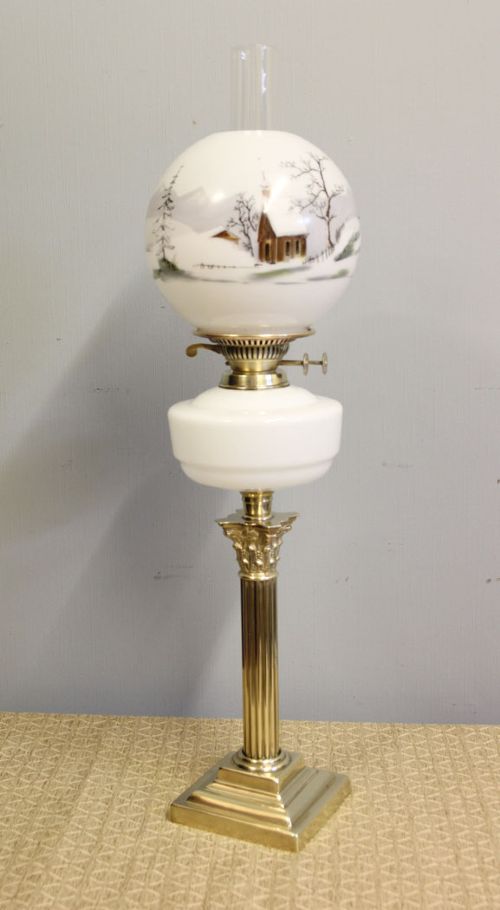
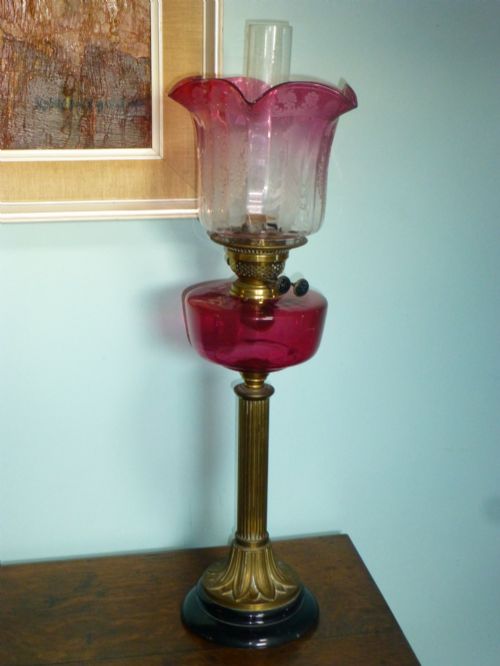
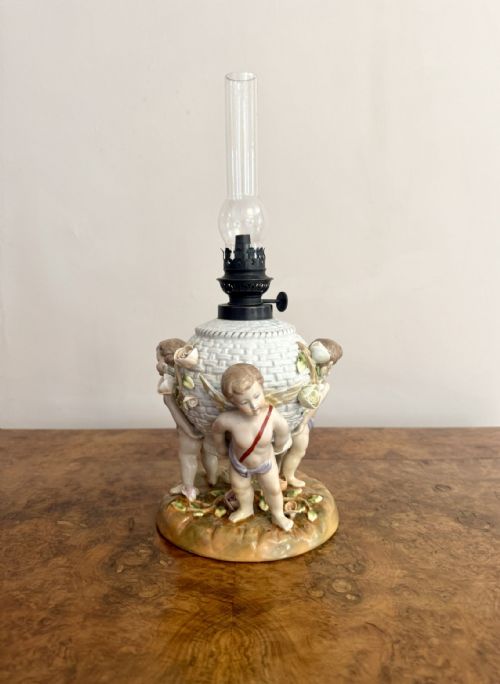
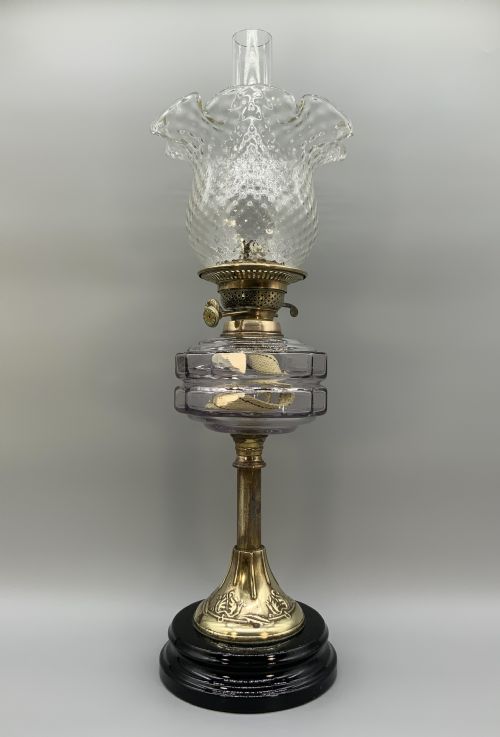
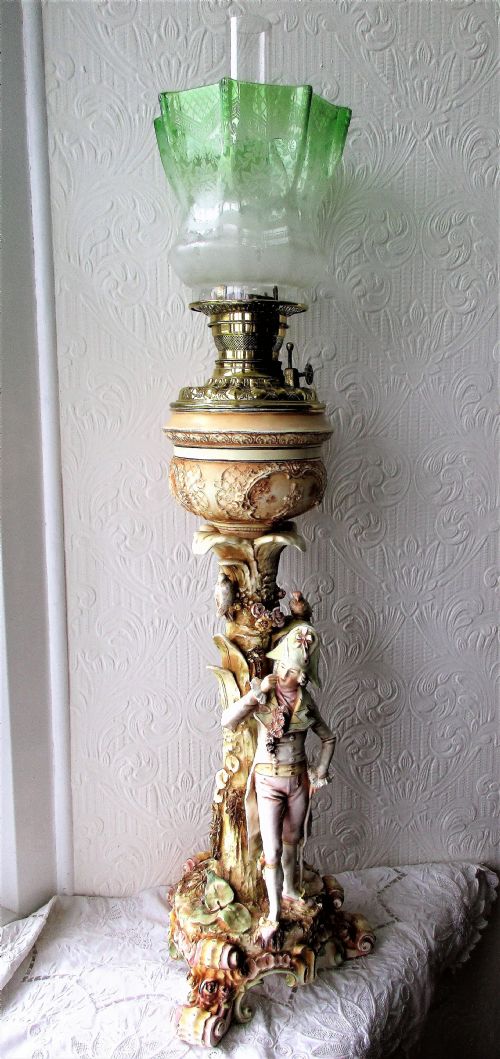
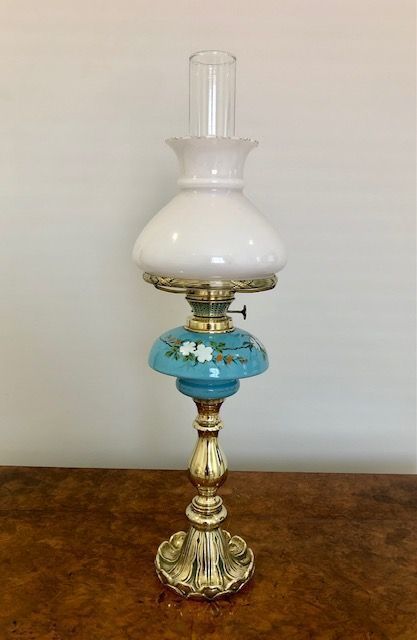
The most common examples encountered on this page feature brass Corinthian or ionic columns paired with glass or porcelain reservoirs. Buyers will also find hanging paraffin lamps and table lighters constructed in similar materials.
Materials and construction methods
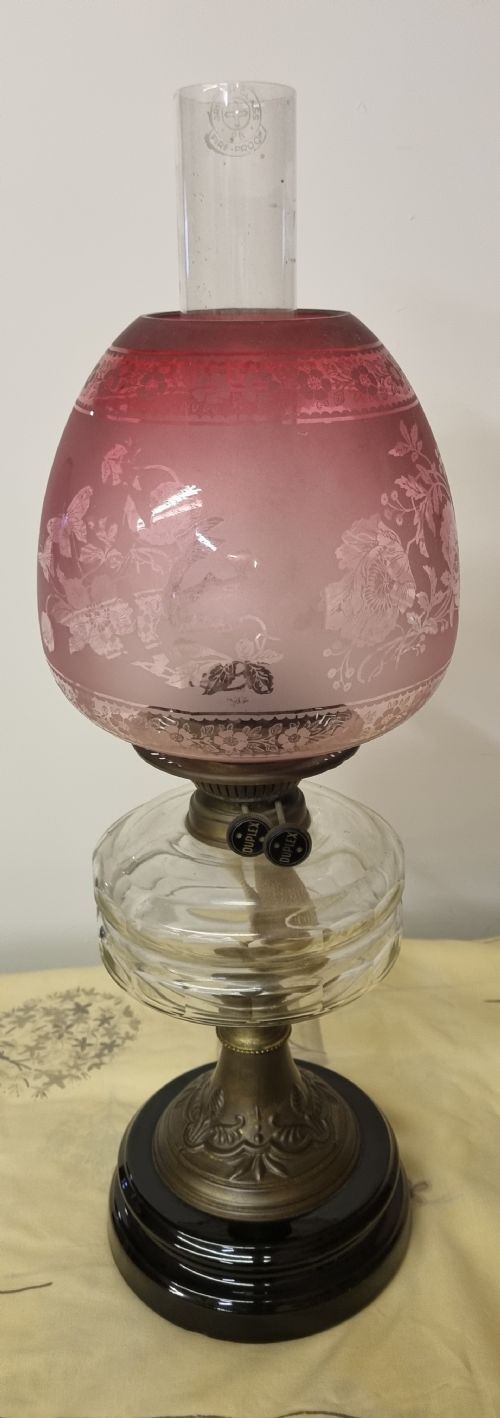
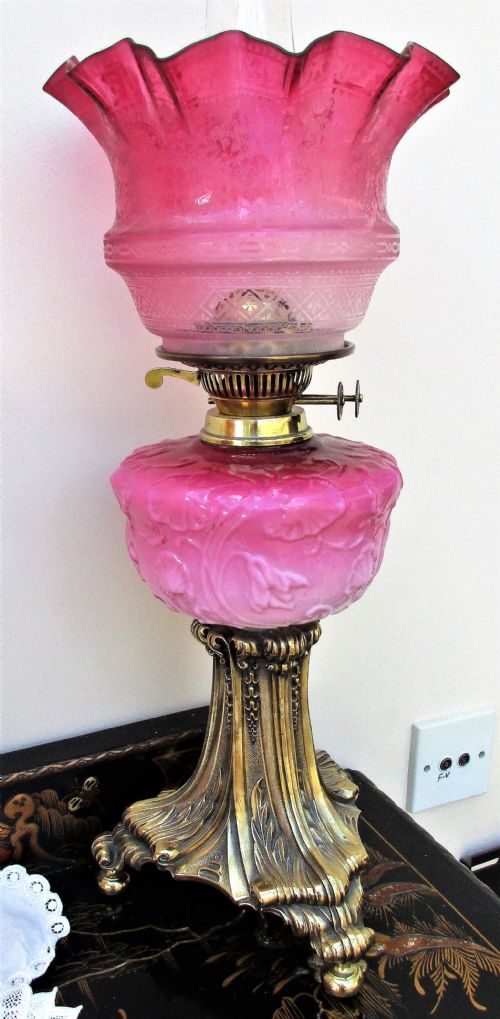
Manufacturers built these lamps using cast brass, copper, and bronze for the structural columns and bases, sometimes adding silver plating. Fonts and shades utilised pressed glass, clear glass, opaline glass, and rich cranberry glass, frequently decorated with etched or hand-painted botanical and winter scenes.
Many examples incorporate specialised dual-wick mechanisms, such as duplex burners and systems produced by makers like Hinks, designed to maximise light output before the widespread adoption of electricity.
Vintage Oil Burner Retail Price Guide 2026
Typical asking prices for vintage oil burner among the pieces listed under this phrase on Sellingantiques today, from the lower quarter to the upper quarter. They describe what is for sale here now, not the wider market.
Pulpit oil heaters demonstrate that nineteenth-century inventors tried warming churchgoers long before central heating existed.
Assessing craftsmanship and proportion
The distinction between standard production and top-tier examples lies in the weight of the cast metal components and the intricacy of the glasswork. Heavier brass castings with crisp fluting on Corinthian columns command attention, alongside hand-blown cranberry or satin glass shades with complex etched patterns.
Proportion and material combination dictate overall refinement, where figural porcelain elements or hand-painted details integrate seamlessly with metal mounts rather than appearing heavy-handed.
Hinks·Sitzendorf·Wild and Wessel
The Vintage Oil Burner Glossary
- Duplex burner
- A double-wick mechanism designed to produce a brighter flame than standard single-wick lamps. This system became standard on better quality nineteenth-century lighting.
- Opaline glass
- An opaque, milky-white glass popular for shades during the Victorian and Edwardian eras. It diffuses light softly across a room.
- Lucerna
- An early style of traditional oil lamp, often cast in bronze or brass. Italian examples frequently feature multiple spouts and suspension chains.
Vintage Oil Burner: Frequently Asked Questions
What is a vintage oil burner?
A vintage oil burner is a freestanding or hanging lamp designed to burn liquid fuel for illumination before electric lighting became common. They typically combine a metal stand with a glass or ceramic fuel reservoir and a decorative shade.
These items date predominantly from the nineteenth and early twentieth centuries, reflecting the decorative styles of the Victorian and Edwardian eras.
How do I identify the period?
Dating relies on stylistic clues such as column orders, burner mechanism patents, and glass coloration. Victorian examples often feature heavy brass Corinthian columns and cranberry glass, while Edwardian pieces lean towards softer opaline shades.
Stamped maker marks on the metal burner thumbwheels also provide precise clues regarding manufacture dates.
Can I still burn oil in them?
While many retain their original working wicks and burner mechanisms, most modern buyers utilise them as decorative objects or convert them for electric lighting. Using them with fuel requires checking the integrity of the font and ensuring the burner mechanism is clean.
Consulting a specialist before attempting to light an antique lamp is strongly advised to maintain safety.
What is a duplex burner?
A duplex burner is a specialised double-wick mechanism engineered to provide a significantly brighter light output than a standard single-wick burner. It uses two flat wicks controlled by separate thumbwheels.
This innovation appeared on higher-quality lamps from the mid-nineteenth century onward.