
Victorian Brass Kerosene Lamp
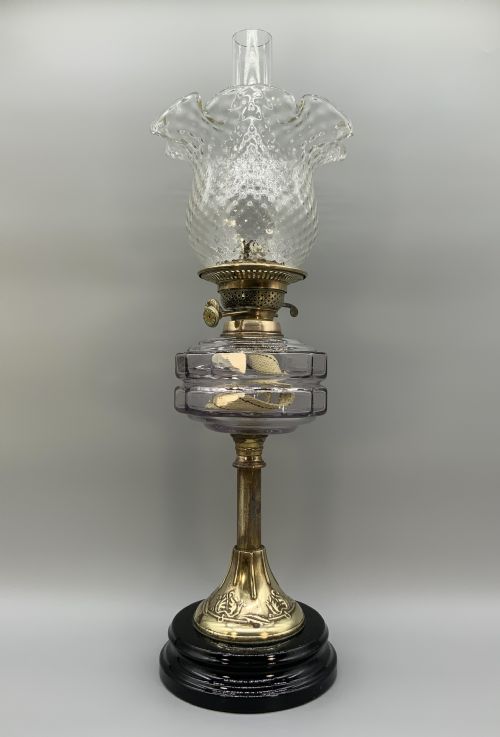
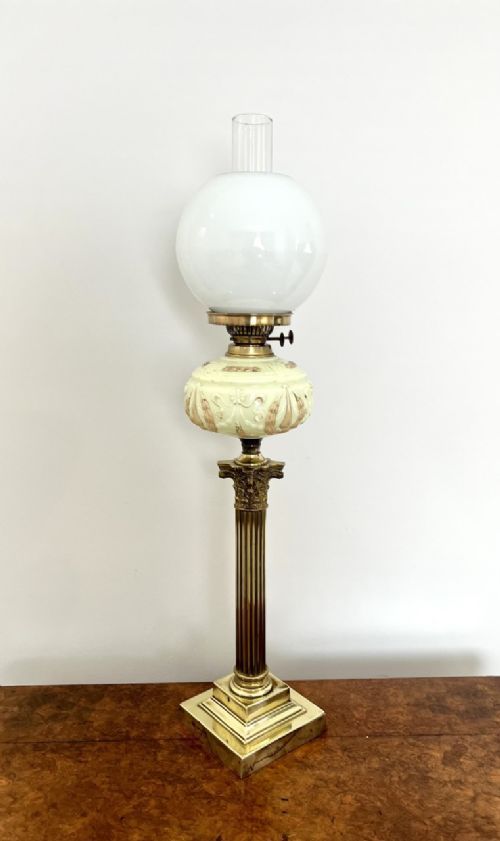
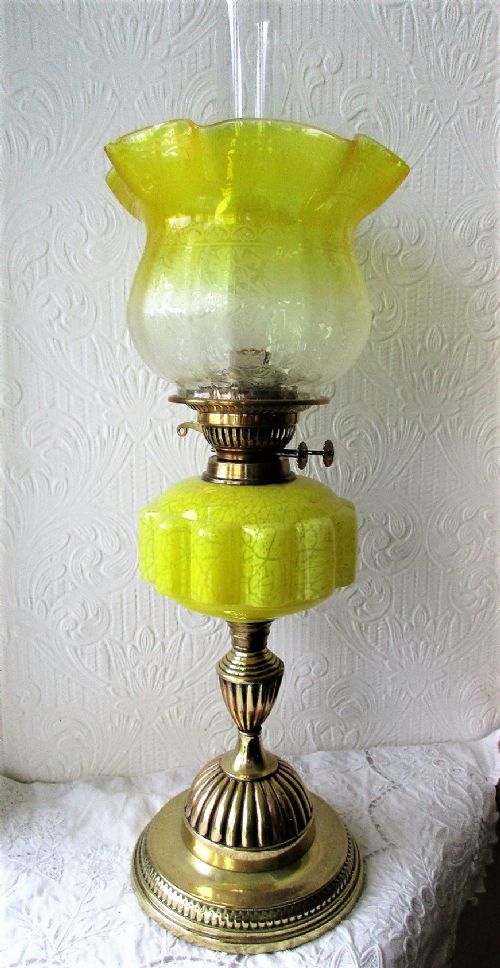
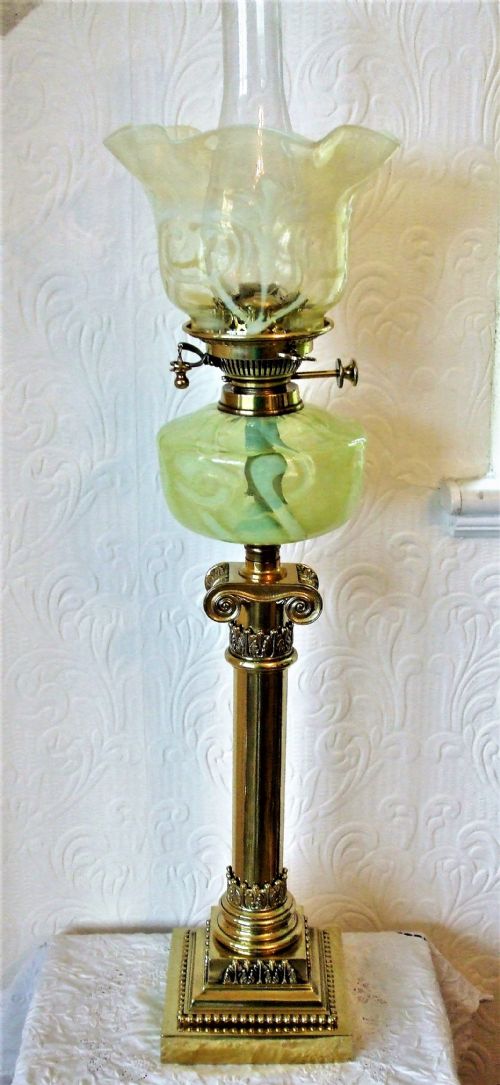
A victorian brass kerosene lamp combines heavy metal casting with coloured glass to provide period domestic illumination.

Victorian Brass Kerosene Lamp
A victorian brass kerosene lamp is a domestic lighting fixture designed to burn paraffin or kerosene, typically featuring a metal reservoir raised on a column or base. These pieces originate primarily from the nineteenth century and the Edwardian era, spanning the periods seen in current listings.
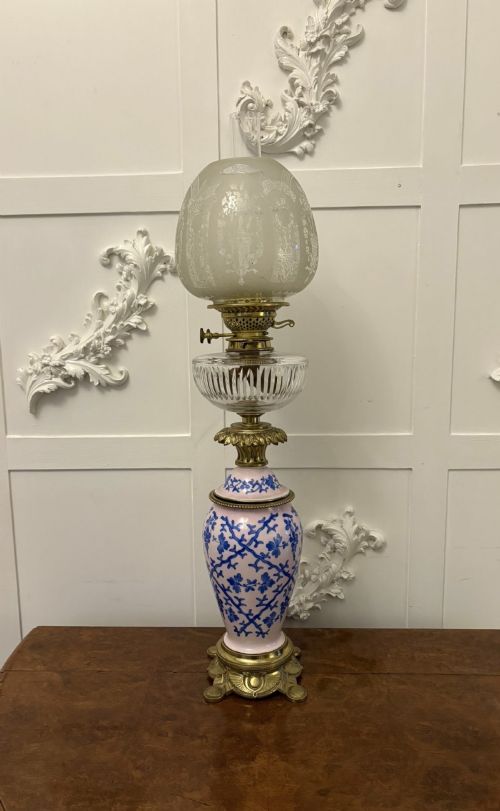
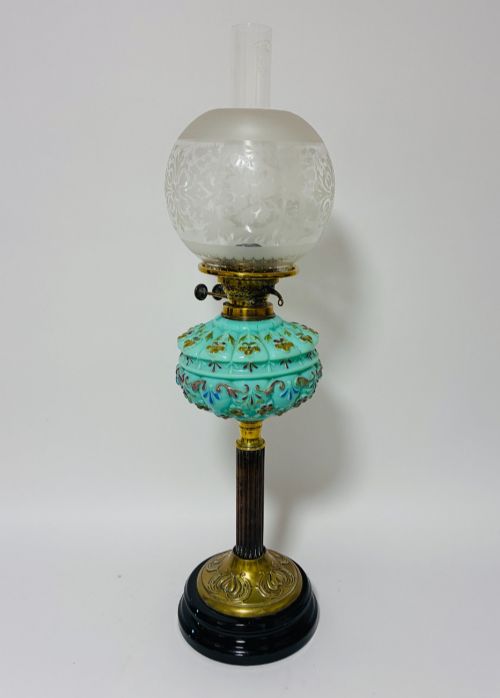
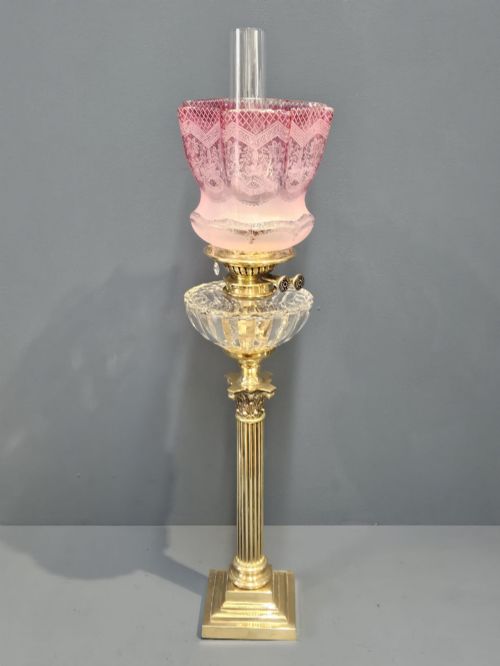
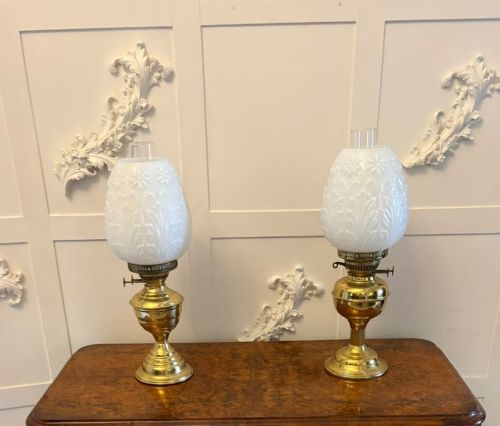
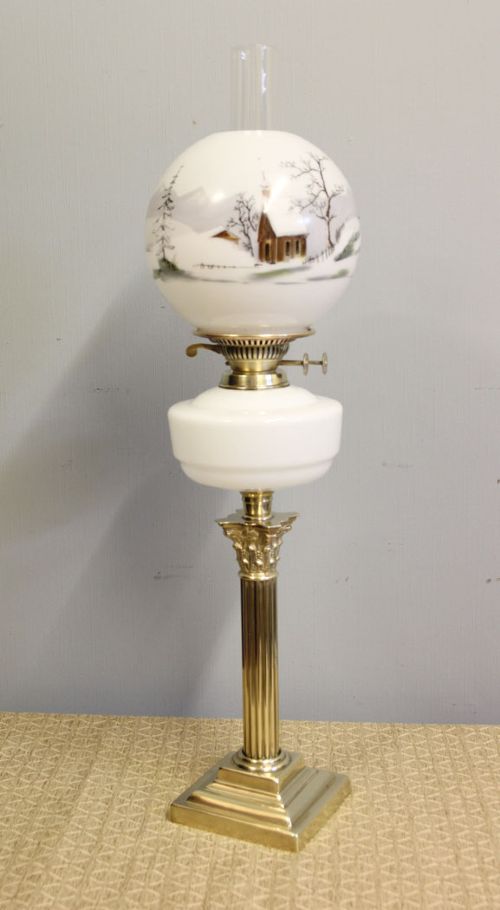
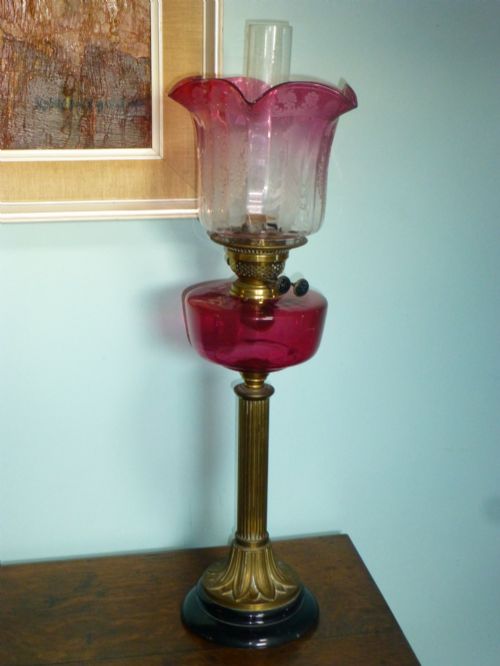
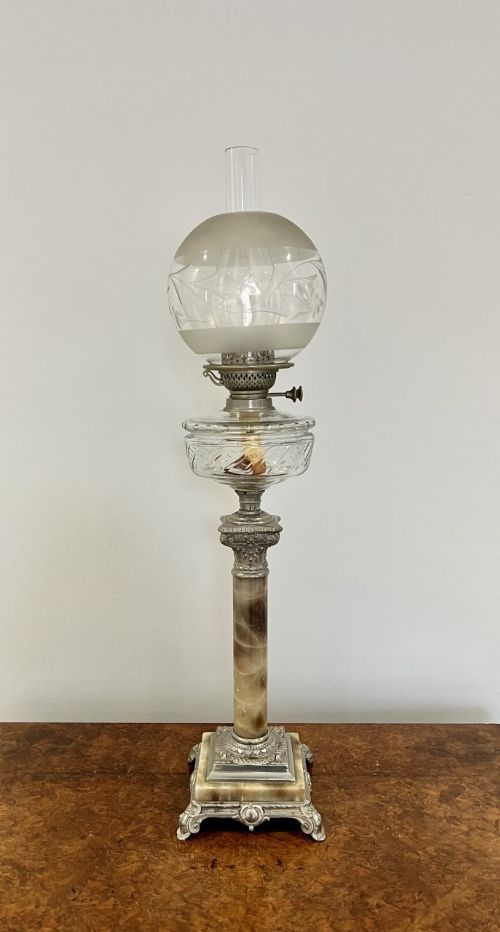
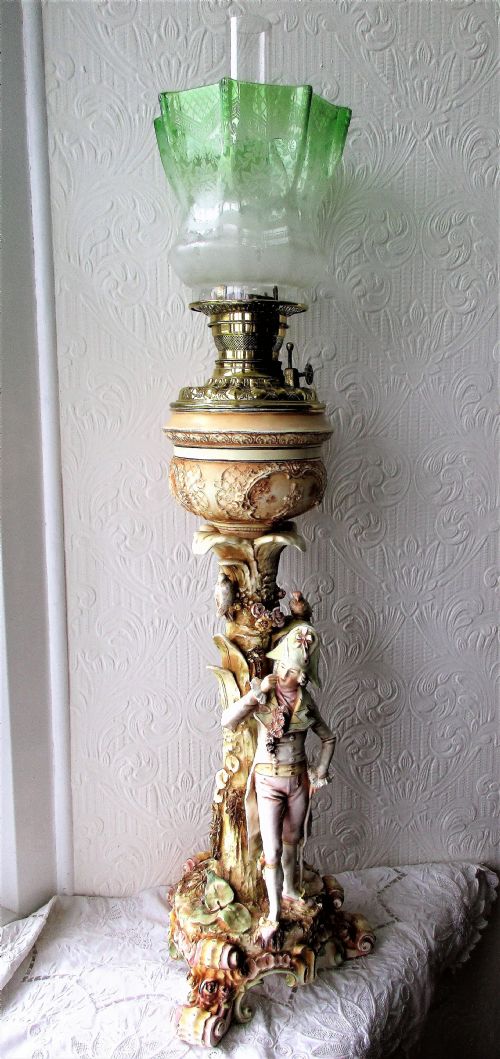
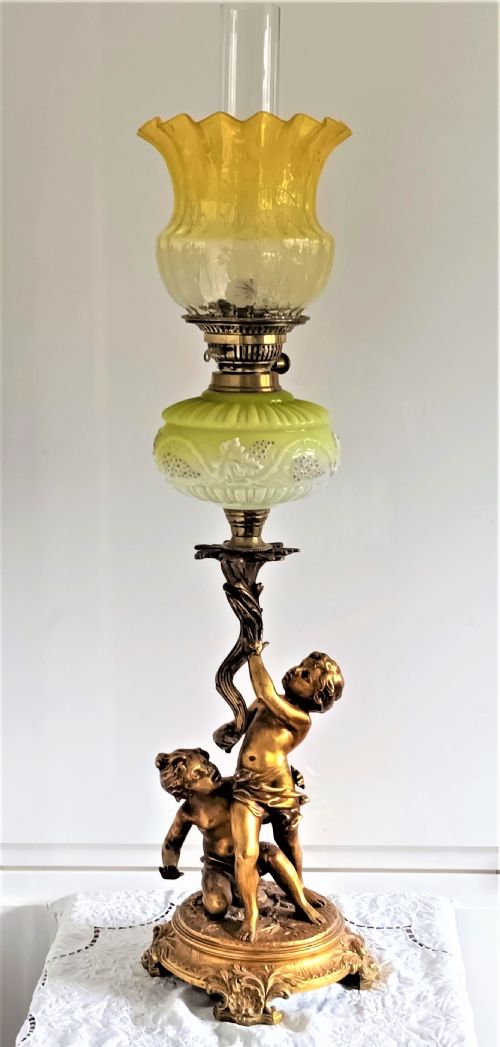
Buyers will most frequently encounter columnar forms such as Corinthian or Ionic designs, alongside figural porcelain mounts and simple table models. These lamps often incorporate contrasting elements like ceramic reservoirs or metal bases set on black glass.
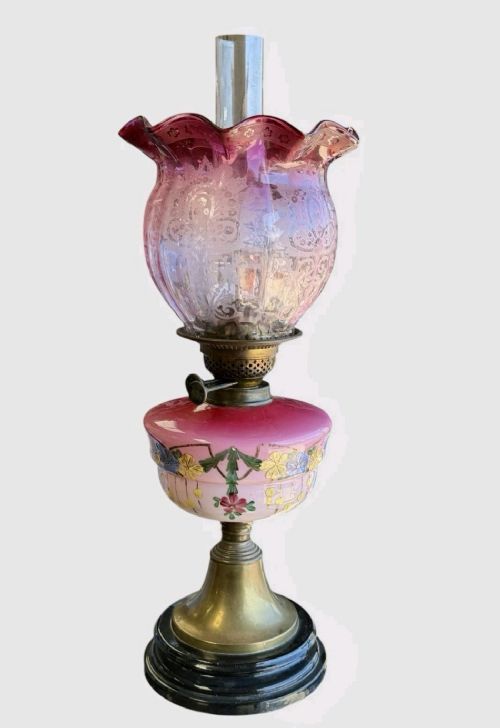
The surviving examples range from plain utilitarian items to decorative showpieces fitted with hand-painted fonts and matching glass shades. They reflect the diverse manufacturing output of British workshops during the Victorian and Edwardian periods.
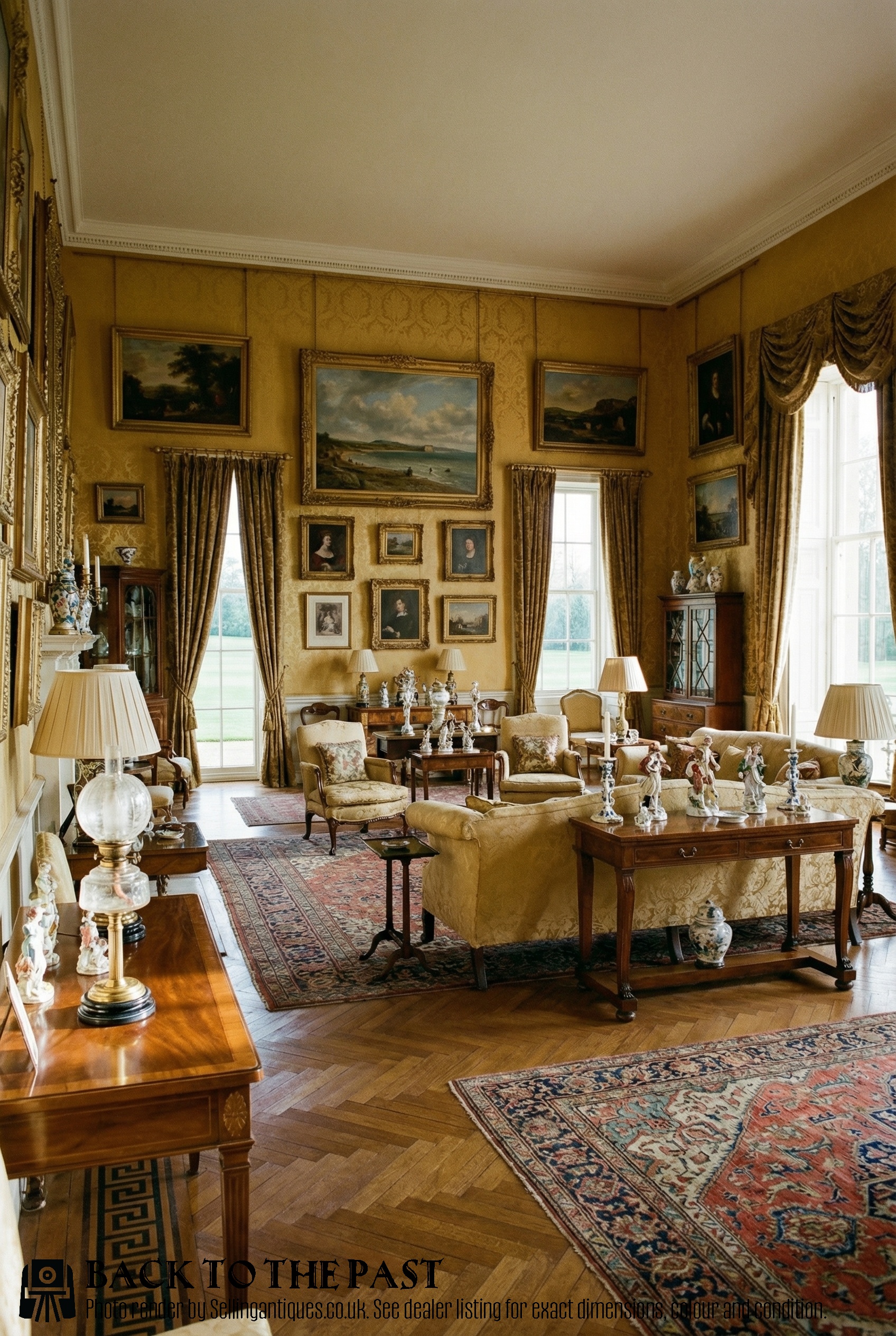
How they were made
Construction relies heavily on cast and turned brass, which forms the columns, burners, and structural mounts of the lamps. This metalwork is frequently paired with ceramic bodies, gilded surfaces, or copper components.
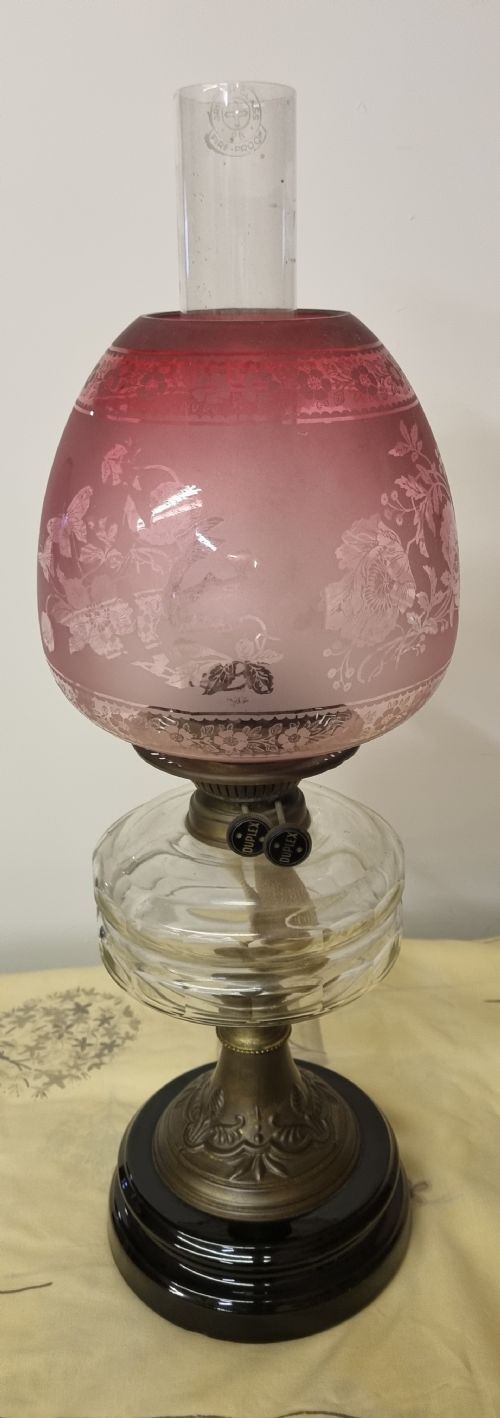
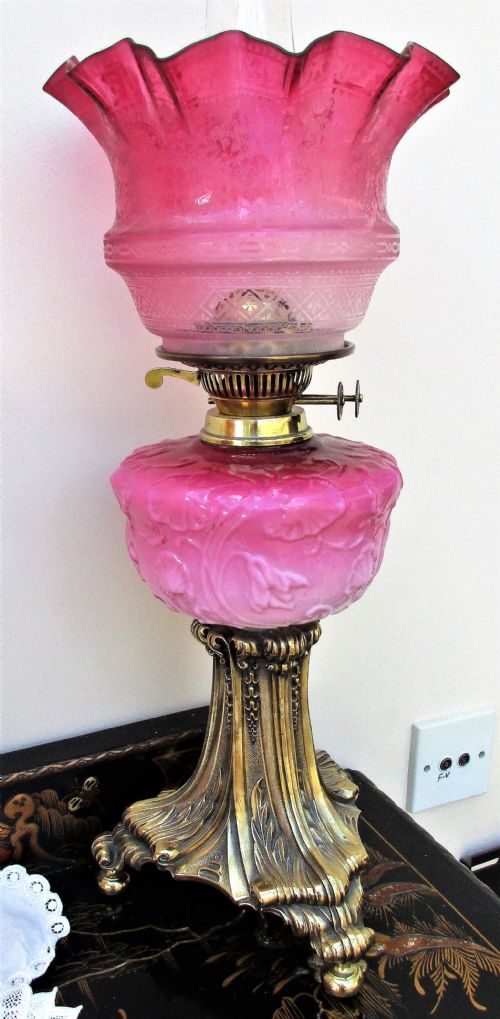
The upper portions incorporate blown or moulded glass, including cranberry glass, opaline glass, and clear or etched tulip shades. Many of these glass shades feature hand-painted botanical or winter scenes applied to the surface.
Burner assemblies employ mechanical brass systems, such as duplex burners, designed to regulate the flame and control the combustion of kerosene. These metal parts are fitted securely to ceramic or glass fonts using threaded collars.
Current listings feature materials including cranberry glass, opaline glass, porcelain, copper, and cast brass.
What varies in quality
The distinction between standard examples and superior pieces rests on the weight of the brass casting and the complexity of the column orders, such as detailed Corinthian capitals. Heavier gauge metalwork and crisper surface chasing indicate better manufacture.
Quality also depends on the artistic merit and originality of the glass shade and font, particularly where hand-painted decoration or distinct hues like cranberry glass are employed. Matched sets where shade and base originate together command greater regard.
Hinks of Birmingham·Wild and Wessel
The Victorian Brass Kerosene Lamp Glossary
- Duplex burner
- A double-wick mechanism that produces a brighter flame and requires a wider gallery to support the shade.
- Corinthian column
- An architectural column style featuring ornate acanthus leaf capitals, frequently utilised for the stems of these lamps.
- Opaline glass
- A milky, semi-translucent glass type used for lamp shades to diffuse the light softly.
- Tulip shade
- A flared glass shade resembling an open flower, often etched or patterned around the rim.
Victorian Brass Kerosene Lamp: Frequently Asked Questions
How do I operate the burner?
The mechanism relies on thumbwheels that raise or lower the flat wicks inside the brass gallery. You lift the glass shade and chimney to access the wick for lighting.
Ensure the reservoir contains suitable fuel and allow the wick to absorb the liquid before striking a flame. Adjust the height evenly to prevent smoke.
Can I convert these lamps to electricity?
Many owners choose to wire these fixtures for modern domestic use by running a cord through the central column. This modification avoids altering the exterior brass structure.
Original burners and collars can often be preserved alongside the wiring if the conversion is done without drilling primary structural components.
How do I clean the brass and glass?
Brass components respond well to gentle cleaning with a soft cloth and non-abrasive metal polish to remove tarnish while retaining age patination. Avoid harsh chemical dips that strip the surface finish.
Glass shades and fonts should be washed in warm, soapy water separately from the metal parts. Dry them thoroughly before reassembly to prevent water spots.
What fuel should I use?
Traditional paraffin or standard lamp oil is the correct fuel for functional Victorian burners. Avoid modern automotive or lighter fluids, which burn too hot and risk damaging the metal or glass.
Keep the fuel level below the top of the reservoir to allow for proper expansion and safe operation.