


Papier Mache Table
When searching for a papier mache table, collectors find versatile painted furniture that combines moulded pulp and lacquer with decorative artistry.
Papier Mache Table
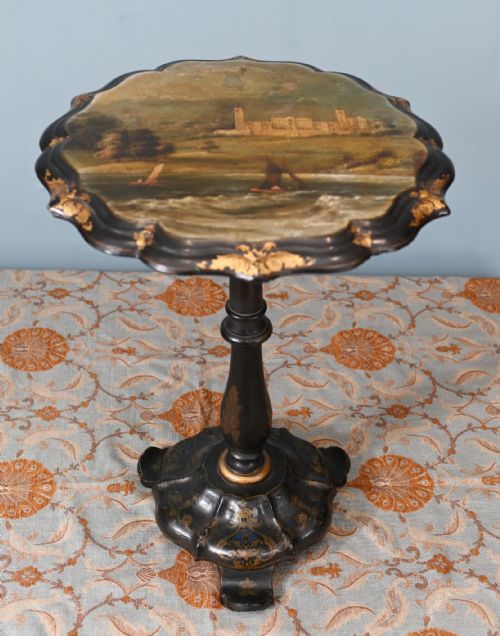
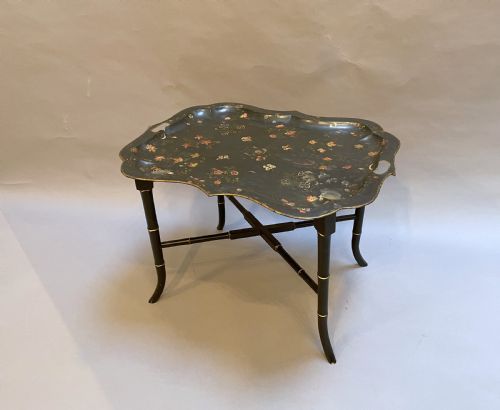
A papier mache table brings together functional occasional surfaces and decorative craftsmanship spanning the Georgian, Regency, and Victorian eras. Buyers encounter various forms on this page, including tilt-top wine tables, tripod tables, and trays mounted on stands.
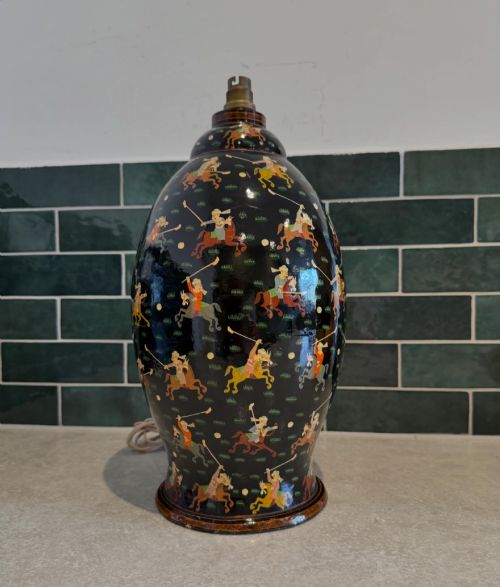
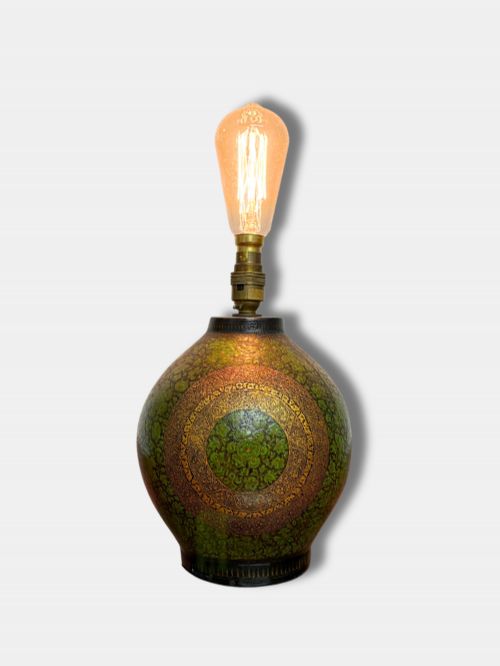
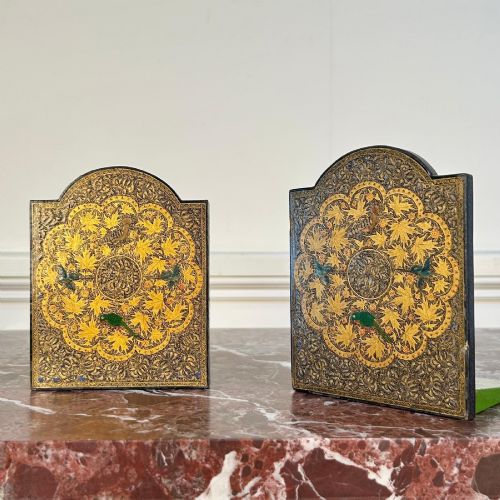
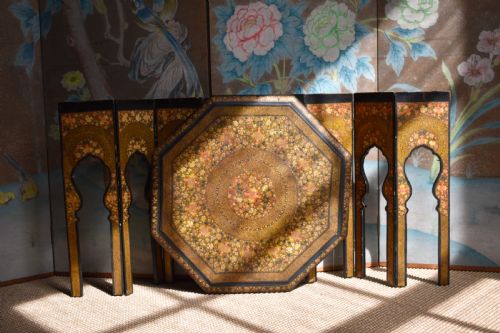
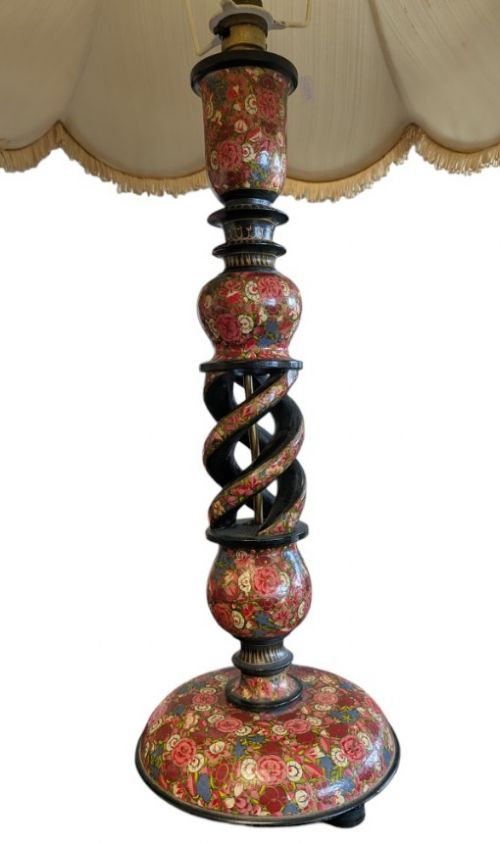
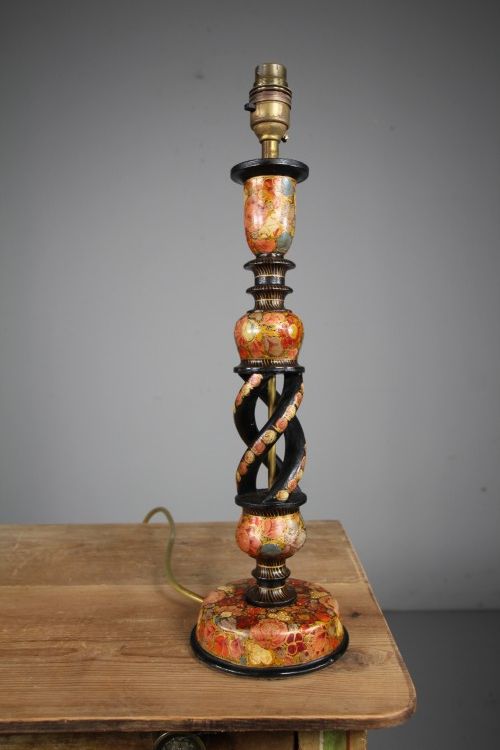
The selection extends to Anglo-Indian and Kashmiri works, featuring hand-painted designs and lacquer finishes. These pieces served diverse domestic roles in past centuries, operating as tea tables, sewing tables, and display surfaces.
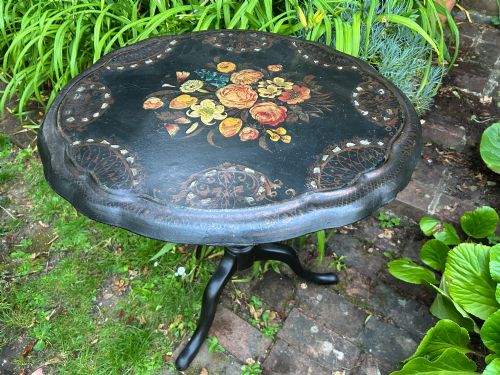
Originating from English workshops and traditional eastern centres alike, these items range from simple occasional pieces to elaborate ebonised furnishings inset with mother-of-pearl.
How they were made
Makers constructed the foundational material by compressing layers of paper pulp with glue and chalk over moulds, creating a remarkably durable board that resisted warping. Craftsmen then strengthened and shaped this composite material into sturdy table tops and serving trays.
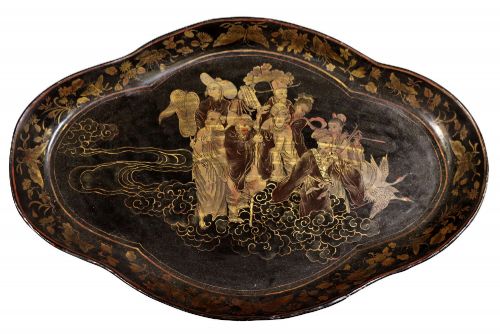
Surfaces received multiple coats of dark lacquer or ebonised paint, providing a smooth base for intricate gilt work, Chinoiserie motifs, and Kashmiri folk art. Artisans frequently applied gold leaf and mother-of-pearl inlay to enhance the visual depth of the design.
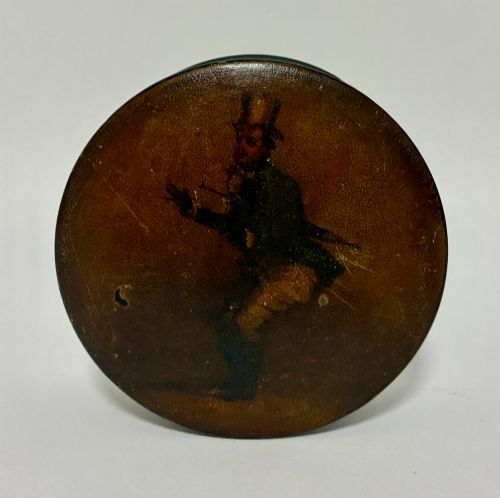
A solitary duckling immortalised in papier-mache and straw shares space with grand serving trays.
What varies in quality
Quality rests upon the crispness of the hand-painted decoration and the structural integrity of the papier-mache core under the lacquer. Superior items exhibit detailed brushwork and secure joints on their wooden stands or tilt mechanisms.
The refinement of inlay work, such as carefully cut mother-of-pearl elements, distinguishes standard utility pieces from masterworks produced by prominent makers. Preservation of the original gilt and painted surface layer dictates the overall standing of an example.
Jennens & Bettridge·Henry Clay
The Papier Mache Table Glossary
- Papier-mache
- A composite material made from paper pulp, adhesive, and binding agents pressed into moulds and dried. This substance forms the lightweight yet resilient body of the furniture.
- Tilt-top
- A hinged table mechanism allowing the surface to fold vertically when not in use. This clever design saved valuable floor space in nineteenth-century interiors.
- Chinoiserie
- European decorative style imitating Chinese artistic traditions. Artisans applied these whimsical oriental motifs in gold and colour over black lacquer.
- Japanned
- European imitation of traditional Japanese and East Asian lacquerwork. Craftsmen achieved this glossy finish through successive layers of varnish and heat curing.
- Mother-of-pearl
- Iridescent inner layer of mollusc shells used for inlay. Small pieces were embedded into the dark lacquer surface to catch the candlelight.
Papier Mache Table: Frequently Asked Questions
Are these tables sturdy enough for daily use?
While the compressed paper pulp is surprisingly durable, these pieces function best as occasional or side tables rather than heavy-use furniture. Placing moderate weight on the surface poses no issue for well-maintained examples.
Care should be taken with the tilt-top and folding mechanisms on older models. Operating these joints gently prevents stress on the historic wooden framing.
What is a tray table?
A tray table pairs a removable serving tray with a folding or fixed wooden stand. Georgian and Victorian households used these portable surfaces for serving tea or drinks.
Many surviving pieces feature deep rims and elaborate Chinoiserie painting on the tray itself. The stands were often made later to convert these decorative trays into usable furniture.
How do I distinguish Regency pieces from Victorian ones?
Regency items typically display classical restraint, featuring crisp gilt stencilling and precise geometric or classical Chinoiserie motifs. The stands on these earlier pieces often show simpler, elegant lines.
Victorian examples frequently embrace exuberant decoration, incorporating mother-of-pearl inlay and rich floral compositions. Pedestal bases from the later nineteenth century tend to be more robustly turned and ornate.