
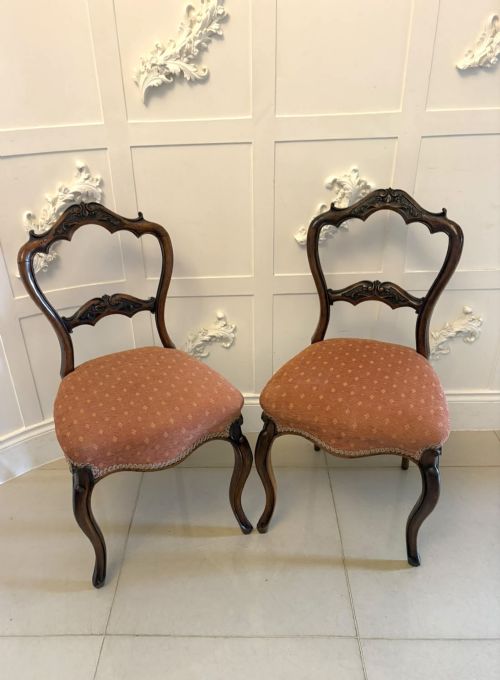
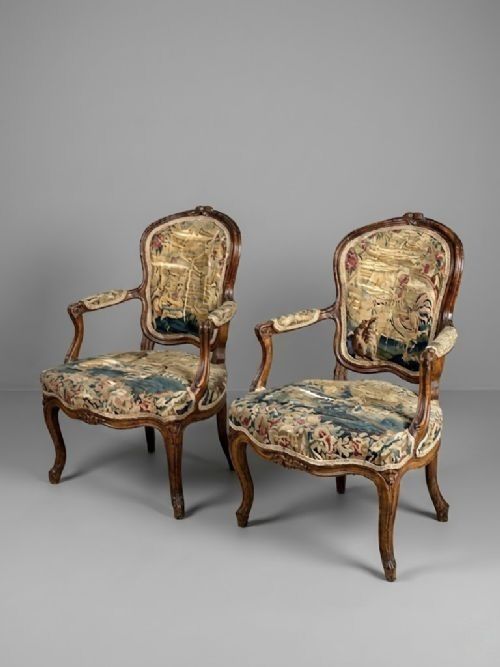
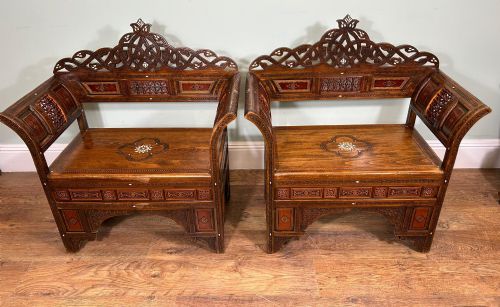
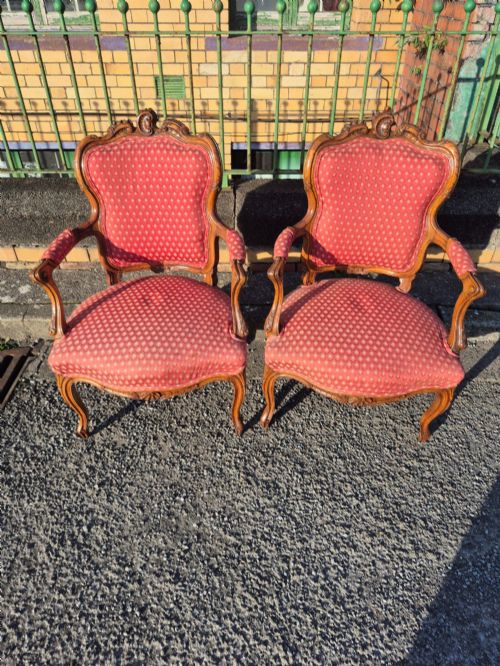

Pair Walnut Accent Chairs
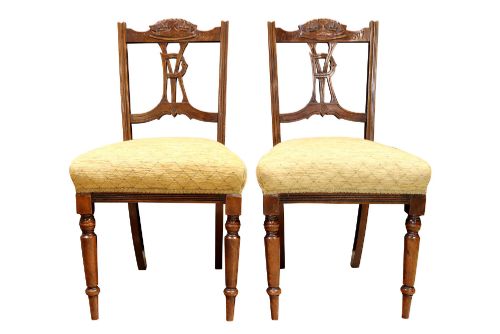
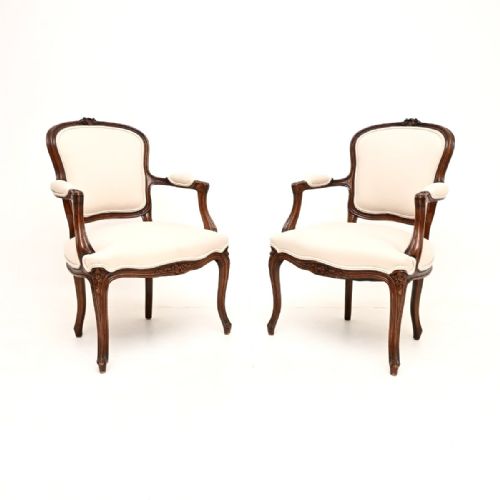
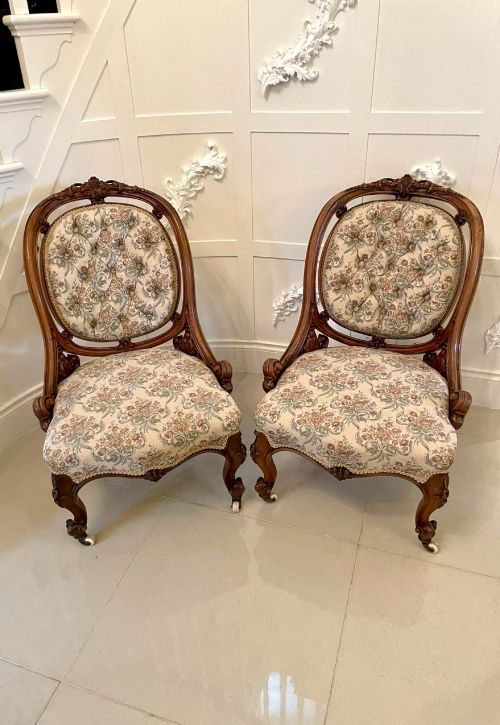
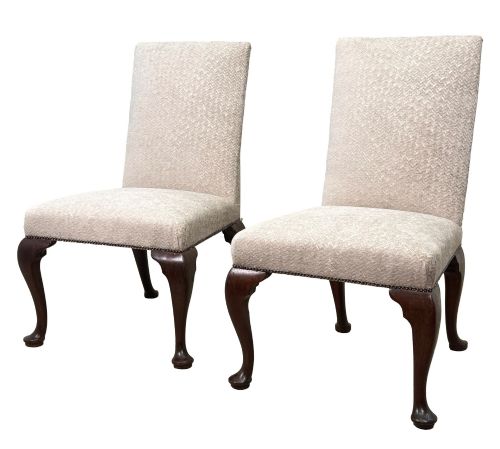
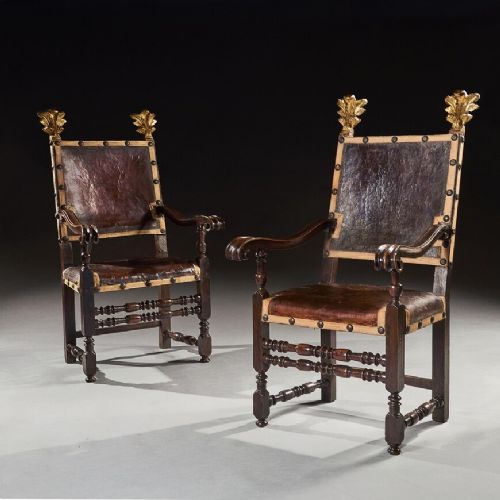
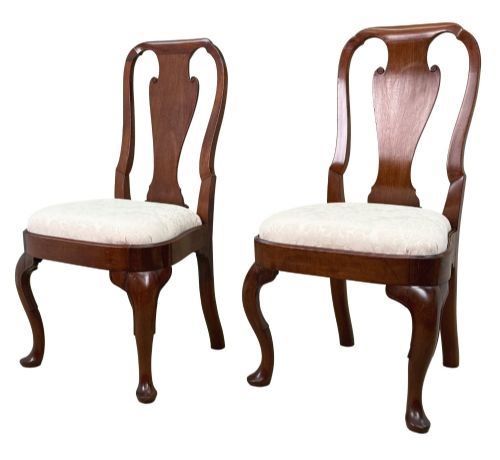
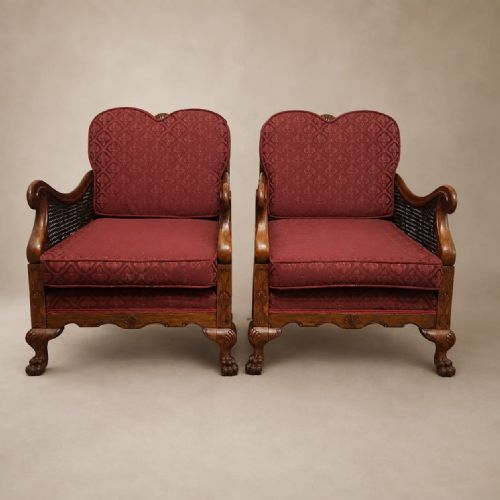
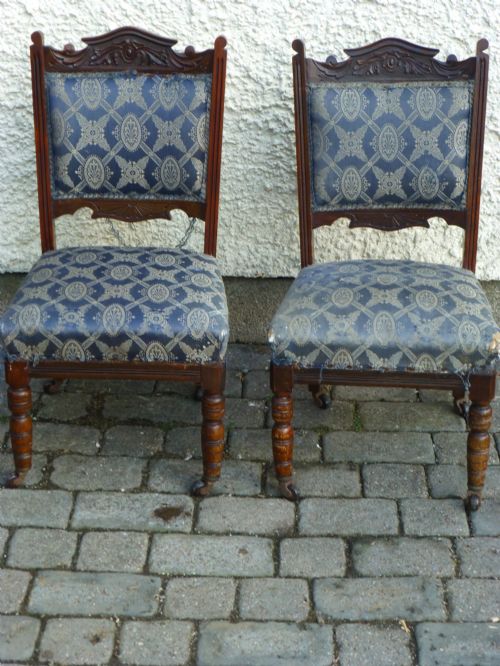
Pair walnut accent chairs bring warmth and distinct period character to a room, offering matching seating that spans from Queen Anne to Art Deco.
Pair Walnut Accent Chairs
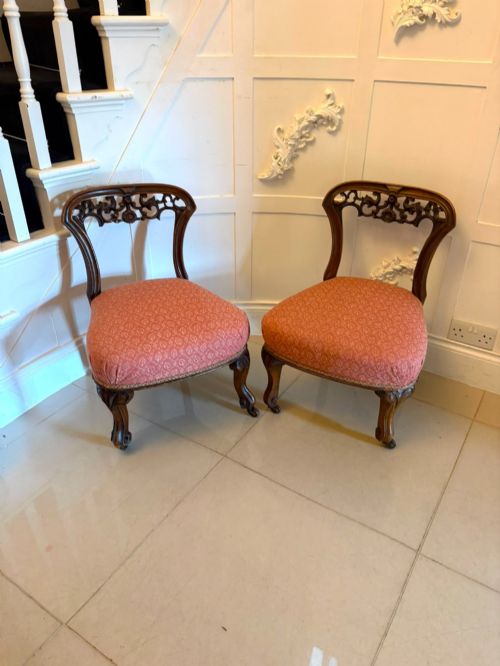
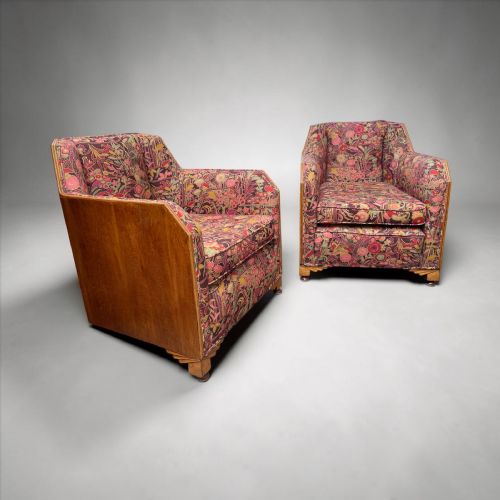
Pair walnut accent chairs encompass seating options designed to complement a room scheme rather than serve as primary dining furniture. When searching for pair walnut accent chairs, buyers encounter forms ranging from high-back side chairs and low nursing chairs to spacious armchairs and compact occasional seats.
The selection spans centuries of design, with pieces originating from the 17th, 18th, 19th, and early 20th centuries. Styles draw heavily upon English traditions such as Queen Anne and George II, alongside continental French influences including Louis XV and Art Deco periods.
Origin and period dictate the exact silhouette, whether one finds the cabriole legs of earlier eras or the streamlined geometry of later decades. Most examples rely on matching pairs to anchor a living space, bedroom, or hallway with balanced symmetry.
What varies in quality
Quality rests in the crispness of the timber carving and the fidelity of the period style. A superior frame exhibits tight joints, well-figured walnut timber, and proportions that balance decorative flourish with structural integrity.
The degree of original surface preservation and the quality of historical or modern upholstery materials distinguish finer examples. Pieces retaining untouched timber patination and specialist textiles hold greater visual coherence across the matched pair.
The listings demonstrate a strong representation of Victorian and 19th-century English and French production alongside earlier 18th-century forms.
Charles Tozer·Hille·Howard and Sons
The Pair Walnut Accent Chairs Glossary
- Cabriole leg
- A furniture leg that curves out and then in, resembling the leg of an animal. This form appears frequently on Queen Anne and George II walnut seating.
- Bergere
- An enclosed upholstered armchair with wooden framing exposed around the sides and back. Split cane is often woven into the frame sides on these seats.
- Spoonback
- A chair back shaped in a concave oval to fit the human spine, popular during the Victorian era. Walnut frames on these chairs emphasise the curved wooden outline.
- Parquetry
- Geometric patterns formed of inlaid wood veneers. Levantine examples use this technique to create decorative surface designs on the chair structure.
- Needlepoint
- Hand-stitched textile work using canvas ground and wool or silk yarn. Early chairs often retain or utilise this technique for seat and back coverings.
Pair Walnut Accent Chairs: Frequently Asked Questions
How do I identify a Queen Anne walnut chair?
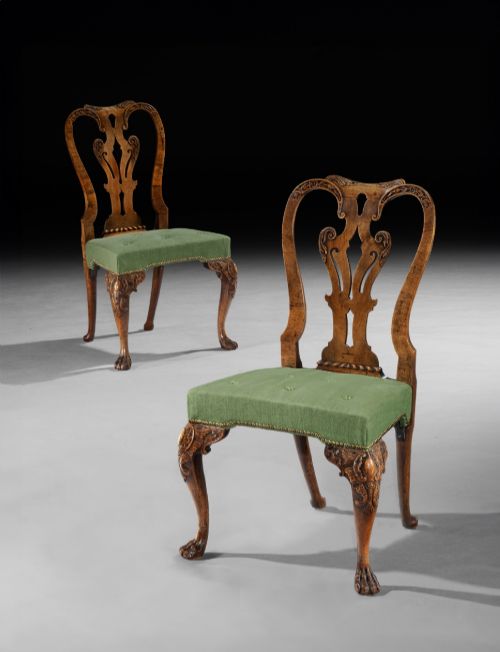
Queen Anne walnut chairs typically feature shaped splat backs, cabriole legs ending in pad or slipper feet, and smooth undulating seat rails.
The timber often displays rich grain patterns without heavy ornamentation, relying on the graceful curves of the wood itself to define the aesthetic.
What is the difference between an armchair and a nursing chair?
Armchairs provide full arm supports and a wider seating area designed for general relaxation in public rooms. Nursing chairs sit lower to the ground and usually lack arms to accommodate bulky Victorian dresses.
Nursing chairs were traditionally placed in bedrooms or private sitting areas, featuring compact frames that occupy less floor space.
Can I use antique walnut chairs in a modern room?
Antique walnut chairs adapt well to contemporary interiors because the dark timber grain and traditional silhouettes provide visual contrast against neutral walls. Pairing different periods creates layered, collected spaces.
Placing matching occasional chairs in a hallway or corner brings functionality alongside historical texture without overwhelming a minimalist layout.
How should I care for walnut wood frames?
Walnut timber benefits from minimal intervention, requiring only occasional dusting with a soft, dry cloth to remove surface particles. Avoid placing wooden chairs near direct heat sources or strong sunlight to prevent timber splitting.
Applying specialised wax sparingly helps nourish the grain and maintain the natural lustre of the finish over time.