


Pair Urn Table Lamps
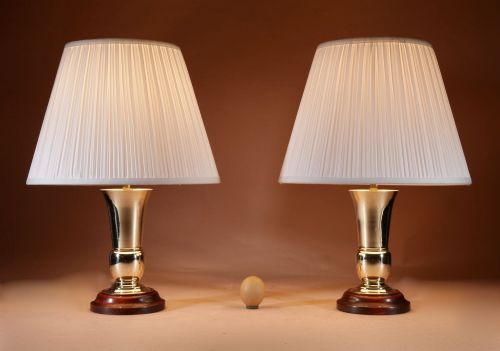
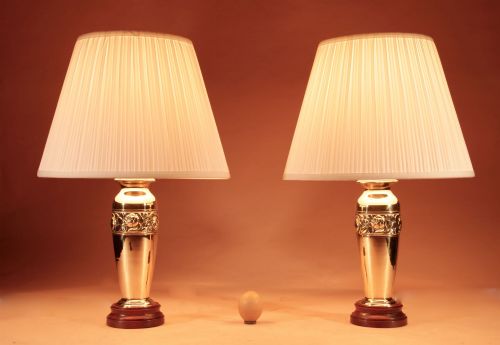
Pair urn table lamps bring classical symmetry and warm illumination to a room, using converted vessels and architectural forms to anchor a mantel or sideboard.
Pair Urn Table Lamps
When you search for pair urn table lamps, you are looking at symmetrical sets of decorative vessels, architectural columns, and candelabra adapted for modern electrical lighting. These matched objects originate predominantly from the nineteenth and early twentieth centuries, spanning periods from the Victorian era through the Art Deco movement.
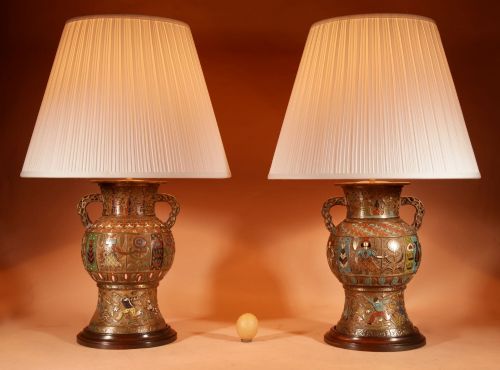
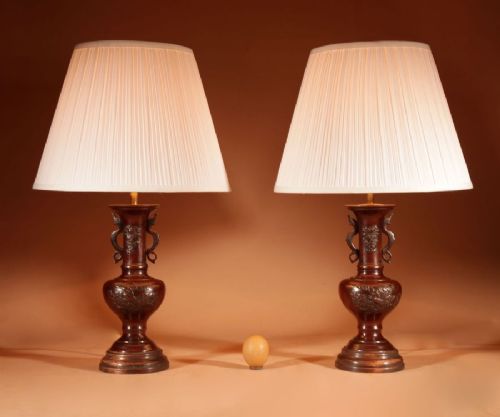
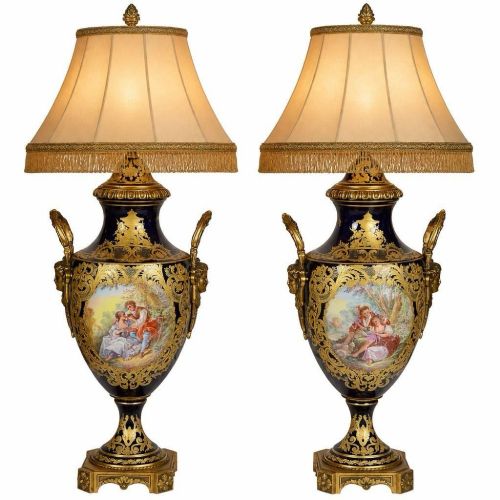
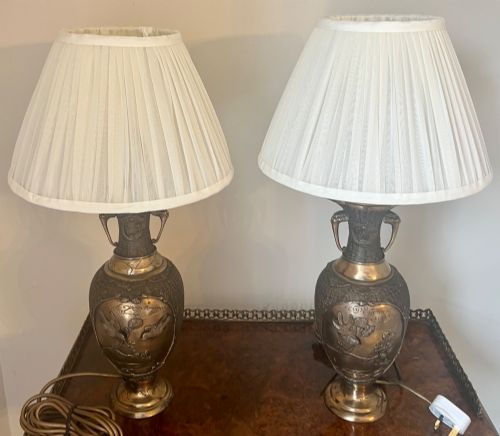
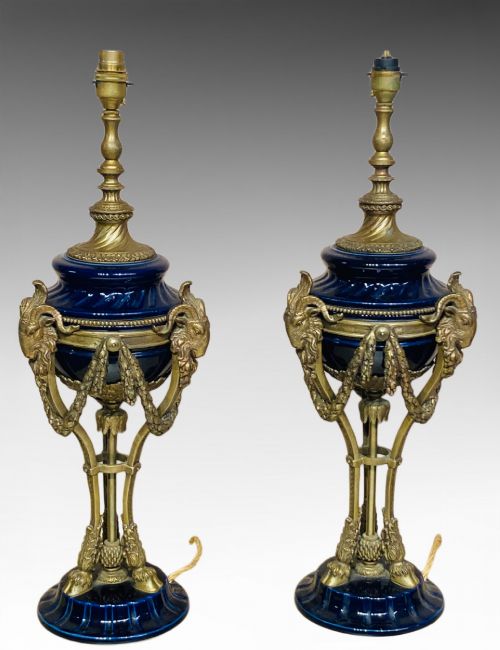
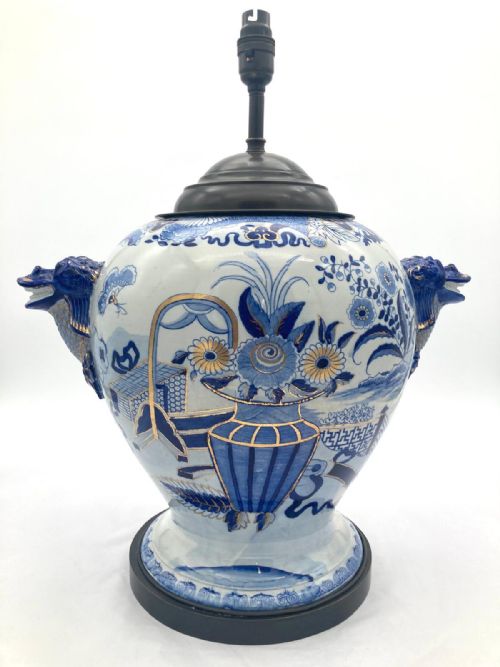
The versions you are most likely to encounter on this page combine classical European urn shapes with functional lighting, often drawing inspiration from French Neoclassical, Louis XVI, and Japanese Meiji aesthetics. Makers frequently repurposed antique porcelain vases, bronze ewers, and marble cassolettes into matched lighting pairs during later decades.
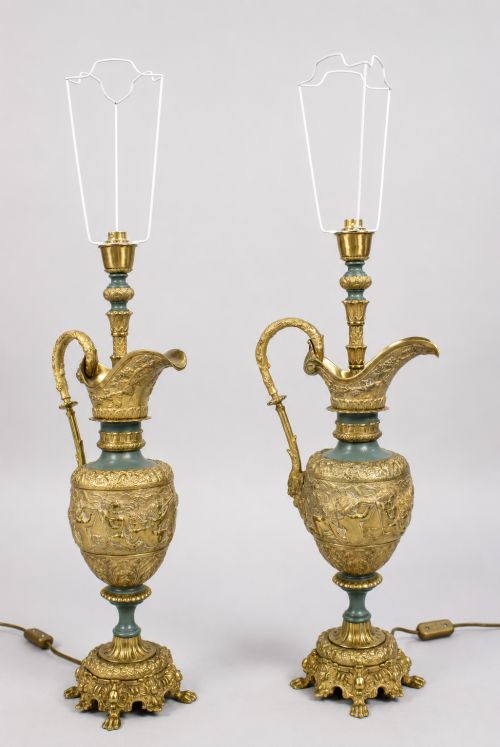
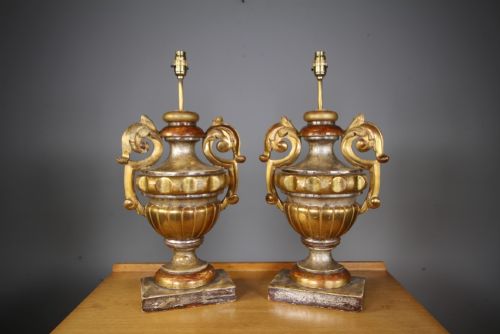
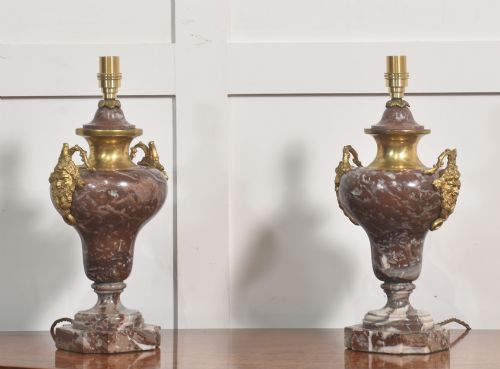
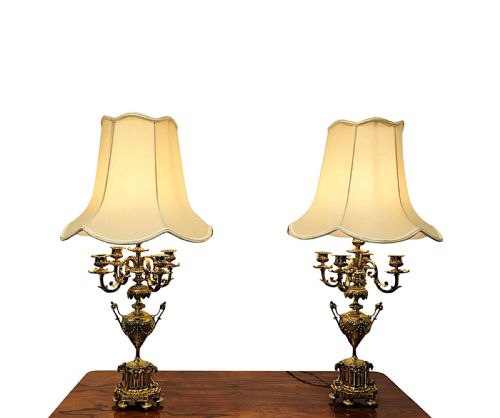
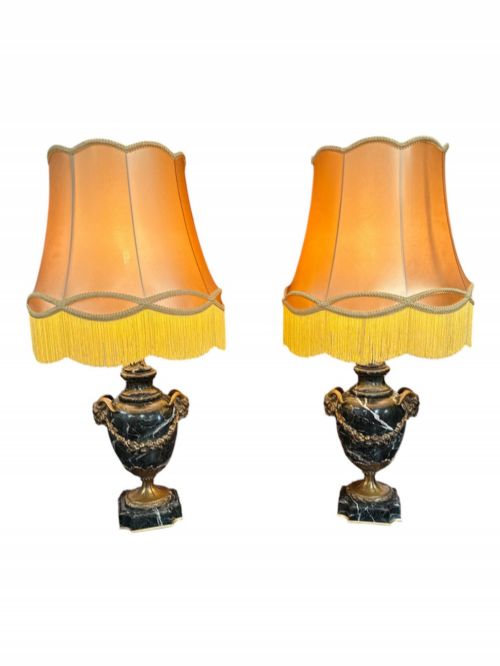
Forms range from slender Japanese bronzes and Satsuma pottery to heavy French rouge marble mounts and gilt brass candelabra. Many specimens retain remnants of their earlier lives as oil lamps, vases, or desk ornaments before receiving wiring and fabric shades.
Materials and construction
Carved stone and cast metal provide the heavy foundations for these matched sets, utilising marble, alabaster, onyx, and bronze alongside spun or cast brass. Artisans mounted these solid bodies upon gilt metal bases, securing porcelain bodies with threaded rods and retaining nuts.
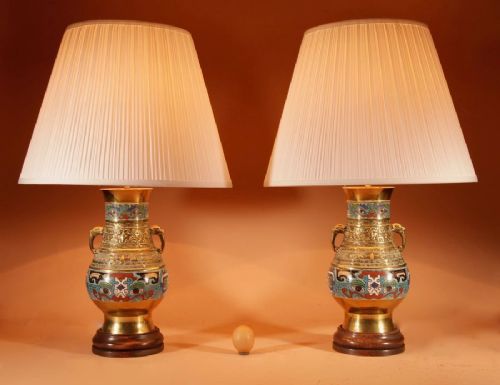
Decorative surface work combines hand-painted enamels, champlevé detailing, and moulded plaster with applied ormolu mounts and fire-gilt bronze details. Turned woodwork in walnut, mahogany, and oak appears alongside glazed earthenware and ironstone bodies.
Conversion work involved drilling through stone, ceramic, or metal to thread electrical cable, occasionally adapting existing burner assemblies or candelabra arms to hold lamp holders and fabric shades.
Listings feature extensive nineteenth-century French and Japanese Meiji period examples, utilising marble, bronze, and ormolu.
Factors influencing quality
The distinction between ordinary and superior specimens rests on the crispness of the cast metal mounts and the depth of the stone carving. Heavy, finely chased ormolu and hand-turned timber outclass lighter, mass-produced plaster and pressed sheet brass.
Originality of the pairing and the integrity of the conversion dictate value among collectors. Matched heights, identical patination across both items, and the preservation of original ceramic glazes or bronze patinas set the finest examples apart from assembled pairs.
The Pair Urn Table Lamps Glossary
- Ormolu
- Gilt bronze mounted onto decorative objects. This technique involves applying a finely ground high-carat gold mercury amalgam to a bronze base before heating.
- Cassolette
- A decorative vase or urn with a reversible lid that functions either as a closed vessel or a candle holder. These dual-purpose pieces frequently form the body of fine antique lamps.
- Champlevé
- An enamelling technique where troughs are dug into a metal surface and filled with vitreous enamel powder before firing. Japanese and French specimens utilise this method for intricate surface patterns.
- Meiji Period
- The era in Japanese history spanning from 1868 to 1912, noted for high-relief bronze casting and decorative Satsuma ceramics exported to the West.
- Neoclassical
- A Western stylistic movement drawing inspiration from the classical art and architecture of ancient Greece and Rome. This aesthetic dominates the proportions and ornament of nineteenth-century French lighting.
Pair Urn Table Lamps: Frequently Asked Questions
What periods do these lamps date from?
Most specimens date from the nineteenth century through the early twentieth century, encompassing Victorian, Edwardian, and Art Deco periods.
Maker practices of converting older vases, urns, and candlesticks into lamps mean that the body of an object often predates its electrical conversion by several decades.
How do I style them at home?
Matched pairs provide natural symmetry when placed on either side of a fireplace mantel, sideboard, or large console table.
Their substantial height and decorative bases allow them to function as focal points in traditional or transitional interior schemes.
What materials are most common?
Brass, bronze, and various marbles form the primary structural materials across the majority of available lighting pairs.
Porcelain, earthenware, and turned wood also appear frequently, often accented with gilt metal mounts and handmade fabric shades.