

Pair Classical Table Lamps
Pair classical table lamps bring symmetry and historic weight to a room through traditional forms and enduring metals.
Pair Classical Table Lamps
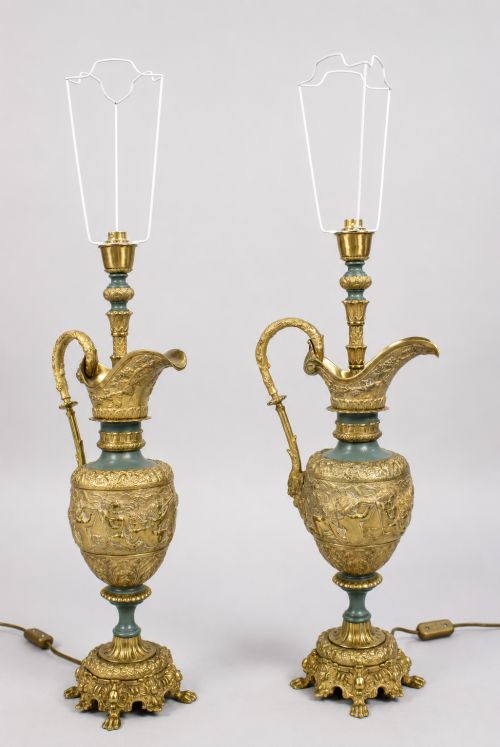
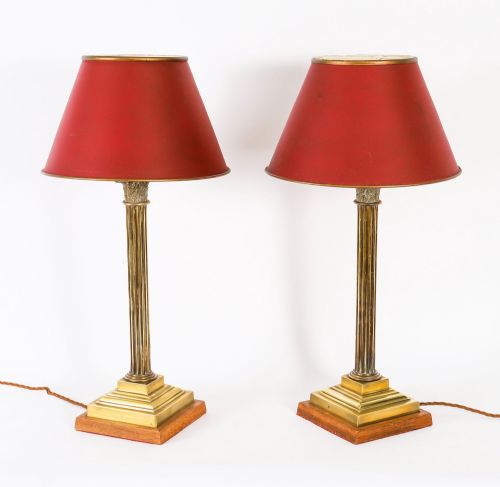
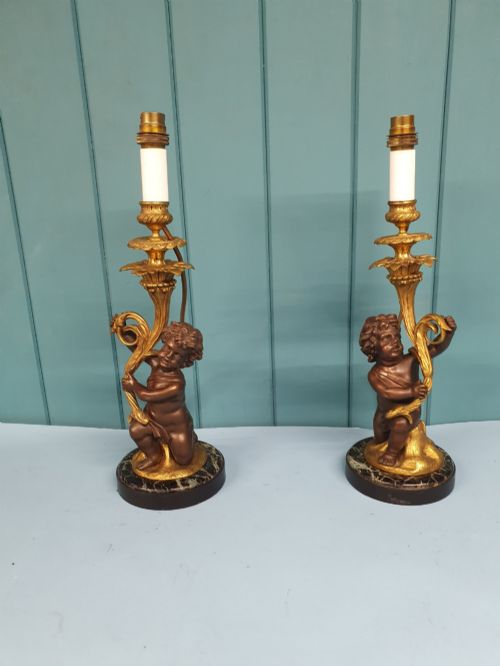
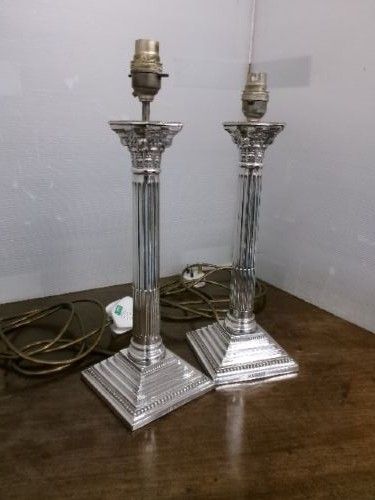
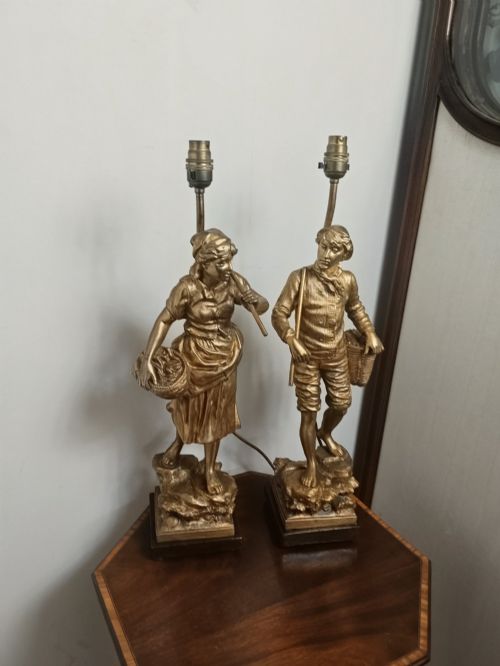
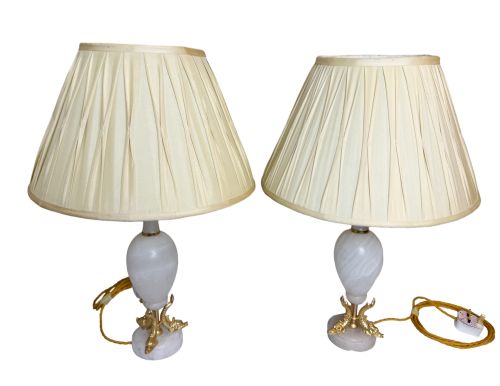
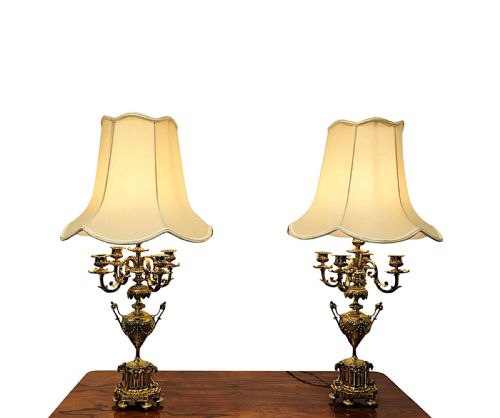
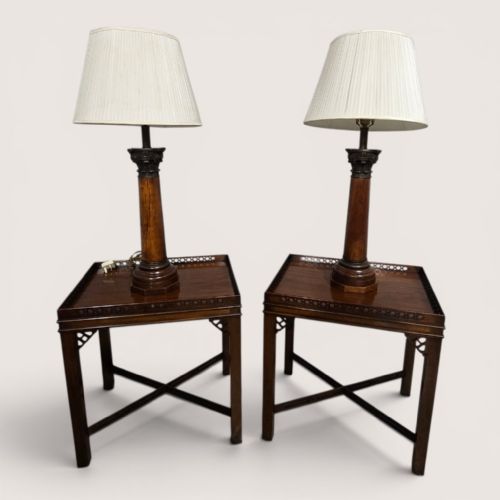
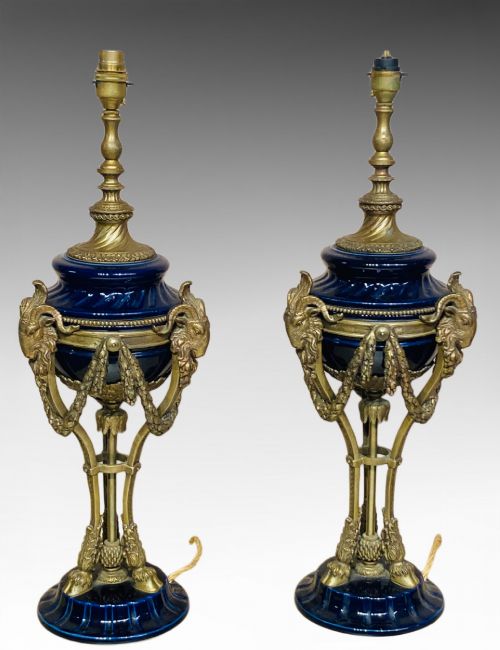
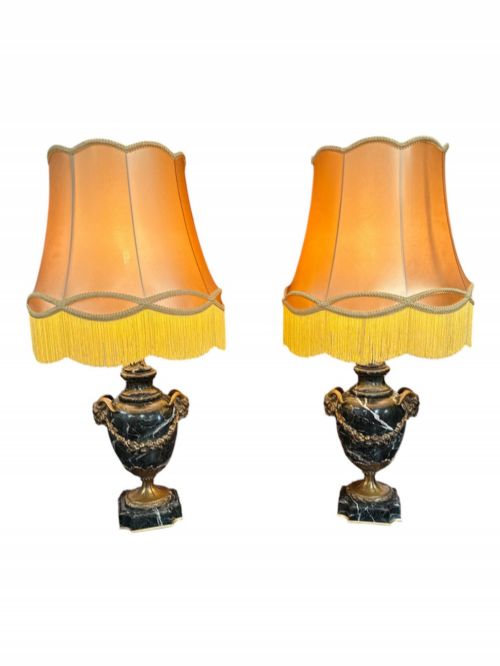
Pair classical table lamps combine antique symmetry with lighting utility, drawing heavily from the nineteenth century and early twentieth century. Buyers seeking this phrase encounter matched sets shaped as Corinthian columns, classical urns, and patinated bronze figures.
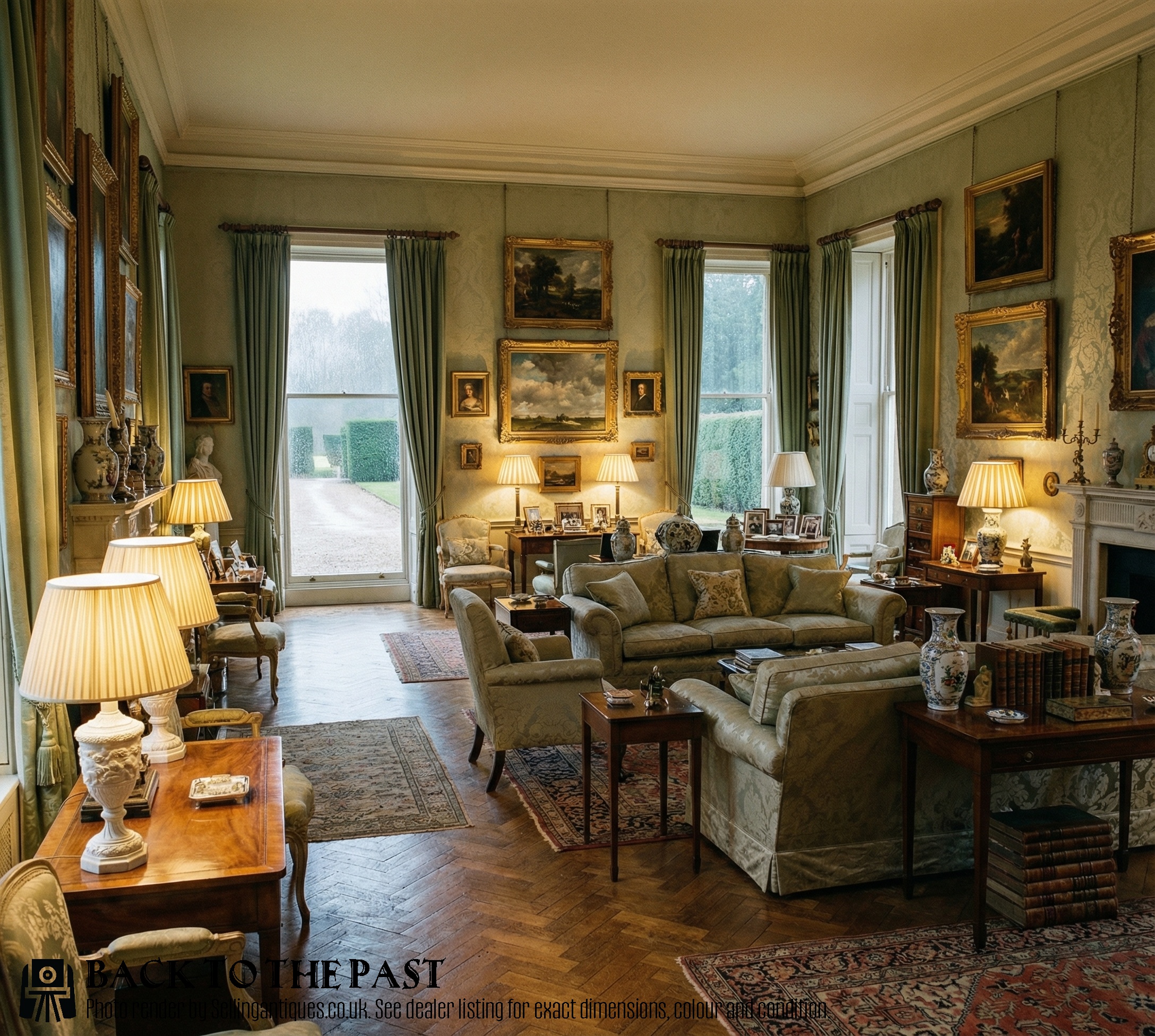
The aesthetic leans towards Neoclassical, French Empire, and Grand Regency styles, often incorporating converted candlesticks or oil lamps. These symmetrical pieces suit formal sideboards, mantelpieces, and bedside tables where balanced illumination is required.
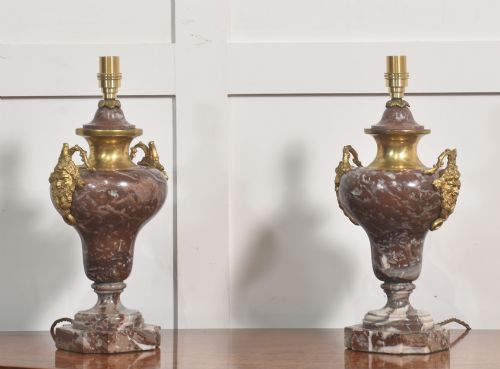
Originating largely from British and continental workshops, particularly French makers, these matched lights reflect classical architectural motifs. The selection ranges from robust brass columns to decorative marble and ormolu designs.
How they were made
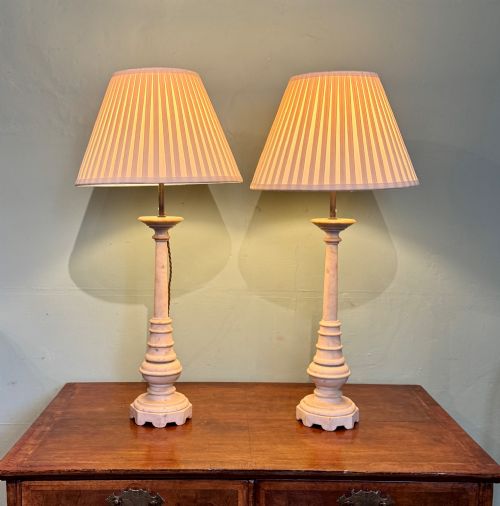
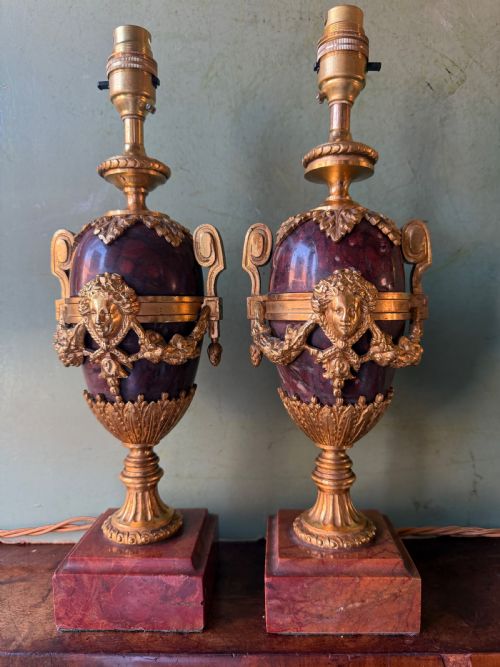
The physical construction relies on cast and turned metals such as brass, bronze, and ormolu, frequently paired with natural materials like rouge marble, white marble, and onyx. Artisans used heavy stone bases to anchor tall metal columns, ewers, and amphora forms.
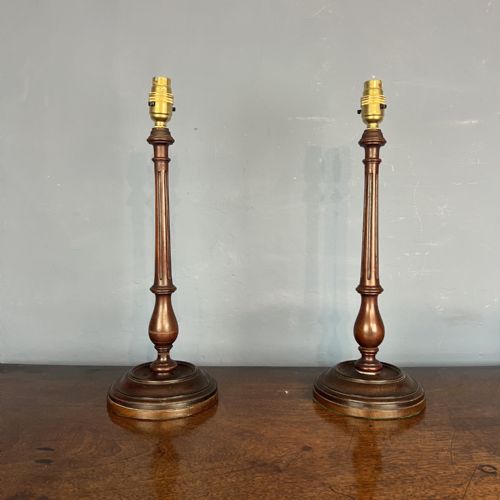
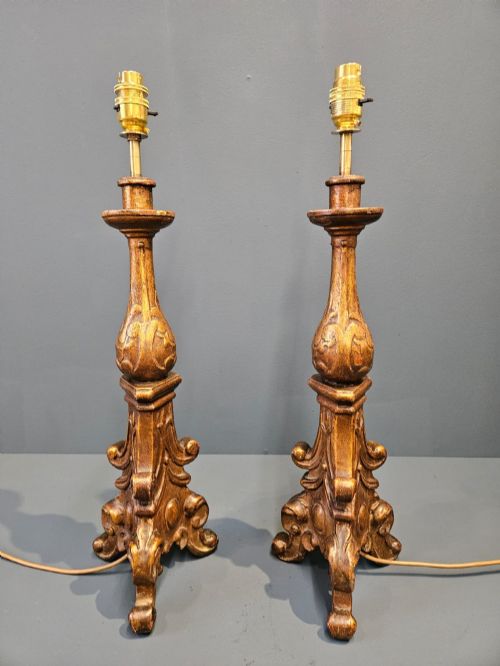
Gilding, silver plating, and patination were applied to metal surfaces to create rich tonal contrast against carved woodwork or glazed ceramics. Many examples began life as oil lamps, candelabra, or candlesticks before later conversion to electrical wiring.
Listings demonstrate materials including brass, marble, ormolu, and fabric across nineteenth and twentieth-century periods.
What varies in quality
Quality rests in the crispness of the casting detail on capitals and mounts, particularly where ormolu meets carved marble or polished bronze. Finer examples display deeply chased ornamentation and heavy, stable stone or metal bases rather than lightweight pressed components.
The integrity of the matched pair determines the desirability, noting whether the proportions, patination, and secondary materials correspond exactly. Superior workmanship shows in the clean integration of later electrical fittings without compromising the original antique structure.
E Rousseau
The Pair Classical Table Lamps Glossary
- Ormolu
- Gilded bronze mounts and decorative details popular in French furniture and lighting. This technique involves applying a finely ground high-carat gold mercury amalgam to bronze.
- Corinthian column
- An architectural column style featuring ornate capital decoration decorated with acanthus leaves. This form frequently appears on nineteenth-century brass lamp bases.
- Cassolette
- A decorative vessel or vase featuring a removable lid, often adapted into a lamp base. These pieces frequently combine marble bodies with metal mounts.
- Tole-peinte
- Painted or lacquered sheet metal used for decorative lamp bodies. This material provides smooth coloured surfaces characteristic of early twentieth-century lighting.
- Amphora
- A two-handled ancient vessel shape utilised as a template for classical lamp bodies. Bronze and terracotta versions translate this ancient silhouette into domestic illumination.
Pair Classical Table Lamps: Frequently Asked Questions
How are antique table lamps wired safely?
Rewiring usually involves running modern flex through the existing central channel without altering the historical metal or stone structure. Professional electricians ensure the interior components meet current standards while preserving the original exterior appearance.
Older converted pieces may require careful internal bushing to protect the cord from rough metal edges inside the ancient shaft.
Can I replace the lamp shades safely?
Shades can be updated to suit modern interiors as long as the shade carrier or harp matches the existing fitting size. Fabric shades in neutral tones or traditional silks complement the classical proportions of bronze and marble bases.
Proportions matter when selecting a replacement so that the shade does not overwhelm the slender column or urn beneath it.
How do I clean marble and ormolu?
Marble requires gentle wiping with a soft, damp cloth and neutral soap, avoiding harsh chemicals that strip polished finishes. Ormolu and gilt metal benefit from dry dusting with a soft brush to protect the delicate metallic surface.
Moisture should be kept away from antique electrical components and aged felt bases during routine maintenance.