


Bronze Urn Bedside Lamps
These bronze urn bedside lamps bring classical dignity and warm light to a room, drawing on centuries-old vessel forms re-imagined for evening illumination.
Bronze Urn Bedside Lamps
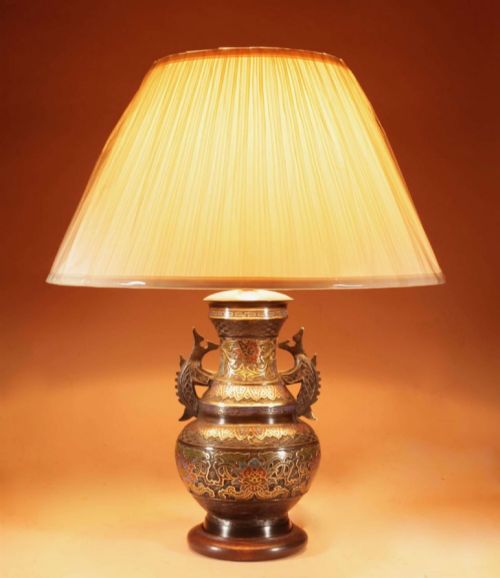
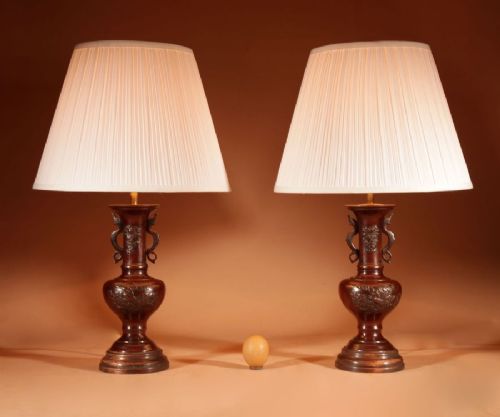
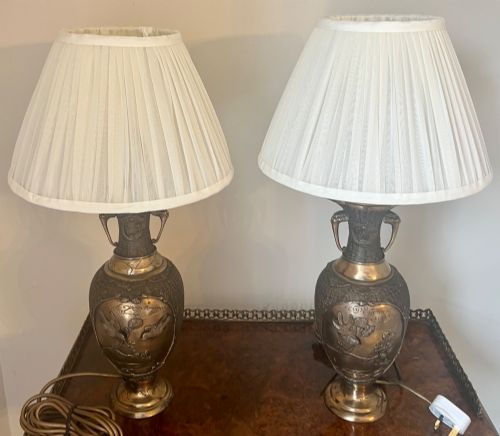
Bronze urn bedside lamps take traditional vessel forms, including classical urns, vases, and cassolettes, and adapt them into functional lighting. These pieces emerge predominantly from nineteenth and early twentieth century European and Japanese workshops.
Materials and Construction
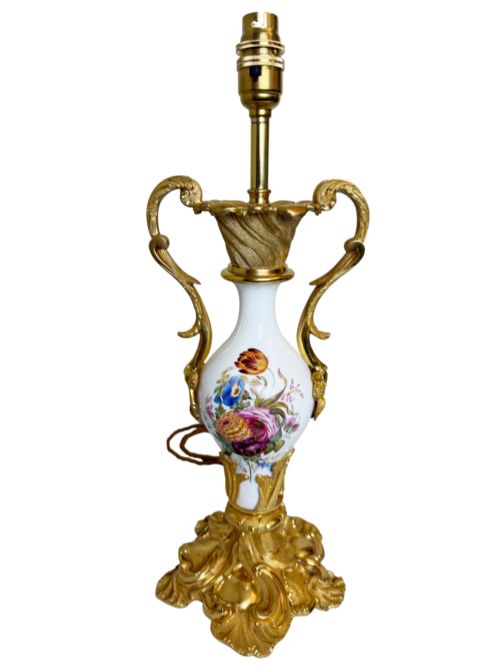
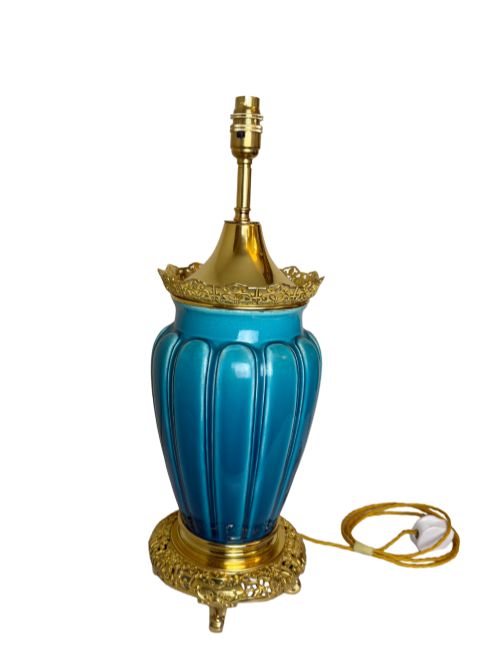
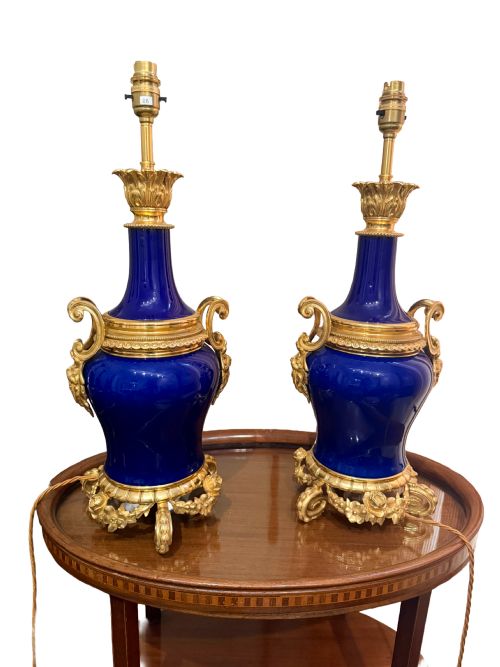
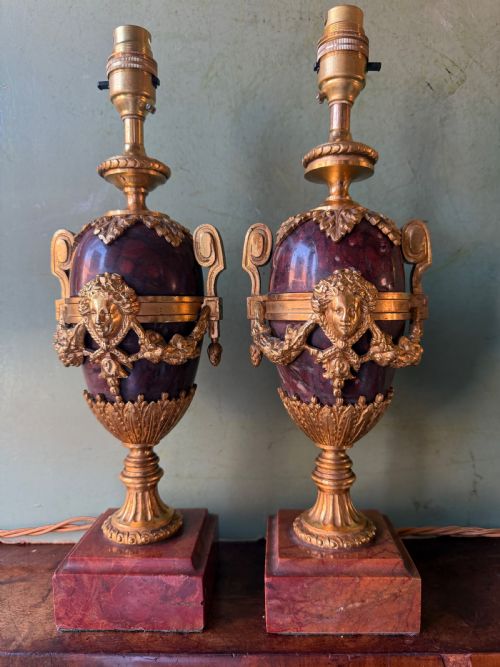
Foundries cast the primary bodies in bronze, brass, or spelter, often finishing the surfaces with fire gilding or ormolu mounts. Artisans frequently combine these metal elements with contrasting materials such as marble, porcelain, and hand-painted glass.
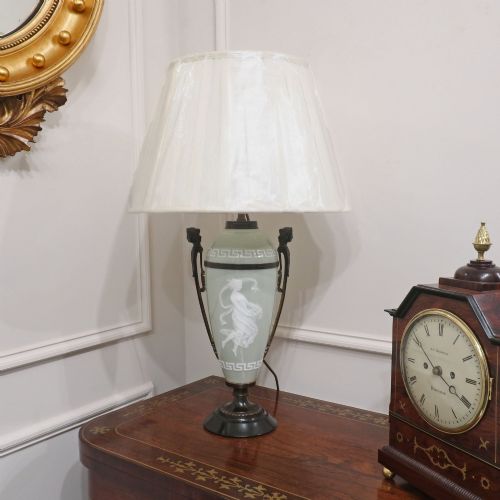
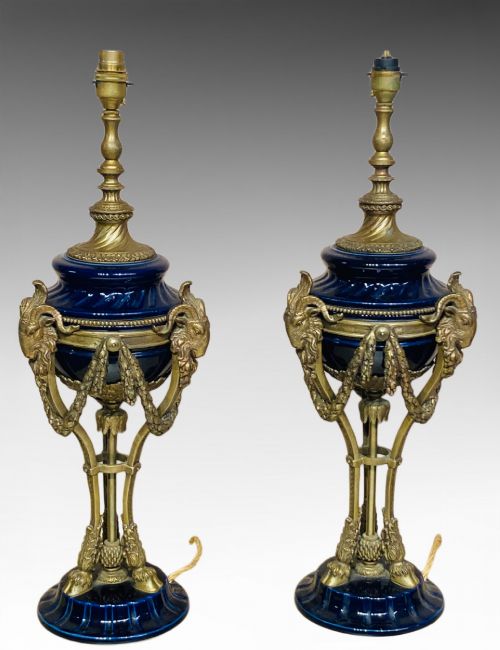
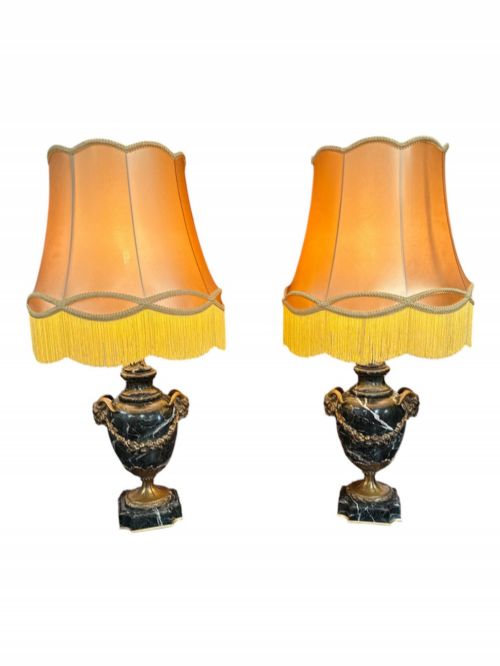
Porcelain bodies incorporate cobalt blue glazes, pate sur pate decoration, and Sèvres style hand-painted panels. Marble bases and urn sections employ varieties like rouge, green, and Siena marble, anchored by cast metal feet and collars.
Listings feature nineteenth century and early twentieth century designs, spanning French Neoclassical, Louis XVI, and Meiji period Japanese aesthetics.
Evaluating the Pieces
The distinction between standard domestic lighting and finer examples lies in the crispness of the metal chasing and the depth of the ormolu gilding. Superior castings retain sharp relief on acanthus leaves, beaded borders, and figural mounts.
The integration of the electrical fittings into the antique vessel body matters significantly. The finest conversions respect the original silhouette and proportions of the urn without drilling through primary decorative focal points.
The Bronze Urn Bedside Lamps Glossary
- Ormolu
- Gilded bronze, produced by applying a mercury and gold amalgam to a bronze base and heating it. This technique creates a durable, warm golden finish characteristic of French decorative arts.
- Cassolette
- A decorative vessel shaped like an urn, featuring a reversible lid that functions either as a solid cover or a incense burner. In lighting, these vessels are frequently mounted as lamp bases.
- Pate sur pate
- A ceramic decorating technique where white porcelain slip is applied in successive layers to a coloured clay body to create a low relief cameo effect.
- Spelter
- An alloy of zinc and other metals used as a less expensive substitute for bronze in nineteenth century castings. It is softer than bronze and typically receives a bronze-toned painted finish.
- Ewer
- A large pitcher with a wide spout and a curved handle, traditionally used for pouring water. Antique examples are often converted into table lamps.
Bronze Urn Bedside Lamps: Frequently Asked Questions
How do I choose the right lampshade?
Select a shade that complements the classical proportions of the urn base without overwhelming the metal mounts and handles. A simple fabric empire or drum shade in a neutral tone lets the ornate bronze and porcelain details remain the visual focus.
Ensure the drop of the shade conceals the lamp cluster while allowing the switch or pull to remain easily accessible for bedside use.
Are these lamps wired for modern sockets?
Most antique lamps of this period have been rewired at various points in their history to meet contemporary electrical standards. It remains prudent to have a qualified electrician inspect older wiring before regular daily use.
Conversion methods vary, so check whether the cord exits through the base or requires a specialised bushing to protect the antique material.
How do I clean ormolu and bronze?
Dust these surfaces gently with a soft, dry microfibre cloth to prevent the accumulation of grit in the chased recesses. Avoid commercial brass polishes, as abrasive compounds strip away thin layers of historical gilding and ormolu.
Marble elements benefit from a wipe with a damp cloth followed immediately by drying, taking care to keep moisture away from fabric components and electrical connections.