



Green Bronze Table Lamp
A green bronze table lamp brings depth and weight to a room, combining cast metal with patinated surfaces and period forms.
Green Bronze Table Lamp
When you search for a green bronze table lamp, you encounter pieces that span the nineteenth and twentieth centuries, often rooted in Neoclassical, Victorian, and Art Nouveau traditions. These objects frequently originate as converted oil lamps, mounted porcelain vases, or cast metal figures adapted for modern lighting.
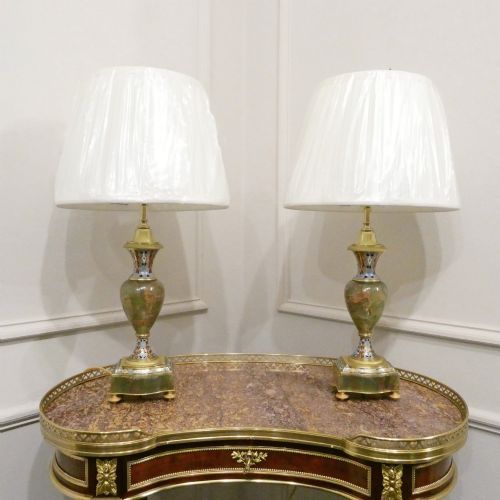
The selection on this page relies heavily on French and Chinese aesthetics, bringing together Louis XVI style ormolu mounts, Cantonese porcelain, and cold painted bronze. Forms range from slender urn bases to figurative mood lamps and adjustable bouillotte desk lamps.
Many examples incorporate mixed media, pairing bronze with marble, onyx, glass, and fabric shades. Whether you select a single statement base or a matched pair, these pieces carry the substantial presence of earlier craftsmanship.
What varies in quality
Quality rests in the crispness of the casting and the depth of the patination on the bronze. Finer examples display sharp chasing and careful hand-finishing that accentuate the details of foliage, figures, or classical motifs.
The integration of mixed materials also defines the upper tier of pieces. Seamless joins between bronze mounts and marble, onyx, or porcelain indicate superior workshop assembly rather than hasty adaptation.
Listings feature materials including bronze, ormolu, porcelain, marble, and onyx across periods ranging from the early nineteenth century through the Art Deco era.
L and F Moreau
The Green Bronze Table Lamp Glossary
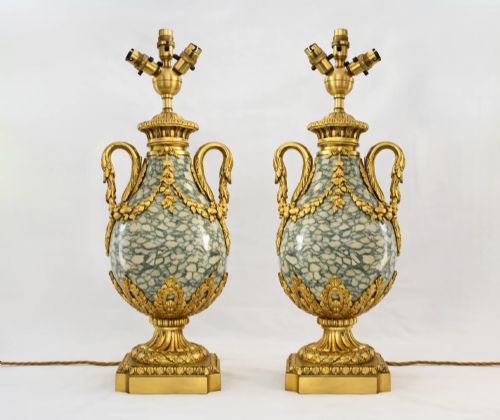
- Ormolu
- Gilt bronze, where a layer of gold is applied to a bronze base using a mercury amalgam or electroplating technique. It provides a bright, durable golden contrast against dark patinated bronze.
- Champlevé
- An enamelling technique where troughs or cells are carved into the surface of the metal and filled with vitreous enamel before firing. It frequently appears on nineteenth-century French decorative objects.
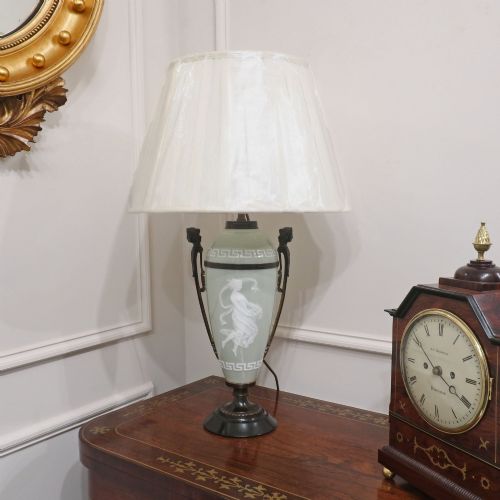
- Pâte-sur-pâte
- A ceramic decorating method where successive layers of liquid clay slip are built up on a porcelain body to create a low relief cameo effect. This technique was favoured by fine European porcelain manufacturers.
- Cassolette
- A decorative ornamental vase or urn, often fitted with a reversible lid that functions either as a solid cover or a burner. In lighting, these vessels are frequently mounted as lamp bases.
- Bouillotte
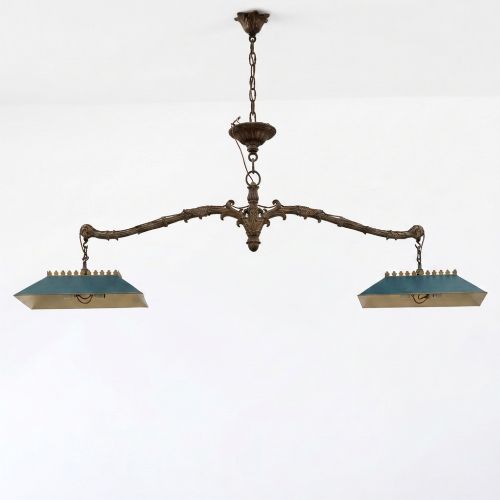
- A traditional French adjustable desk lamp featuring a central metal shaft, a green tole shade, and a shallow dish base for holding small items. The shade height is typically regulated by a key or sliding collar.
Green Bronze Table Lamp: Frequently Asked Questions
Are these lamps originally electric?
Most pieces from the nineteenth and early twentieth centuries began life as oil lamps, vases, or desk lights before later conversion to electricity. This adaptation process preserves the decorative antique base while integrating modern wiring.
When evaluating a converted piece, look closely at how the wiring enters the body to ensure the original metalwork or porcelain remains unaltered.
How do I date a bronze lamp?
Dating relies on stylistic clues, casting methods, and the materials paired with the bronze. Pieces displaying Neoclassical or Louis XVI motifs often point to nineteenth-century revival periods rather than the eighteenth century.
Examining the construction of the mounts, the type of threading, and any maker marks helps narrow down the decade of production.
Can I use standard lampshades with these bases?
Many antique bases accept standard modern shades provided the harp or carrier matches the fitting size. However, heavier or more ornate bases often dictate specific shade styles, such as pleated fabric or traditional tole.
Matching the scale of the shade to the substantial weight of a bronze and marble base ensures visual balance.
How should I clean patinated bronze?
Patinated bronze requires gentle dusting with a soft, dry cloth to prevent the accumulation of grime. Avoid abrasive cleaners, polishes, or chemical agents that can strip away the aged surface.
Preserving the original patina maintains both the character and the historical integrity of the metal.