

Neoclassical Urn Lighting
Neoclassical urn lighting brings classical form and warm illumination into a room, featuring distinct classical motifs and rich materials.
Neoclassical Urn Lighting
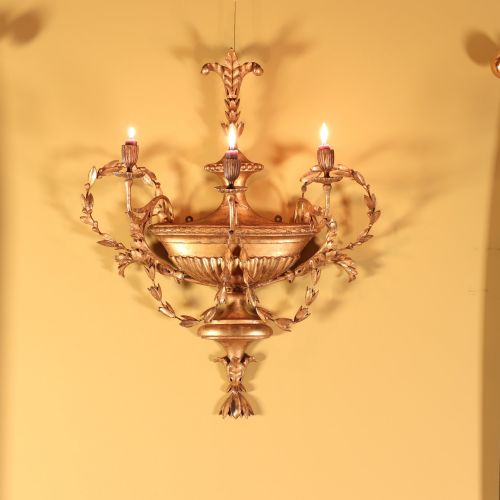
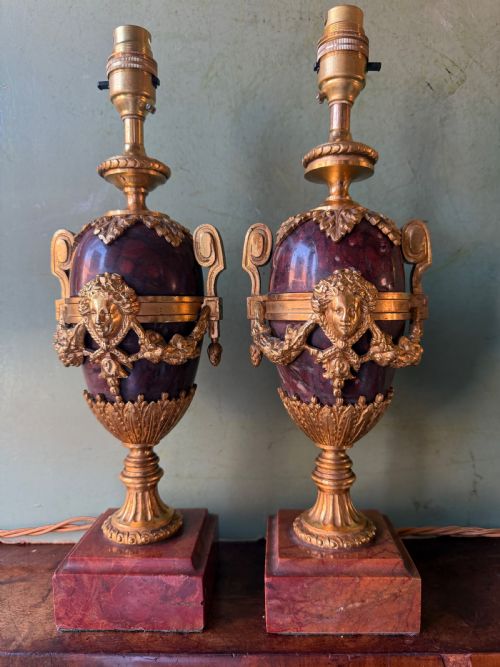
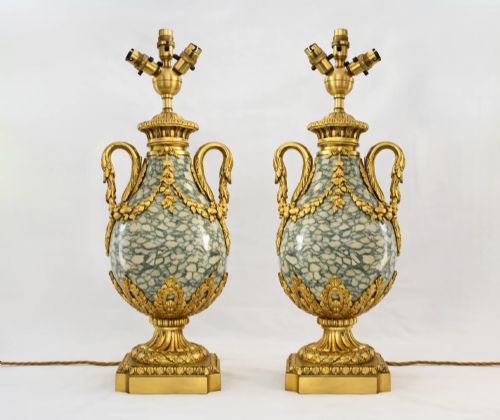
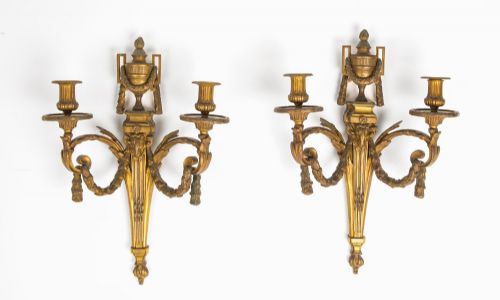
Neoclassical urn lighting encompasses table lamps, wall lights, and sconces shaped after antique vessels, drawing on classical antiquity and the French Louis XVI style. These pieces emerge predominantly from the nineteenth century and the early decades of the twentieth century, reflecting revivals of classical design across England, France, and Italy.
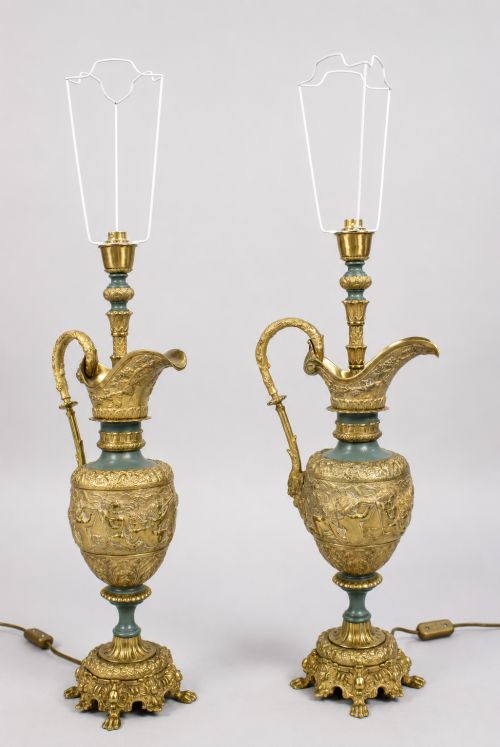
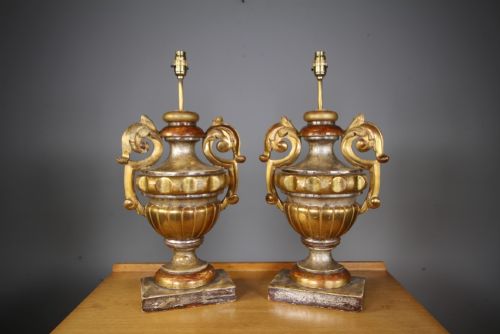
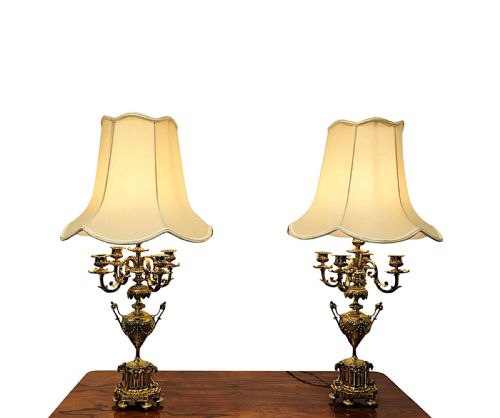
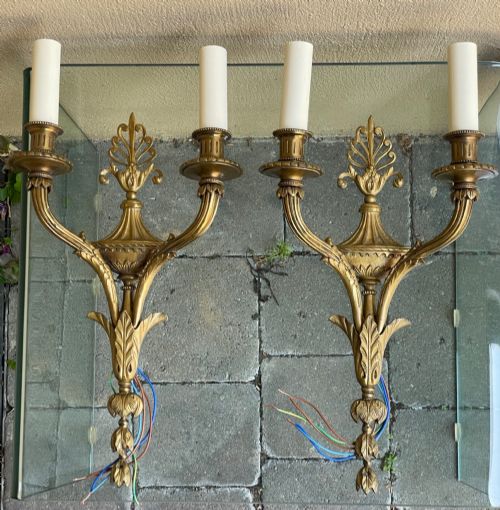
Buyers meet pairs of table lamps and wall lights most frequently on this page, often converted from earlier candelabras, oil lamps, or cassolettes. The forms rely on classical urn shapes, amphora profiles, and ewer bodies fitted with shades, fabric elements, or electrical fittings.
Originating in periods spanning the Victorian era through the nineteen-twenties, these fixtures unite classical ornamentation with functional lighting. The selection highlights French workshop designs alongside English and Italian examples.
Materials and construction
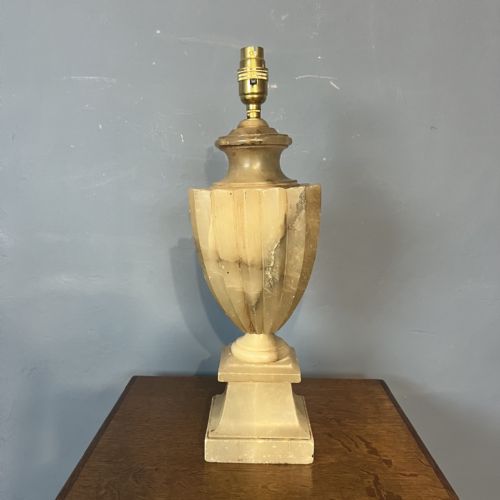
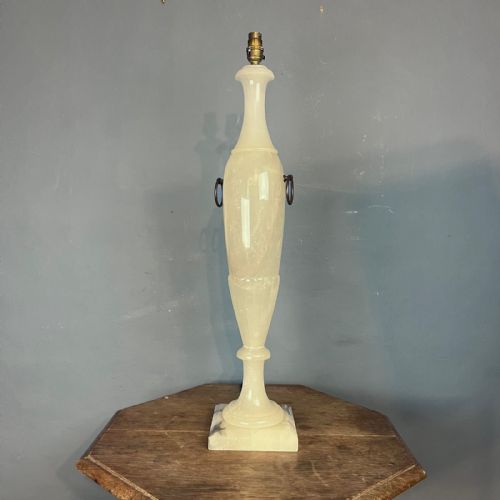
The construction of these pieces relies on combinations of cast metals, carved stone, and mounted metalwork. Makers paired marble, alabaster, and onyx bodies with ormolu, gilt bronze, brass, and gilt metal mounts, securing them with threaded rods and pins.
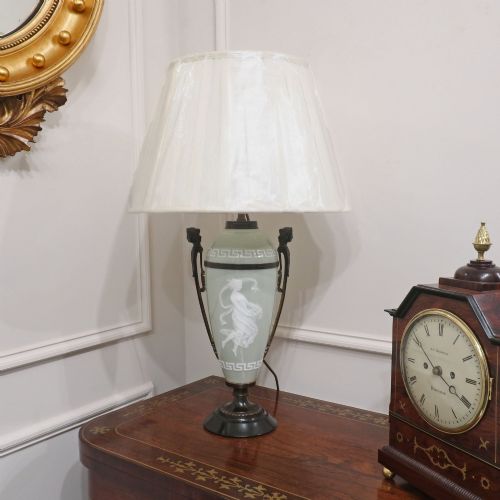
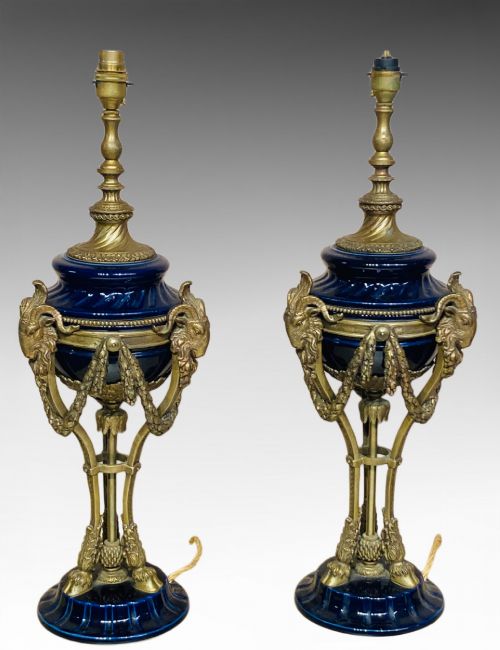
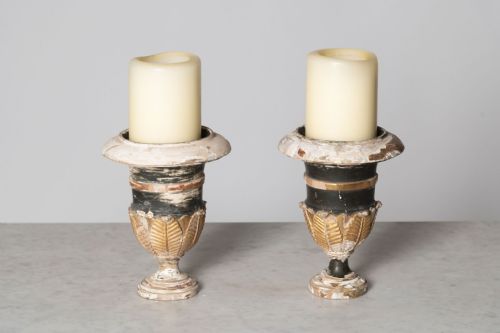
Surface decoration involved carving pine and giltwood, applying pate sur pate porcelain, or casting spelter and bronze with classical mask details. Many lighting pieces originated as non-electric candleholders, cassolettes, or oil lamps before receiving later electrical wiring and fabric shades.
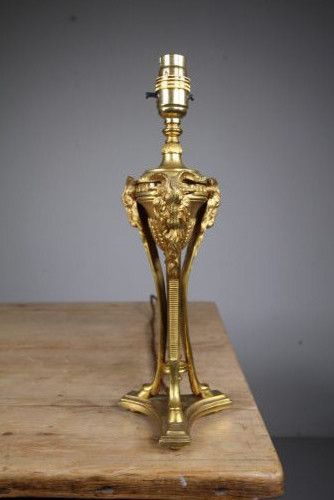
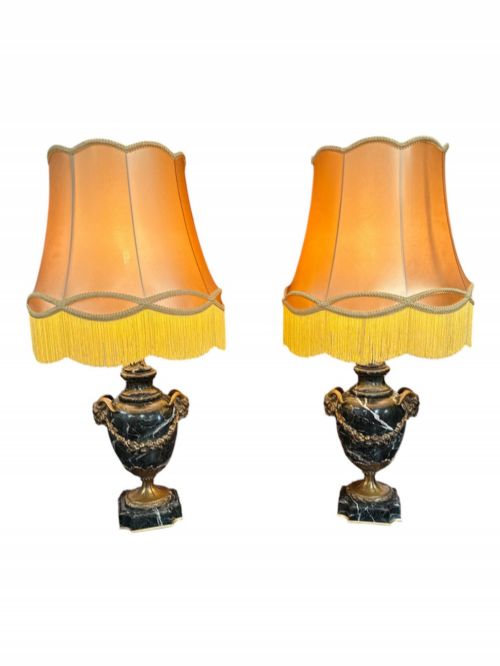
Several lamps feature carved ram's head masks keeping a steadfast, stony gaze across the sitting room.
Judgments of quality
Quality rests upon the crispness of the metal chasing, particularly on ram's head masks, paw feet, and acanthus leaf mounts. Finer examples display deeply carved alabaster or carefully turned rouge marble rather than cast plaster or painted substitutes.
Proportion and architectural balance dictate the success of the urn form, separating standard production pieces from masterworks of the Louis XVI revival. The integration of ormolu mounts to marble bodies reveals the precision of the bronzier.
Harrison Brothers & Howson
The Neoclassical Urn Lighting Glossary
- Ormolu
- Gilt bronze mounted on decorative objects, created through an amalgam of mercury and gold applied to bronze. This technique produced a durable golden finish favoured by French makers.
- Cassolette
- A decorative vessel shaped like an urn, designed with a reversible lid that functioned either as a vase or a perfume burner. Many were later converted into table lamps.
- Alabaster
- A fine-grained translucent stone used for turning lamp bodies and urns, prized for its ability to diffuse light softly. It appears frequently in early twentieth-century Italian pieces.
- Ewer
- A large jug with a wide spout and handle, adapted in these listings into table lamp bases featuring classical profiles.
- Pate sur pate
- A ceramic decoration technique where layers of white slip are built upon a coloured clay body to create a low relief cameo effect.
Neoclassical Urn Lighting: Frequently Asked Questions
What is neoclassical urn lighting?
Neoclassical urn lighting consists of lamps and wall sconces shaped like classical vessels, drawing on antique forms and eighteenth-century revival styles. These pieces combine stone or metal bodies with electrical fittings.
They serve as functional interior lights while retaining the sculptural qualities of classical decorative arts.
Were these always electric lamps?
Most pieces began life as oil lamps, candelabras, candlesticks, or cassolettes before receiving electrical conversions in later decades. The original vessels were adapted to house modern wiring and lamp holders.
This conversion process preserves the antique body while updating the object for contemporary domestic use.
Where should I place wall lights?
Wall lights and sconces suit flanking positions around mirrors, fireplaces, or architectural doorways within a room. Their twin-arm or single-branch formats project ambient illumination across the wall surface.
Consider the height of the ceiling and the scale of the urn backplate when determining placement.