



Patinated Bronze Lamp Base
A patinated bronze lamp base brings depth and historic weight to a room, offering tactile metalwork shaped by decades of handling.
Patinated Bronze Lamp Base
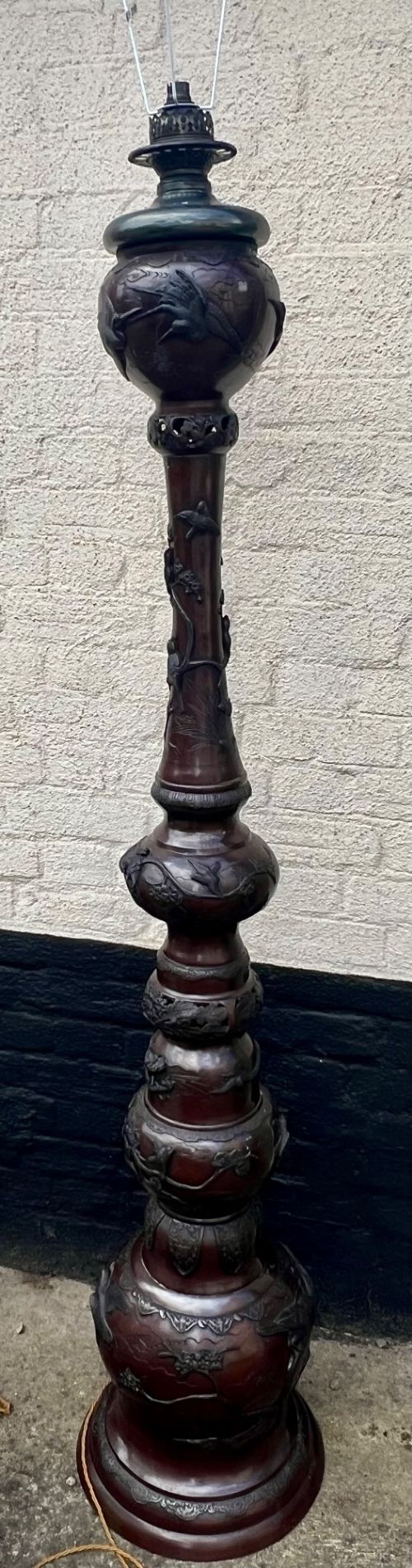
When you search for a patinated bronze lamp base, you are looking at metal lighting fixtures shaped across the nineteenth and twentieth centuries, encompassing table lamps, floor lamps, and height-adjustable designs. These pieces range from compact boudoir lights to substantial floor-standing columns designed to anchor a room.
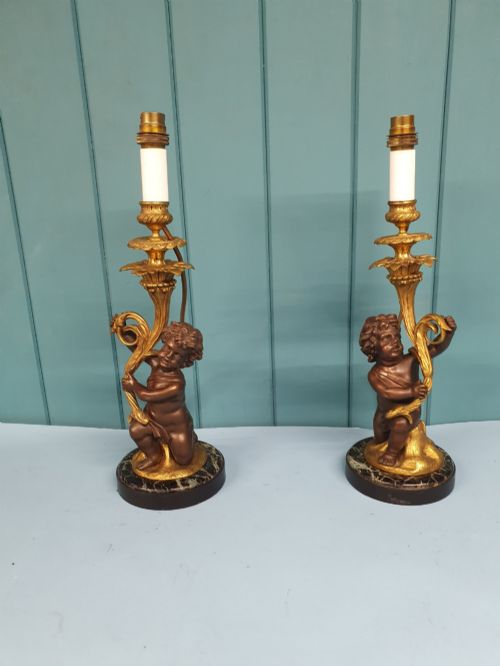
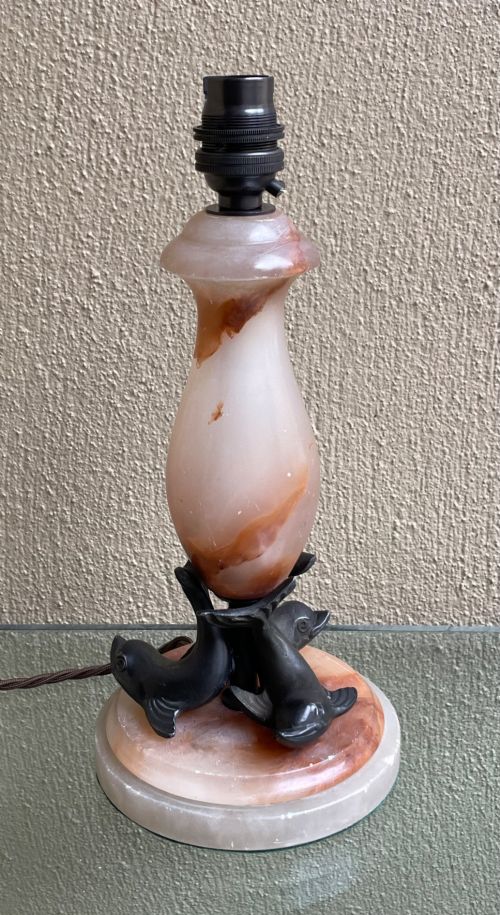
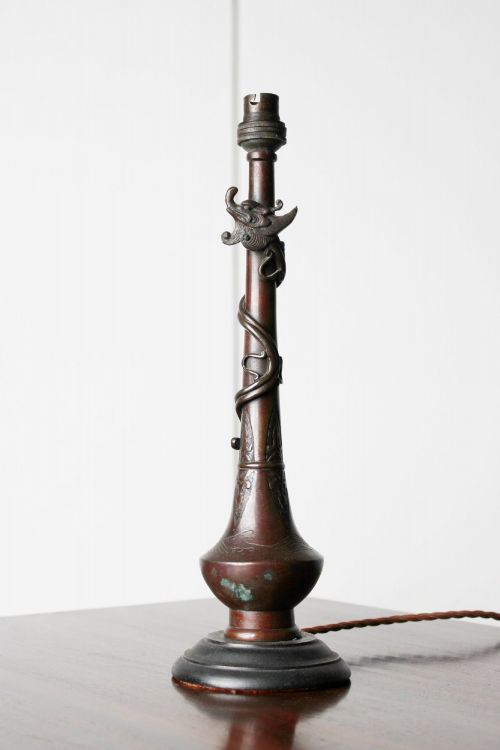
You are most likely to meet examples drawing on French Empire, Art Deco, and Japanese Meiji aesthetics within this selection. Forms vary from simple classical columns and cherub figures to dragons, elephants, and dolphins.
Materials extend beyond pure metal to include combinations of bronze with marble, alabaster, ormolu, and gilt bronze. Many retain their original dark or verdigris surface treatments applied to age the metal.
How they were made
The construction relies on traditional metal casting techniques, primarily sand casting or lost-wax casting, which allowed founders to capture intricate details in the bronze, brass, or patinated metal. Artisans then finished the raw castings by hand, filing seams and applying chemical patination to darken or colour the surfaces.
Many bases combine cast bronze with secondary materials such as carved marble, alabaster, or gilt ormolu mounts. These composite pieces required specialist joinery to secure heavy stone components safely to metal stems and weighted bases.
Materials paired with bronze across these pieces include marble, alabaster, brass, and gilt ormolu.
What varies in quality
The integrity of the patination and the quality of the mixed materials also separate standard production from finer work. Heavier gauge metal, well-fitted marble or alabaster sections, and genuine period fire-gilding or original patination command greater regard than later surface resprays.
Tiffany Studios NYC·P. Sega
The Patinated Bronze Lamp Base Glossary
- Patinated bronze
- Bronze that has been treated with chemical solutions to produce a darkened, aged, or coloured surface finish. This layer protects the underlying metal while adding visual depth.
- Ormolu
- Finely ground high-carat gold applied to a bronze object using a mercury amalgamation technique. It produces a rich, durable golden finish common on nineteenth-century French pieces.
- Bauhaus Style
- An influential design approach originating in early twentieth-century Germany focusing on functionalism and industrial materials. It discarded ornamentation in favour of clean geometric lines.
- Chinoiserie
- European artistic styles reflecting Chinese decorative motifs and techniques. These designs often appeared on furniture and lighting during the Edwardian period.
Patinated Bronze Lamp Base: Frequently Asked Questions
How do I date a patinated bronze lamp base?
Dating relies on stylistic clues, casting methods, and material combinations. Art Deco pieces show geometric streamlining, whereas nineteenth-century items often employ classical revival motifs.
Examine the construction of the base, screws, and wiring channels. Older pieces frequently use hand-cut threads and heavy cast components rather than modern stamped parts.
Are these lamps safe to use today?
Most antique lighting requires rewiring to meet modern electrical safety standards. Have a qualified professional inspect and update the internal cord and bulb holder before regular use.
Retaining original components is possible while upgrading the internal wiring for safe daily operation.
How should I clean patinated bronze?
Dust the surface gently with a soft, dry cloth to prevent dirt accumulation. Avoid harsh chemical cleaners, polishes, or abrasive cloths that can strip away the historic patination.
Preserving the aged surface maintains both the historical integrity and the visual character of the metal.
Can I replace the shade on these lamps?
Replacing the shade is straightforward provided the fitter size matches the existing harp or gallery. Choose a shade proportioned to the weight and height of the base.
Fabric or parchment styles often complement antique bronze bases without overwhelming the sculptural metalwork.