

Vintage French Desk Lamp
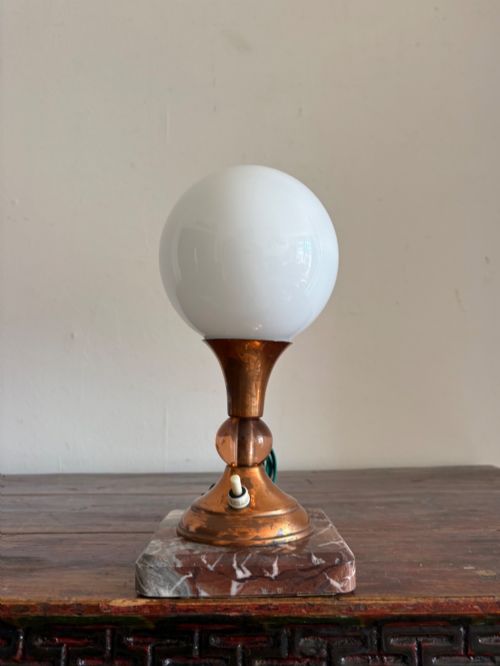
A vintage french desk lamp brings purposeful continental character to a study, casting focused light through heavy metal, marble, and opaline glass.
Vintage French Desk Lamp
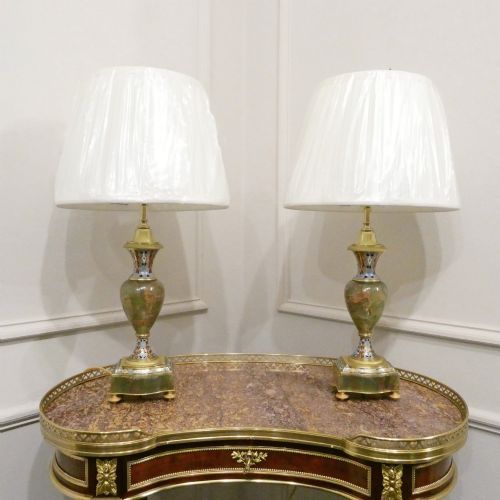
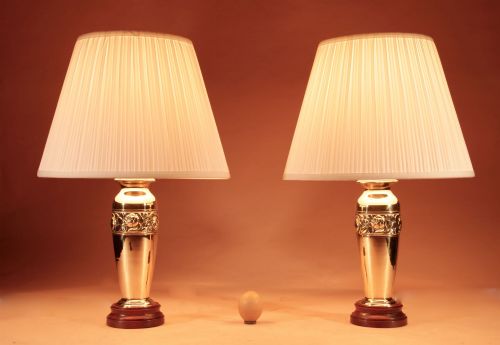
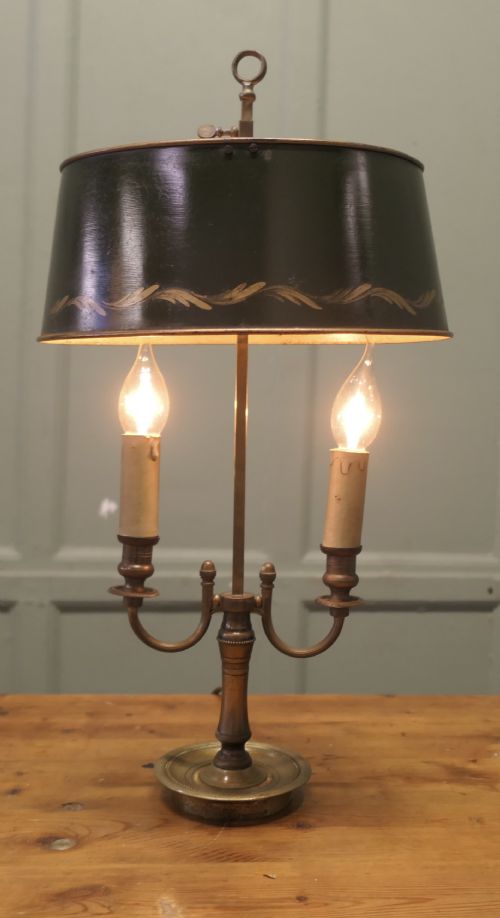
A vintage french desk lamp brings together task lighting and decorative craftsmanship, spanning periods from the nineteenth century through the art deco era. You encounter forms ranging from heavy brass bouillotte lamps with toleware shades to stylised copper designs mounted on marble bases.
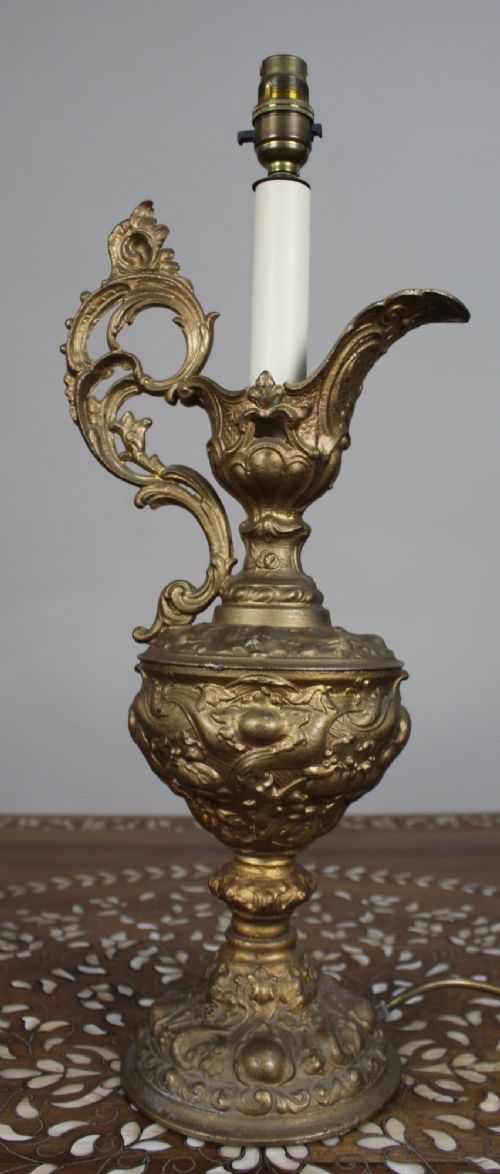
The selection here draws on styles such as art nouveau, neoclassical, and art deco, reflecting the changing tastes of French workshops. Many pieces adapt earlier lighting forms, turning traditional candlesticks or urns into electrical fixtures while retaining their original patination.
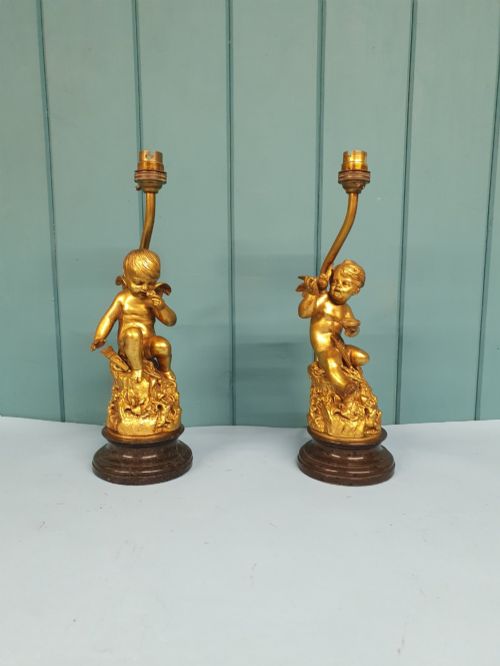
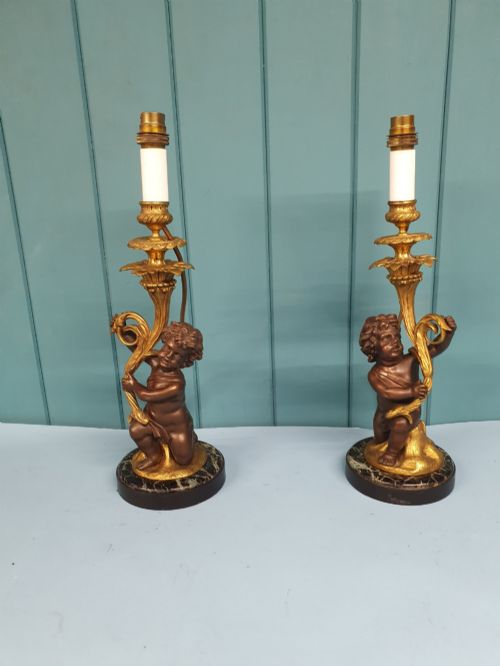
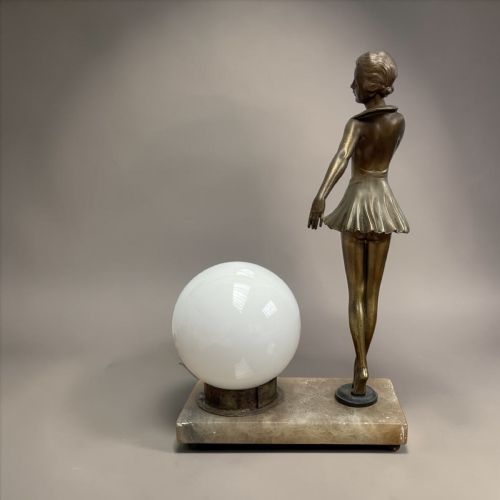
Makers and designers worked within distinct aesthetic movements, producing everything from utilitarian brass desk lamps to elaborate novelty pieces featuring animals and figurative bronzes. These objects combine functional illumination with the sculptural qualities characteristic of French interior metalwork.
Materials and construction methods
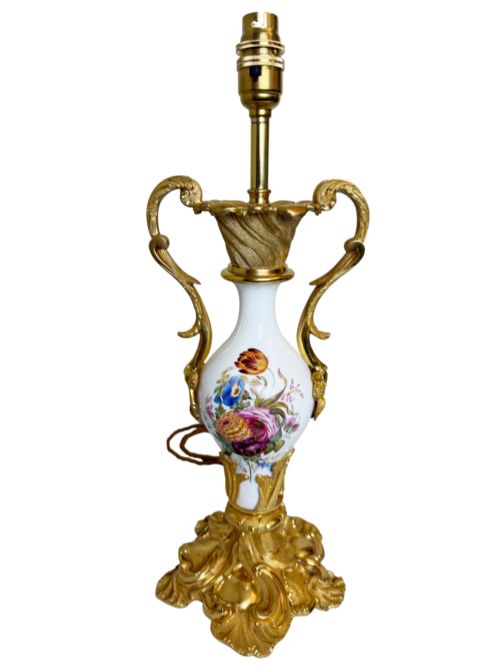
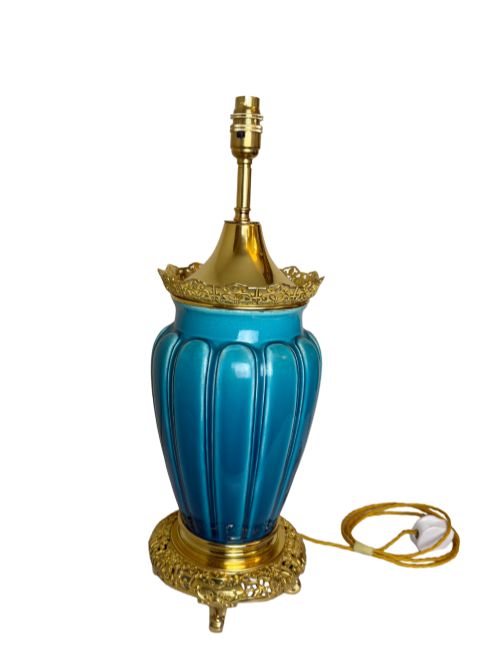
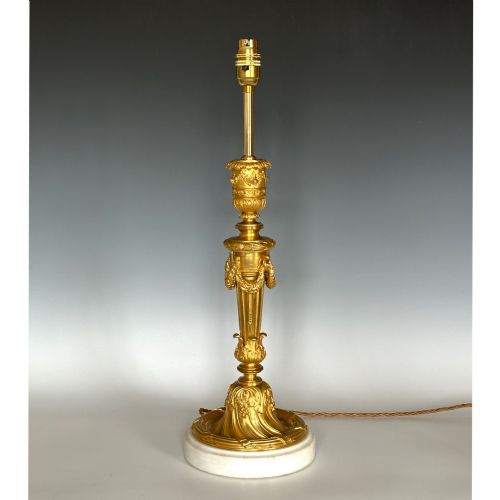
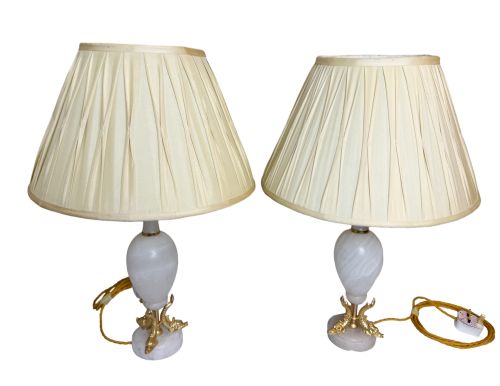
Foundry work relied on cast bronze, brass, ormolu, and gilt metal, often combined with carved marble, onyx, or porcelain bodies. Metal components show patinated, gilt, or patinated bronze finishes that reflect the prevailing decorative style of the period.
Glass elements range from moulded opaline and mottled art glass shades to cabochon inserts associated with specific glasshouses. Wiring and electrical conversion methods vary, as many surviving examples began life as oil lamps, candlesticks, or candelabra before later adaptation.
Listings incorporate nineteenth-century Victorian pieces alongside 1920s and 1930s art deco designs, utilising brass, bronze, marble, and fabric.
Distinguishing quality in French lighting
The standard of a piece rests on the crispness of the metal casting, the weight and selection of the marble or onyx base, and the integrity of the original surface finish. Finer examples display sharp chasing on ormolu mounts and carefully balanced proportions between the base and the shade.
Workmanship shows in the details of the assembly, such as the snug fit of porcelain inserts, the quality of patination on bronze, and the presence of signed glass or marked metalwork. Lesser items exhibit softer cast details, simpler turned metals, and less substantial structural materials.
Eileen Grey·Charles Schneider·Georges Leleu
The Vintage French Desk Lamp Glossary
- Ormolu
- Gilded bronze, where finely ground gold is applied to a bronze base using mercury. This technique gives pieces a deep, lasting lustre.
- Bouillotte
- A type of adjustable-shade desk lamp with a central column and a metal saucer base. It was originally designed for the card game of the same name.
- Opaline
- A type of semi-translucent glass popular in nineteenth-century France. It diffuses light softly through its milky, uniform body.
- Champleve
- An enamelling technique where troughs are dug into a metal surface and filled with vitreous enamel before firing. It creates vibrant, patterned colour details on brass or bronze mounts.
- Patination
- The surface sheen and colour acquired by metal through age, handling, and oxidation. It serves as an indicator of an untouched period finish.
Vintage French Desk Lamp: Frequently Asked Questions
How do I safely wire an antique French lamp?
Most antique lamps require professional rewiring to meet modern safety standards while preserving the original lampholders and switches.
A qualified electrician can thread modern flex through vintage channels without altering the visible exterior body or damaging the antique metalwork.
Are these lamps suitable for daily desk work?
Many styles provide direct downward illumination suited for reading and writing, particularly bouillotte and adjustable metal designs.
Bulb selection matters greatly for these older fixtures, so choose low-heat LED alternatives that match the vintage shade proportions.
How can I tell the difference between nineteenth century and art deco pieces?
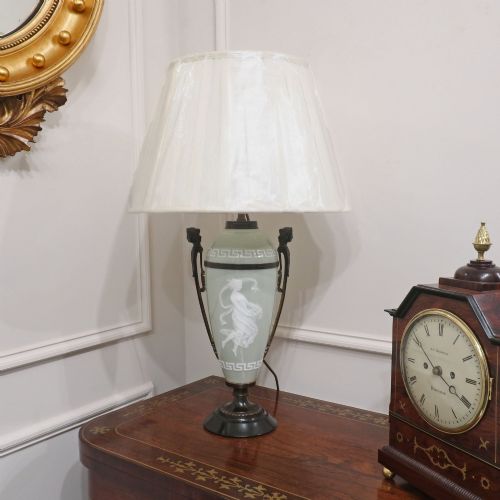
Nineteenth-century lighting leans towards ornate revival styles like rococo and neoclassical, featuring heavy cast bronze, marble, and porcelain.
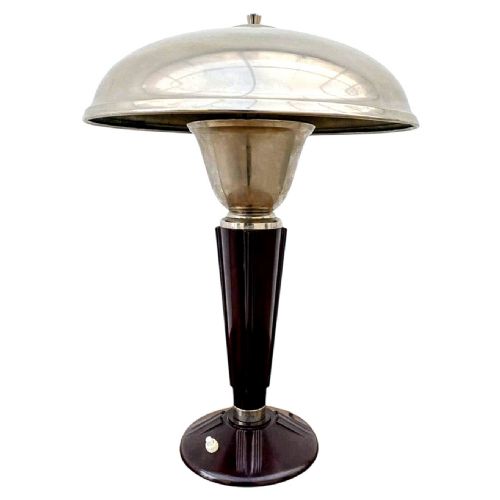
Art deco pieces from the 1920s and 1930s favour geometric lines, bakelite, chromium, and mottled or opaline glass shades.
What is the best way to clean brass and bronze?
Dusting with a dry microfiber cloth is usually sufficient to maintain the surface without disturbing the historic patination.
Harsh chemical polishes should be avoided because they strip away the aged finish that collectors value on antique metalwork.