
Antique French Lighting Bases
These antique french lighting bases provide sturdy mounts for period illumination, bringing classical metalwork and marble into modern rooms.
Antique French Lighting Bases
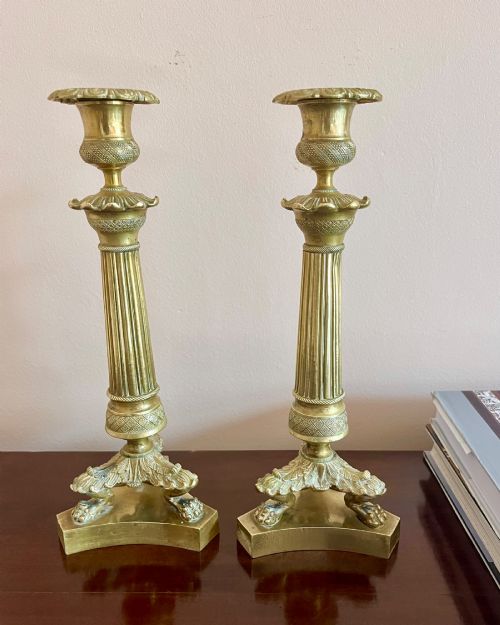
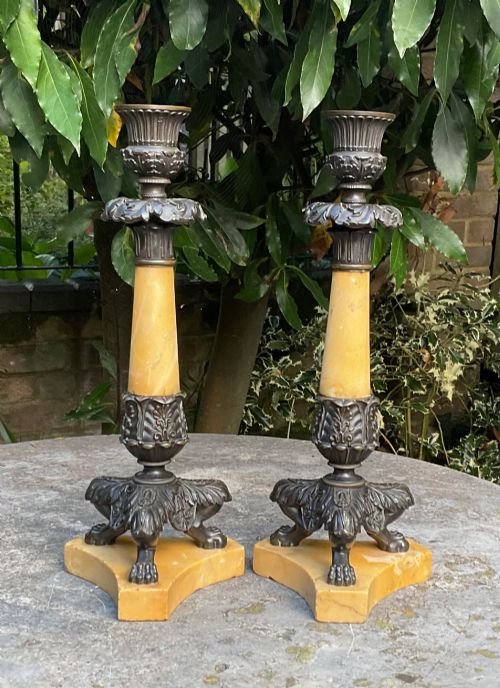
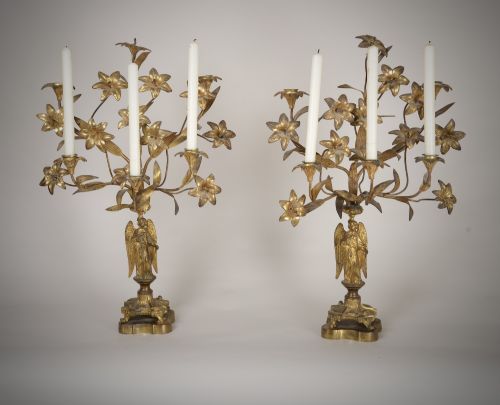
Antique french lighting bases include converted candlesticks, candelabra, and dedicated table or floor lamp structures designed to hold electrical fittings or candles. These pieces emerge from periods spanning the nineteenth century through the art deco era, incorporating neoclassical, empire, and regional rustic styles.
Buyers encounter heavy cast metals, natural stone, and glass forms originally produced as mantel or dining ornaments and later adapted for illumination. The selection bridges formal gilded ormolu objects and utilitarian oak or brass supports.
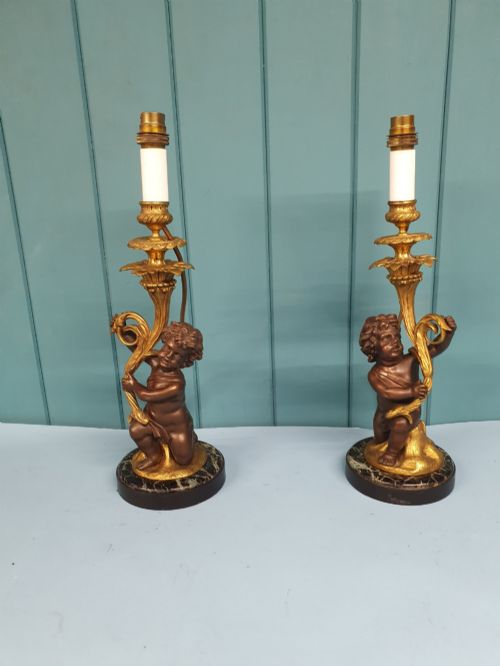
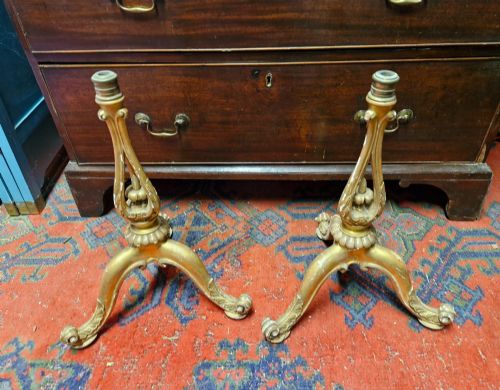
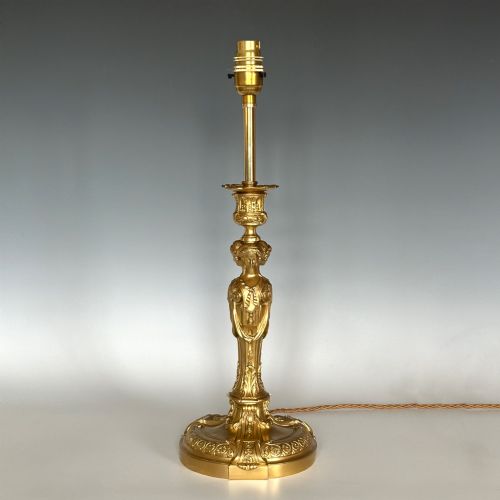
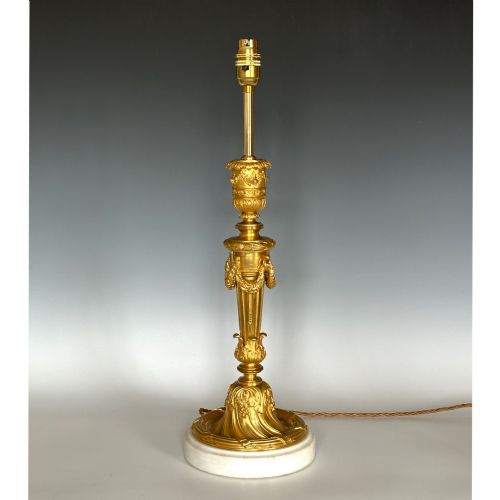
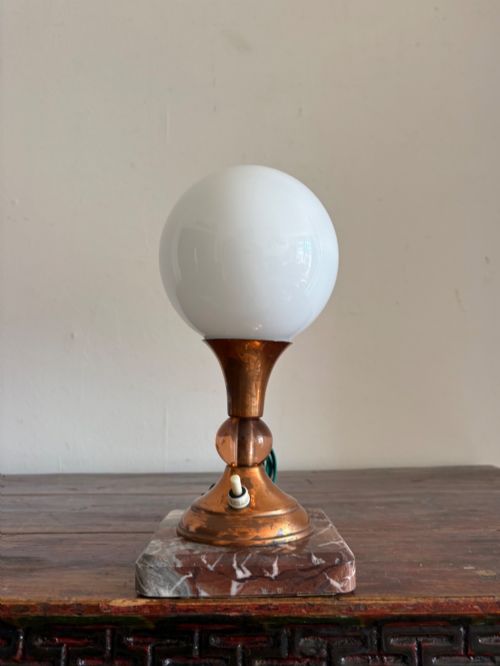
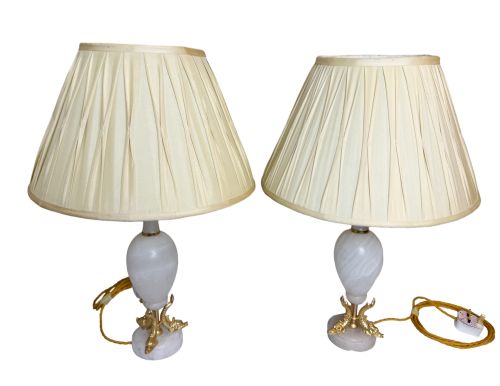
The typical antique french lighting bases on this page combine classical figural motifs, such as cherubs or caryatids, with sturdy marble or onyx plinths. Such forms suit sideboards and tables where a heavy, decorative vertical element anchors the room.
How They Were Made
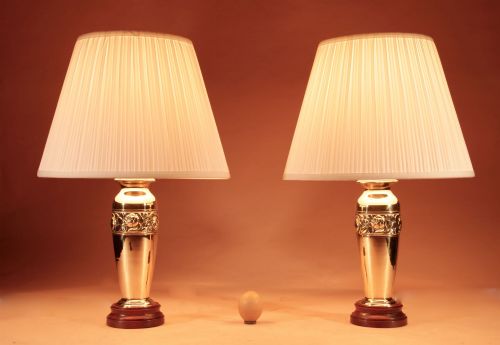
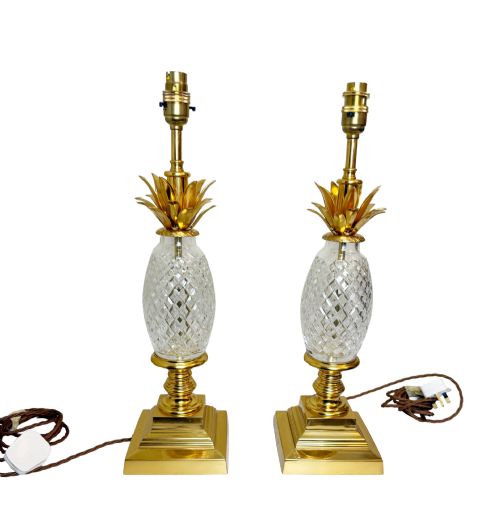
Metal components rely on traditional casting techniques, utilising bronze, brass, spelter, and copper to create intricate sculptural details and smooth structural columns. Gilt bronze and ormolu finishes apply gold through mercury amalgamation or electroplating over a base metal, while raw brass and copper display polished or patinated surfaces.
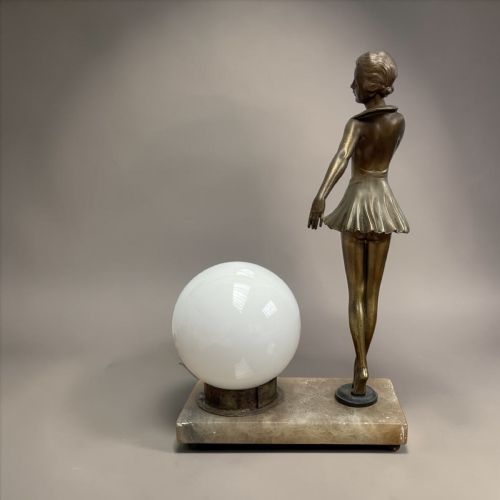
Stonework requires precision cutting and polishing, pairing white or dark marble and onyx with heavy metal bases to ensure stability. Many examples incorporate glass elements such as opaline shades, crystal drops, or crackle ware bodies.
Makers integrated timber components like oak alongside metal mounts, or combined wrought iron with moulded glass for distinct art deco silhouettes. Construction prioritizes weight at the base to counterbalance tall stems and shades.
Several heavy bronze bases double as vigilant watchmen, casting light beside resting porcelain dogs and perched parrots.
What Varies In Quality
Material selection dictates the structural integrity and visual weight of the base, with dense veined marble and heavy cast bronze commanding greater presence than lighter spelter or hollow stamped brass. The integration between stone plinths and metal collars demonstrates the maker's precision.
Proportion and balance define the aesthetic success of a conversion, ensuring the vertical shaft relates harmoniously to the width of the stone or metal foot. Alterations made during conversion affect the purity of the antique form.
Dugourc·Lacroix·Lalique
The Antique French Lighting Bases Glossary
- Ormolu
- A technique of applying finely ground high-carat gold to a bronze object using a mercury amalgam, creating a rich golden surface. This finish appears frequently on high-status nineteenth-century pieces.
- Spelter
- An alloy of zinc and lead used as a cheaper alternative to bronze for casting decorative figures and bases. It often receives a painted or bronze-toned finish to mimic heavier metal.
- Caryatid
- A sculpted female figure serving as an architectural support or column stem. These classical motifs often appear on empire and louis xvi style pieces.
- Opaline glass
- A pale, translucent glass with a milky appearance, popular for nineteenth-century shades and bodies. It diffuses light softly through its dense chemical composition.
- Bouillotte
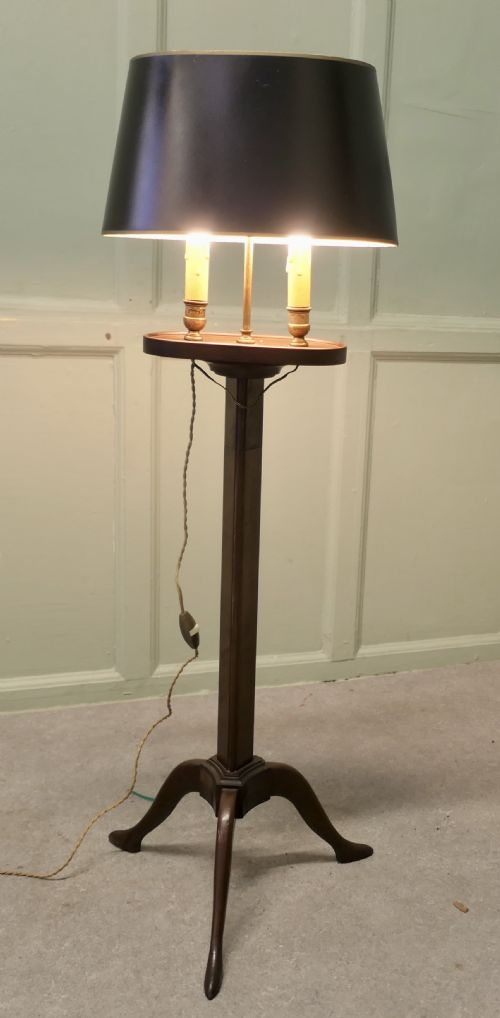
- A type of adjustable candle lamp featuring a central column and a metal shade that moves up and down on a rod. The design allows users to direct light over a card table or desk.
Antique French Lighting Bases: Frequently Asked Questions
How do I wire an antique french lighting base?
Wiring typically requires running modern flexible cord through the existing central channel of the metal or stone stem. Professional electricians can install appropriate brass lamp holders that match the period finish without damaging the original structure.
Many antique pieces start as solid candlesticks or statues, meaning a brass threaded rod or internal pipe secures the new upper fitting to the historic base.
What periods do these lighting bases cover?
The selection spans from the regency and empire periods of the early nineteenth century through the extensive output of the victorian era. Later twentieth-century works include art nouveau and art deco designs from the interwar decades.
Stylistic markers help date each piece, such as the strict symmetry of neoclassical metalwork contrasting with the geometric lines of nineteen-thirties pieces.
Are these bases heavy enough for large shades?
Most antique french lighting bases utilise dense materials like solid bronze, brass, marble, or onyx to provide a secure foundation. This substantial weight counterbalances the upward pull and leverage of standard fabric or glass shades.
Heavier examples featuring stone plinths remain particularly stable on sideboards and heavy tables.
How do I clean marble and gilt bronze?
Dust marble and onyx gently with a dry microfiber cloth, avoiding harsh chemical cleaners that can etch the polished stone surface. Gilt bronze requires minimal intervention to preserve the original patination and gold layer.
Water and commercial metal polishes strip historic finishes from ormolu, so gentle brushing remains the safest maintenance method.
Can I use modern bulbs in these lamps?
Modern low-heat led bulbs work effectively within standard lamp holders fitted to antique bases. Selecting warm colour temperatures preserves the historic ambiance cast across metallic and stone surfaces.
Ensure the wattage matches the capacity of the fitted electrical components and vintage wiring conversions.