
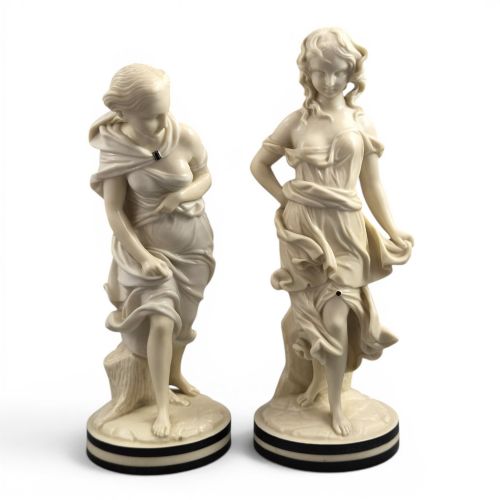
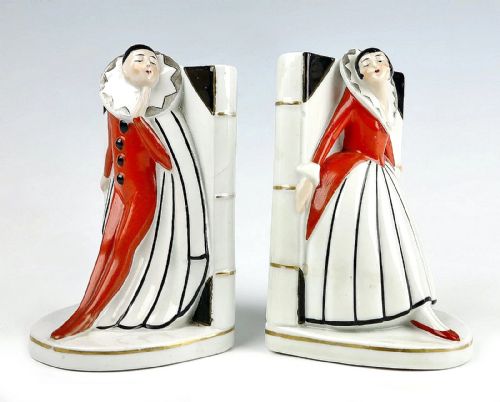


Pair Porcelain Ornament Figures
These pair porcelain ornament figures bring decorative presence to a room, spanning eighteenth-century English works to twentieth-century European ceramics.
Pair Porcelain Ornament Figures
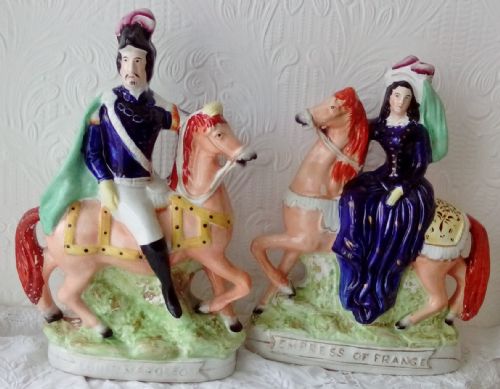
When searching for pair porcelain ornament figures, buyers encounter matching pairs of decorative sculptures modelled as animals, human figures, and allegorical subjects. These objects range from eighteenth-century Georgian soft-paste models to Victorian earthenware and later twentieth-century ceramic productions.
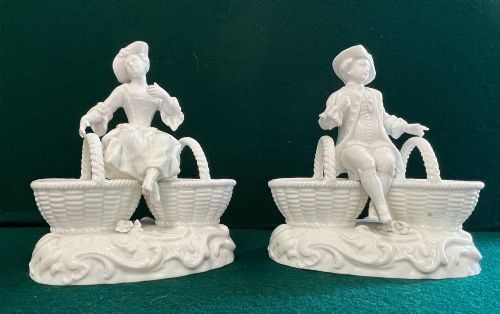
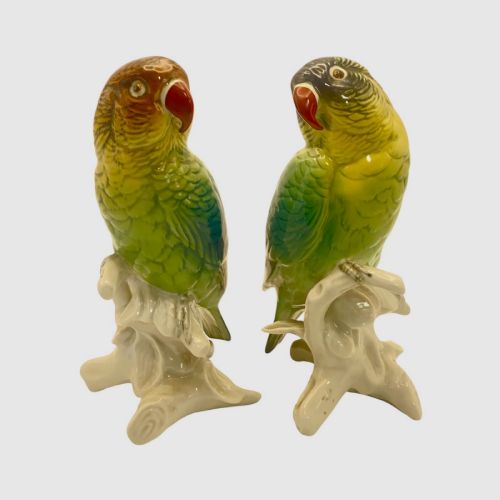
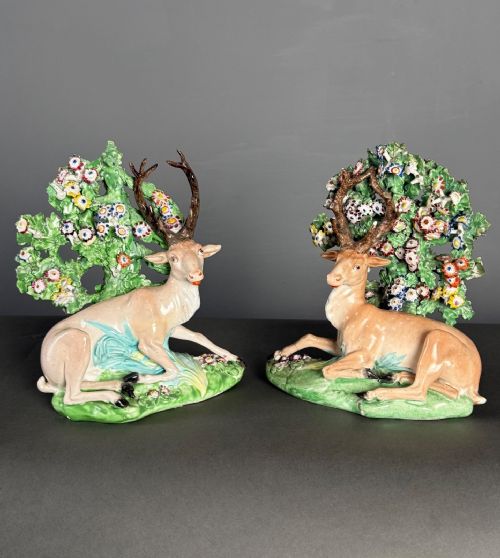
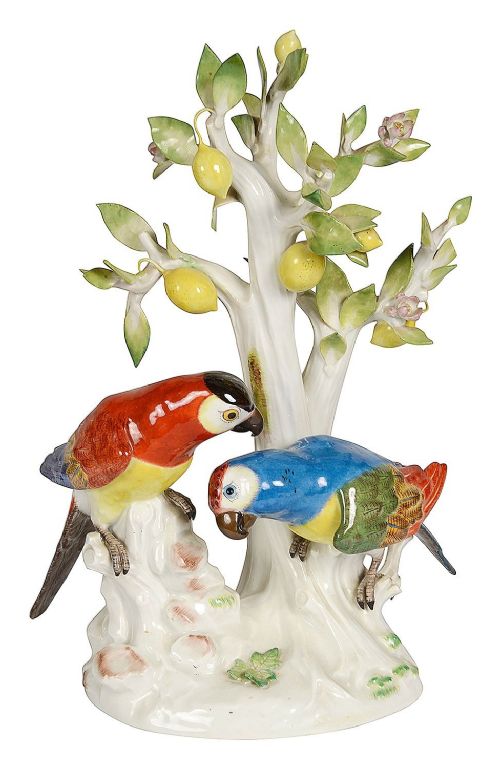
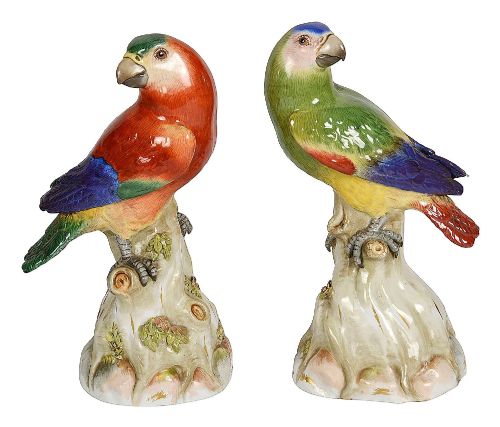
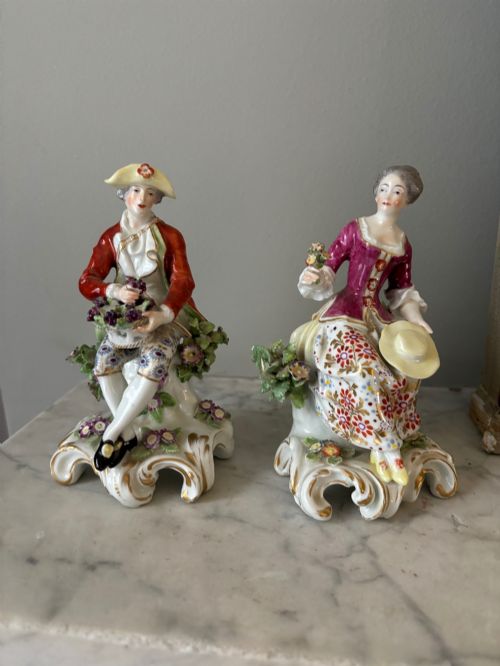
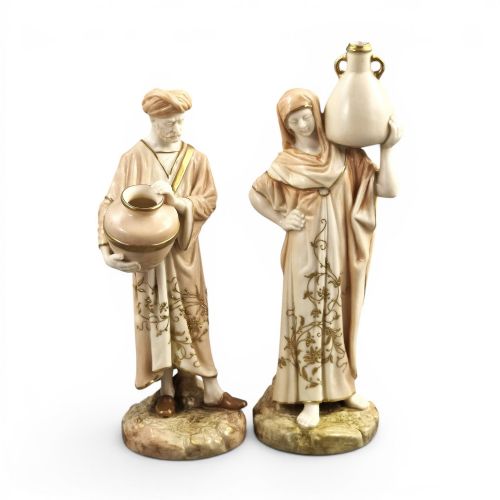
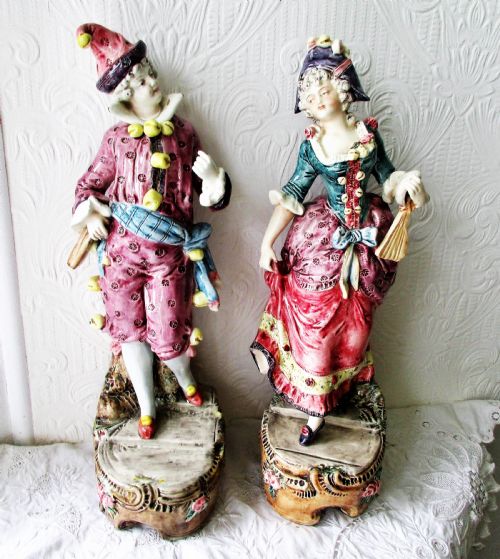
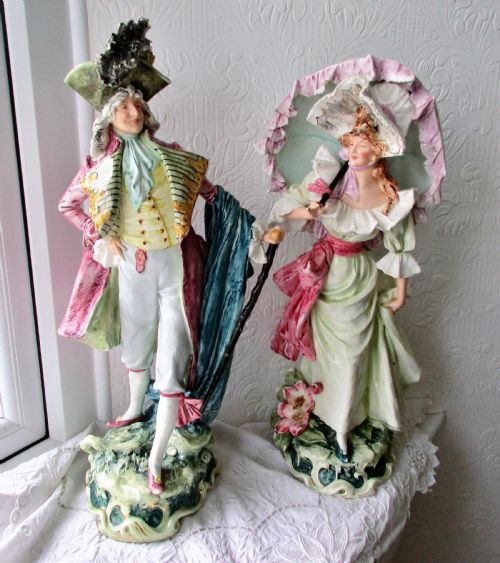
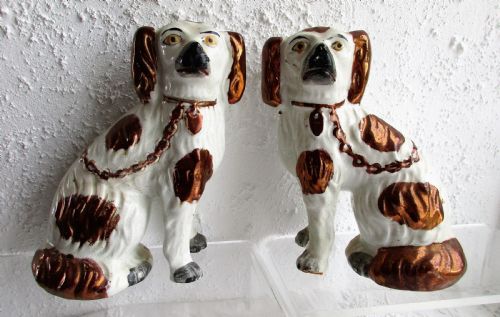
The selections available include parrots, stags, spaniels, human figures such as gallants, musicians, and water carriers, often produced by European factories like Meissen, Derby, and Royal Worcester.
Pairs were traditionally designed to flank a mantelpiece, table, or sideboard, maintaining symmetry in interior decoration across the Georgian, Victorian, and Edwardian periods.
How they were made
Manufacturers shaped these pieces using hard-paste or soft-paste porcelain, earthenware, and parian biscuit, employing moulds to cast the sculptural forms before individual hand-finishing.
Surfaces received polychrome enamel colours, metallic gilding, gold leaf, and translucent or sancai glazes, which were fixed through high-temperature kiln firing.
Listings feature hard-paste porcelain, earthenware, and parian biscuit across Victorian, Georgian, and Art Deco styles.
What varies in quality
The standard of modelling defines the finer examples, where facial expressions, anatomical details, and foliage elements display crisp definition rather than softening in the clay or glaze. Hand-painting execution similarly distinguishes the production, with delicate brushwork on enamels and precise gilding marking out the superior factory output.
Completeness of the pair and the preservation of fragile applied details, such as leaves, fingers, or delicate accessories, separate well-preserved historical specimens from heavily restored ones.
Meissen·Karl Ens·Edme Sampsom·James Hadley·Thomas Parr·Royal Dux·Letu & Mauger
The Pair Porcelain Ornament Figures Glossary
- Hard-paste porcelain
- A dense, durable ceramic composed of kaolin and petuntse, fired at very high temperatures. It resists scratching and takes a bright glaze.
- Soft-paste porcelain
- An artificial ceramic mixture fired at lower temperatures than hard-paste, producing a softer body and a warmer glaze appearance.
- Blanc de Chine
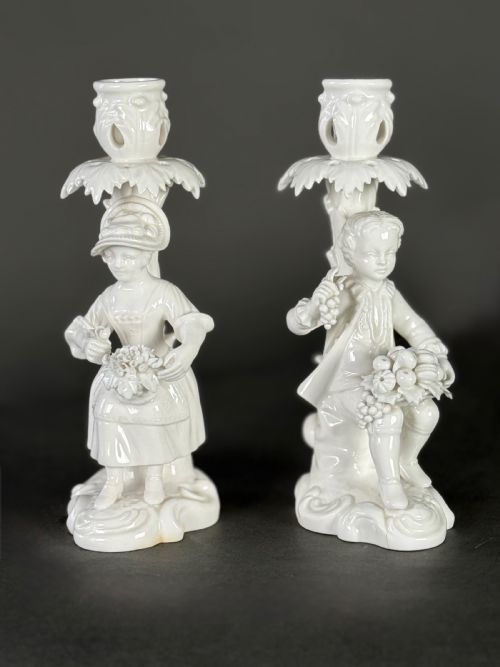
- A French term for white porcelain originating from China, used in European manufacturing to describe unpainted white glazed figures.
- Parian biscuit
- An unglazed white porcelain developed to imitate marble, often utilised for nineteenth-century figures and classical subjects.
- Enamel
- Coloured vitreous material applied to the fired ceramic surface and fused in a muffle kiln. It allows for detailed polychrome decoration on figures.
Pair Porcelain Ornament Figures: Frequently Asked Questions
How should I display pair figures?
These ornaments are traditionally positioned symmetrically on either end of a mantelpiece, console table, or sideboard. Placing them at equal distances creates a balanced visual anchor for the room.
Ensure they rest on stable, vibration-free surfaces away from direct sunlight to protect enamel colours and gilt highlights over time.
Were these figures meant to be functional?
Most of these pieces served purely as decorative ornaments designed to enhance domestic interiors. However, specific forms incorporate secondary uses, such as candlesticks, quill holders, or bookends.
Owners in the eighteenth and nineteenth centuries primarily valued them as sculptural displays of wealth and artistic taste.
How do I distinguish eighteenth-century pieces?
Early pieces from periods like the Georgian era often feature softer paste bodies, hand-modelled botanical or rococo bases, and underglaze or painted factory marks specific to early kilns. Weight, glaze texture, and the subtlety of polychrome enamel painting help separate them from later reproductions.
Factory marks provide a starting point, though secondary elements like crazing and wear patterns require close examination.
What subjects are most common?
Animal pairs, including parrots, stags, greyhounds, and spaniels, appear frequently across various manufacturing periods. Human subjects range from allegorical figures representing the elements to musicians, gallants, and regional workers.
These motifs reflected popular taste and pastoral ideals popular among collectors of ceramic art.