



Pair of Wooden Statues
A pair of wooden statues brings symmetry and narrative depth to a room, ranging from folk art animals to monumental religious figures.
Pair of Wooden Statues
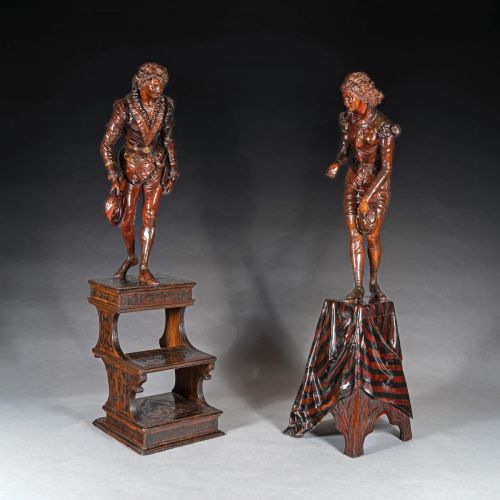
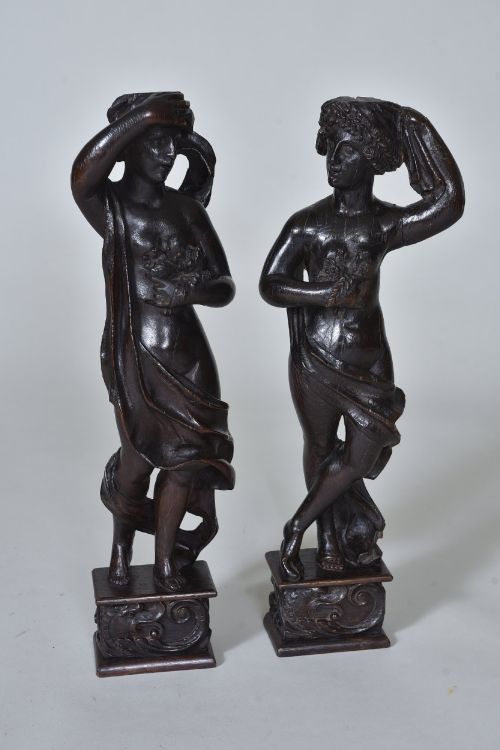
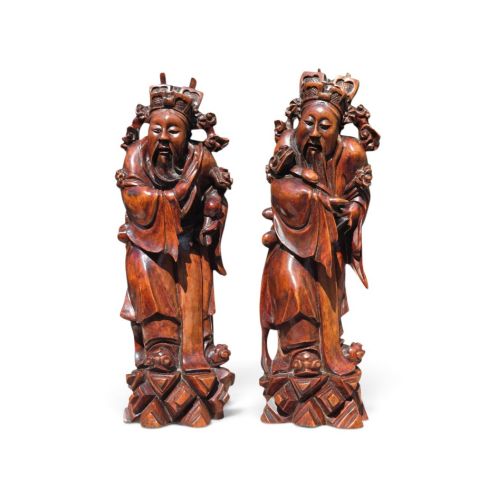
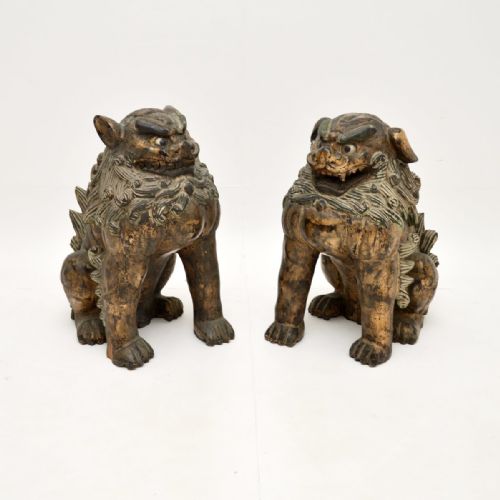
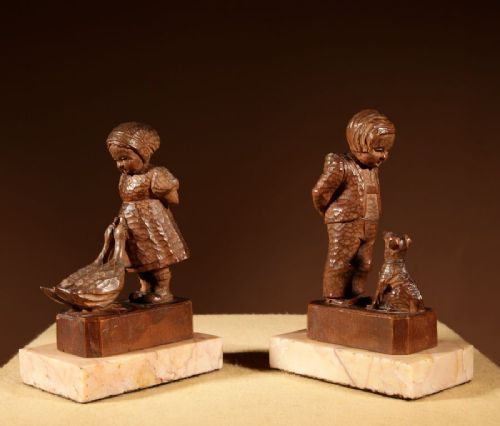
A pair of wooden statues spans centuries of craftsmanship, appearing as religious saints, decorative animals, and folk art figures. Buyers encounter pieces originating from European workshops, Chinese dynasties, and Indian traditions, often carved from solid oak, limewood, or dense hardwoods.
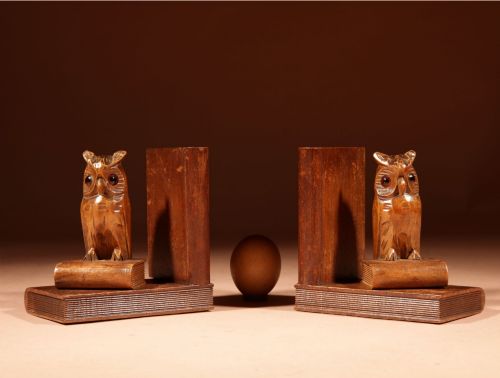
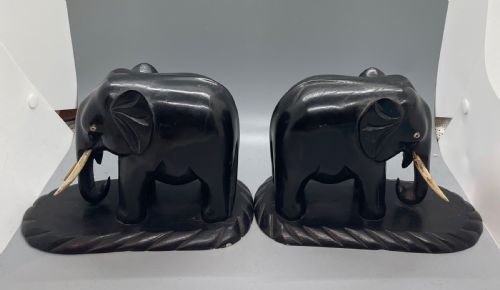
Forms include freestanding sculptures, bookends, pedestals, and architectural reliefs designed to be displayed together. The most frequent examples on this page date from the nineteenth and early twentieth centuries, reflecting diverse regional carving styles such as Black Forest and Qing Dynasty aesthetics.
Materials and carving techniques
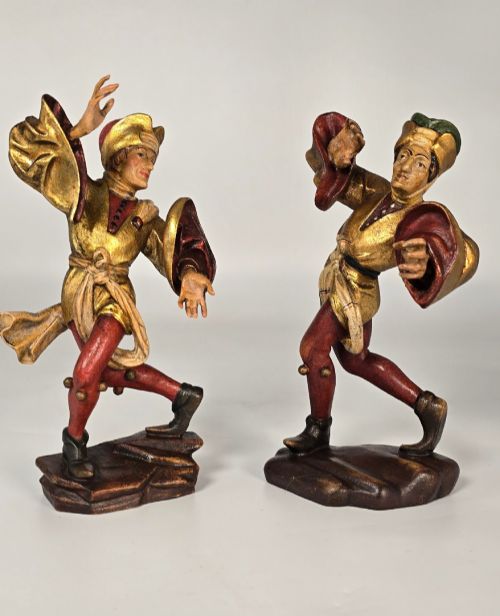
Carvers utilised regional timbers including oak, limewood, teak, and satinwood, shaping the material with gouges and chisels to achieve varying degrees of relief and depth. Many pieces retain traces of polychrome paint, gilt wood, lacquer, or ebonisation applied directly to the timber surface.
Some works incorporate additional elements such as bone or glass inlay, while others rely entirely on the natural grain and patina of the carved hardwood. Construction techniques range from single-block carving for smaller animals and bookends to multi-component joinery for larger monumental figures.
Defining standards of execution
Harmony within the pair determines visual success, as matching stances, balanced proportions, and uniform ageing set finer works apart. Original surface treatments, such as untouched patinas or authentic polychromy, elevate the historical integrity of the objects.
Valentino Besarel
The Pair of Wooden Statues Glossary
- Polychrome paint
- Decoration applied using multiple colours on timber or plaster surfaces. This technique frequently appears on religious figures and folk art carvings.
- Hardwood
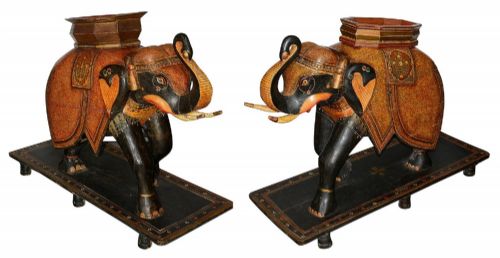
- Dense timber derived from broad-leaved deciduous trees, often utilised for intricate oriental and Anglo-Indian sculptures. It resists warping and takes fine detail.
- Black Forest
- A nineteenth-century Swiss and German style known for realistic animal carvings and folk art figures. Bears, owls, and deer are common subjects in this tradition.
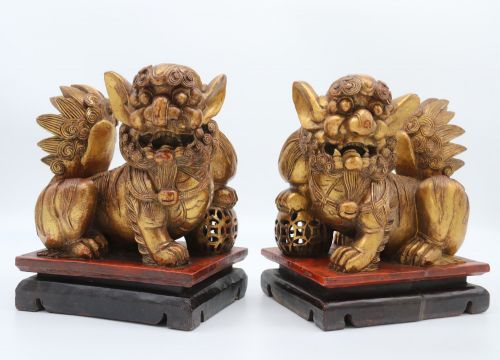
- Foo Dog
- A traditional Chinese guardian lion depicted in pairs outside temples and palaces. Sculptures of these mythical beasts serve as protective ornaments in wood or porcelain.
Pair of Wooden Statues: Frequently Asked Questions
How should I display a pair of wooden statues?
Position them symmetrically on pedestals, sideboards, or mantels to frame a focal point in the room. Ensure they sit away from direct heat sources to protect the timber.
Keep them out of harsh sunlight to preserve any original paint, lacquer, or ebonised finish on the carved surfaces.
Are these statues carved from a single block?
Smaller pieces like bookends and animal figures are often carved from one piece of wood. Larger monumental statues and figures with outstretched limbs typically utilise joined sections.
Inspect the construction joints to understand how the maker assembled the separate timber components.
How do I identify the period of a wooden statue?
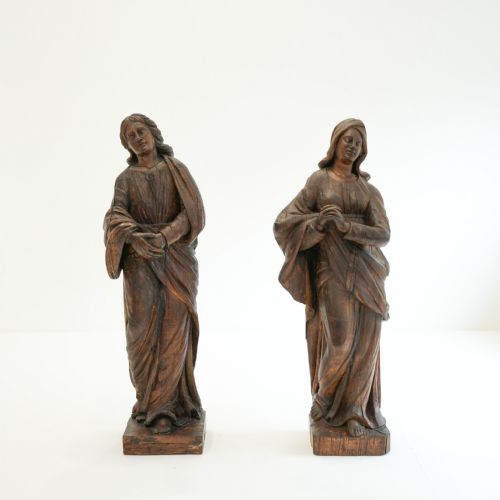
Examine the tool marks, timber type, and style of dress or iconography. Eighteenth-century pieces often feature heavier oak construction and classical drapery.
Nineteenth-century examples frequently showcase regional folk art traditions or specific stylistic revivals like Gothic and Baroque.
What maintenance do antique wooden figures require?
Dust the carvings gently with a dry, soft brush to prevent particle accumulation in the recesses. Avoid applying modern polishes or oils to historical dry surfaces.
Maintain stable indoor humidity levels to prevent the timber from splitting or contracting over time.