

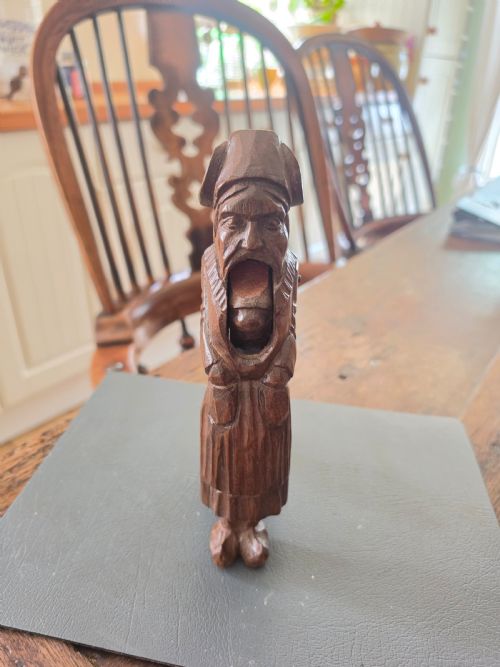


Black Forest Carved Figures
These black forest carved figures bring the rustic charm of alpine forests directly into your home through detailed wooden animal and human sculptures.
Black Forest Carved Figures
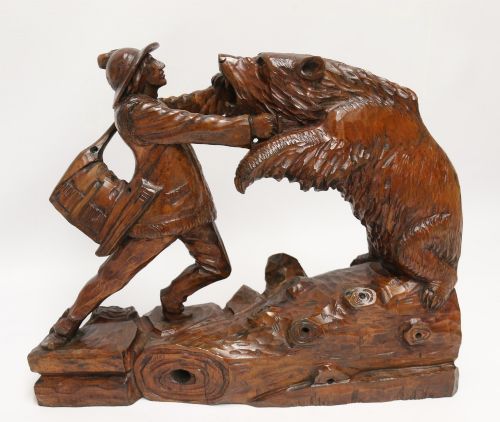
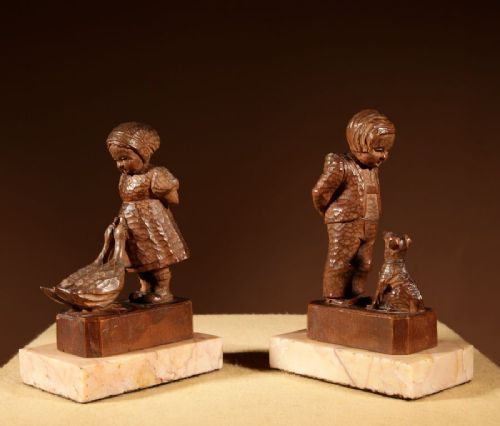
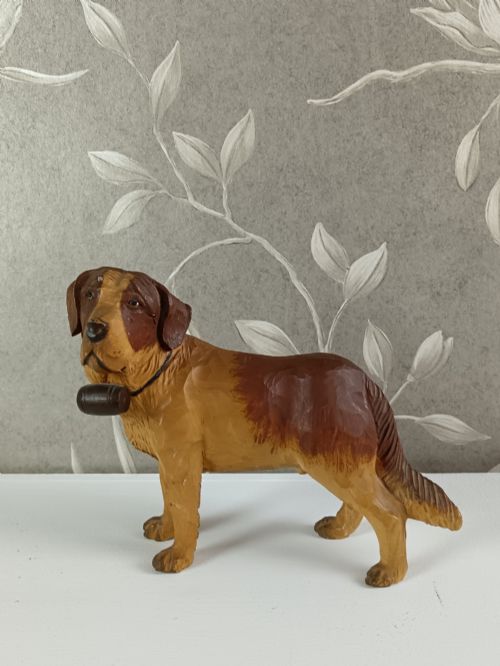
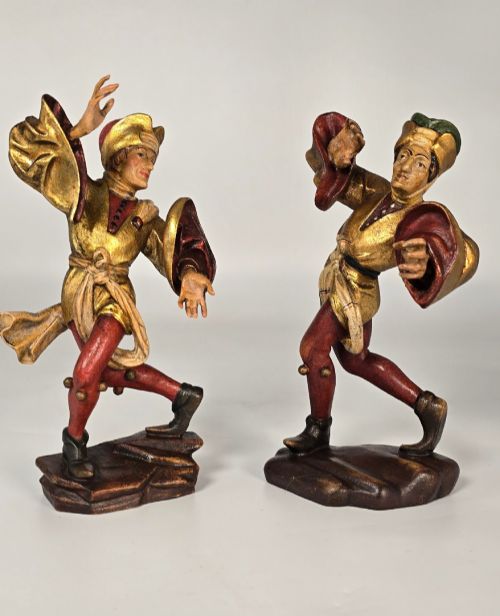
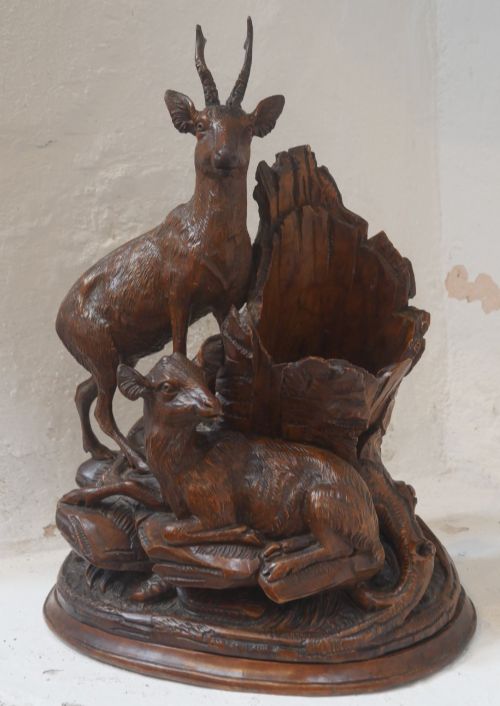
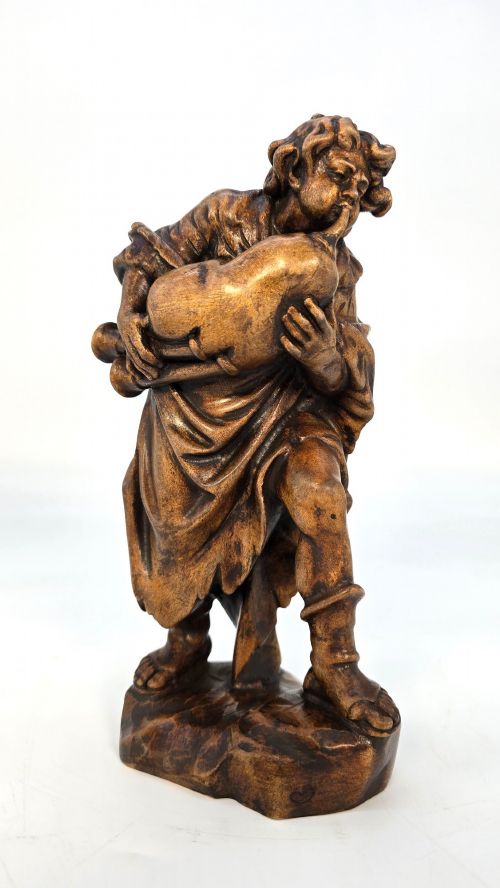
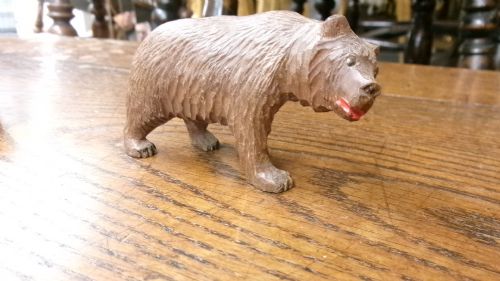
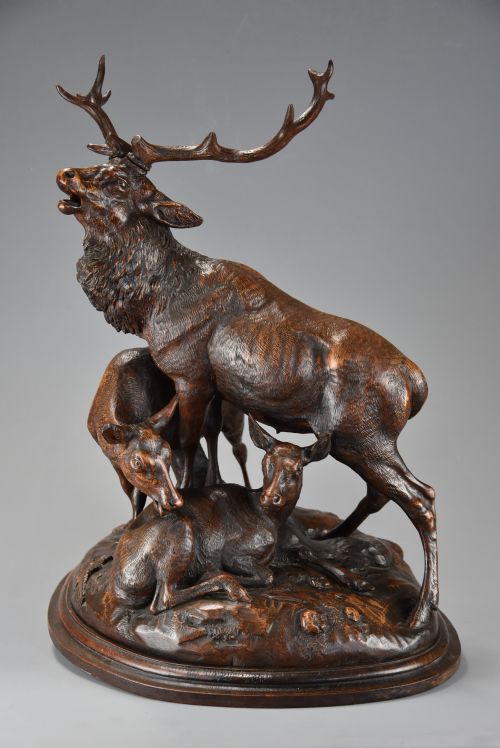
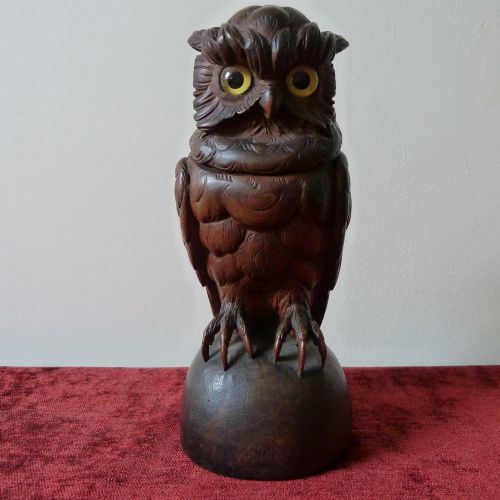
When you search for black forest carved figures, you enter a tradition of ornate nineteenth and early twentieth century woodcarving originating from the mountainous regions of central Europe. These works primarily depict woodland animals such as bears, deer, owls, and chamois, alongside human figures including peasants, hunters, and medieval characters.
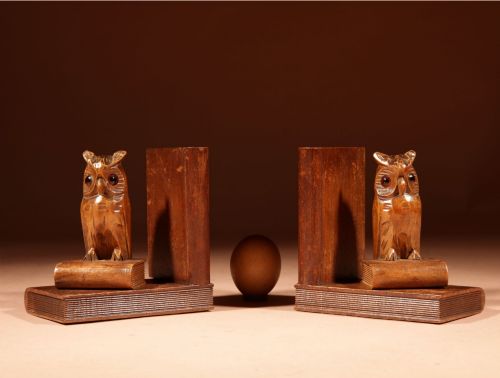
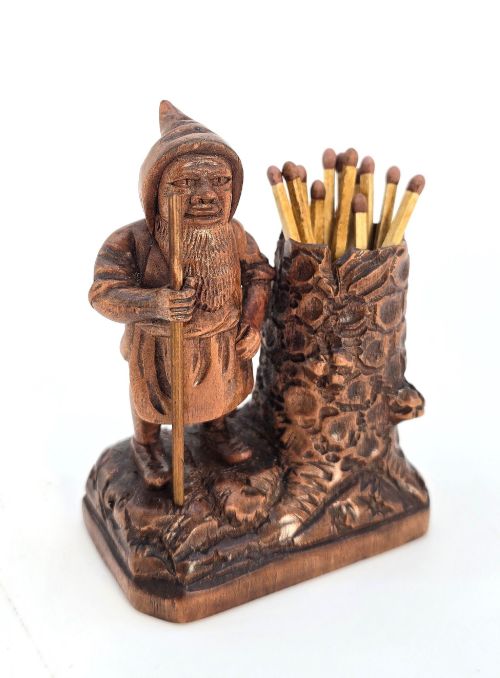
The objects span practical household items and purely decorative sculptures. Collectors frequently encounter functional pieces like bookends, inkwells, nutcrackers, and match strikers alongside freestanding animal groups and human figures.
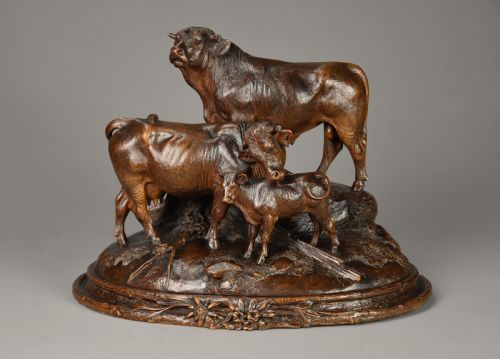
Most examples date from the Victorian era up through the early twentieth century, reflecting a distinct alpine folk art aesthetic. The forms range from miniature bears to large groupings of cattle, goats, and birds carved with notable naturalism.
Materials and carving techniques
Carvers predominantly utilised pale timbers such as linden wood, limewood, and walnut for their fine grain and malleability. These woods allowed artisans to render deep undercut fur, feathers, and facial expressions with high precision.
A remarkably risqué nude coat hook proves that nineteenth century alpine woodcarvers possessed a surprisingly cheeky sense of humour.
Distinguishing quality in the carving
Quality rests heavily on the depth and anatomical accuracy of the carving. Superior pieces display intricate musculature, realistic fur texture, and lifelike posture rather than stiff, blocky execution.
The complexity of the subject matter and composition separates standard items from exceptional ones. Single mass-produced animals differ significantly from multi-figure groups depicting complex interactions or narrative scenes involving human subjects.
J HUGGLER
The Black Forest Carved Figures Glossary
- Limewood
- A soft, pale timber favoured by carvers for its even grain and lack of prominent knots, which allowed for intricate detail without splitting.
- Bookends
- A matching pair of heavy carved supports placed at either end of a row of books to keep them upright, frequently taking the form of bears or owls.
- Inkwell
- A small desk accessory incorporating a glass or ceramic insert for liquid ink, often integrated into a larger carved wooden animal scene.
Black Forest Carved Figures: Frequently Asked Questions
What animals appear most often in these carvings?
Bears dominate the surviving output, followed closely by deer, owls, chamois, and cattle. Carvers focused heavily on indigenous alpine fauna to appeal to Victorian tourists visiting the mountain regions.
Domestic and wild birds also appear frequently, alongside occasional human figures depicting hunters, peasants, and medieval characters engaged in daily activities.
How were these wooden items used originally?
Many pieces served a practical function in the Victorian study, parlour, or dining room. Bookends, inkwells, nutcrackers, match strikers, and pipe holders disguised utility behind whimsical animal forms.
Other examples existed solely as decorative shelf sculptures or table centerpieces, intended to evoke the romantic atmosphere of the Swiss and German highlands.
How can I identify the age of a carving?
Dating relies on stylistic clues, wood selection, and occasional signatures or stamps left by workshops. Pieces from the nineteenth century often exhibit darker patination and deeper hand-carved detailing.
Twentieth century examples sometimes utilise lighter finishes and simpler mechanical fastenings while retaining the traditional alpine folk art motifs established decades prior.
Where should I display these figures at home?
These wooden sculptures suit prominent display surfaces like bookshelves, mantelpieces, and wooden sideboards where their rich tones complement traditional interior settings. Keeping them away from direct sunlight and excessive heat protects the timber from drying out.
Functional items like bookends and inkwells can remain in active daily use provided they are handled with care to preserve delicate projecting carved details.