

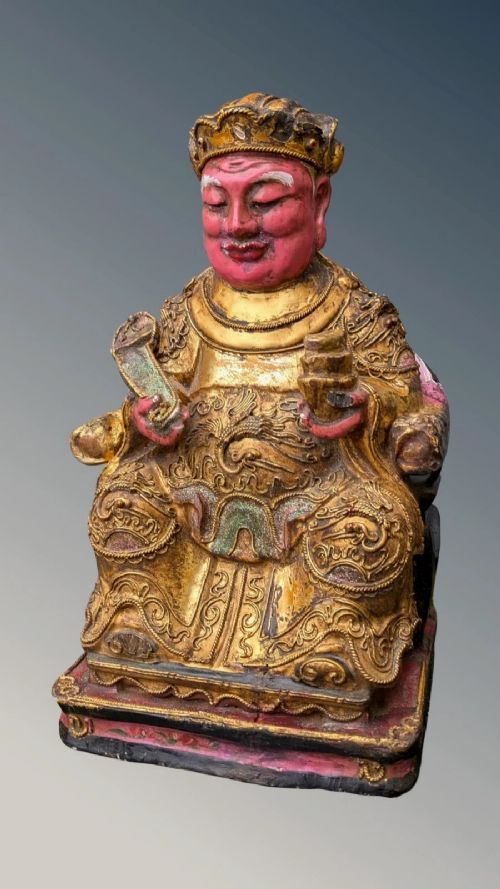
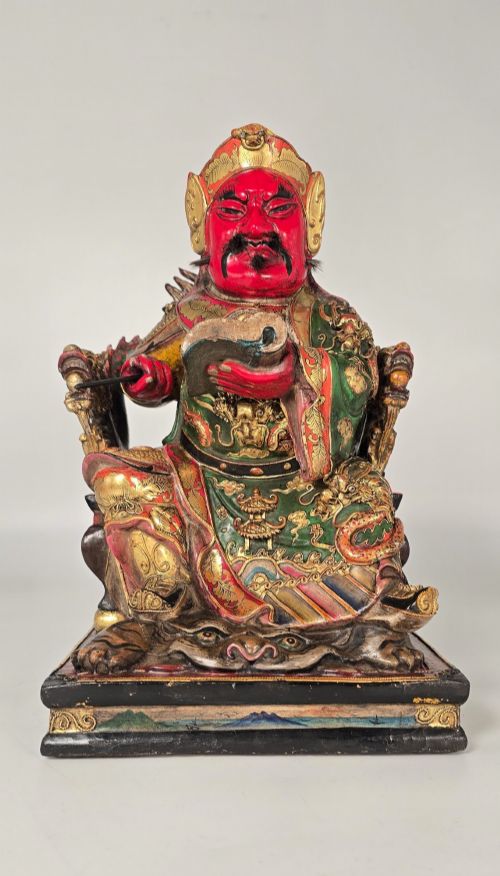


Gilded Wooden Statue
A gilded wooden statue brings warmth and deep texture to a room, offering centuries of hand-carved artistry from European workshops and Asian temples.
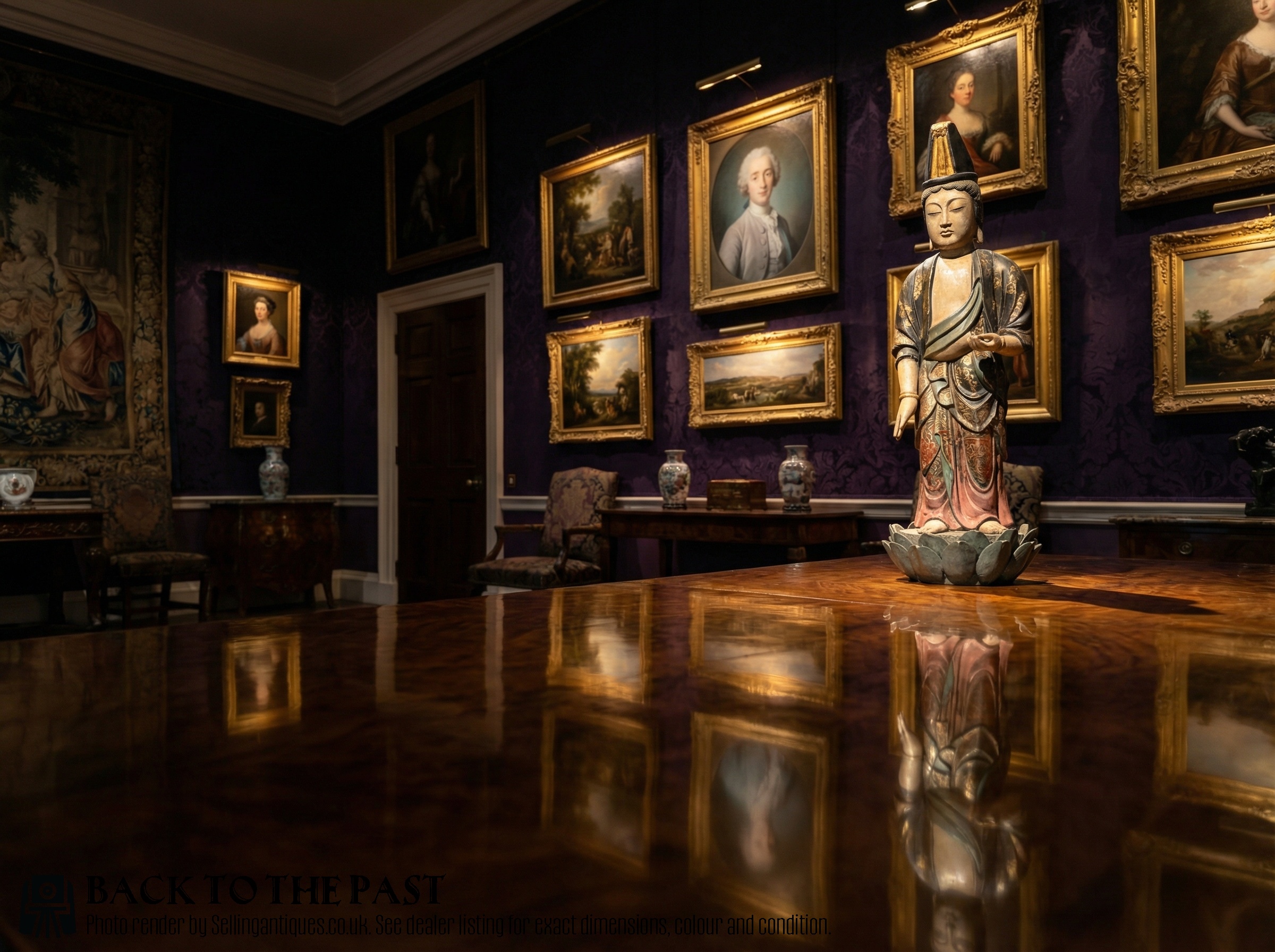
Gilded Wooden Statue
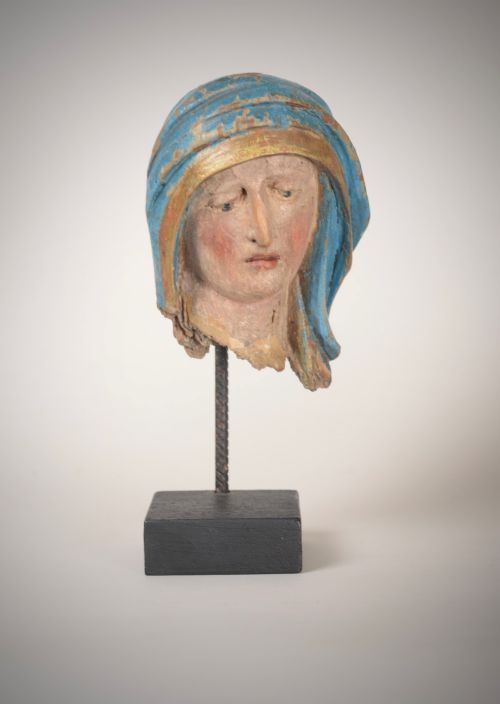
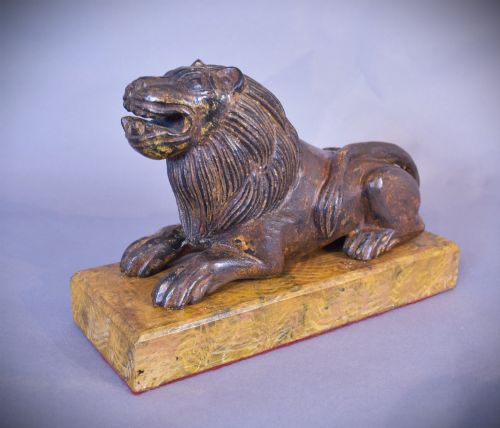
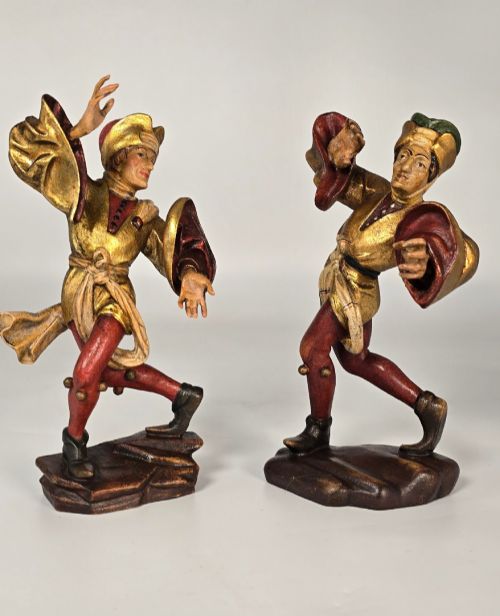
European examples range from Italian Baroque angels and Venetian figures to German limewood saints and English decorative ornaments. Asian representations include Burmese Buddhas, Chinese temple guardians, and Qing dynasty deities.
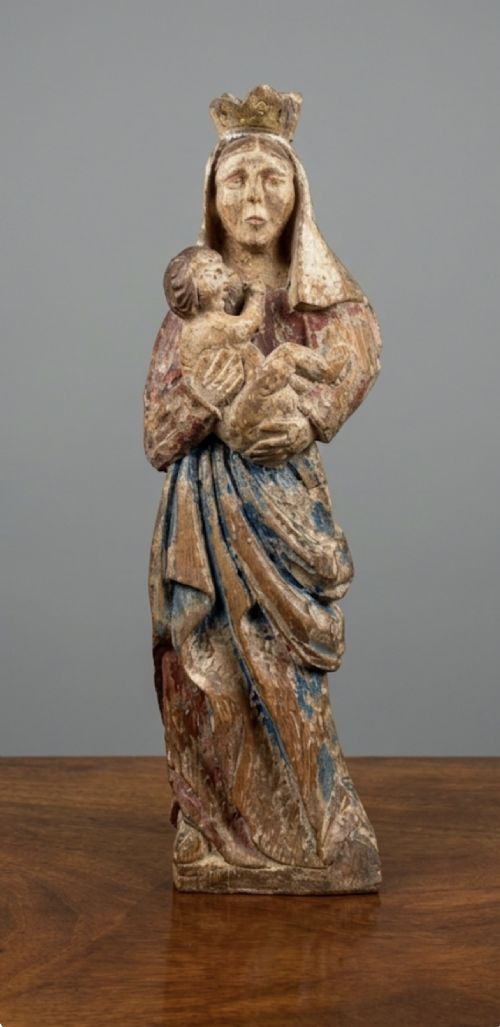
The forms vary from small devotional figures and home altars to monumental temple carvings and torchere figures. Most pieces combine carved wood with surface decoration such as gold leaf, gesso, and polychrome paint.
How they were made
The construction relies on timber such as oak, lime wood, and pine, shaped with hand chisels and gouges to create intricate anatomical and drapery details. Artisans then applied layers of gesso to prepare the wooden surface for subsequent gilding.
Materials recorded across the listings include carved lime wood, oak, gold leaf, gesso, polychrome paint, and lacquer.
What varies in quality
The skill of the carver dictates the liveliness of the form, visible in the natural fall of drapery, the expression of the face, and the depth of the relief work. Finer pieces retain crisp anatomical proportions and expressive detailing without relying entirely on surface decoration.
The integrity of the original surface finish separates exceptional examples from heavily restored ones. Original layers of gold leaf, gesso, and polychrome pigment demonstrate greater harmony and age-related patina compared to later overpainting.
The Gilded Wooden Statue Glossary
- Giltwood
- Wood that has been coated with gold leaf or gold powder. This finish protects the underlying timber while providing a reflective surface.
- Polychrome
- Painted in several colours. This decorative technique brings lifelike detail to carved wooden garments and faces.
- Gesso
- A plaster mixture used as a smooth base for paint and gold leaf on wood. It fills minor imperfections in the carved surface.
- Santos
- A carved figure representing a saint or holy person, particularly in Hispanic and European traditions. These statues often served devotional roles in homes and chapels.
- Torchere
- A stand or decorative support designed to hold a light source. In wooden figures, this often takes the form of a carved stand carrying a light fitting or basin.
Gilded Wooden Statue: Frequently Asked Questions
Where were these statues originally placed?
Many European examples originated in churches, shrines, and domestic home altars as objects of religious devotion. Asian pieces frequently served inside temples or ancestral halls as guardians, deities, and Buddhas.
Others functioned as decorative architectural elements or furnishings within wealthy residences. Figures such as torchere stands and decorative ornaments were integrated directly into interior domestic spaces.
How do I care for a gilded wooden statue?
Keep the statue away from direct sunlight, heating vents, and damp environments to prevent the wood from warping and the gesso from cracking. Stable indoor temperatures preserve both the timber and the delicate metallic leaf.
Dust the surface gently with a soft, dry brush rather than a cloth that might snag on raised edges of gold leaf. Avoid liquid cleaners and chemical polishes entirely, as they damage historic painted and gilded surfaces.
How can I tell the period of the wood?
Examine the tool marks left by the carver, as hand-chiselled surfaces differ noticeably from later machine-cut timber. Tool technology and wood preparation methods evolved significantly between the sixteenth and twentieth centuries.
Inspect the buildup of the gesso and the wear patterns on the gold leaf under magnification. Natural ageing, shrinkage cracks in the wood, and pigment composition help anchor the piece to a specific era.
Are the paint and gilding original?
Look closely at the interface between the paint layers and the wood to check for underlying preparation layers like gesso. Original surfaces show consistent craquelure and wear appropriate to the age of the carved core.
Ultraviolet light can sometimes reveal later overpainting or touch-ups applied during past restorations. A cohesive integration of wear across both the wood carving and the surface decoration points towards authenticity.