




Chinese Folk Art Statue
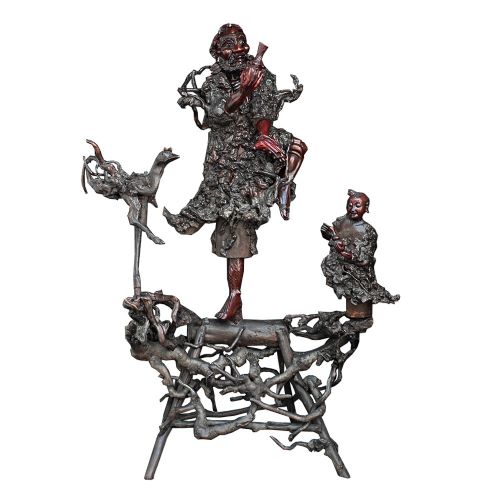
These Chinese folk art statue pieces bring distinct hand-carved character into a room through regional timber and traditional figures.
Chinese Folk Art Statue
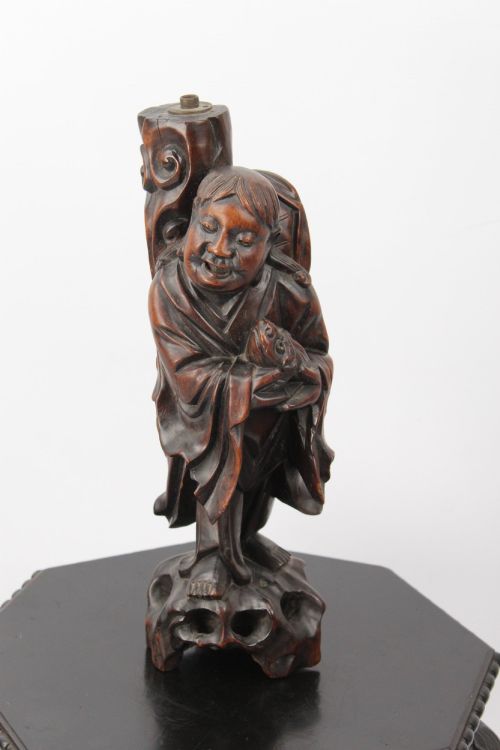
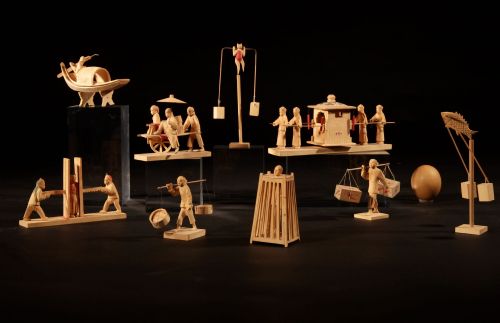
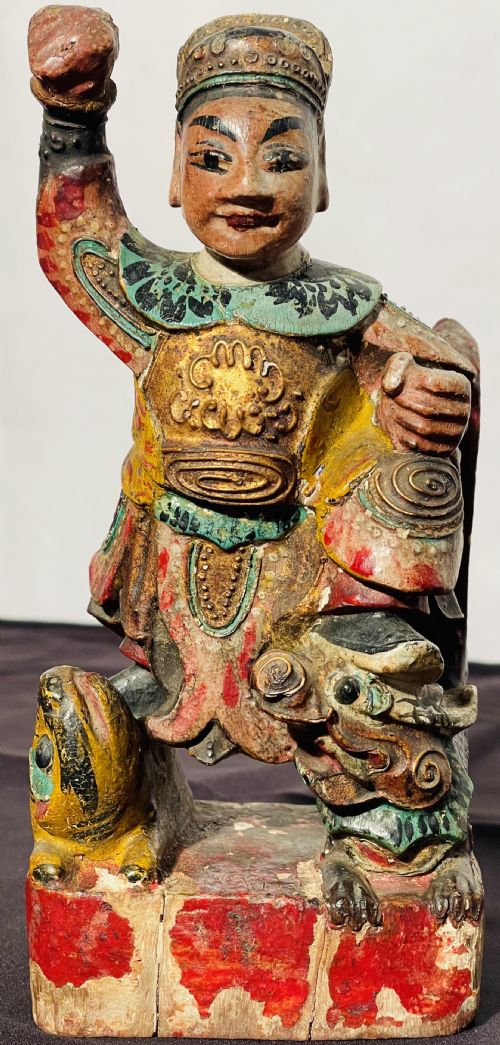
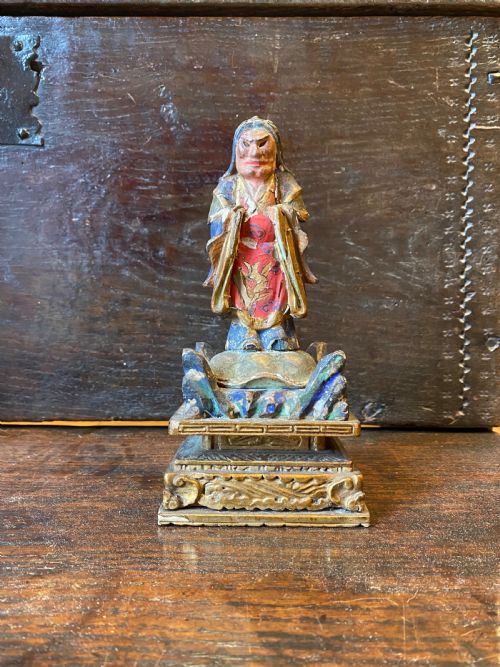
When you search for a Chinese folk art statue, you encounter hand-carved wooden sculptures depicting deities, scholars, fishermen, and everyday village life. These figures bridge household decoration and traditional belief, originating from periods spanning the eighteenth century through to the early twentieth century.
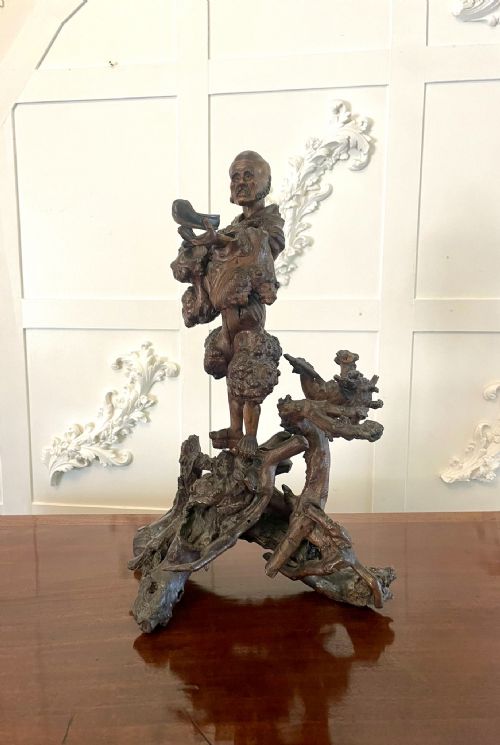
The pieces on this page lean heavily towards organic wood forms, including root wood, burr wood, and denser hardwoods. You will find single character figures alongside collections that illustrate daily activities or mythological figures from Qing Dynasty traditions.
Religious figures such as Buddhist immortals, Daoist deities like Liu Hai, and figures of Quan Yin appear frequently among the listings. Alongside these divine representations, makers also turned their hand to animal models and local workers such as fishermen with traps.
How they were made
Carvers utilised the natural contours of root wood and burr wood, often incorporating the kns and twists of the timber directly into the finished composition of the garment or setting. This approach meant each sculpture followed the unique growth of the material rather than conforming to a strict geometric block.
Chinese Folk Art Statue Retail Price Guide 2026
Typical asking prices for chinese folk art statue among the pieces listed under this phrase on Sellingantiques today, from the lower quarter to the upper quarter. They describe what is for sale here now, not the wider market.
Listings span multiple centuries, ranging from eighteenth-century temple carvings to nineteen twenty folk collections.
What varies in quality
Quality rests primarily in the ambition of the carving and how skilfully the maker worked with the natural anomalies of the root or burr timber. Superior examples integrate the raw grain and organic knots of the wood into the anatomy or drapery with clear intent.
The preservation of original polychrome pigment and gesso surfaces also separates simpler works from those retaining their full decorative scheme. Figures that maintain their original surface depth and anatomical expression demonstrate a surer hand from the workshop.
The Chinese Folk Art Statue Glossary
- Root wood
- Timber taken from the root system of a tree, prized for its gnarled, twisting shapes that carvers adapt into figures and naturalistic bases. Makers let the natural grain dictate the final posture of the sculpture.
- Burr wood
- A growth on a tree where the grain has suffered deformity, resulting in intricate, swirling patterns when sliced and polished. This material offers rich surface texture for robes and backgrounds.
- Gesso
- A plaster mixture applied to wood surfaces to provide a smooth base for painting and gilding. Its survival indicates how much of the original finish remains intact.
- Qing Dynasty
- The final imperial dynasty of China, lasting from sixteen forty-four to nineteen twelve, encompassing many of the traditional folk carvings found today. Pieces from this era reflect established iconographic traditions.
Chinese Folk Art Statue: Frequently Asked Questions
What do these wooden figures usually depict?
The sculptures portray a mix of religious figures, Daoist and Buddhist immortals, local fishermen, scholars, and animals such as pack horses. Many reflect traditional folklore and daily village scenes.
Makers drew inspiration from the common observations of rural life alongside established spiritual figures intended for household shrines or decorative display.
How can I tell the age of a wooden carving?
Dating relies on observing the tool marks, the natural wear of the timber, and the style of the carving relative to Qing Dynasty conventions. Eighteenth-century pieces often show different patina depths compared to those from nineteen twenty.
Examining how the wood has dried and aged over generations provides the clearest indicator of period authenticity without relying on precise dates.
Where were these statues originally placed?
Many served as household shrine figures, temple deities, or decorative scholar's objects placed on desks and tables within traditional Chinese interiors. Their scale typically suited domestic spaces rather than massive public temples.
Figures of immortals and local workers brought auspicious presence and reminders of daily heritage into the home environment.
How should I care for root wood sculptures?
Keep wooden and root sculptures away from direct heat sources and sudden humidity changes to prevent the timber from splitting. Dust them gently with a dry, soft brush rather than using liquid polishes.
Allowing the natural wood and old pigment to breathe preserves the historical surface integrity built up over centuries.