





Asian Religious Sculpture
Asian religious sculpture brings centuries of devotion into a room, offering figures carved in wood and cast in bronze for private contemplation.
Asian Religious Sculpture
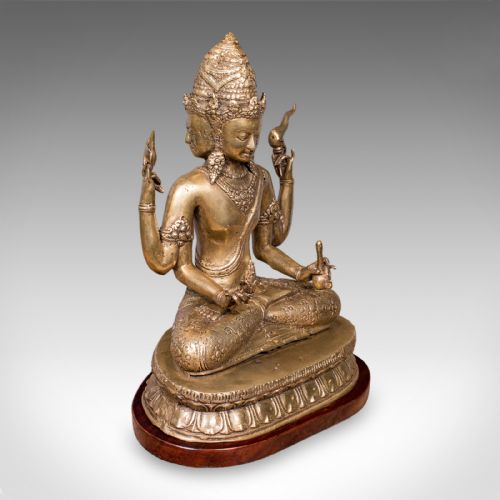
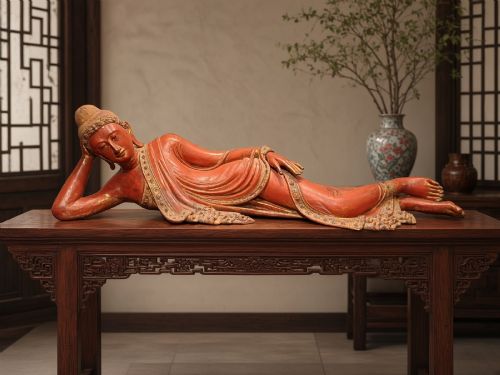
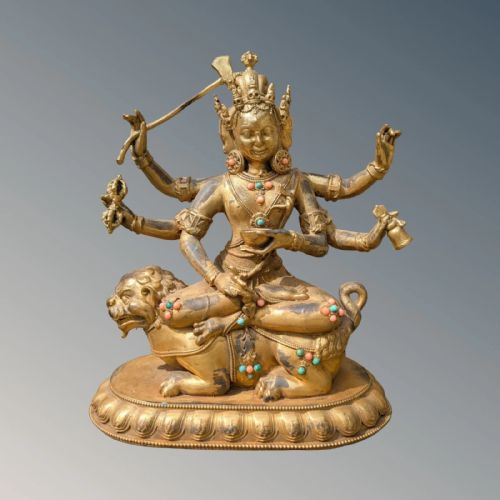
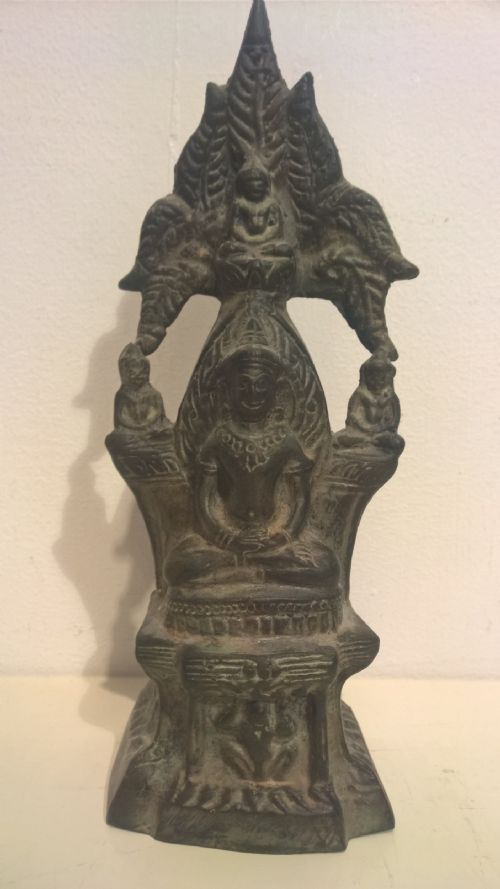
Asian religious sculpture encompasses statues and ritual figures spanning from the sixteenth century through the twentieth century, originating from regions including India, China, Tibet, Burma, Thailand, and Java. These pieces represent deities, Buddhas, and temple guardians in various postures, including reclining Buddhas and figures in Bhumisparsha mudra.
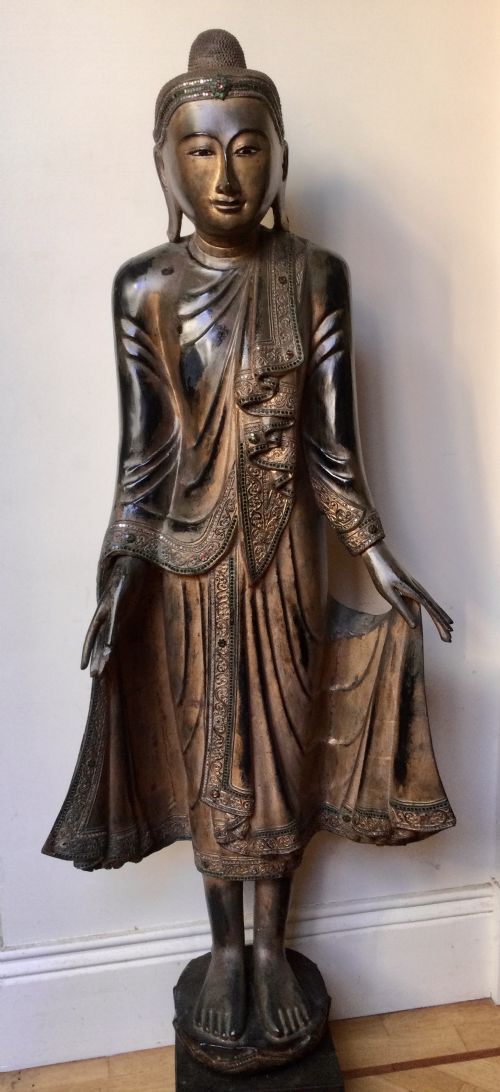
The most common examples on this page are nineteenth-century wooden and bronze representations of Buddha and Guanyin, alongside temple carvings and ritual figures. Works range from modest carved wooden statues to monumental temple guardians and large gilt and polychrome figures.
Origins vary from Southeast Asian and Sino-Tibetan traditions to specific historical periods such as the Qing Dynasty and the Majapahit era. Each sculpture reflects the religious iconography and aesthetic conventions of its specific geographic and temporal origin.
How they were made
Makers shaped these sculptures primarily through wood carving and bronze casting. Wooden examples frequently employ carved wood, gilt wood, and carved painted wood enhanced with polychrome pigment and gold leaf.
Bronze and metal figures utilise copper alloy and silver and copper alloy compositions, sometimes finished with a polished solid surface or gilding. Detail is achieved through high relief carving or careful casting before the application of pigments and leaf.
Asian Religious Sculpture Retail Price Guide 2026
Typical asking prices for asian religious sculpture among the pieces listed under this phrase on Sellingantiques today, from the lower quarter to the upper quarter. They describe what is for sale here now, not the wider market.
Listed periods range from the twelfth century through the Edwardian era, with strong representation from the eighteenth and nineteenth centuries.
What varies in quality
The sophistication of the iconography and the depth of relief work distinguish standard devotional objects from major temple commissions. Material weight, the handling of drapery, and the integrity of original gilding separate workshop pieces from exceptional sculptural works.
The Asian Religious Sculpture Glossary
- Bhumisparsha mudra
- The earth-touching gesture, depicted with the right hand pointing toward the ground to call the earth as witness. This posture is frequently seen on seated Buddha figures.
- Guanyin
- A bodhisattva associated with compassion, depicted in Chinese sculpture in carved wood with polychrome and gilt finishes. These figures often show ornate robes and serene expressions.
- Polychrome
- Painted in several colours, often applied over a gesso or wooden ground on temple figures and deities. Traces of original pigment indicate the initial appearance of the sculpture.
- Shiva Nataraja
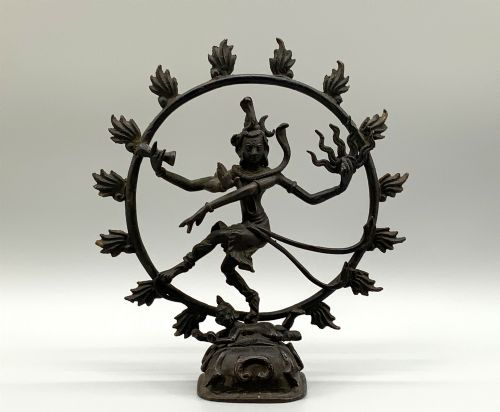
- The Hindu deity Shiva depicted as the lord of dance, usually shown within a cosmic circle of fire. These cast bronze figures capture dynamic movement and complex iconography.
Asian Religious Sculpture: Frequently Asked Questions
How do I care for antique wooden sculptures?
Keep wooden and polychromed figures away from direct sunlight and sudden humidity shifts to protect the underlying material and paint layers. Dust gently with a soft, dry brush without applying cleaning agents.
Stable indoor environments prevent the wood from splitting and preserve the remaining gold leaf and pigment.
How are bronze and copper alloy figures cleaned?
Leave metal surfaces untouched to preserve the natural oxidation and historical patina accumulated over centuries. Wiping with a dry cloth removes surface dust safely.
Polishing metal sculptures strips away age and reduces their historical value.
Where were these sculptures originally placed?
Many of these figures stood within temples, shrines, or domestic altars for ritual use and daily devotion. Monumental examples served as temple guardians, while smaller bronzes functioned as icons for personal meditation.
Their original context dictated their scale and the richness of their surface decoration.