







Hand Carved Deity
These hand carved deity figures span centuries of devotion, bringing centuries-old spiritual artistry straight into modern homes.
Hand Carved Deity
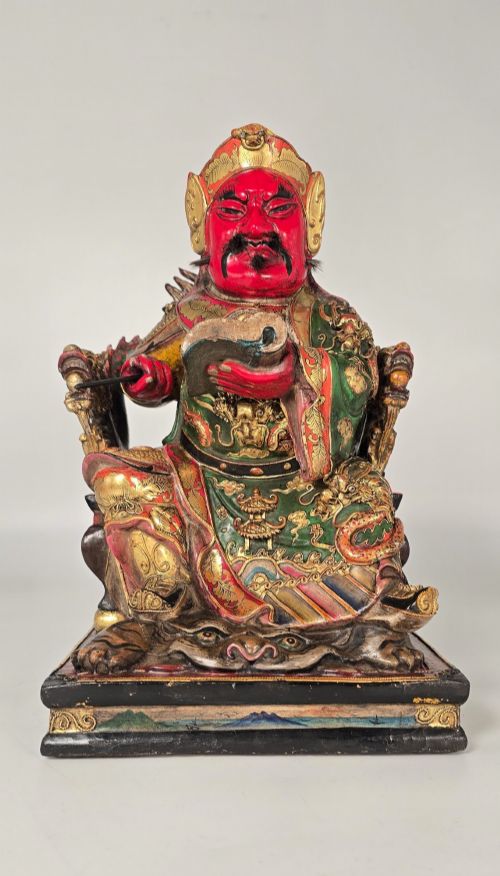
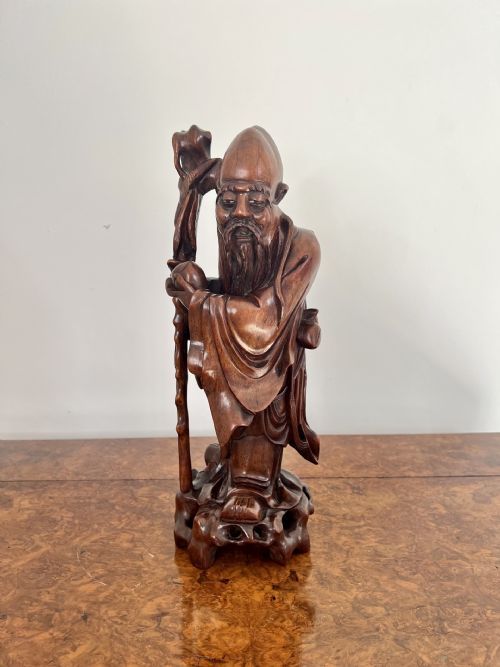
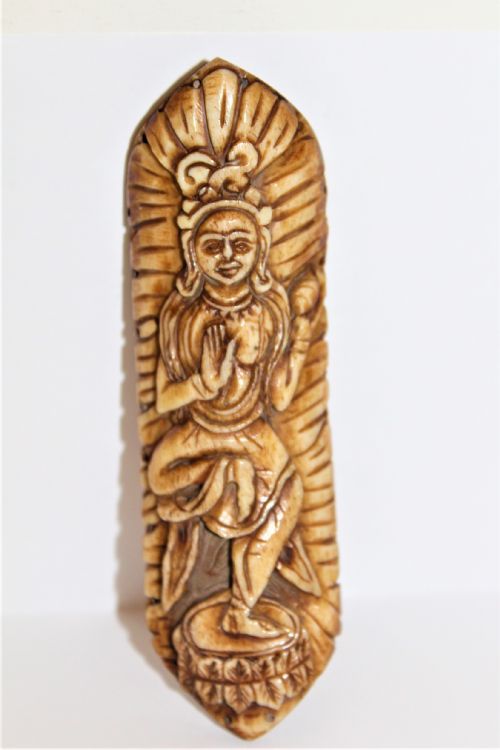
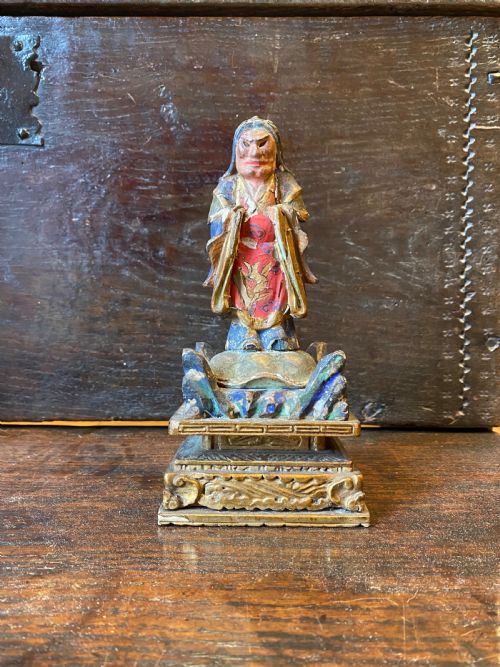
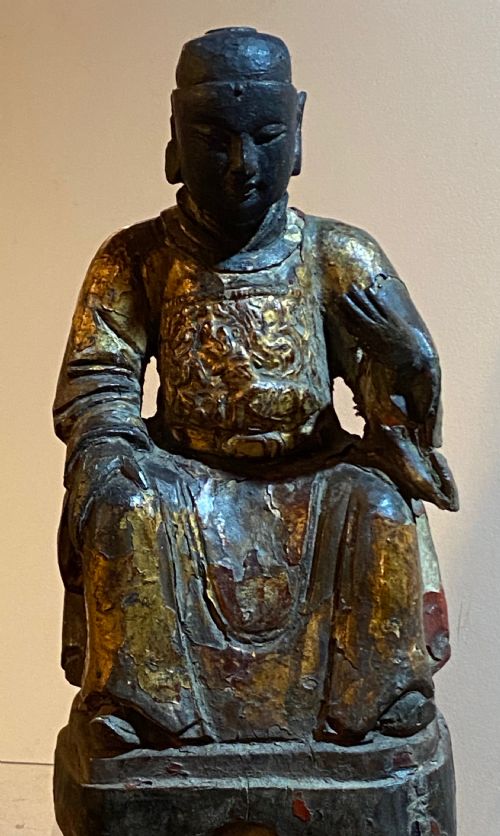
The selections available here lean heavily into nineteenth and early twentieth-century examples from China, India, Bali, Japan, and Tibet. Figures range from deities like Parvati, Vishnu, and Fukurokuju to scholars and unnamed temple guardians. Each piece captures specific regional iconography developed over generations of traditional practice.
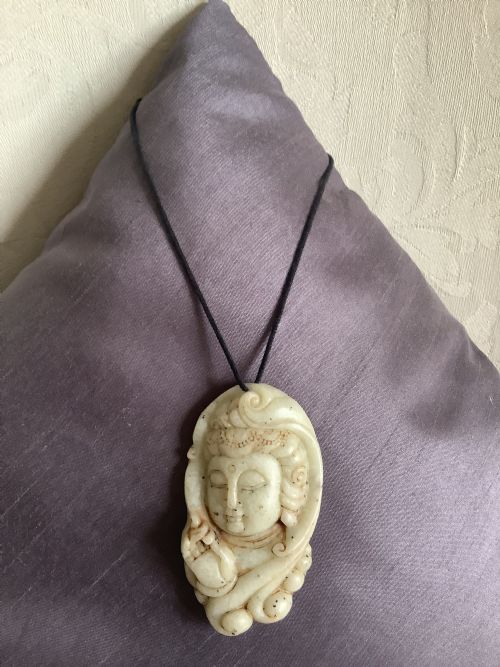
Forms vary from substantial hardwood sculptures meant for altars to small pendants and bone aprons intended for personal wear. Larger works display deep relief and freestanding volume, while smaller objects focus on intricate facial expressions and symbolic attributes. Every category reflects the devotional function of its original setting.
Materials and Methods
Surface treatments complete the sculptural process, incorporating lacquer, gesso, and gold leaf applications. Chinese and Japanese pieces frequently layer lacquer and pigment over carved wooden bases, adding colour and sheen. Gilding highlights sacred vestments and halos, separating divine forms from natural wood backgrounds.
Hand Carved Deity Retail Price Guide 2026
Typical asking prices for hand carved deity among the pieces listed under this phrase on Sellingantiques today, from the lower quarter to the upper quarter. They describe what is for sale here now, not the wider market.
Geographic origins span China, India, Japan, Bali, and Tibet, covering Buddhist, Hindu, and traditional cultural subjects.
Assessing Craftsmanship
Quality rests upon the precision of the carving and the depth of natural patination developed through handling and age. Superior pieces demonstrate confident handling of anatomy, drapery, and facial expression, avoiding stiff or generic proportions. The integration of the material's natural grain into the sculptural design indicates masterly execution.
The preservation of original surface finishes, whether polished hardwood, intact gold leaf, or aged bone, dictates the integrity of the object. Works retaining their original polychrome, lacquer, or gilding present a truer visual history than stripped or heavily restored examples. Balance between sculptural ambition and material capability separates standard workshop output from exceptional artistry.
The Hand Carved Deity Glossary
- Okimono
- A Japanese freestanding decorative carving designed for display in a tokonoma or room interior. These carvings depict deities, historical figures, and animals with intense realism and symbolic detail.
- Patina
- The surface sheen and colour acquired by materials through age, handling, and environmental exposure. A desirable patina shows deep integration of oils and wear without obscuring carved details.
- Hardwood
- Dense, slow-growing timber species including rosewood and boxwood used for durable sculptures. These woods hold fine chisel marks and resist warping over centuries.
- Gilding
- The application of gold leaf or powder to the surface of a wood or stone carving. This technique emphasises sacred status and catches ambient light in dim temple interiors.
- Root wood
- Timber taken from the root burls of trees, valued for gnarled, twisting natural shapes that carvers incorporate into figures. This material creates dynamic, organic compositions unique to each block.
Hand Carved Deity: Frequently Asked Questions
What materials are these figures made from?
The pieces utilise various woods including boxwood, rosewood, and general hardwood, alongside organic bone and jade. Some works incorporate lacquer, gesso, and gold leaf for surface decoration and colour.
Alternative media such as stone and alabaster also appear among the sculptural offerings. Each material dictates the scale and level of fine detail achievable by the carver.
How do I care for antique wooden carvings?
Keep wooden and lacquered figures away from direct sunlight and sudden temperature shifts to prevent splitting. Dust gently with a soft, dry brush without applying modern polishes or oils.
Allow the natural patina to breathe and age without chemical intervention. Stable indoor humidity protects both the timber substrate and delicate surface gilding.
Are these figures from temples or homes?
Origins vary between large temple installations, household shrines, and personal protective amulets. Architectural carvings and standing deities often originate from sacred spaces.
Smaller pendants, okimono, and table figures typically served private devotional or domestic decorative roles. Their scale directly reflects where and how they were originally housed.