







Carved Altar Statue
These carved altar statue pieces bring devotional depth to a room, offering historic sacred sculpture crafted across global traditions.
Carved Altar Statue
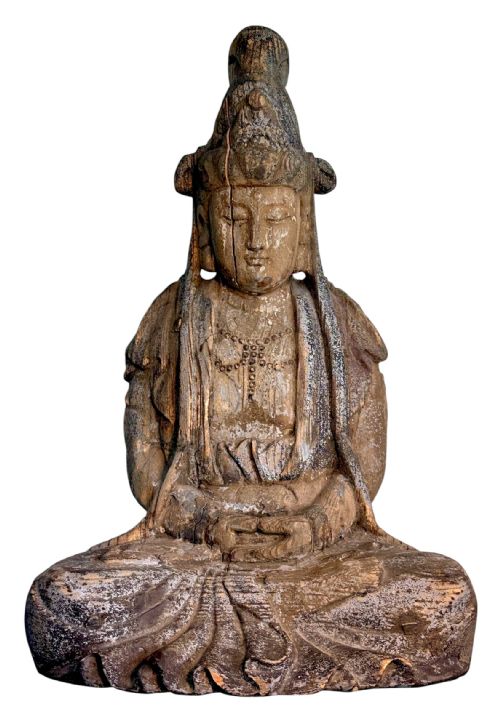
A carved altar statue represents a sacred figure or deity created for devotional display within shrines, temples, or domestic prayer spaces. These works bridge spiritual function with historic sculpture, drawing collectors who value both iconography and period craftsmanship.
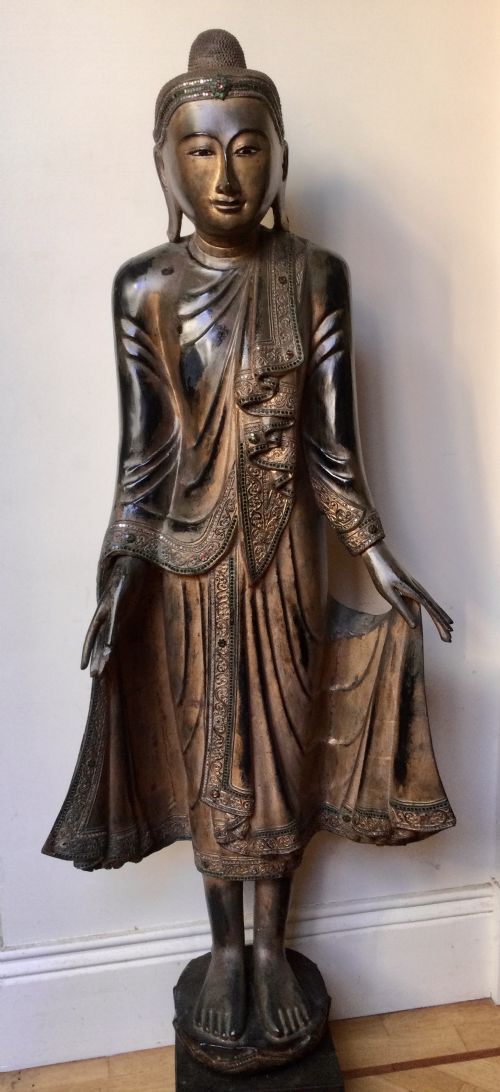
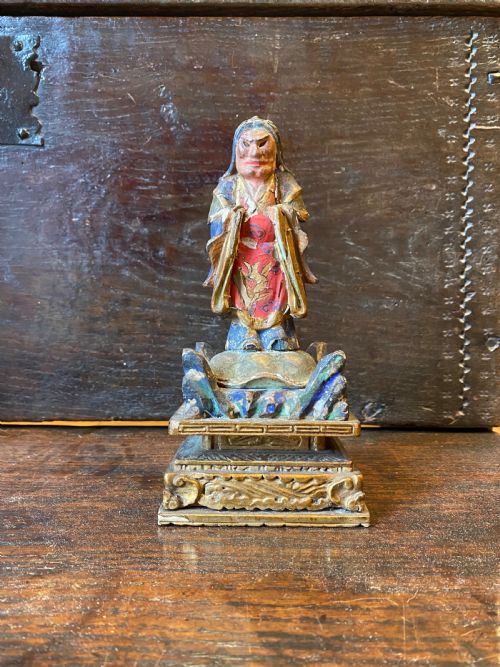
The selection on this page centres primarily on nineteenth-century pieces, including Edwardian and Victorian examples alongside items from around nineteen hundred. Forms range from large wooden Buddhas and Italian angels to Spanish folk art home altars and temple deities.
Geographic origins span Europe and Asia, featuring Italian Baroque expressions, Southeast Asian traditions, and Qing Dynasty influences. Buyers frequently encounter wooden figures finished with gold leaf, polychrome paint, or gesso.
How they were made
Artisans carved these figures primarily from wood, shaping solid timber into expressive forms before applying surface decoration. Stone also appears in specific regional traditions, providing a heavier medium for sacred sculpture.
Certain Southeast Asian works incorporate glass inlay to accentuate garments or ornaments, catching the light and adding textural depth to the carved surface.
Carved Altar Statue Retail Price Guide 2026
Typical asking prices for carved altar statue among the pieces listed under this phrase on Sellingantiques today, from the lower quarter to the upper quarter. They describe what is for sale here now, not the wider market.
Listings feature nineteenth-century pieces alongside Edwardian and Victorian examples, utilising carved wood, gold leaf, and polychrome paint.
What varies in quality
The preservation of original surface finishes, such as gold leaf and polychrome paint, strongly influences the integrity of an item. Patina accumulated through decades of devotional use adds depth, provided the underlying material remains stable.
The Carved Altar Statue Glossary
- Gold Leaf
- Gold beaten into extremely thin sheets and applied to a prepared surface using a size or gesso base. It provides a luminous finish that reflects altar candles.
- Gesso
- A plaster-like mixture applied to wood surfaces as a smooth base for painting or gilding. It seals the wood grain and allows for crisp detail work.
- Santos Figure
- A devotional statue representing a Christian saint or holy figure, common in Spanish and Latin American folk art traditions. These figures often wear fabric garments or feature articulated limbs.
- Shrine
- An enclosure or architectural structure housing a sacred image or relic for veneration. Shrines often incorporate carved doors, gilt frames, or structural canopies.
Carved Altar Statue: Frequently Asked Questions
What is a carved altar statue?
A carved altar statue is a devotional sculpture created for placement in a religious setting, shrine, or domestic prayer space. These pieces depict deities, saints, or angels and serve as focal points for contemplation.
Materials typically include wood, stone, and gesso, often enriched with gold leaf or polychrome paint by period artisans.
How were these statues used?
These figures stood on household altars, temple shrines, or church altarpieces where they received daily veneration, offerings, and prayers. Their presence anchored sacred rituals within domestic and communal spaces.
Over time, exposure to candle smoke, incense, and handling contributed to the organic wear and rich patina seen on many surviving examples.
How do I live with an altar statue?
Integrating a sacred sculpture into a modern interior involves placing it on a stable surface away from direct sunlight, radiators, or excessive moisture. This protects fragile wood, gold leaf, and painted surfaces from deterioration.
Allowing the piece room to breathe as a sculptural focal point highlights its historical craftsmanship and contemplative presence without requiring elaborate display cases.
How can I tell periods apart?
Differentiating periods relies on observing stylistic markers, such as the exuberant curves of Italian Baroque forms versus the restrained lines of Edwardian or Victorian devotional objects. Tool marks, material preparation, and underlying aesthetic conventions also provide clues to age.
Comparing regional traditions, from Spanish folk art altars to nineteenth-century Asian temple figures, helps contextualise the origin and approximate date of each piece.