







Buddhist Religious Sculpture
These buddhist religious sculpture pieces bring centuries of devotion into a room, fashioned from bronze, wood, and lacquer by hands long gone.
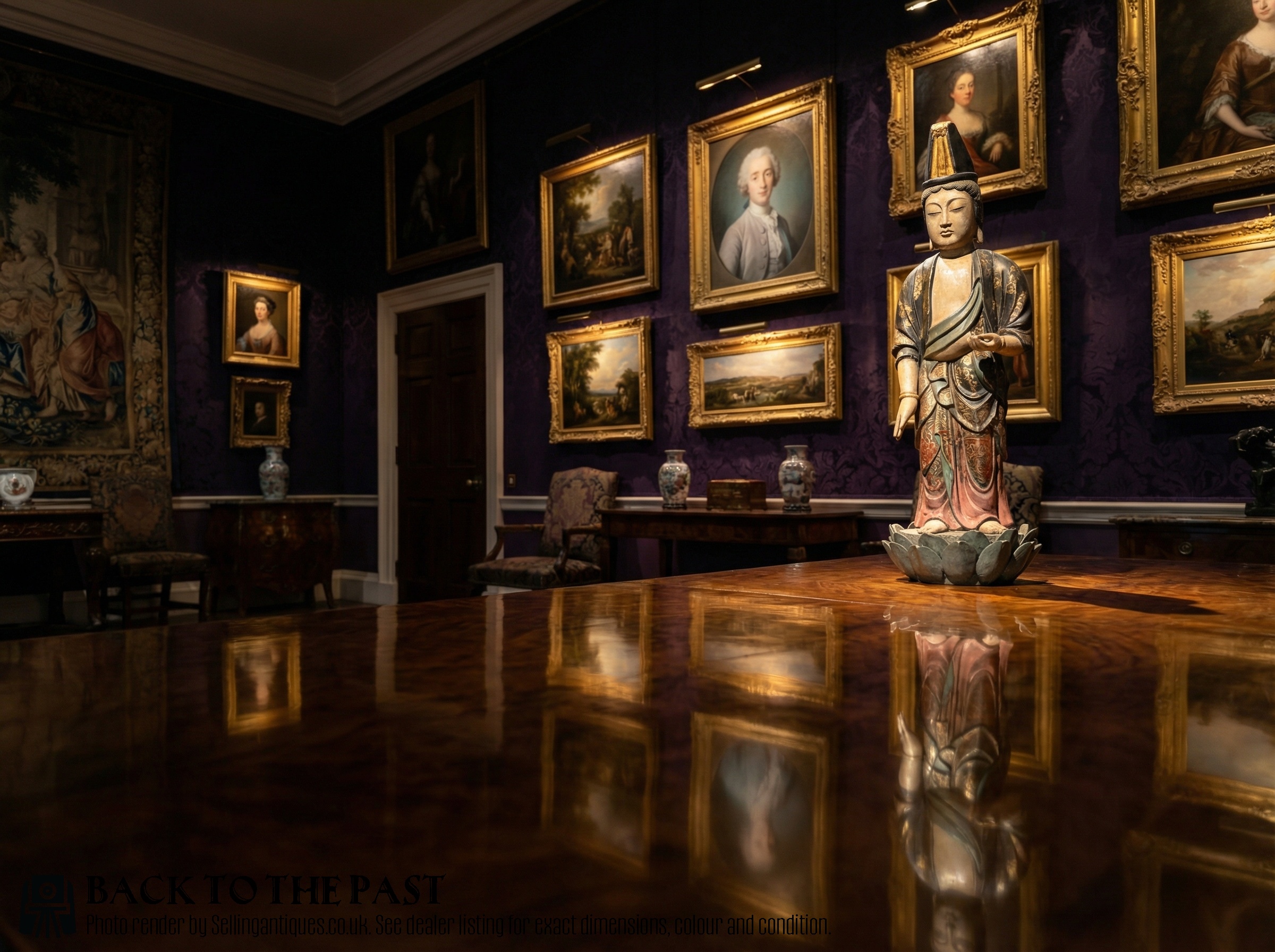
Buddhist Religious Sculpture
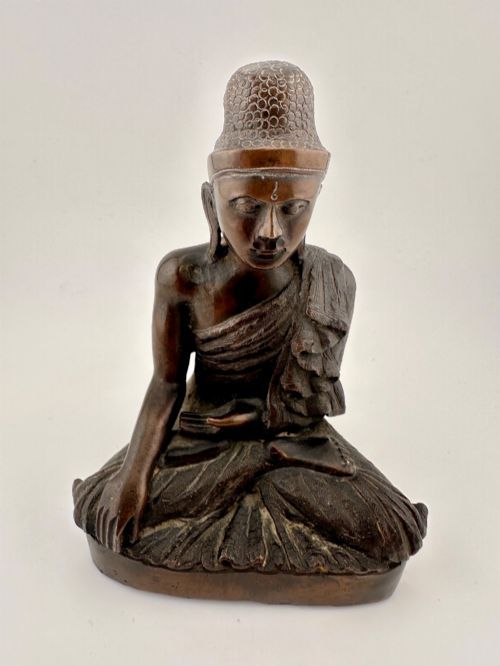
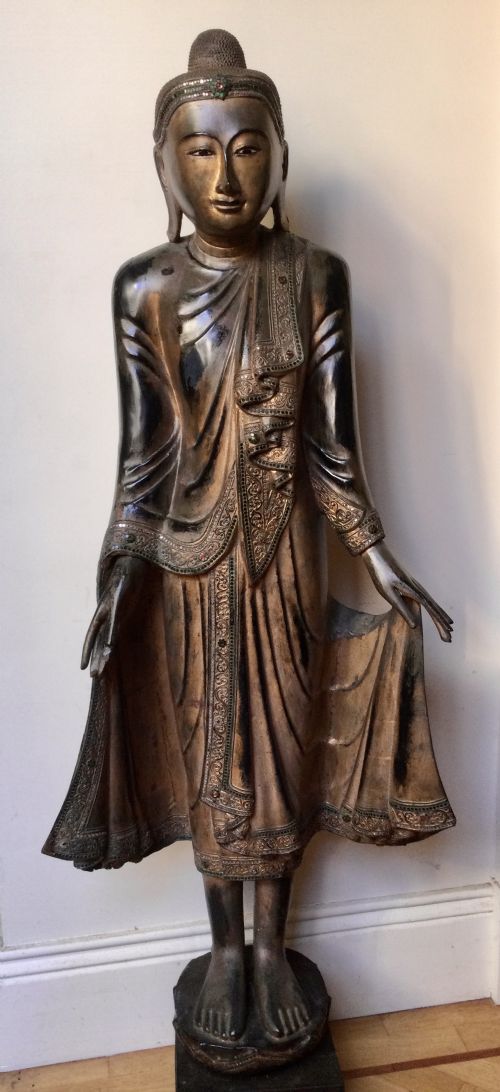
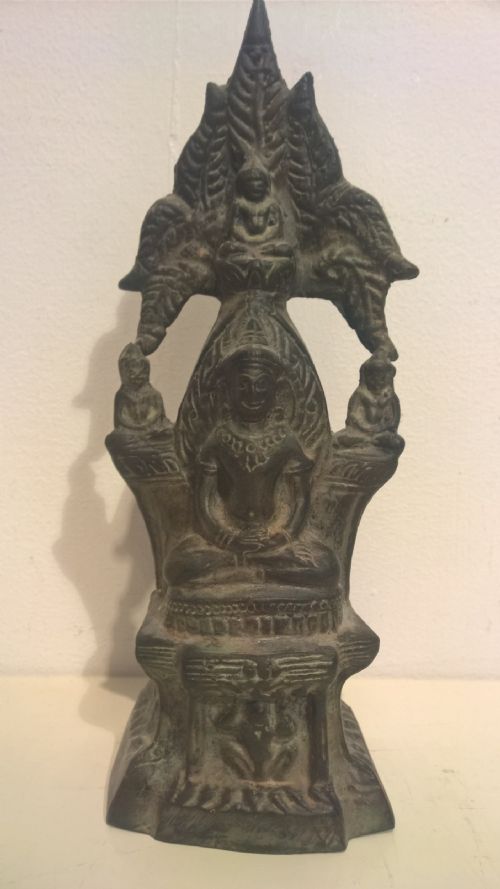
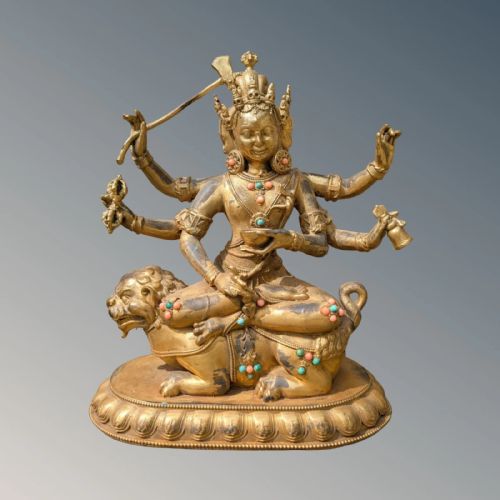
When you search for buddhist religious sculpture, you encounter figures and heads originating from Southeast Asian, Sino-Tibetan, and Chinese traditions. The selection spans centuries, taking the form of seated deities, standing statues, and isolated heads created for worship or meditation.
The most common examples you meet on this page are carved wood and cast bronze figures dating from the nineteenth century. These objects capture revered figures such as the Buddha, Guanyin, and Avalokiteshvara in traditional postures and gestures.
How they were made
The metal pieces in the listings rely on bronze casting, sometimes finished with gilding to highlight the sacred form. Artisans poured molten metal into moulds, occasionally polishing the solid bronze to a smooth sheen or applying glass inlay for decorative detail.
Buddhist Religious Sculpture Retail Price Guide 2026
Typical asking prices for buddhist religious sculpture among the pieces listed under this phrase on Sellingantiques today, from the lower quarter to the upper quarter. They describe what is for sale here now, not the wider market.
Several figures maintain a serene expression despite having witnessed centuries of shifting dynasties.
What varies in quality
The survival of original surface finishes, whether gilding, polychrome paint, or lacquer, dictates the visual power of the sculpture. Pieces retaining undisturbed layers of their historical decoration command greater attention than those stripped or heavily reworked over time.
The Buddhist Religious Sculpture Glossary
- Bhumisparsha Mudra
- The earth-touching gesture, depicted with the right hand reaching down to touch the ground. This mudra calls the earth to witness the Buddha's enlightenment.
- Guanyin
- A revered East Asian bodhisattva associated with compassion. Sculptures of this figure frequently appear in carved wood with polychrome or gilt surfaces.
- Gilt bronze
- Metalwork coated with a thin layer of gold or gold leaf. This technique imparted a luminous finish to sacred figures.
- Ayutthaya Style
- An artistic tradition originating from Thailand, noted in sixteenth-century bronzes. It reflects the distinctive aesthetic of the Ayutthaya period.
Buddhist Religious Sculpture: Frequently Asked Questions
What is a mudra?
A mudra is a symbolic hand gesture used in Buddhist imagery to convey specific teachings or states of mind. Each position holds a distinct meaning understood by practitioners.
Recognising these gestures helps identify the subject and the regional tradition behind the sculpture. They are fundamental to interpreting the narrative of the figure.
Where should I place a bronze figure?
These sculptures require a stable surface away from direct heat sources and dramatic humidity fluctuations. Placing them on a sturdy shelf or cabinet ensures they remain secure.
Allowing adequate space around the piece lets the form be viewed clearly from multiple angles. Soft, indirect lighting enhances the metallic contours without causing damage.
How do I clean polychrome wood?
Dusting should be performed gently with a dry, soft brush to avoid disturbing fragile paint or gilt layers. Moisture and chemical cleaners must be avoided entirely.
Professional conservation is recommended if deeper cleaning becomes necessary. Preserving the remaining pigment is the primary concern when handling these antique surfaces.