





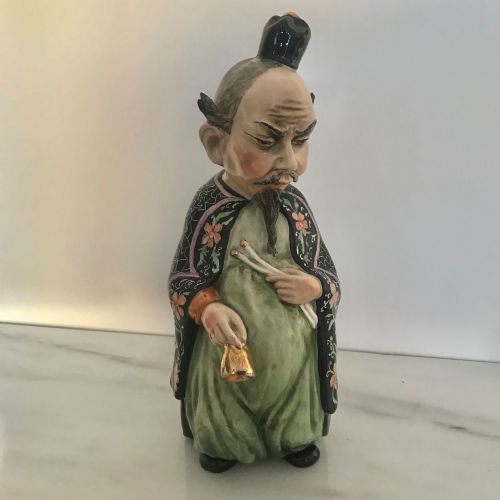
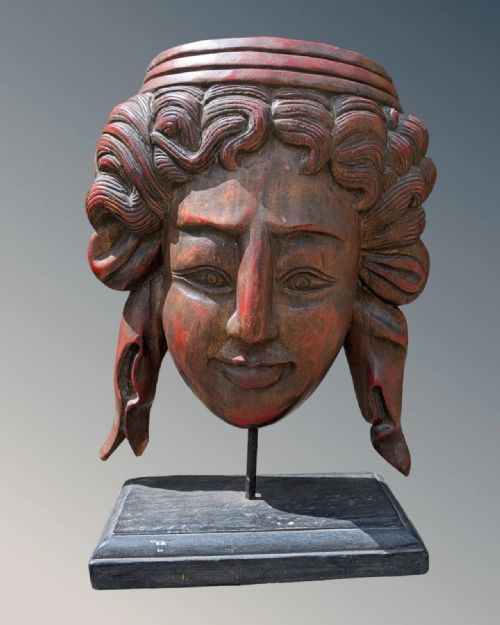
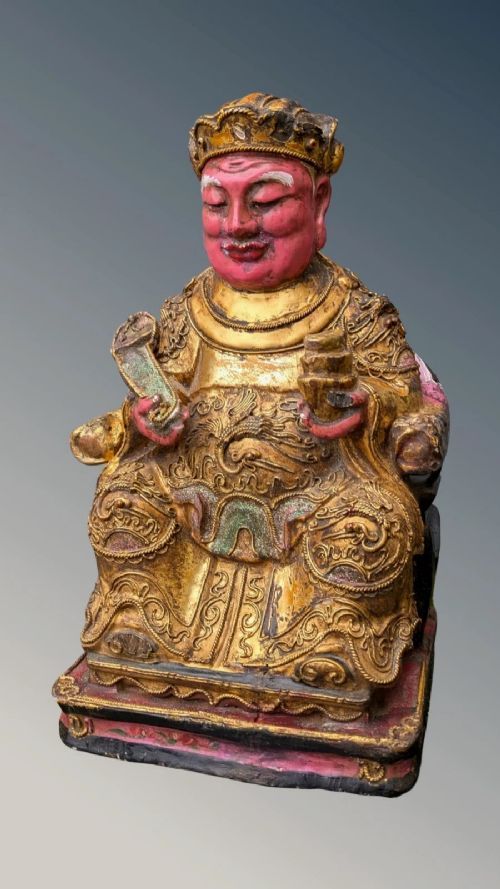


Oriental Polychrome Sculpture
These oriental polychrome sculpture pieces combine carved wood, painted detail and glazed ceramic, offering collectors a rich tradition of figurative art spanning several centuries.
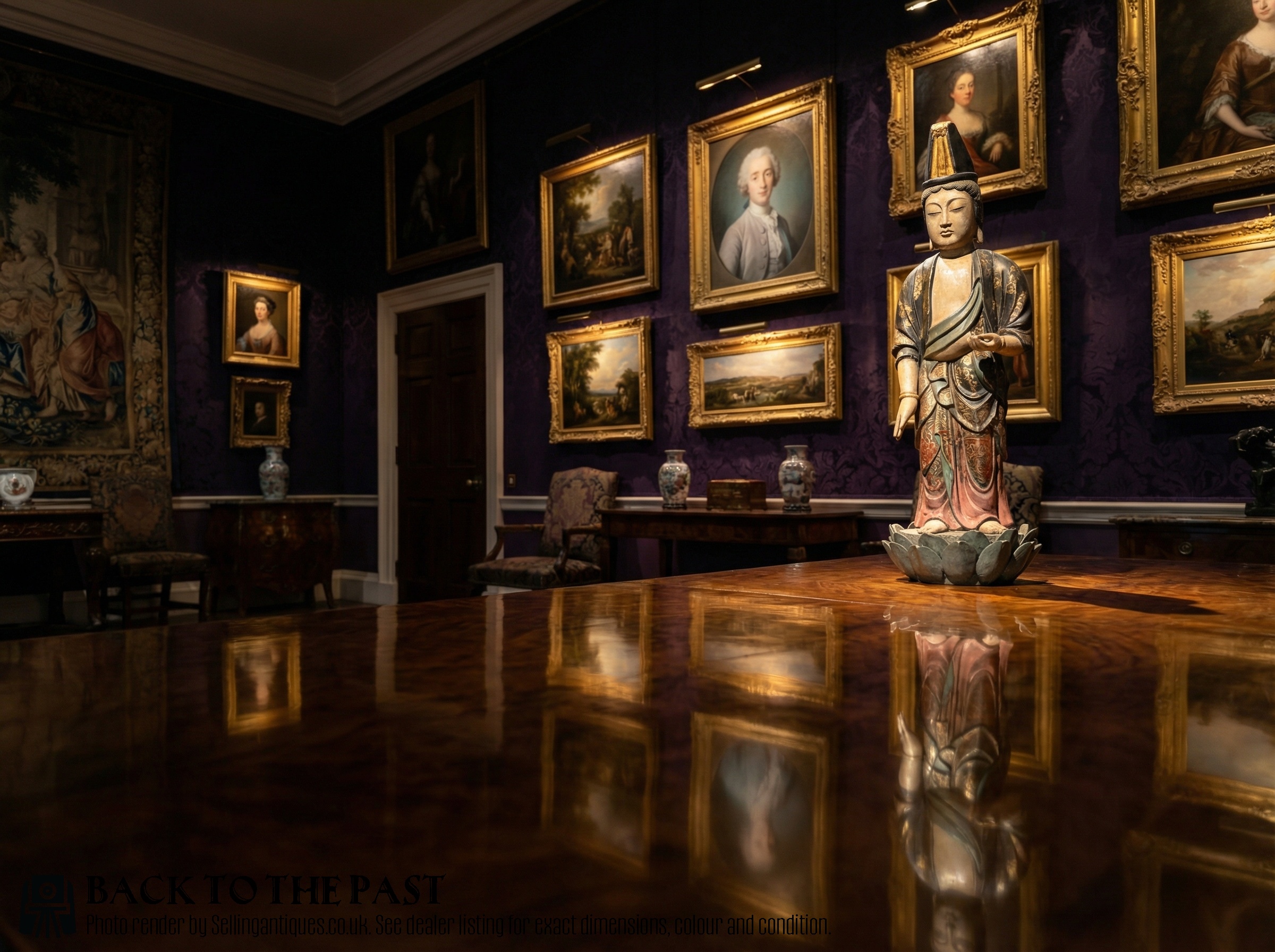
Oriental Polychrome Sculpture
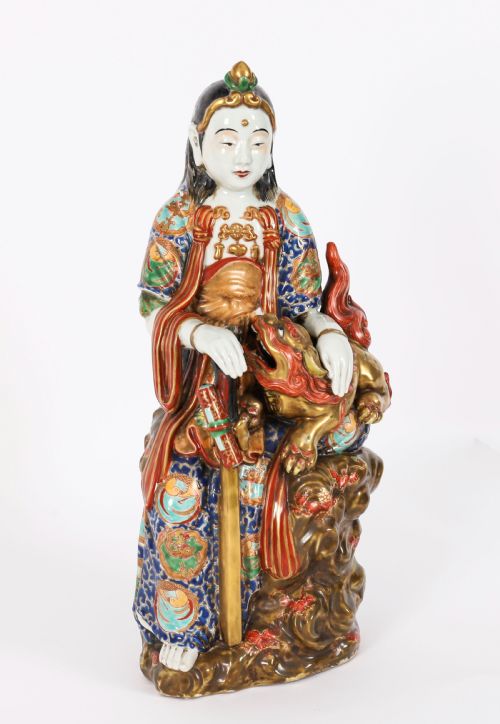
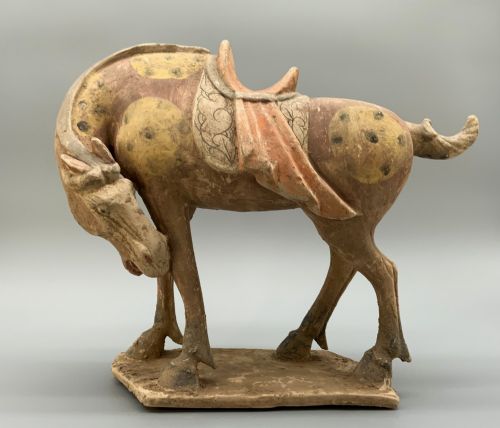
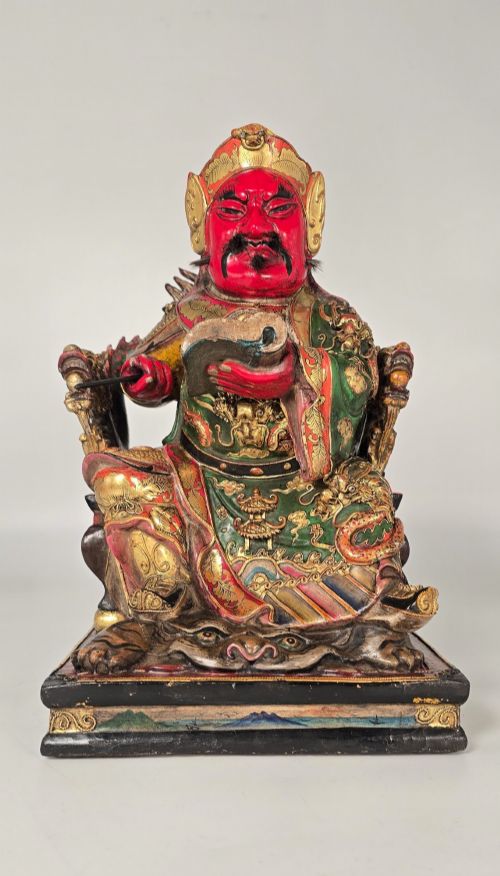
Oriental polychrome sculpture encompasses figures, statues and figurines originating from diverse Asian traditions, spanning periods from pre-sixteenth century examples to the early twentieth century. Buyers encounter carved wood temple deities, ceramic animals and porcelain figures representing deities, scholars and mythical subjects.
The selection includes Japanese Meiji period porcelains and okimono alongside Chinese carved wood figures from the Qing and Ming periods. South East Asian wood carvings and plaster Orientalist pieces also appear among the varied forms available.
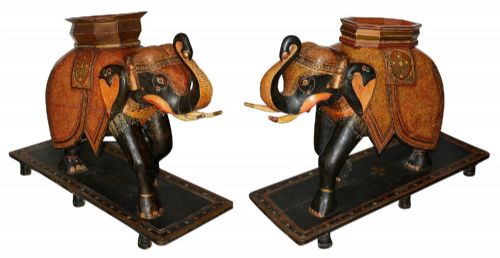
Figurative works range from small okimono to monumental temple guardians and life-size statues. Collectors select these objects to represent specific historical periods and regional artistic practices.
Materials and Techniques
Carved wood provides the primary support for many temple figures and ritual statues, often finished with gesso, gold leaf, lacquer and hand-painted polychrome pigments. Artisans shaped dense timbers into intricate deities, animals and immortals before applying detailed surface decoration.
Ceramic and porcelain works utilise specialised glazing techniques, including sancai glazes, hand enamel and cloisonné. Kiln-fired pieces achieve durable finishes that retain bright polychrome colours across centuries of handling and display.
Oriental Polychrome Sculpture Retail Price Guide 2026
Typical asking prices for oriental polychrome sculpture among the pieces listed under this phrase on Sellingantiques today, from the lower quarter to the upper quarter. They describe what is for sale here now, not the wider market.
Several listings include whimsical ducks made from porcelain and wood, proving that ancient artisans also appreciated waterfowl.
Evaluating Quality
Quality rests in the precision of the carving and the preservation of the original painted, gilt or glazed surface. Master carvers achieved depth and naturalism in drapery and facial expressions, whereas lesser pieces show static forms and coarser tool marks.
The integrity of the polychrome surface dictates value, as original pigments and gold leaf demonstrate the intended artistry. Later repaint obscures original detail and diminishes historical authenticity.
Makuzu Kozan II
The Oriental Polychrome Sculpture Glossary
- Polychrome
- Decorated in multiple colours. This term describes statues and ceramics painted or glazed with various hues.
- Okimono
- A Japanese ornamental carving designed for display. These decorative figures typically depict animals, deities or cultural figures from the Meiji period.
- Sancai
- A three-colour glaze technique used in Chinese pottery. The method typically combines amber, green and creamy white glazes.
- Guanyin
- A bodhisattva associated with compassion. Sculptures of this figure appear frequently in Chinese wood and porcelain.
- Cloisonné
- Enamelwork created by applying vitreous enamel to compartments formed by strips of metal. The technique produces vibrant decorative surfaces on metal bodies.
Oriental Polychrome Sculpture: Frequently Asked Questions
How do I care for wooden polychrome figures?
Wooden figures require stable indoor humidity and protection from direct sunlight to preserve the painted and gilt surfaces. Dusting should occur gently with a dry, soft brush.
Avoid liquid cleaners or chemical polishes, which can damage the historic pigments and lacquer.
What is sancai glaze?
Sancai is a traditional Chinese glazing method utilising a palette of three colours, most commonly amber, green and creamy white. Potters applied these lead-glazed colours to earthenware bodies.
The glazes run and intermingle during the firing process, creating distinctive patterns on pottery figures and horses.
How are Ming and Qing pieces told apart?
Ming dynasty works often exhibit robust forms and specific regional glazes or sandstone carving styles dating between the fourteenth and seventeenth centuries. Qing period items frequently display greater surface detail, intricate lacquerwork and refined porcelain enamelling.
Stylistic conventions and material preparation help differentiate the two historical periods.