
Pair Mahogany Carver Chairs
These pair mahogany carver chairs bring balanced symmetry and enduring timber warmth to a room, offering both practical seating and architectural presence.

Pair Mahogany Carver Chairs
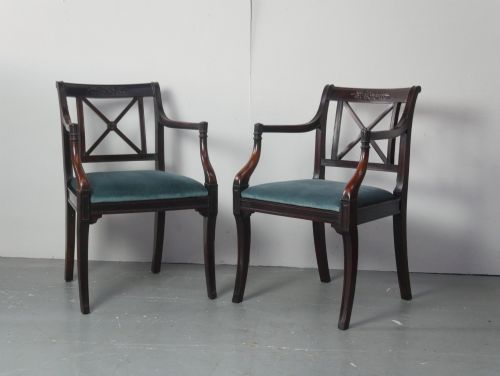
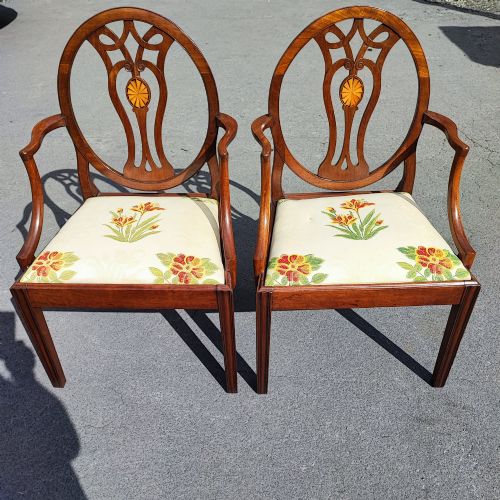
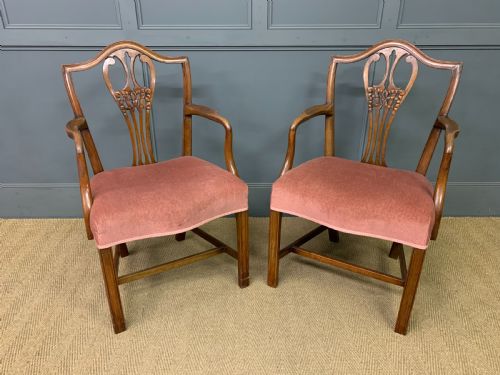
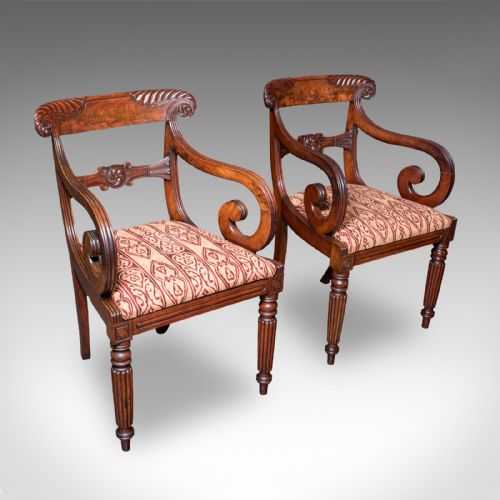
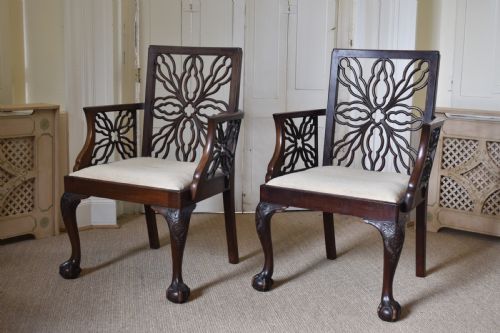
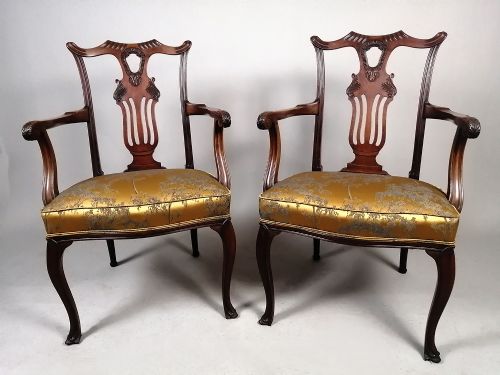
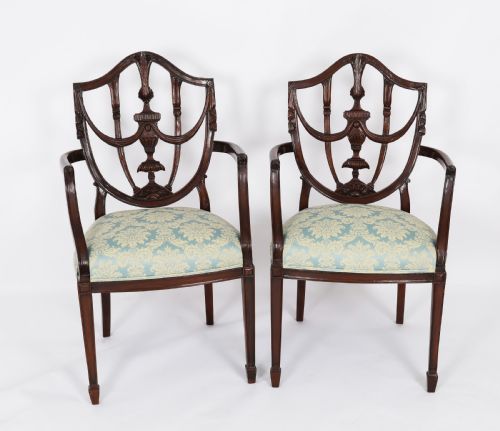
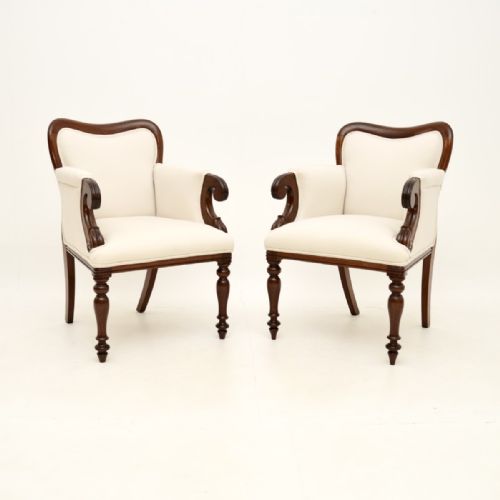
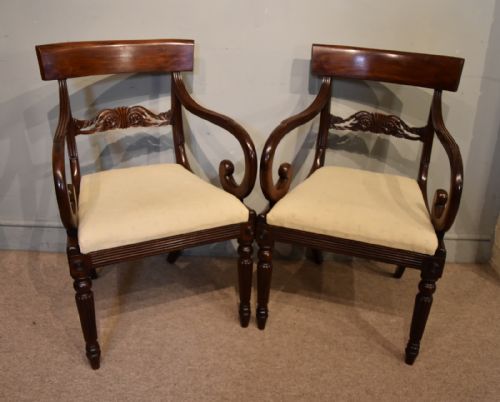
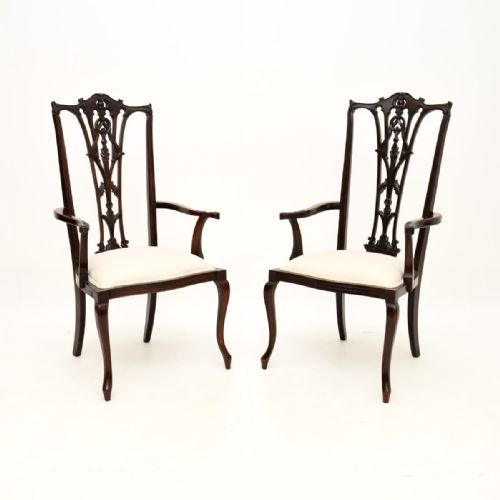
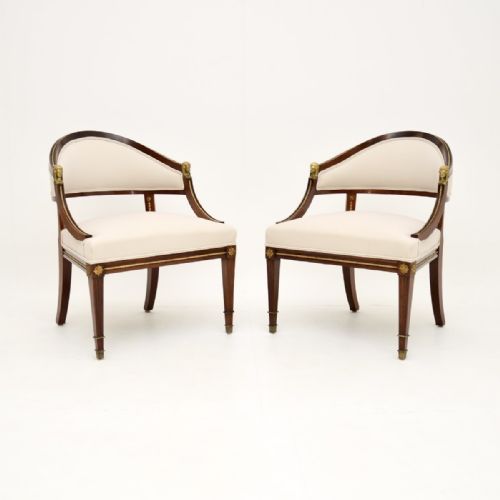
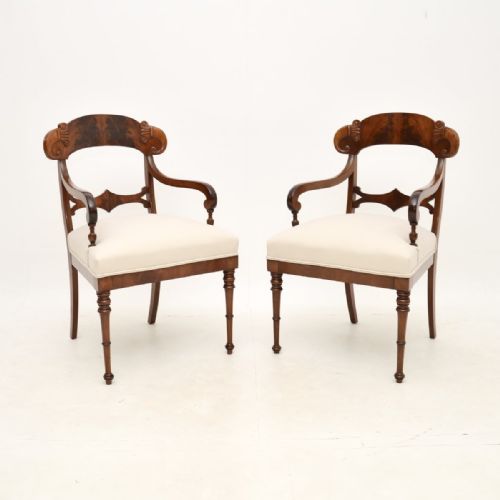
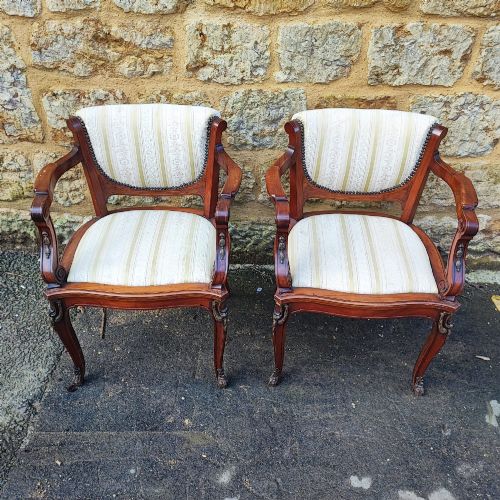
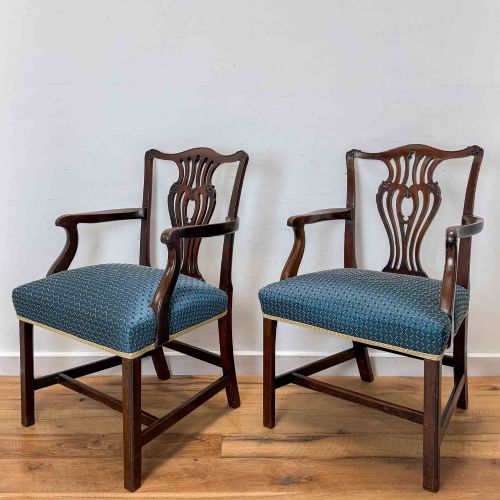
When searching for pair mahogany carver chairs, buyers encounter matched seating designed for the heads of a dining table or for prominent placement in a reception room. These open armchairs date primarily from the Georgian, Regency, and Victorian periods, alongside later revival interpretations from the Edwardian era and around nineteen hundred.
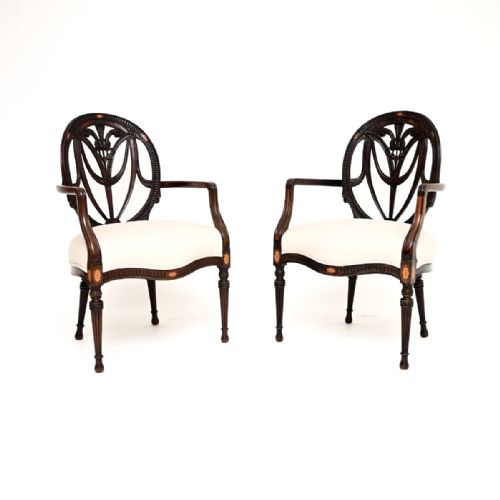
The material palette centres firmly on rich mahogany, frequently paired with upholstered seats in leather, velvet, or woven textile. Forms range from restrained classical lines to elaborate Chippendale and Hepplewhite styles featuring carved splats and scroll arms.
Materials and Construction
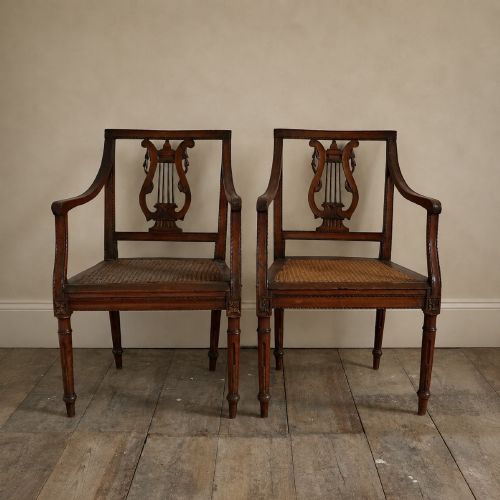
Cabinetmakers utilised dense, stable mahogany timber to achieve slender structural elements like lyre backs, shield backs, and cabriole legs without sacrificing weight-bearing strength. Surface enrichment often included delicate satinwood string inlay, brass accents, and fine hand-carving along the top rails and knuckles.
Upholstery techniques varied from drop-in padded pads covered in leather or textile to fixed horsehair stuffing secured with brass studs.
Some nineteenth-century carver chairs feature hidden maker stamps tucked beneath the seat rails.
Distinctions in Quality
Quality rests in the crispness of the joinery and the depth of the timber's grain and figure, where superior examples display tight joints and carefully selected mahogany boards. The precision of hand-carved details, such as acanthus leaves or fluted arm supports, separates workshop production from standard output.
Original upholstery methods and period-appropriate hardware enhance desirability among collectors seeking untouched integrity.
The Pair Mahogany Carver Chairs Glossary
- Carver chair
- An armchair, traditionally placed at the ends of a dining table, featuring supportive open arms designed to accommodate formal attire.
- Elbow chair
- An alternative term for an armchair, highlighting the prominent armrests flanking the seat.
- Lyre back
- A chair back featuring an open splat shaped in the symmetrical outline of a classical musical lyre.
- Shield back
- A chair back carved in the distinct contour of a heraldic shield, popularised during the late eighteenth century.
- String inlay
- Fine, linear contrasting wood veneer set flush into channels cut into the primary mahogany surface.
Pair Mahogany Carver Chairs: Frequently Asked Questions
How were carver chairs used historically?
These armchairs served as principal seats at the heads of dining tables or as occasional reception seats in parlours and morning rooms.
Their substantial form denoted status and offered greater comfort than side chairs.
Are these chairs suitable for daily dining?
Most period examples remain structurally robust enough for regular domestic use when maintained properly.
Checking joint stability ensures longevity in contemporary settings.
How do I distinguish Georgian from revival pieces?
Georgian pieces display eighteenth-century construction methods, timber ageing, and tool marks unique to the period.
Revival pieces, made around nineteen hundred, often employ machine assistance and standardise timber cuts.
What maintenance do mahogany carver frames require?
Regular dusting with a dry cloth and occasional application of appropriate beeswax preserves the polished timber surface.
Direct sunlight and extreme temperature shifts should be avoided to prevent wood splitting.