

Pair Mahogany Cabinets
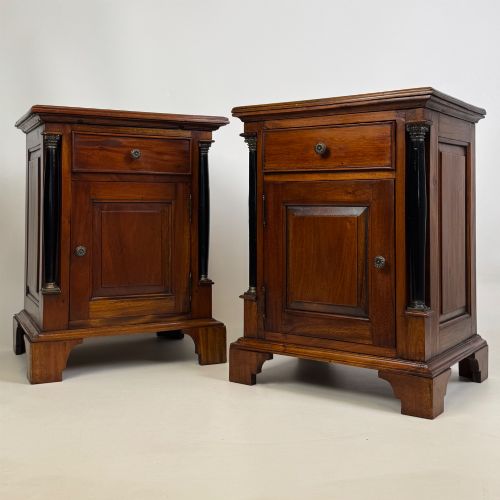
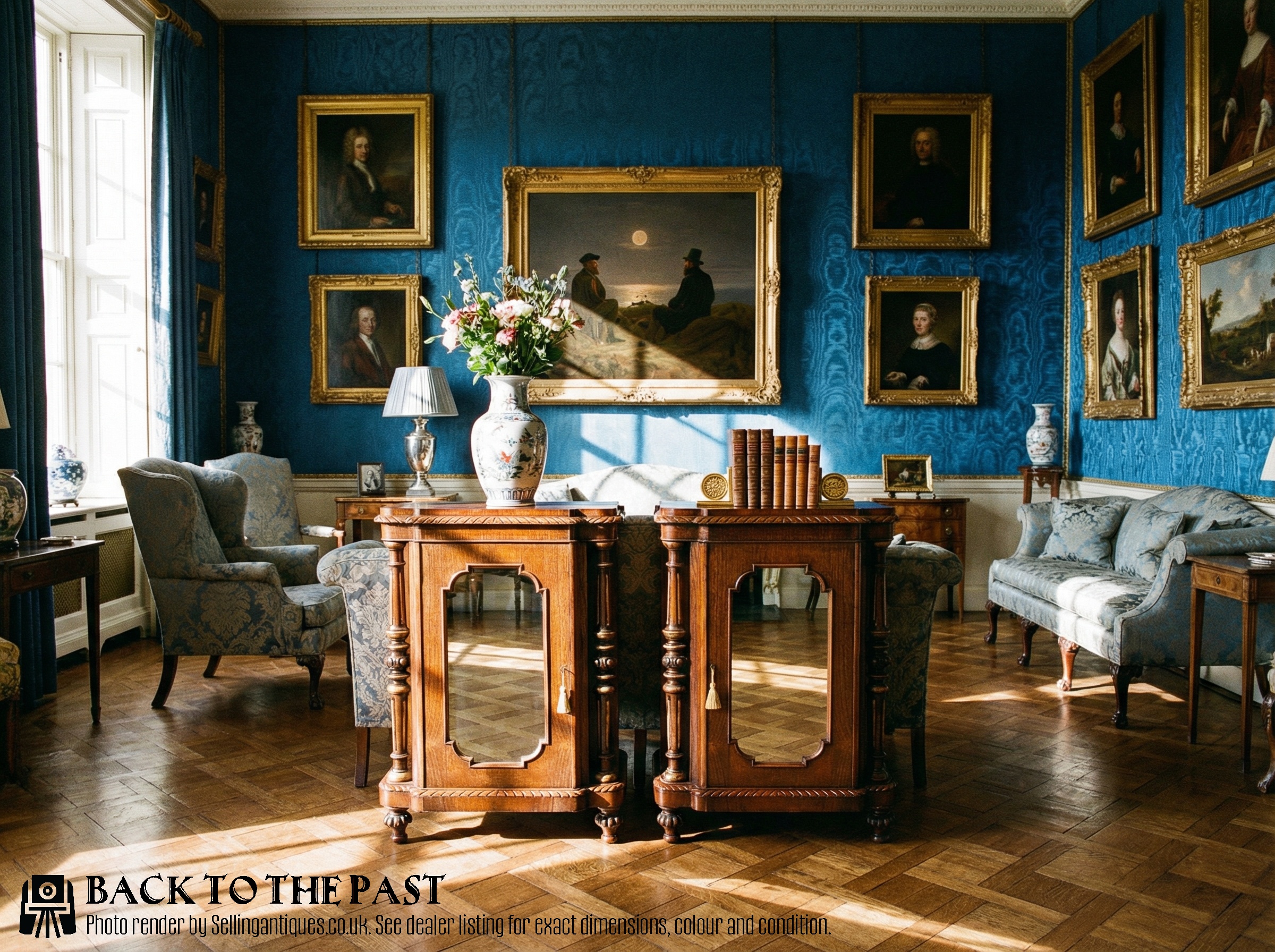
When you search for pair mahogany cabinets, you find matched or similar dual storage pieces designed to flank a bed or anchor a room with timber symmetry.
Pair Mahogany Cabinets
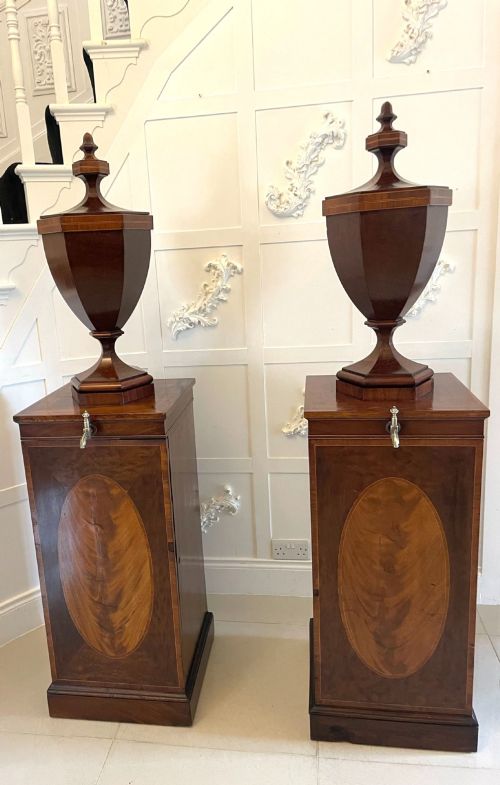
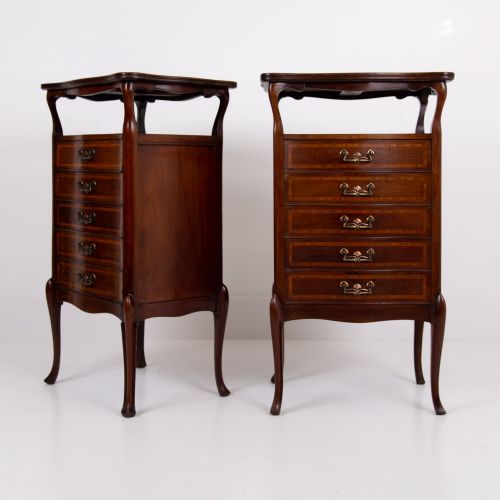
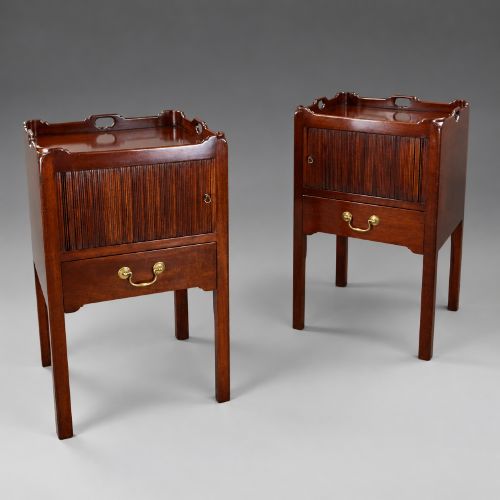
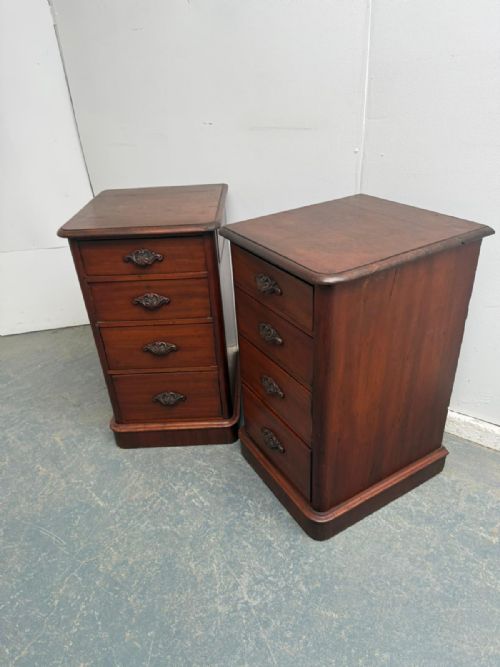
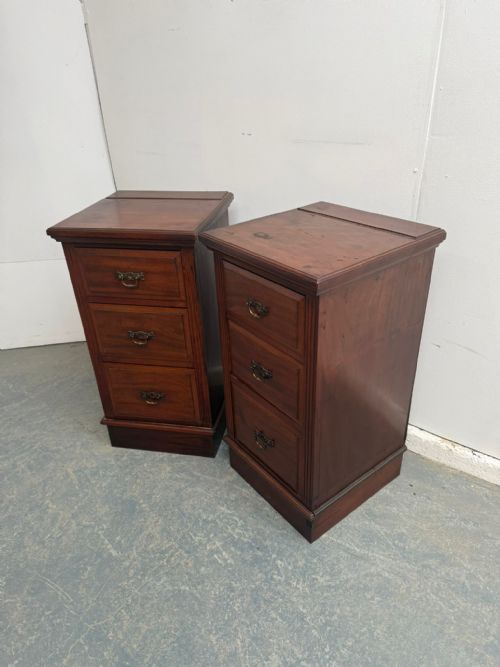
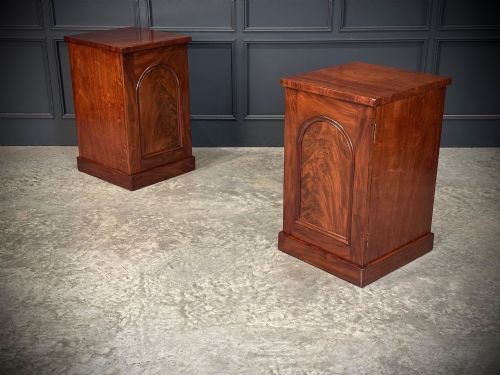
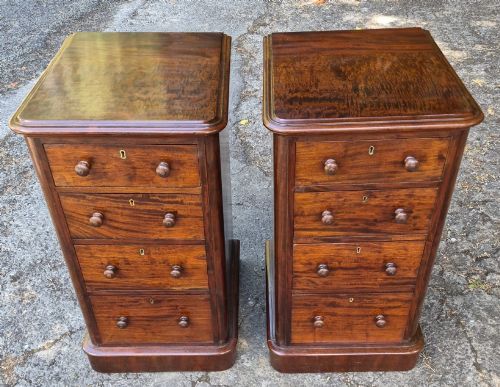
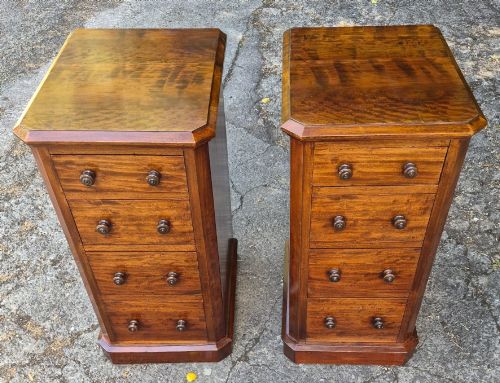
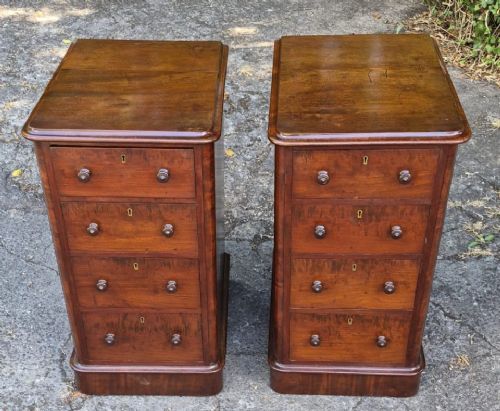
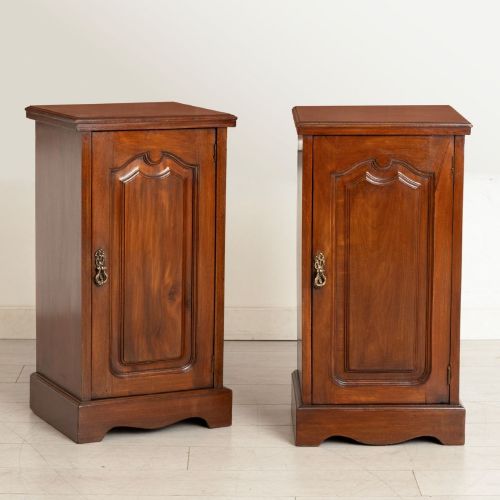
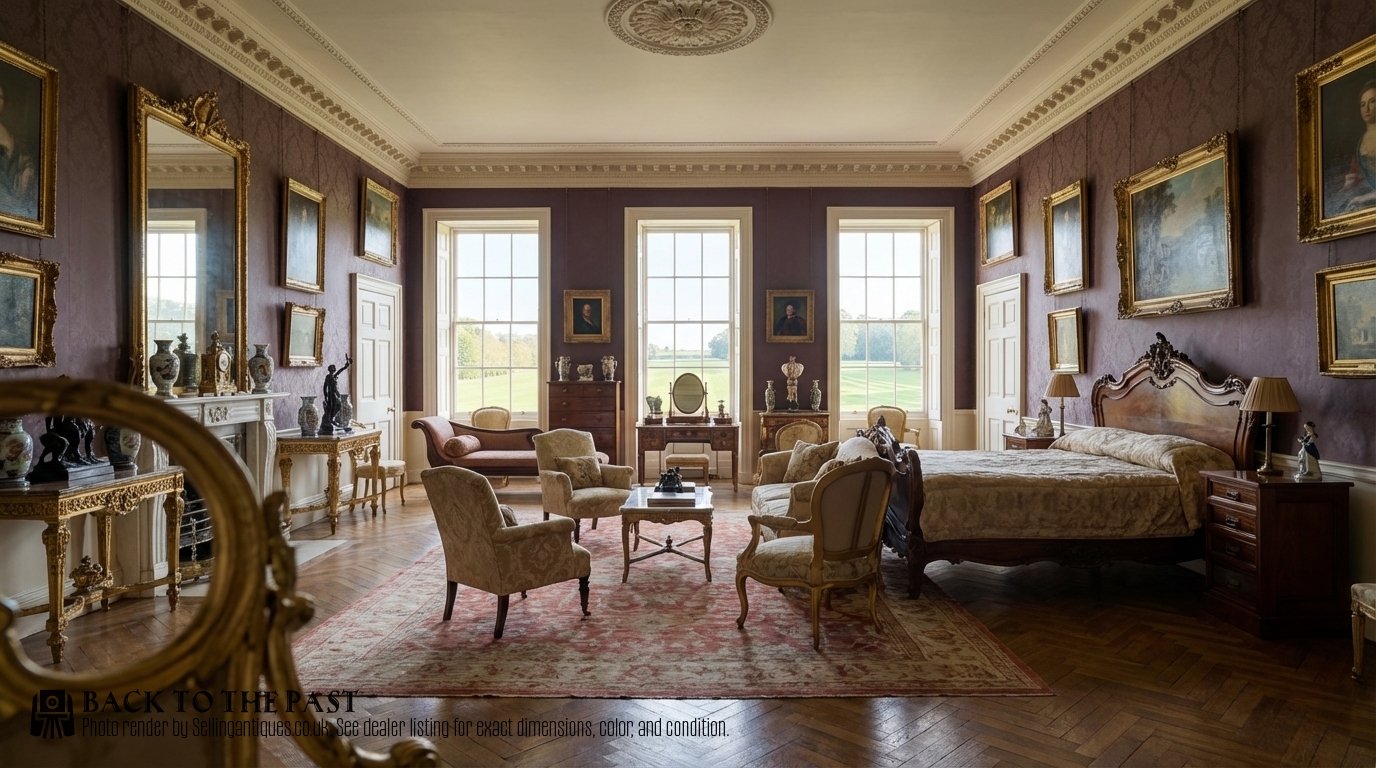
A search for pair mahogany cabinets reveals a dominant proportion of bedside chests, nightstands, and compact cupboards originating from the Georgian, Victorian, and Edwardian eras. These dual pieces were manufactured to stand symmetrically on either side of a bed or to serve as lamp tables and small side storage within domestic chambers.
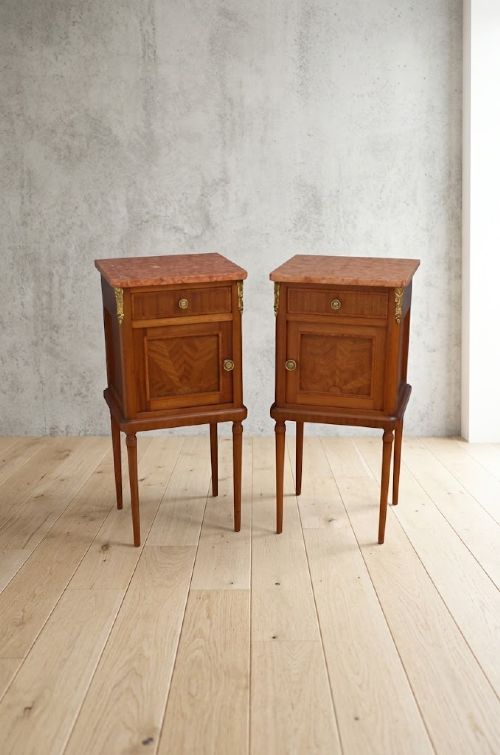
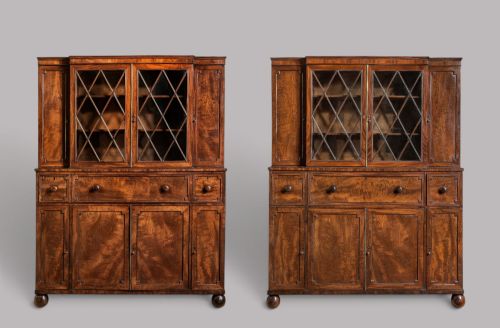
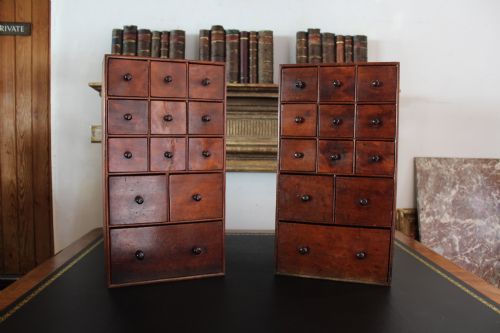
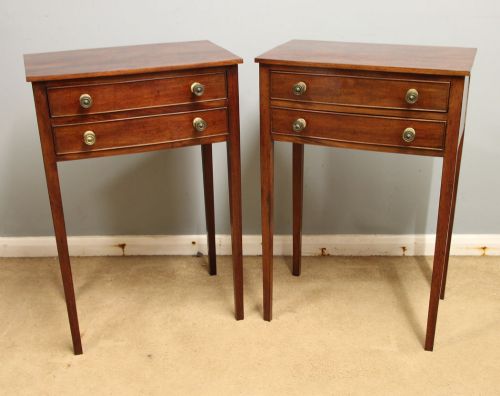
The selection ranges from tall multi-drawer chests and pedestal cupboards to marble-topped bedside units and occasional lamp tables. Victorian and Edwardian examples appear frequently, alongside revival styles that mirror earlier Georgian and Regency craftsmanship.
How they were made
Cabinet makers built these pieces using solid timber frames alongside applied veneers, frequently selecting flame mahogany to create striking grain patterns across door fronts and drawer faces. Satinwood stringing and brass handles or mounts provided contrast on Edwardian and Georgian revival iterations.
Surface finishing relied heavily on traditional wax polishing to seal the wood and enrich the natural reddish-brown tone of the material. Selected Victorian and later pieces incorporated inset marble tops to offer a durable, waterproof surface for wash basins or bedside lamps.
Some nineteenth-century bedside cabinets discreetly housed chamber pots before plumbing moved indoors.
What varies in quality
The calibre of a matched set rests upon the consistency of the timber selection between the two items, particularly when flame mahogany veneer is employed to mirror grain patterns across both fronts. Superior examples maintain structural integrity through tight joinery, smooth drawer action, and original brass hardware.
Subtleties in carving detail, such as hand-cut dovetails and crisp edge moulding, separate standard utilitarian production from high-workshop outputs attributed to notable makers. The retention of matching proportions and uniform fading over time dictates the visual harmony of the pair.
Gillows·Warings Liverpool·Holland and Sons
The Pair Mahogany Cabinets Glossary
- Flame mahogany
- A veneer cut from the fork of the mahogany tree where the branch meets the trunk, producing a distinctive fire-like ripple pattern. Cabinet makers used this figure on prominent surfaces like drawer fronts to create visual impact.
- Pedestal cupboard
- A standalone vertical cabinet, often cylindrical or column-like, designed to house small items or chamber ware. These units frequently appear in Georgian and Regency configurations.
- Dovetail
- A traditional joint formed by interlocking wedge-shaped fingers, securing drawer corners without relying entirely on metal fasteners. Hand-cut variations indicate older, pre-industrial manufacturing methods.
- Satinwood
- A pale, durable exotic timber utilised for contrasting inlay and stringing lines on Edwardian and Georgian revival cabinetry. It provides a bright golden border against deeper mahogany surfaces.
Pair Mahogany Cabinets: Frequently Asked Questions
Are these cabinets always identical pairs?
Many sets are true pairs manufactured together in the same workshop, sharing identical dimensions, timber grain, and hardware. Others are assembled as near-pairs, where two individual pieces with matching height, period, and timber are brought together over time.
Buyers seeking absolute symmetry should examine the grain patterns and drawer counts closely. Near-pairs often display minor individual traits that reflect their separate origins before being matched together.
How do I care for waxed mahogany surfaces?
Waxed mahogany benefits from regular dusting with a soft, dry cloth to prevent particulate buildup on the timber. Applying a quality bees-based furniture wax periodically nourishes the wood and maintains the deep lustre of the polish.
Avoid placing these cabinets in direct sunlight or near heat sources, as excessive warmth can dry out the mahogany and cause timber splitting or veneer lifting. Using coasters under drinks protects the wax finish from moisture marks.
What is the difference between bedside chests and cupboards?
Bedside chests feature multiple horizontal drawers stacked vertically, offering segmented storage for smaller personal items and nightwear. Cupboards typically feature a single hinged door concealing an open interior compartment or shelf.
Both forms served similar functions in period bedrooms but cater to different organisational preferences. Cupboard styles often emphasise decorative door veneers like flame mahogany, while drawer variants highlight dovetail construction.
How can I tell a Victorian piece from an Edwardian one?
Victorian mahogany cabinets tend to feature denser, heavier timber construction with deeper red tones and minimal external embellishment beyond panelled doors or turned knobs. Edwardian iterations often incorporate lighter framing, satinwood stringing inlay, and subtle neoclassical revival motifs.
Examining the interior secondary woods and drawer linings also clarifies the period. Edwardian workshops frequently utilised lighter secondary timbers alongside machine-assisted preparation.