





Pair Japanese Porcelain Plates
When you handle a pair japanese porcelain plates, you touch centuries of kiln craft and painted trade history.
Pair Japanese Porcelain Plates
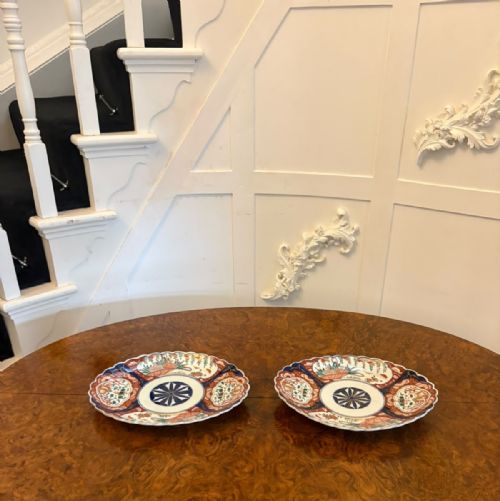
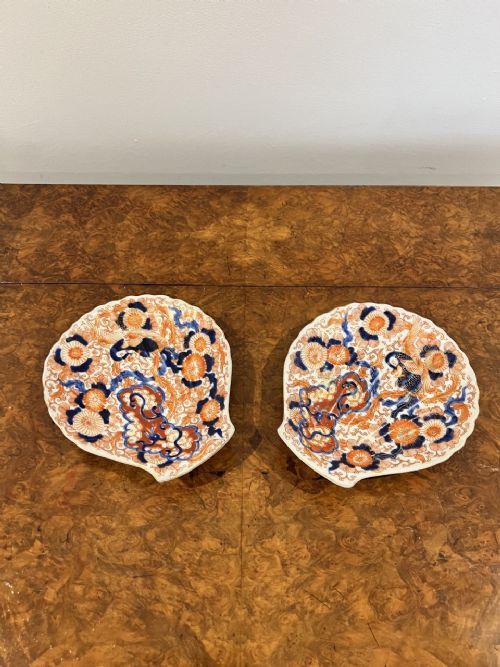
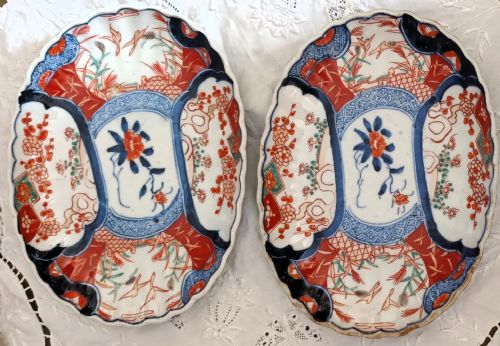
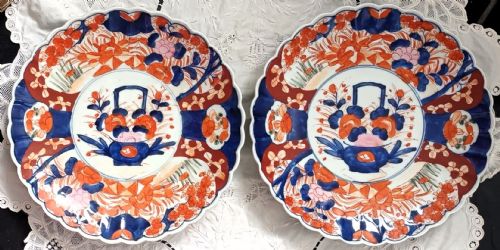
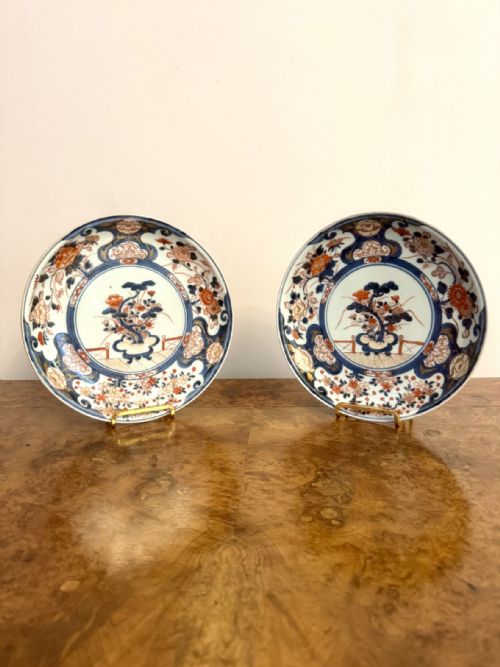
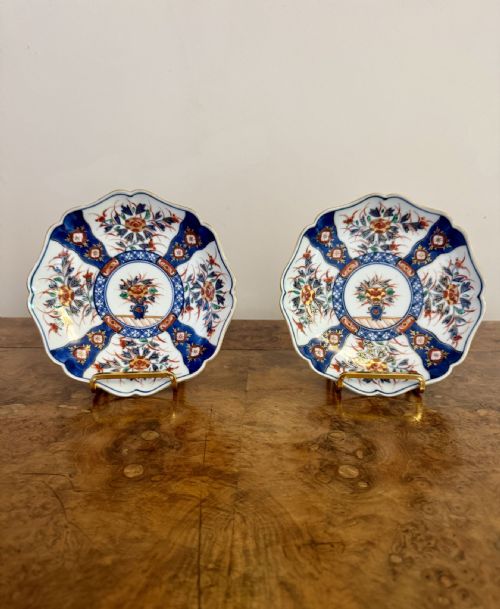
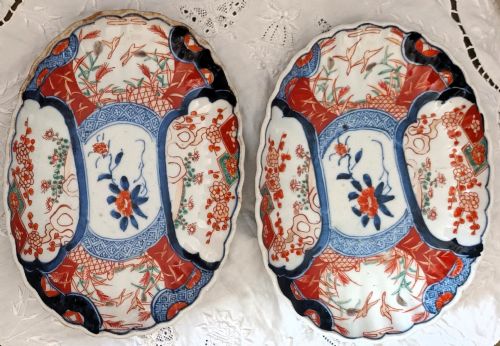
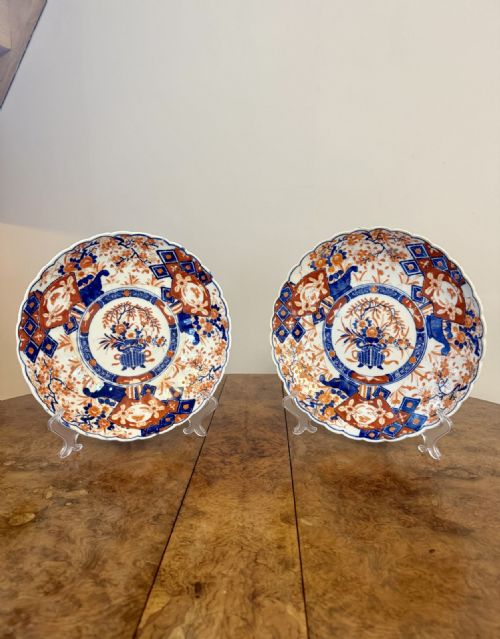
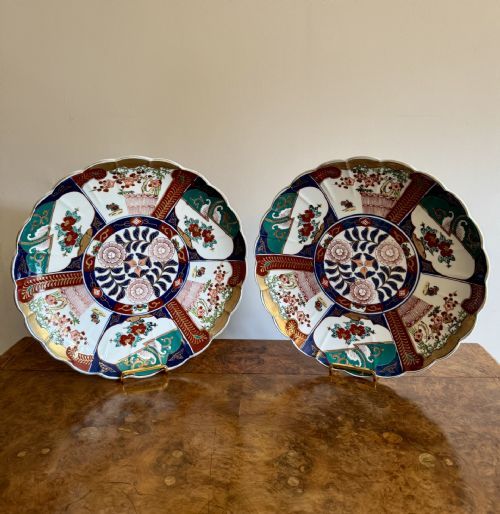
A pair japanese porcelain plates brings matched sets of decorative wares into domestic spaces, originating mostly from the Meiji period and the nineteenth century. These objects include chargers, scalloped dishes, and shell-shaped plates created for export and display.
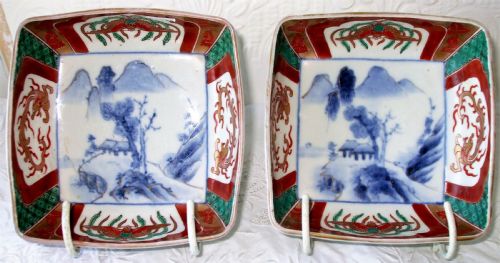
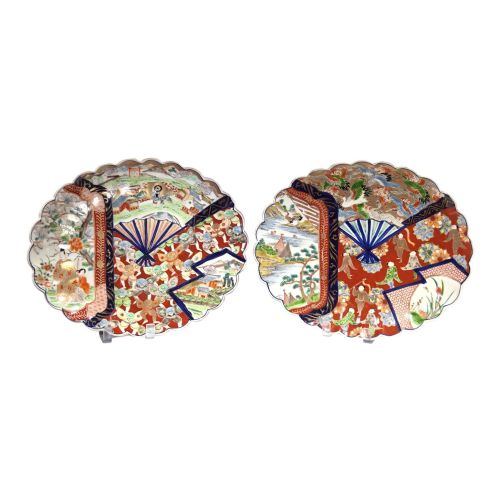
Makers shaped these ceramics in forms such as hexagons, fans, and ovals, painting them with cobalt blue underglaze and rich enamel colours. Buyers find traditional motifs like exotic birds and the Seven Lucky Gods across these matched groupings.
How they were made
Potters formed white paste porcelain and applied cobalt blue underglaze before the primary firing to secure deep blue tones. Artisans then layered enamel glaze and gold leaf by hand for rich polychrome effects.
Kiln workers produced wares in centres like Arita, controlling high heat to vitrify the ceramic body. Specialised workshops also utilised cloisonné techniques on porcelain bases to create textured surfaces.
Certain plates depict the Seven Lucky Gods sharing space with exotic birds on scalloped porcelain.
What varies in quality
Brushwork precision separates standard production wares from superior examples, visible in the careful delineation of feathers, foliage, and figures. The crispness of the cobalt pigment and the adherence of the gold leaf indicate the skill of the painter.
Forming precision dictates the symmetry of scalloped rims and shaped edges in matching pairs. Superior pieces maintain consistent glaze purity and balanced composition across both items in the set.
Mintons·Fukagawa
The Pair Japanese Porcelain Plates Glossary
- Imari
- A style of Japanese porcelain decorated in underglaze blue, iron red, and gold. This palette dominated export wares during the Edo and Meiji periods.
- Charger
- A large decorative plate or dish intended for display on a wall or sideboard rather than for dining use. These items measure substantially larger than standard tableware.
- Arita
- A town in Japan famous for its porcelain production centres. Kilns here produced extensive quantities of blue and white and polychrome export wares.
- Meiji Period
- The era of Japanese history lasting from 1868 to 1912. Production during this time catered heavily to Western export markets.
- Cobalt Blue Underglaze
- A blue pigment applied to the raw ceramic body before glazing and firing. This mineral withstands high kiln temperatures without fading.
- Totai Shippo
- Cloisonné enamel applied directly to a porcelain body. This technique combines ceramic production with metal wirework.
Pair Japanese Porcelain Plates: Frequently Asked Questions
How were these plates used?
Export plates and chargers served primarily as decorative display items within European and domestic interiors during the nineteenth century. Households placed them on walls, mantels, and sideboards to showcase wealth and exotic taste.
Matching pairs allowed symmetrical arrangement on furniture surfaces or within cabinet displays. Their substantial size made them focal points in Victorian and aesthetic movement room schemes.
What is Imari style?
Imari describes Japanese porcelain featuring a distinct colour palette of cobalt blue underglaze combined with iron red and gold leaf overglaze. Potters in Arita developed these vibrant patterns for export through the port of Imari.
Designs typically incorporate complex floral panels, brocade motifs, and natural subjects like birds and landscapes. The style remained popular across the Edo and Meiji periods.
How do I date these plates?
Dating relies on stylistic markers, manufacturing techniques, and occasional kiln marks or period attributions from the nineteenth century. Meiji period pieces often display dense, elaborate polychrome enamel work.
Earlier Edo examples tend toward simpler Arita blue and white designs or distinct clam shell forms. Victorian British import dates provide additional chronological markers for pieces handled by Western firms.
Are these plates fragile?
Ceramic and porcelain bodies require careful handling to prevent chipping along scalloped rims and edges. Wall chargers need secure mounting hardware designed to support their substantial weight safely.
Enamel and gold leaf decorations benefit from gentle cleaning methods without harsh chemical abrasives. Proper placement away from high-traffic edges protects these antique items from accidental impacts.