




Pair Imari Porcelain Plates
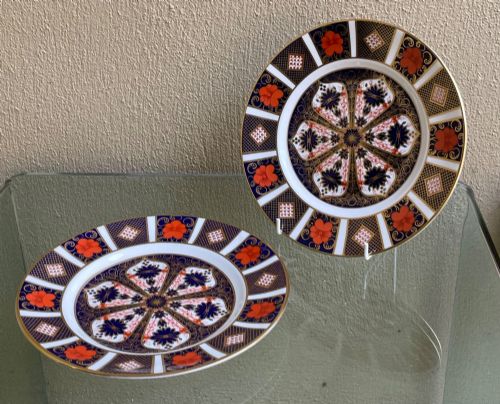
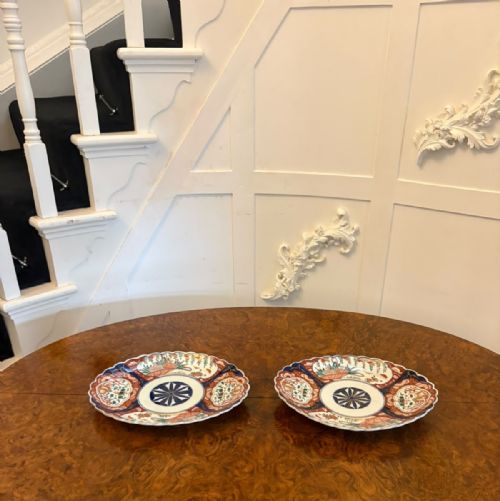
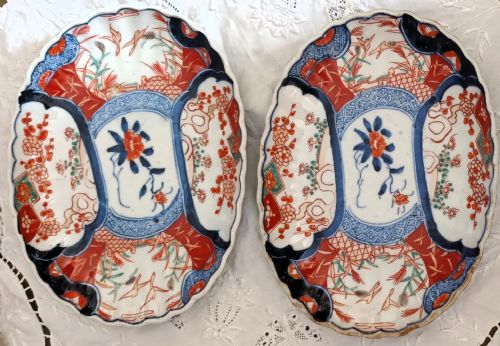
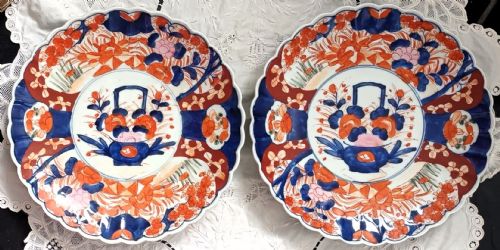
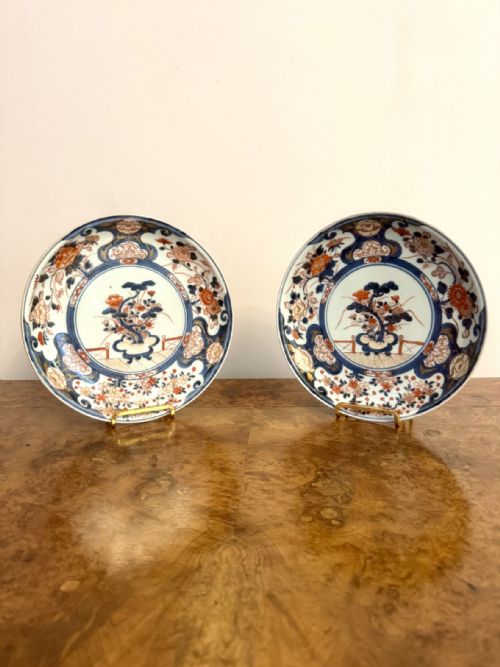
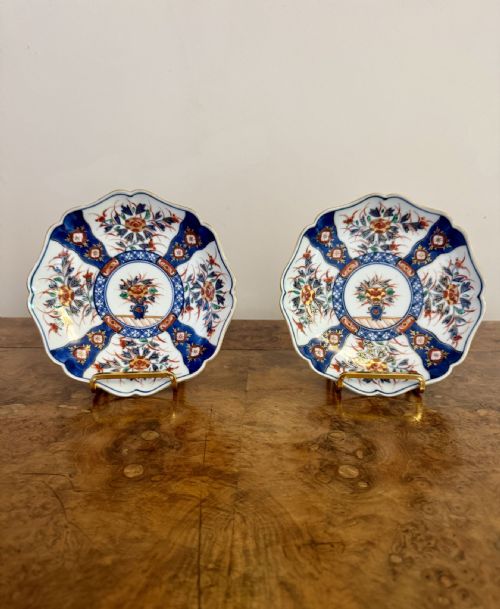
Pair imari porcelain plates bring contrasting cobalt blue and iron red decoration into domestic spaces, prized for their rich visual rhythm and historical reach.

Pair Imari Porcelain Plates
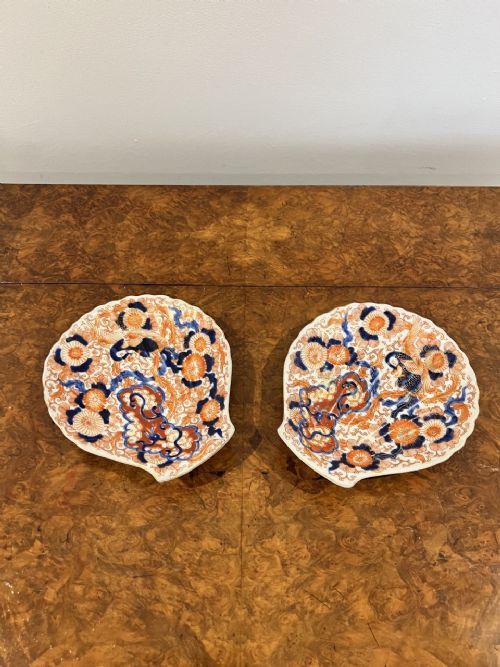
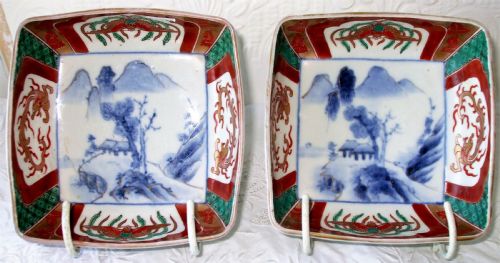
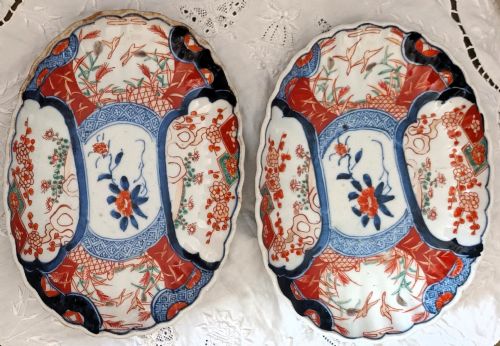
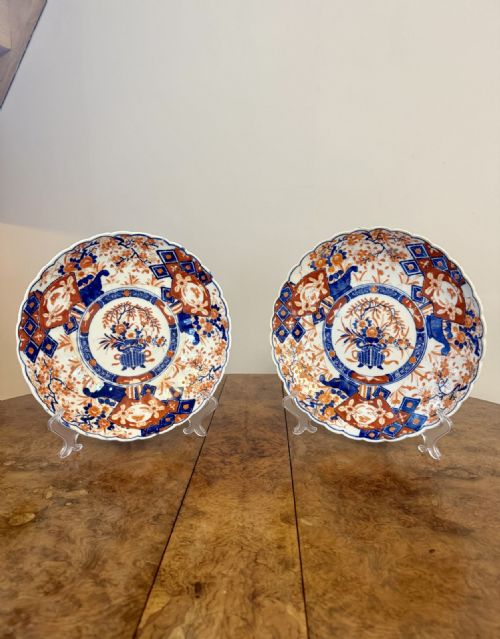
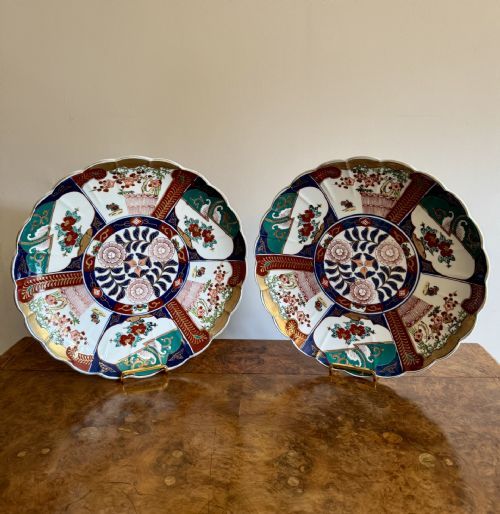
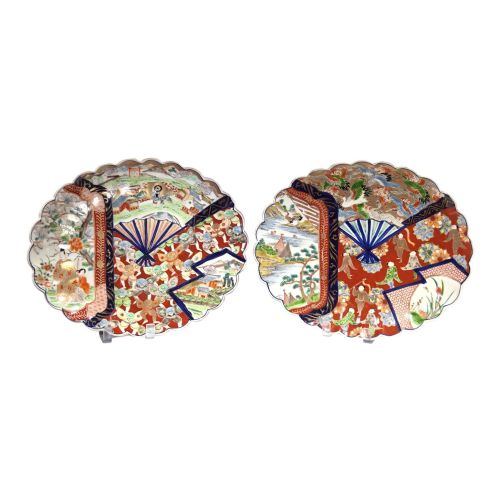
When someone searches for pair imari porcelain plates, they encounter dual serving or display vessels sharing coordinated palettes and motifs. The selection centres primarily upon Japanese Meiji period examples alongside 18th century Chinese and British adaptations from factories like Royal Crown Derby.
Forms extend beyond standard rounds to include scalloped edges, hexagonal profiles, shell shapes, fan forms and large chargers. These variations stem from both export demands and domestic production traditions across Asian and European kilns.
How they were made
Potters shaped porcelain bodies using fine clays before applying underglaze cobalt blue pigments. Subsequent firings accommodated overglaze enamel glazes, gold leaf and gilt additions to build layered surface depth.
Painters executed hand painted details directly onto the glazed surfaces, combining iron red tones with complex geometric and natural motifs. This technique required precise kiln temperature control to fuse the distinct metallic and mineral colours.
Listings feature porcelain pieces spanning the 18th century through the 20th century, encompassing Japanese Edo and Meiji periods alongside Victorian British ceramics.
What varies in quality
The sophistication of the hand painted brushwork dictates visual success, where disciplined lines and balanced compositions separate standard production from superior artistry. Enamel density and the deliberate application of gold leaf contribute to a more commanding presence on chargers and plates.
The crispness of the porcelain moulding, especially along scalloped or shaped rims, reflects the skill of the original ceramic formation. Kiln stability during firing preserves geometric symmetry across matched pairs.
Royal Crown Derby·Mintons
The Pair Imari Porcelain Plates Glossary
- Imari
- A style of ceramic decoration originating in Japan, characterised by a palette of underglaze blue, iron red and supplementary gold. The name derives from the port from which these wares were shipped.
- Charger
- A large decorative plate or dish utilised historically for ceremonial serving or formal display. These substantial pieces often command central focus on walls or buffets.
- Overglaze enamel
- Pigments applied to the surface of a previously fired and glazed ceramic piece before undergoing a lower temperature refiring. This method allows vibrant reds, greens and golds to sit proud of the glaze.
- Meiji Period
- An era in Japanese history spanning from 1868 to 1912, noted for significant export pottery production tailored to Western markets. Pieces from this time often display intricate detailing.
- Arita
- The Japanese town and surrounding region central to the production of porcelain in Hizen province. Kilns here supplied the vast majority of traditional export wares.
Pair Imari Porcelain Plates: Frequently Asked Questions
How were pair imari porcelain plates used historically?
These pieces functioned as decorative display items within formal rooms, occasionally serving sweetmeats or fruits during dining occasions. Their balanced visual weight made them suitable for symmetrical placement on mantelpieces or sideboards.
Over subsequent generations, collectors transitioned them to wall hanging or cabinet display to protect the delicate enamel and gilt surfaces from daily wear.
How do you tell Japanese Imari from Chinese export pieces?
Japanese examples typically exhibit denser floral and brocade patterns executed in a distinct iron red and cobalt blue, often with brighter gilt highlights. The clay bodies and potting techniques also reflect regional traditions tied to Arita kilns.
Chinese export pieces produced in the Imari style frequently display softer blue tones and lighter porcelain bodies influenced by Qing dynasty aesthetic preferences.
What is the difference between plates and chargers?
Chargers are significantly larger in diameter, originally designed as base plates for smaller service dishes or for grand presentation. Their expansive surfaces allowed artists to paint more narrative scenes, such as depictions of figures or elaborate floral arrangements.
Standard plates are smaller and scaled for individual handling or compact wall displays.
How should these plates be displayed safely?
Displaying them requires secure wall hangers lined with protective material to prevent scratching the porcelain edges. Alternatively, stable plate stands support the weight safely inside enclosed cabinets away from direct sunlight.
Avoiding areas of high humidity or temperature fluctuation protects both the porcelain body and the delicate overglaze enamels.