
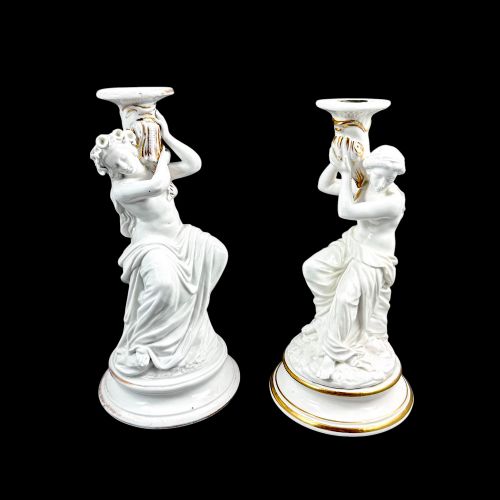
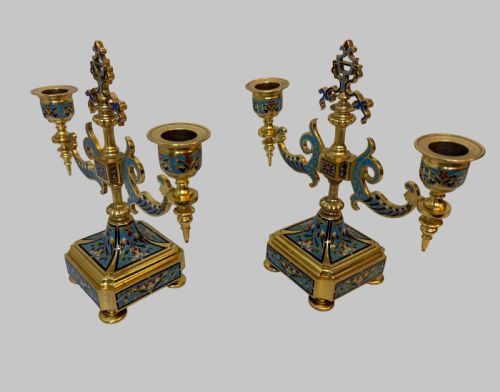


Pair Gilded Candlesticks
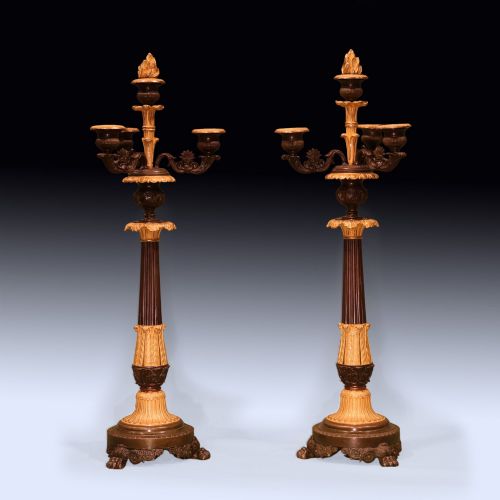
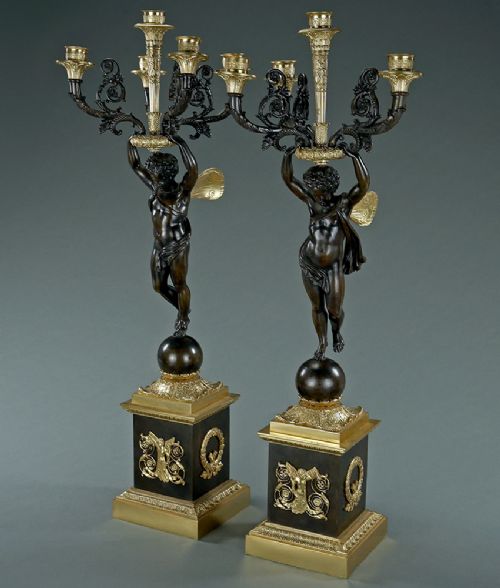
These pair gilded candlesticks bring warmth and formal symmetry to a room, cast in bronze, brass, porcelain and giltwood across eighteenth and nineteenth century periods.
Pair Gilded Candlesticks
Pair gilded candlesticks provide illumination and decorative presence, appearing frequently in nineteenth century Victorian and French Empire forms.
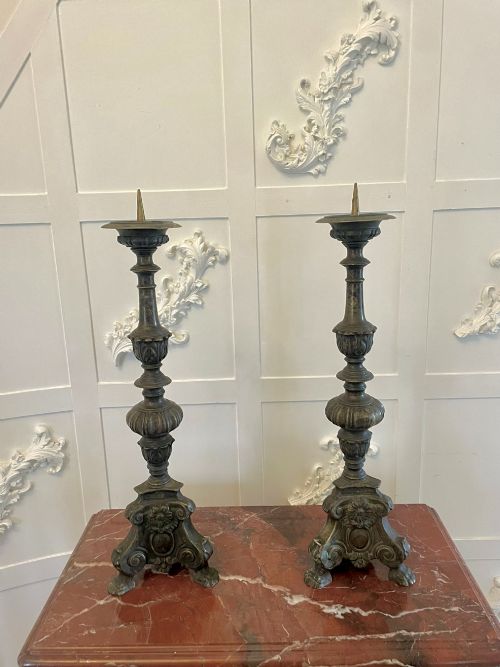
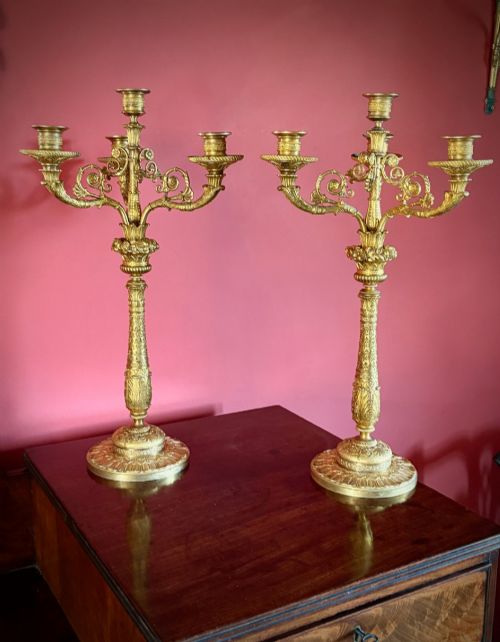
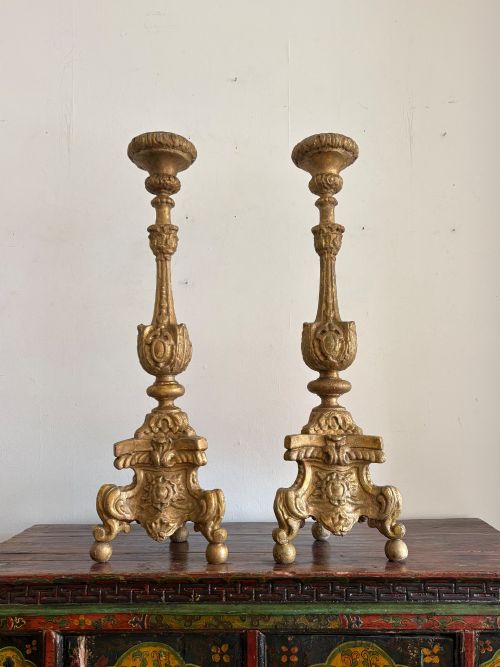
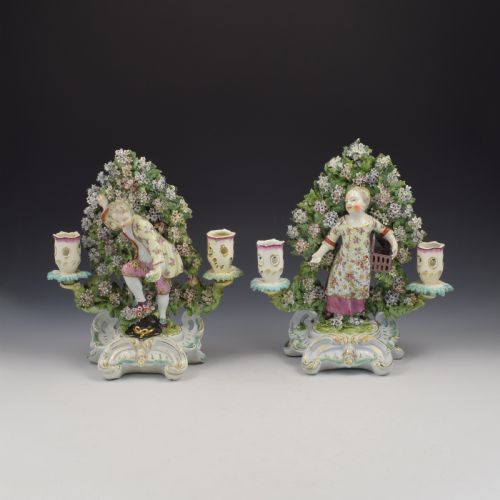
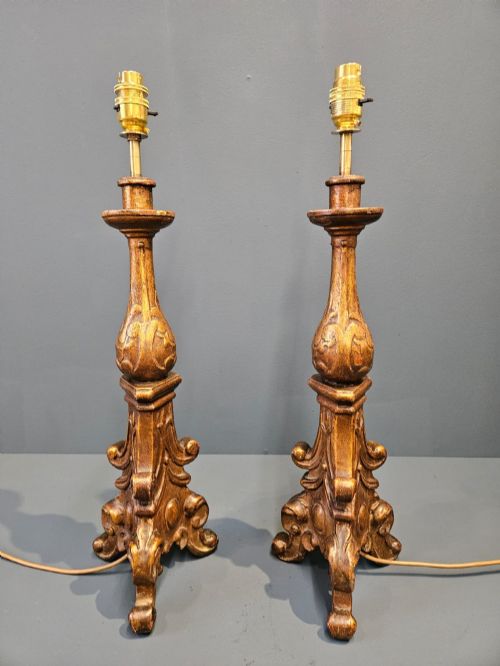
Buyers encounter everything from tall altar prickets in carved wood to multi-branch ormolu candelabra and porcelain figures framed in bocage.
The selection spans domestic mantle ornaments and church fixtures, utilising gilt bronze, brass and enamel alongside carved timber bases.
How they were made
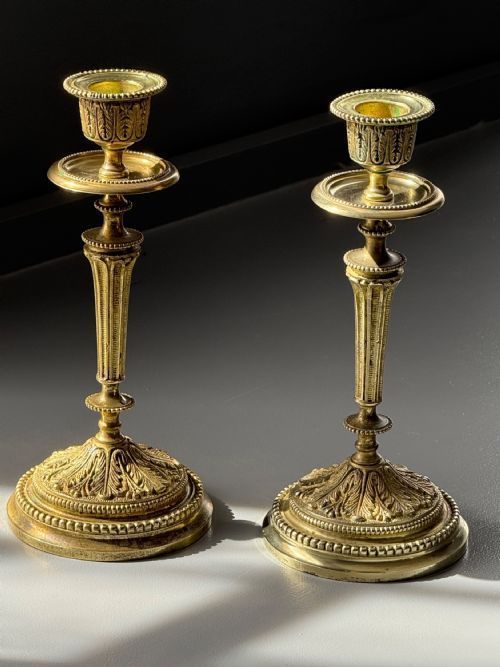
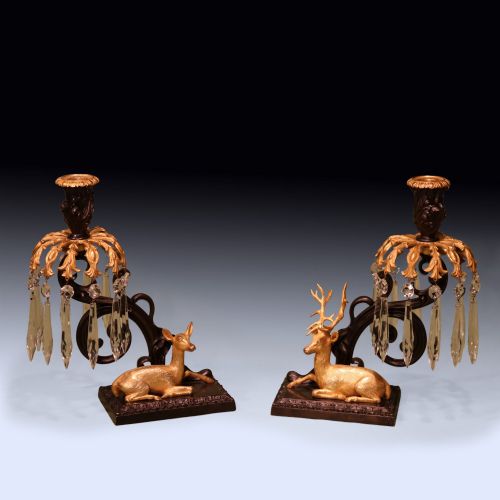
Foundries shaped metals through casting and chasing, applying mercury gilt or ormolu to bronze and brass surfaces for lasting lustre.
Potteries modelled porcelain figures by hand, wrapping floral bocage around the stems before firing and painting.
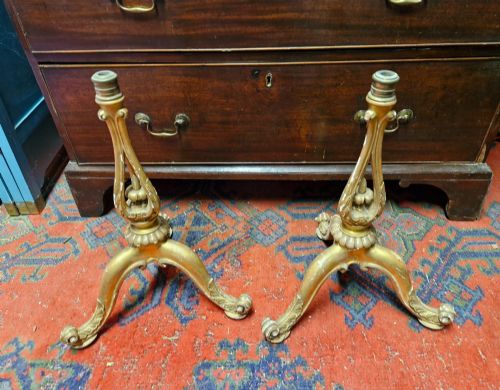
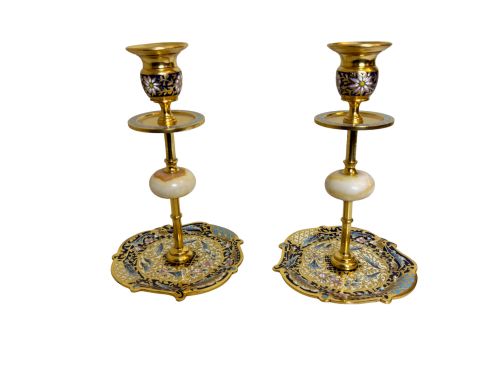
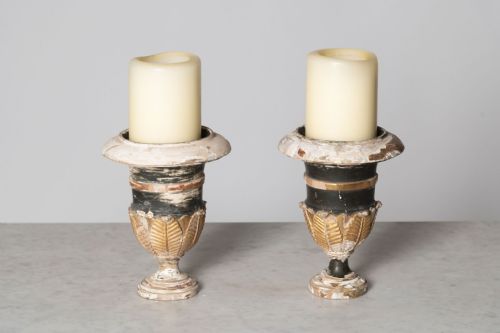
Cabinetmakers carved wood and giltwood structures, while others combined marble, onyx and champleve enamel into composite shafts.
Listings feature French Empire, Rococo Revival and Victorian styles executed in bronze, porcelain, giltwood and champleve enamel.
What varies in quality
The definition in cast ornament determines grade, distinguishing crisp chiselling on ormolu from soft, worn surface details.
Material integration creates divergence, seen where marble, porcelain and gilt bronze join with structural precision rather than heavy adhesive.
Proportion and balance dictate distinction, separating restrained classical compositions from overloaded or clumsy revivals.
The Pair Gilded Candlesticks Glossary
- Ormolu
- Gilt bronze produced by applying a mercury and gold amalgam to a bronze base and firing it. This technique creates a distinctive matte golden finish found on fine French pieces.
- Bocage
- Elaborate ceramic foliage and leaf work surrounding porcelain figures. It forms a fragile background canopy common on eighteenth century porcelain candlesticks.
- Pricket
- A sharp metal spike set in the drip pan to impale a candle. Altar candlesticks commonly utilise this method rather than a socket.
- Lustre
- A pair of hanging glass prisms suspended from a candle nozzle or bobeche. They reflect candlelight across the room.
- Champleve
- An enamelling technique where troughs are dug into a metal surface and filled with vitreous paste before firing. The colourful enamel contrasts with the surrounding gilt metal.
Pair Gilded Candlesticks: Frequently Asked Questions
How do I clean gilded candlesticks?
Dust surfaces gently with a soft dry brush to protect the delicate gold leaf or ormolu layer. Avoid harsh chemical polishes that strip away the historical gilding.
Water and commercial cleaners cause permanent damage to exposed bronze or wood beneath the gold. Professional conservation advice is best for heavily soiled items.
Were these always used in pairs?
Symmetry dictated interior design during the Georgian and Victorian eras, making matched pairs essential for mantelpieces and sideboards. They created balanced focal points in candlelit rooms.
Single survivors often indicate a broken set or a piece separated from a larger garniture over centuries of use.
How can I tell French ormolu from brass?
French ormolu utilises a bronze substrate beneath a mercury gold layer, displaying a deep golden hue and heavy weight. Brass appears paler and lacks the rich depth of true gilt bronze.
Close inspection with a loupe reveals hand-chiselling on quality ormolu, whereas cast brass often shows simpler industrial finishing.
Can these candlesticks hold modern candles?
Antique sockets often feature irregular widths that do not match standard modern candle diameters. Beeswax adapters or careful trimming help secure candles safely.
Many examples function today as decorative objects or have been converted into table lamps without altering the original metal body.