


Cast Bronze Candle Stands
Cast bronze candle stands are heavy, sculptural table lights cast in metal through traditional founding methods, offering enduring decorative presence and historical illumination.
Cast Bronze Candle Stands
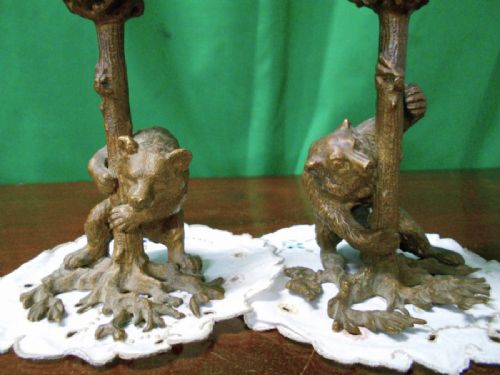
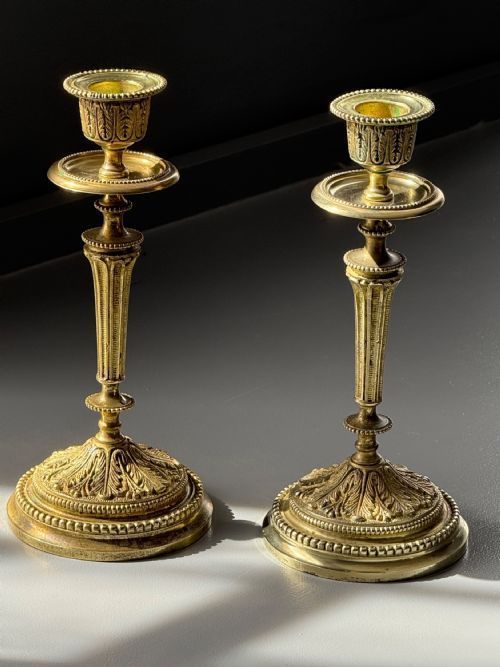
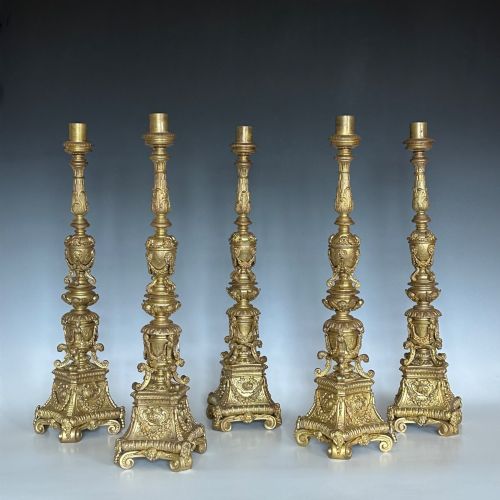
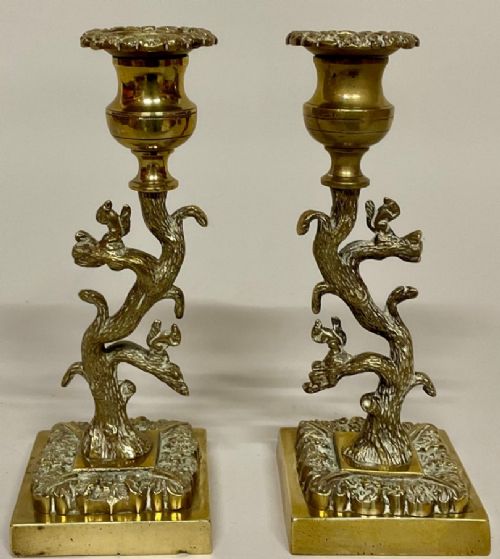
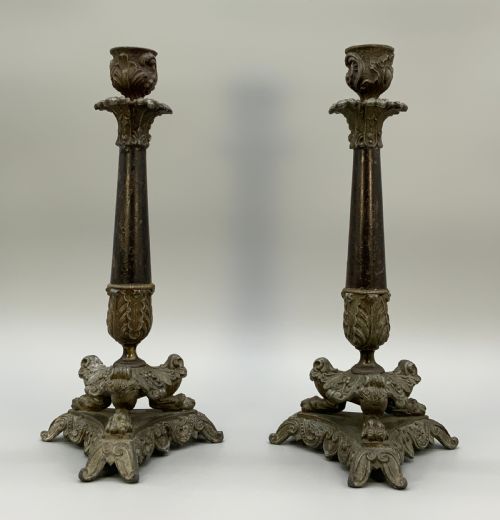
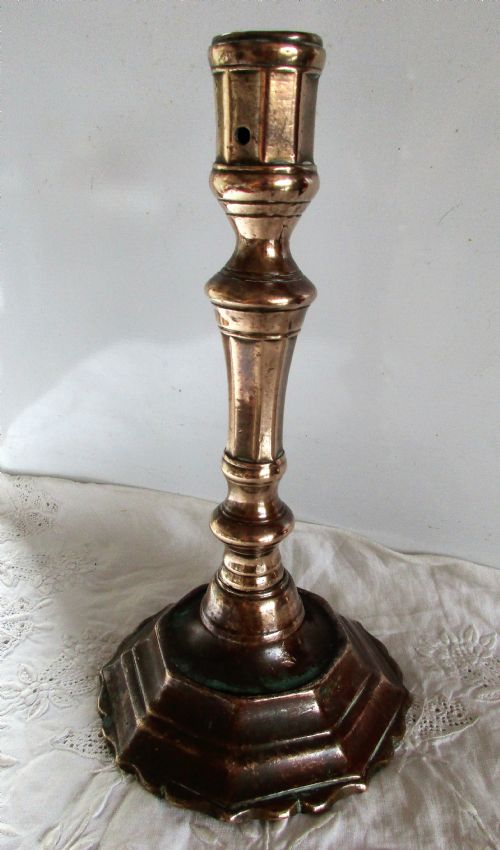
Cast bronze candle stands encompass table lights and candlesticks produced primarily across the eighteenth and nineteenth centuries, spanning Georgian, Victorian, and Regency periods. When exploring cast bronze candle stands, you encounter pieces designed in styles ranging from Louis XVI and French Empire to Gothic Revival and Black Forest.
Materials and founding techniques
These pieces rely heavily on metal casting, utilising bronze, brass, cast iron, and patinated spelter to achieve sturdy structures. Artisans applied finishes such as gilt bronze, ormolu, and dark bronze patination to enhance the surface texture.
Detailing was achieved through fine casting and chasing, allowing makers to render complex figurative elements, foliage, and architectural motifs with high definition.
Listings span the eighteenth and nineteenth centuries, incorporating materials such as gilt bronze, spelter, cast brass, and patinated iron.
Distinctions in craftsmanship
The integrity of the original patination or gilding also dictates the standard of a piece, with well-preserved finishes retaining complex tonal variations across the cast form.
The Cast Bronze Candle Stands Glossary
- Ormolu
- Finely ground high-carat gold applied to a bronze object through a mercury gilding process. This technique produces a durable, rich golden surface characteristic of French decorative arts.
- Campana
- A bell-shaped socket form resembling an inverted classical flower or urn. It frequently tops the stem of nineteenth-century candlesticks.
- Pricket
- A sharp spike rising from the centre of a drip pan to secure a candle. This form relates to older liturgical traditions.
- Patina
- The surface sheen and colour developed on metal over decades of exposure and handling. A dark bronze patina indicates natural oxidation or applied chemical treatment.
- Athenienne
- A classical tripod stand or censer form adapted for domestic lighting during the Regency and Empire periods. It draws inspiration from ancient Greek furniture unearthed at Pompeii.
Cast Bronze Candle Stands: Frequently Asked Questions
How do I date an old cast bronze candle stand?
Dating relies on stylistic clues, manufacturing techniques, and the character of the metal surface. Pieces from the eighteenth century often display hand-finished chasing that differs from later nineteenth-century production methods.
Examining the construction of the base, the threading of screws where applicable, and the wear patterns helps distinguish Georgian and Regency examples from later Victorian or Edwardian interpretations.
What is the difference between bronze and spelter?
Bronze is an alloy primarily composed of copper and tin, prized for its strength, weight, and ability to hold fine detail when cast. Spelter is a zinc-based alloy that is lighter and softer, frequently used in the nineteenth century as an economical alternative.
Under close inspection, bronze feels heavier and colder to the touch, while patinated spelter may show lighter underlying grey metal where the dark surface finish has worn away.
Can I use standard candles in antique candle stands?
Most antique candle stands feature standard sockets or campana cups designed for specific historical taper sizes. Modern candles may sometimes require slight trimming at the base to fit securely.
It is advisable to measure the internal diameter of the sconce before purchasing candles to ensure a stable vertical fit without damaging the interior metal.
How should I clean a bronze candle stand?
Cleaning should be limited to gentle dusting with a soft, dry cloth to preserve the historical surface and patina. Avoid abrasive polishes, chemical dips, or modern metal cleaners that strip away original gilding or oxidation.
If wax accumulates in the sconce, soften it gently with warm water rather than scraping the metal surface with sharp tools.