


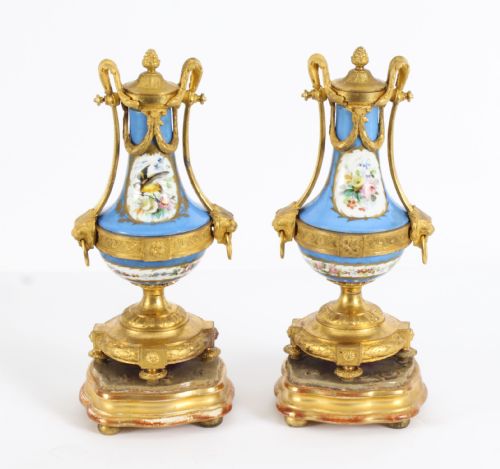

Antique Metal Mantel Decor
Antique metal mantel decor brings weight and historic character to a hearth, offering everything from patinated bronze animals to neoclassical urns.
Antique Metal Mantel Decor
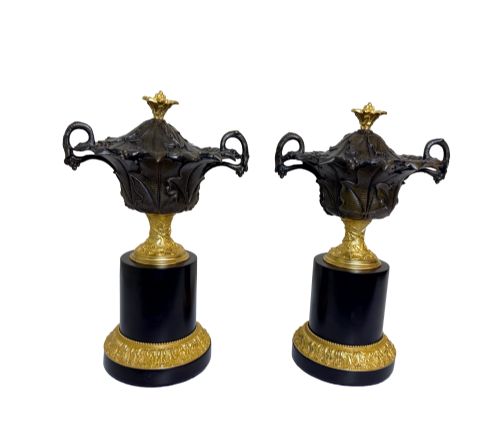
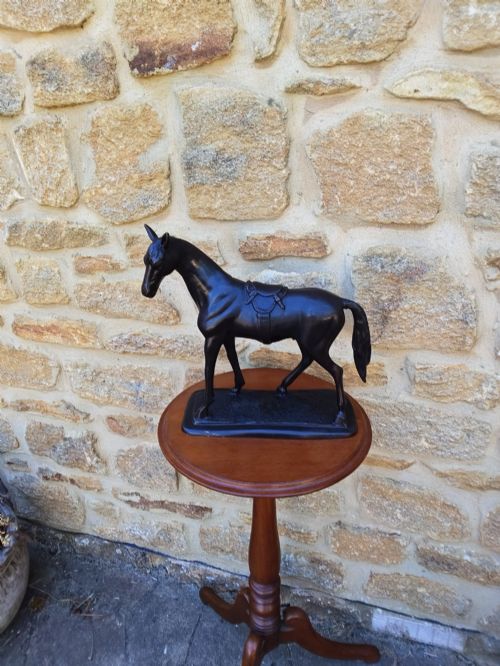
When you search for antique metal mantel decor, you encounter a varied collection of decorative objects designed to sit upon a fireplace shelf. These pieces range from nineteenth-century bronze horses and Egyptian Revival sphynxes to Regency gilt bronze candlesticks.
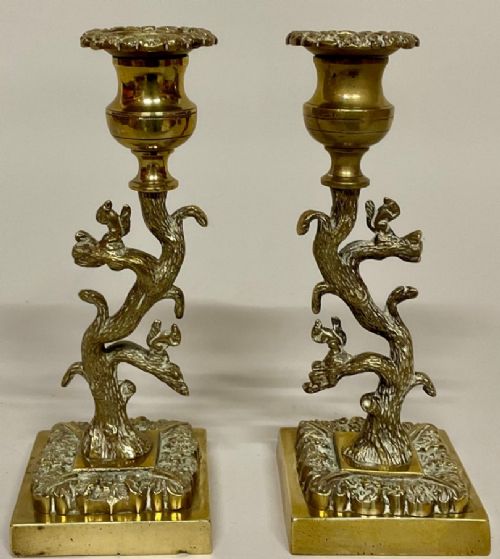
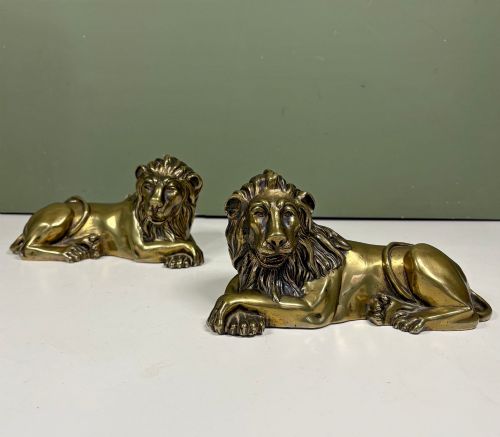
The selections available lean heavily toward pairs, including ornamental urns, brass lions, and sculptural candlesticks featuring naturalistic motifs. Formats span from modest portrait busts to grander display pieces mounted on marble plinths.
Materials and construction
The pieces utilise durable metals such as bronze, brass, and cast iron, often enhanced with gilt finishes or patination. Many items combine these metals with contrasting materials like black or white marble to provide stable, weighted bases.
Casting techniques define the period work, visible in the detailed rendering of animalier sculptures, botanical elements on candlesticks, and classical revival figures. Gilding and patination were applied to create depth and contrast on the metallic surfaces.
Quality and execution
Quality rests in the crispness of the casting and the finesse of the chasing work on the metal surface. Superior examples retain finer details in hair, drapery, and architectural motifs without softening from worn moulds.
The integration of secondary materials also separates standard production from finer pieces. Heavy, well-finished marble plinths and secure mounts indicate higher craftsmanship during periods such as the Regency and Victorian eras.
Michel Decoux
The Antique Metal Mantel Decor Glossary
- Bronze
- An alloy of copper and tin widely utilised for sculptural castings and decorative objects across the nineteenth century. It accepts patination and gilding readily.
- Gilt bronze
- Metal coated with a thin layer of gold, often providing a brilliant, lasting finish on Regency and Victorian decorative objects. This technique highlights intricate surface details.
- Campana
- A bell-shaped vessel or sconce form commonly seen on classical revival candlesticks and urns. The silhouette derives from ancient Roman pottery.
- Patinated bronze
- Metal treated chemically to produce a specific surface colour, ranging from deep brown to near black. It protects the underlying alloy while adding visual depth.
- Animalier
- A nineteenth-century artistic style focusing on the realistic depiction of animals. Pieces in this manner capture creatures in natural or dynamic poses.
Antique Metal Mantel Decor: Frequently Asked Questions
What periods do these pieces span?
The inventory covers works originating primarily from the nineteenth and early twentieth centuries. Examples stretch from the Regency period through Victorian revivals and into the Art Deco era.
Specific dates or stylistic movements are typically identified through construction methods, material choices, and the specific revival motifs employed by the makers.
How were these items used originally?
These metal objects were created to adorn the mantelpiece of a domestic fireplace, serving both decorative and practical functions. Candlesticks provided illumination, while urns, busts, and animal figures acted purely as ornamental displays.
Their placement on the mantel highlighted the central hearth as a focal point of nineteenth-century interior styling.
Are most pieces found as pairs?
A significant portion of the metal mantel decor appears in matching pairs, particularly candlesticks, urns, and sculptural figures like lions or sphynxes. Symmetrical arrangement was a primary goal for period fireplace presentation.
Single decorative items, such as portrait busts or individual animal sculptures, also appear to anchor the centre or break the symmetry of a mantel display.
How do I style them today?
These metal objects integrate well onto modern fireplace mantels, sideboards, or console tables where their weight and historic presence can stand alone. Pairing bronze figures or brass candlesticks with neutral backgrounds allows the patination and gilding to catch the light.
Mixing classical revival urns with simpler modern surroundings creates a deliberate contrast in texture and era.