



Pair French Porcelain Vases
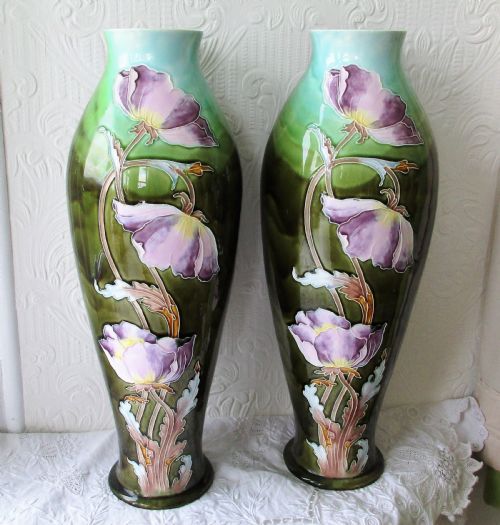
When searching for pair french porcelain vases, collectors encounter grand nineteenth-century decorative objects shaped by classicism and revivalist taste.
Pair French Porcelain Vases
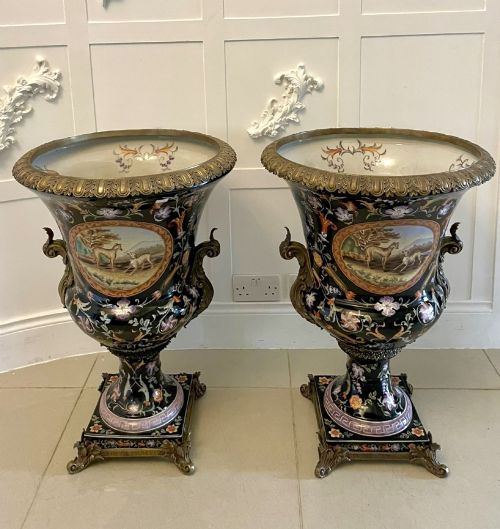
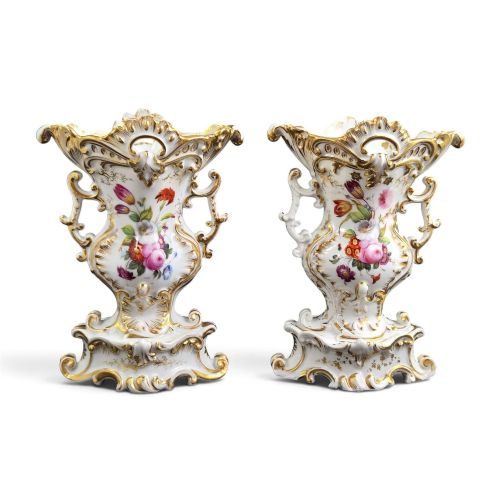
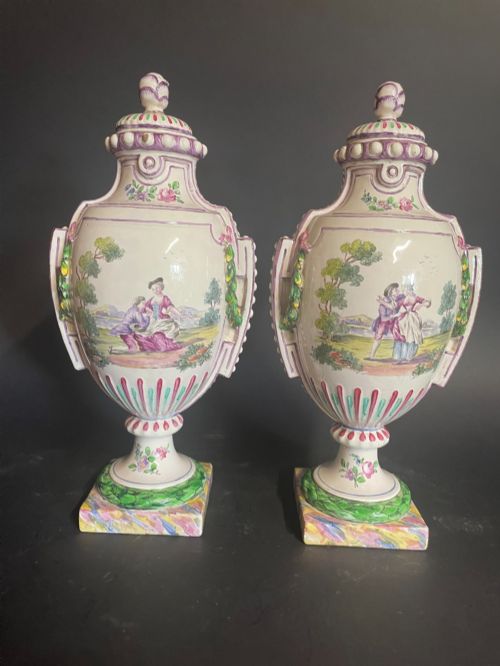
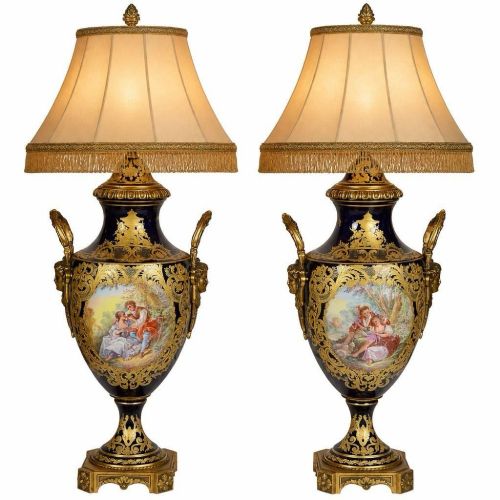
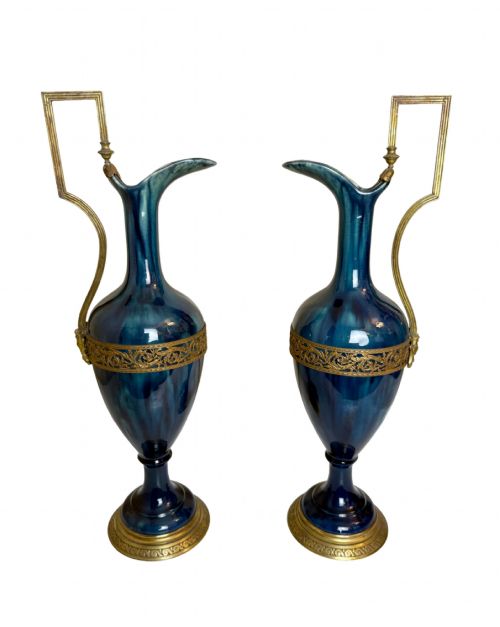
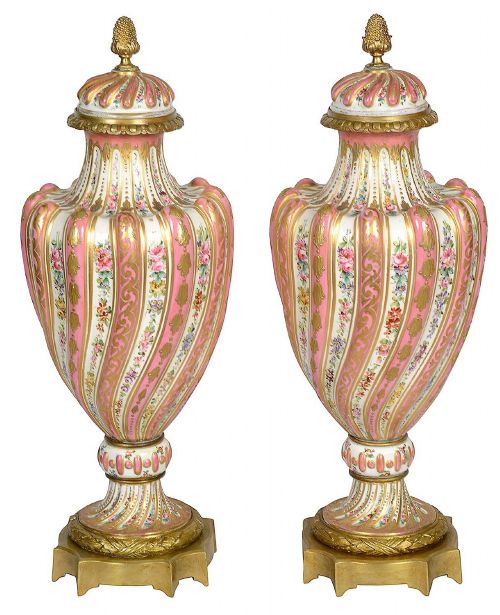
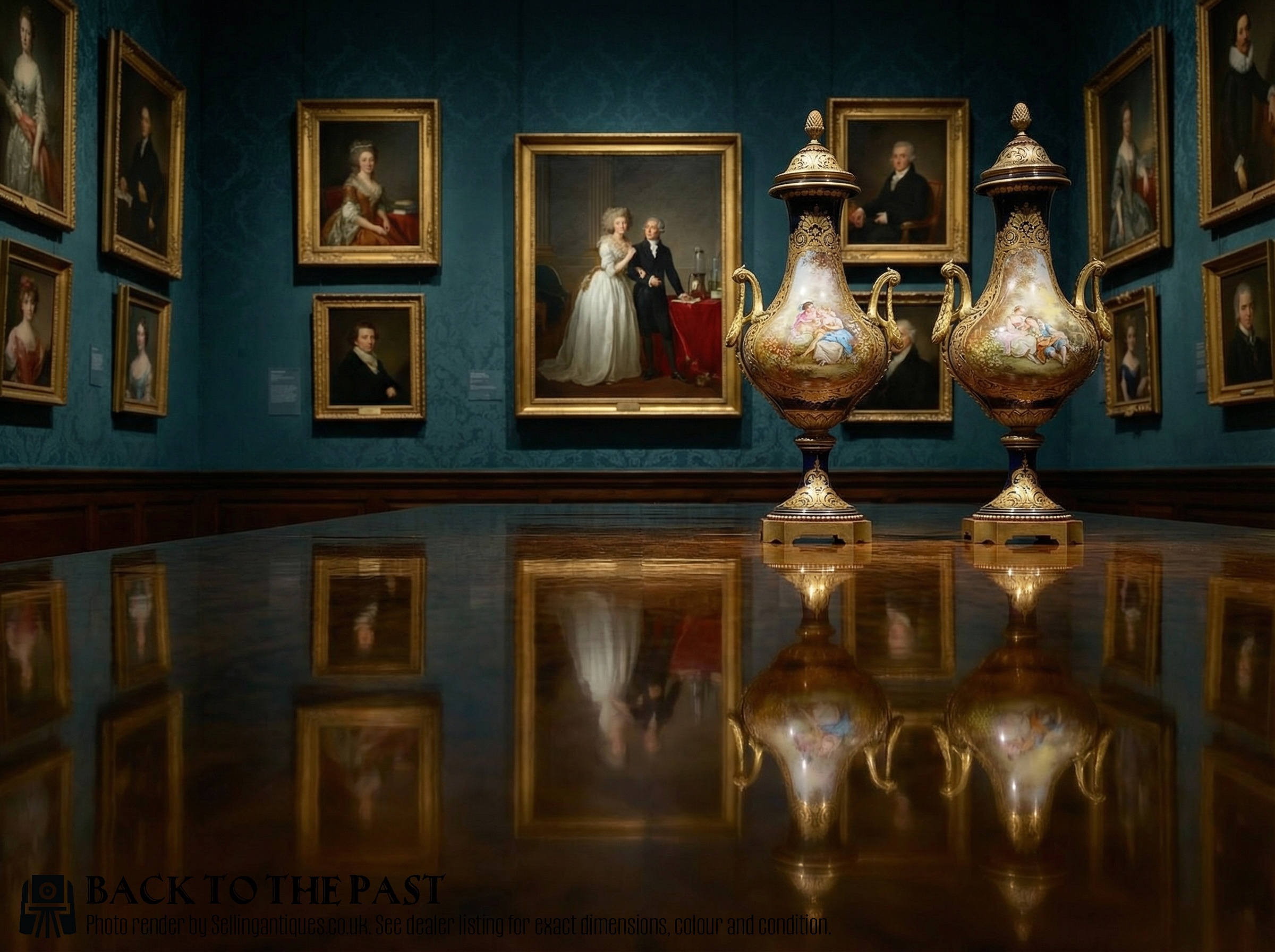
Pair french porcelain vases encompass nineteenth-century decorative urns, lidded vessels, and table lamps produced across France during the Victorian and Regency periods. The forms range from classical Medici silhouettes and tall campana shapes to jardinieres and ewers.
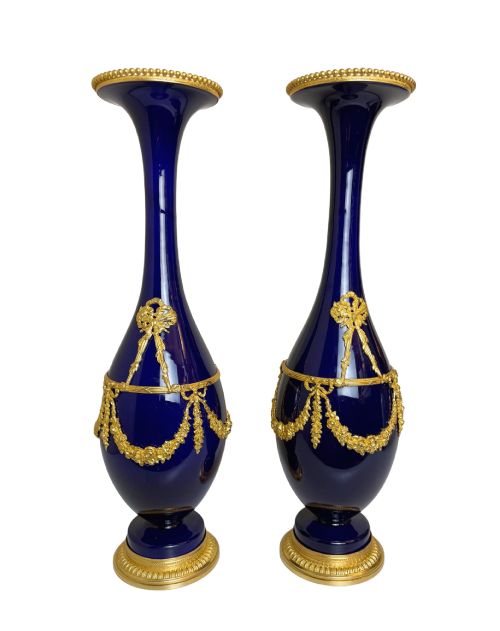
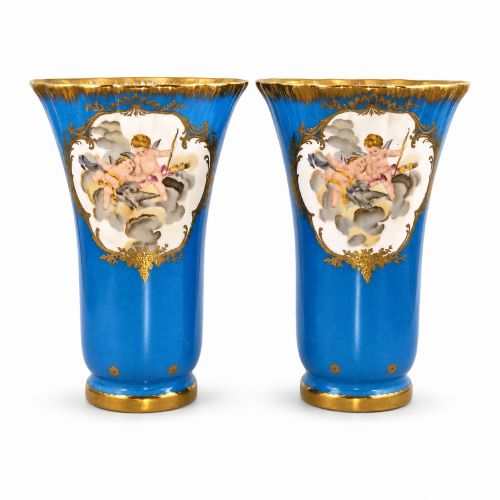
Many examples follow the Sevres style, utilising bleu celeste, powder blue, and pink grounds adorned with hand-painted scenes or floral motifs. Others display French Rococo Revival or Neoclassical details, reflecting diverse nineteenth-century aesthetic interests.
How They Were Made
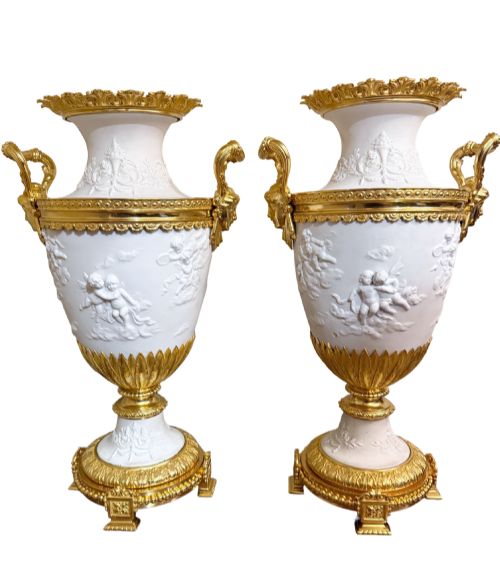
The bodies utilise hard-paste or soft-paste porcelain, frequently shaped with twisted or quatrefoil contours and finished with hand-painted details or raised white enamel. Pâte-sur-pâte techniques build up delicate low-relief white designs upon tinted grounds.
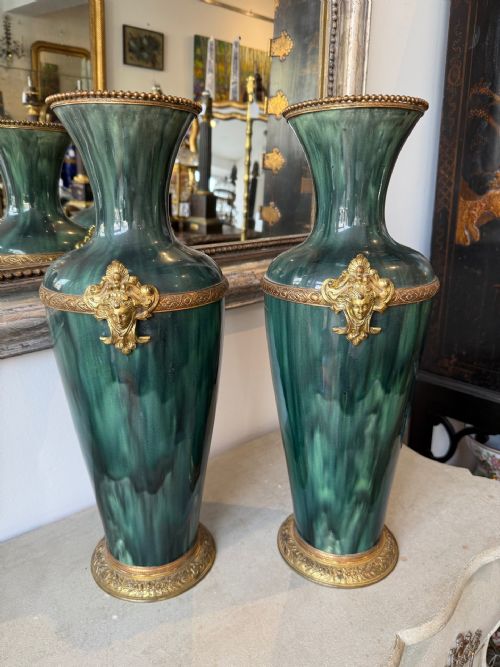
Metal mounts incorporate gilt bronze, ormolu, and brass, securing handles, bases, and rims around the ceramic bodies. These cast bronze components define nineteenth-century French architectural styling.
Napoleon Bonaparte watches over select nineteenth-century collections from his porcelain perch, proving that even emperors enjoy good shelf presence.
What Varies in Quality
Quality rests in the precision of the hand-painted artistry, particularly the execution of figurative scenes, portraits, and floral panels against coloured grounds. Superior pieces exhibit refined brushwork and careful detailing.
The sophistication of the metal mounts dictates the tier of the piece. Finely chased ormolu mounts securely framing the porcelain distinguish masterworks from standard production wares.
Jacob Petit·Samson Paris
The Pair French Porcelain Vases Glossary
- Ormolu
- Gilded brass or bronze used for decorative mounts on furniture and ceramics. The technique involves applying a mercury-gold amalgam to the base metal.
- Bleu celeste
- A pale turquoise or sky-blue porcelain ground colour popular in nineteenth-century French ceramics. It often highlights decorative urns and lidded vases.
- Pate-sur-pate
- A ceramic technique where wet white slip is built up in successive layers on a coloured body. This creates a cameo-like relief effect before firing.
Pair French Porcelain Vases: Frequently Asked Questions
How were pair french porcelain vases used?
These vessels functioned primarily as decorative garnitures on mantelshelves, sideboards, and console tables within grand nineteenth-century interiors. Their symmetrical design suited formal display arrangements.
Over time, many examples were adapted into table lamps or fitted with candelabra arms. This practical conversion allowed period ceramic bodies to serve new lighting purposes in domestic settings.
What is the Sevres style?
The Sevres style refers to nineteenth-century porcelain produced in imitation of the famous French royal manufactory. These pieces often feature distinctive ground colours like bleu celeste or pink.
Decorations frequently include hand-painted pastoral scenes, exotic birds, or floral cartouches framed by elaborate gilt borders. Makers across France utilised this aesthetic to evoke eighteenth-century luxury.
How do you style them at home?
Pair french porcelain vases create strong focal points when placed symmetrically on large pieces of period furniture or mantels. Their vibrant ground colours and gilt bronze mounts introduce rich texture to a room.
Because many surviving examples share space with converted lamp fittings, they function effectively as functional lighting. Pairing them with neutral backgrounds allows the hand-painted details and ormolu mounts to stand out.
What do ormolu mounts indicate?
Ormolu mounts provide structural support and ornamental framing for the ceramic body. They demonstrate the collaborative skill of nineteenth-century metalworkers and ceramicists.
Cast bronze components decorated with fire gilding elevate the status of the vessel. The complexity of the chasing on these mounts often reflects the overall calibre of the object.