


Antique Lid Covered Vases
These antique lid covered vases bring decorative presence to a room through centuries of ceramic artistry and fine metalwork.
Antique Lid Covered Vases
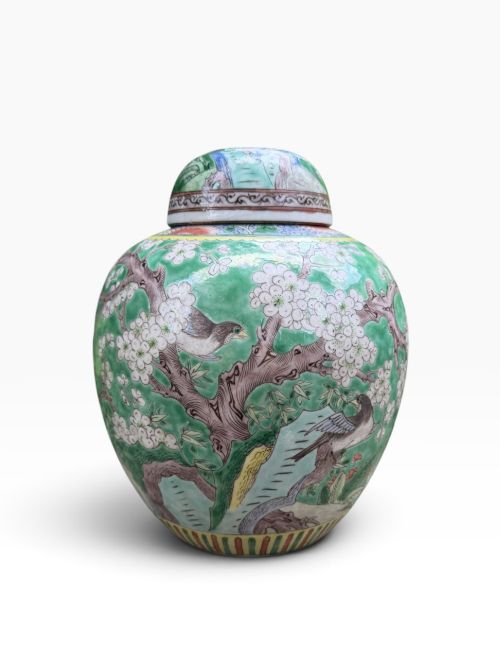
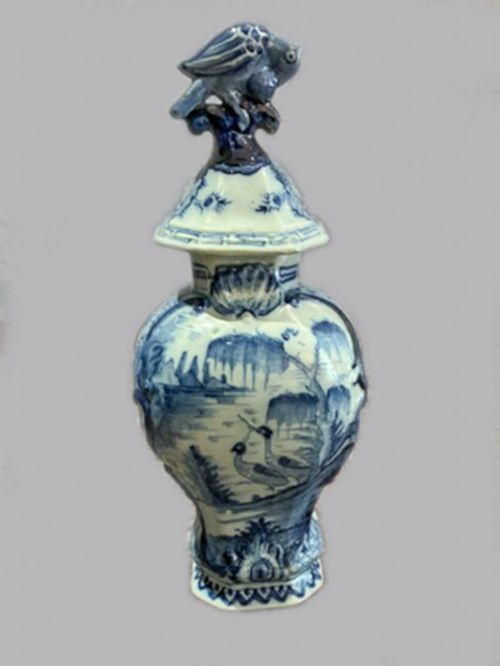
When searching for antique lid covered vases, collectors encounter vessels designed to hold dry potpourri, ginger, or simply to stand as decorative urns and ginger jars. These items span European factories, English potteries, and Japanese export kilns.
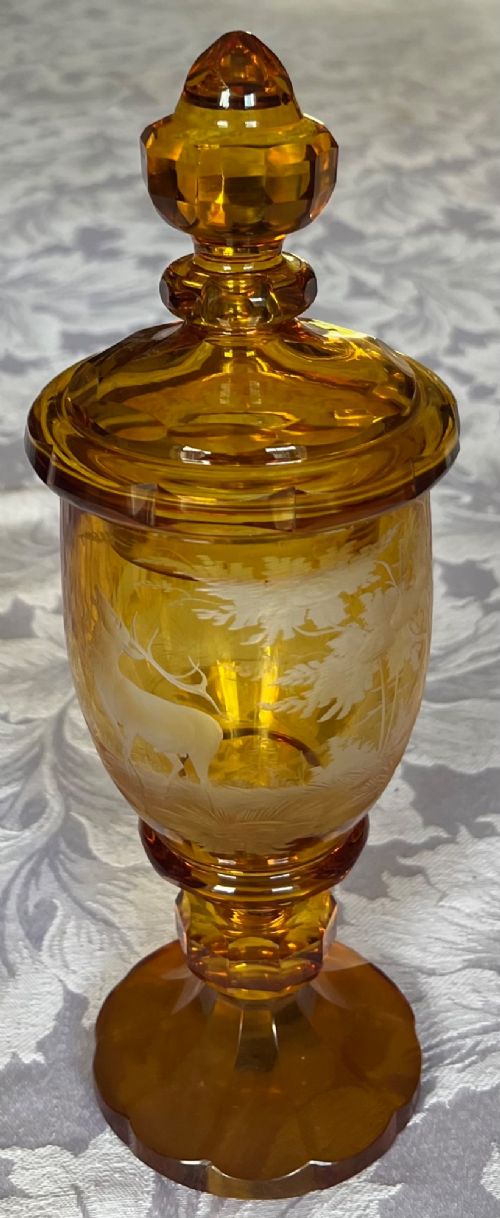
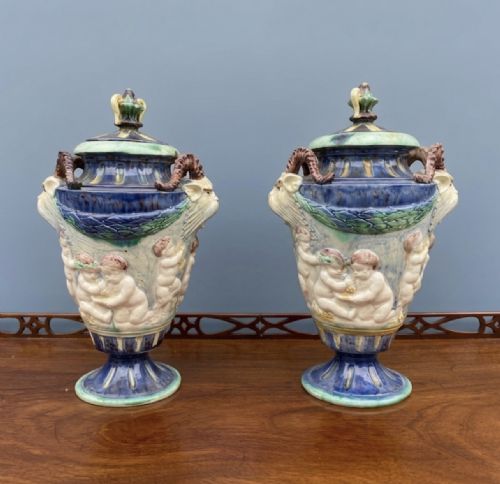
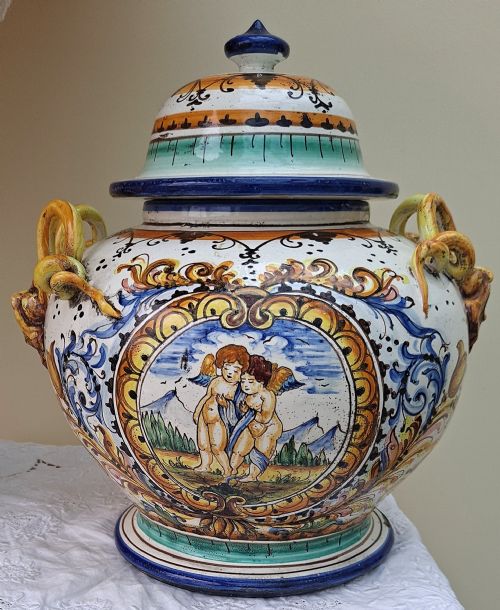
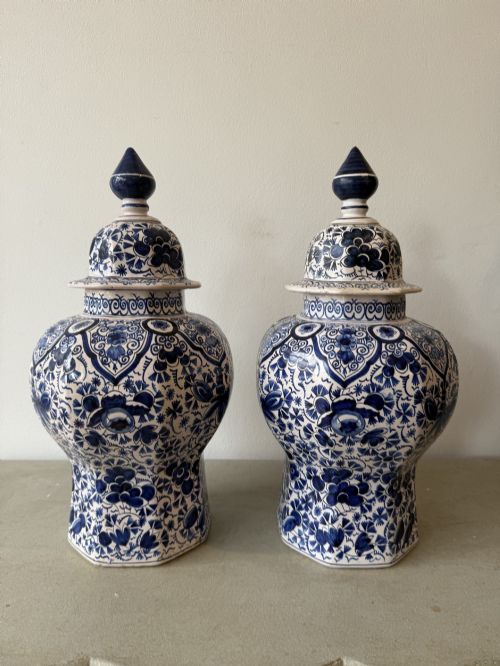
The most common examples on this page are porcelain and earthenware jars with matching lids, originating from nineteenth-century production centres and earlier Georgian periods. Forms range from classical amphora shapes to baluster ginger jars and pedestal vases.
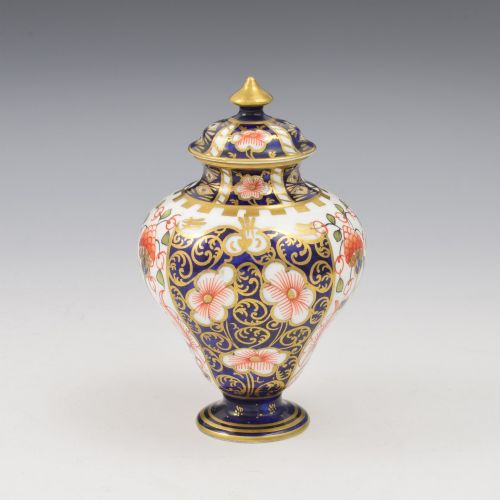
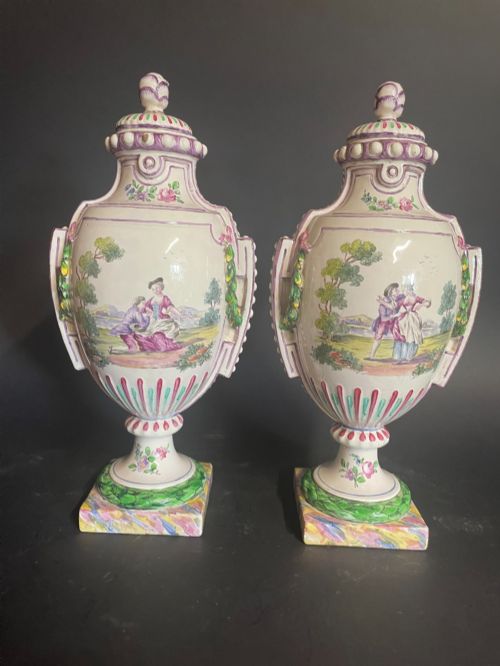
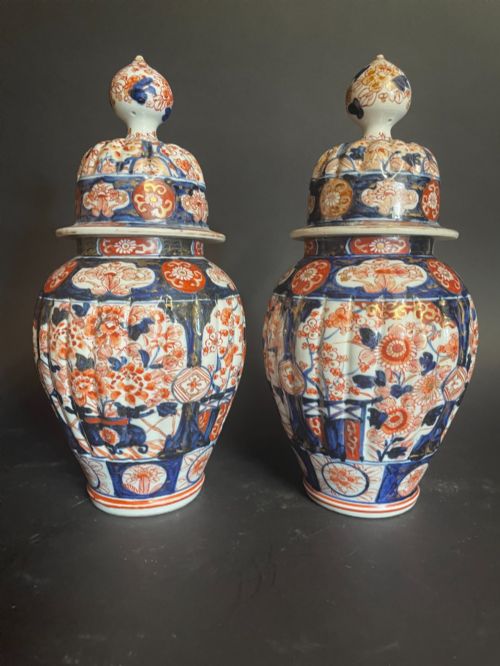
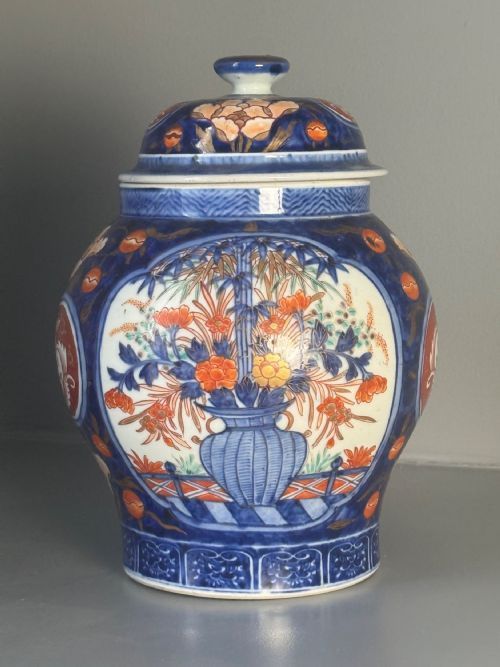
Continental workshops and English manufacturers produced numerous glazed and hand-painted lidded vessels during the eighteenth and nineteenth centuries. Japanese Arita wares in the Imari palette also feature prominently among these lidded forms.
How they were made
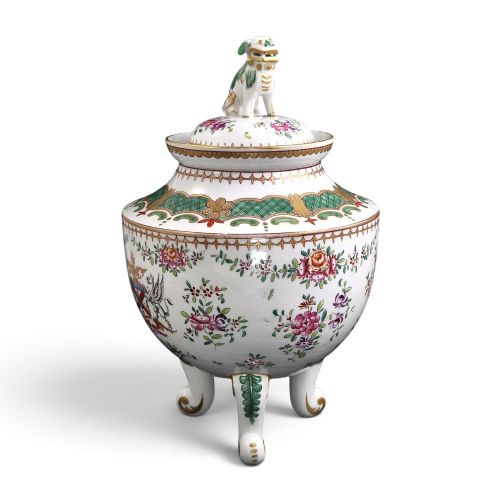
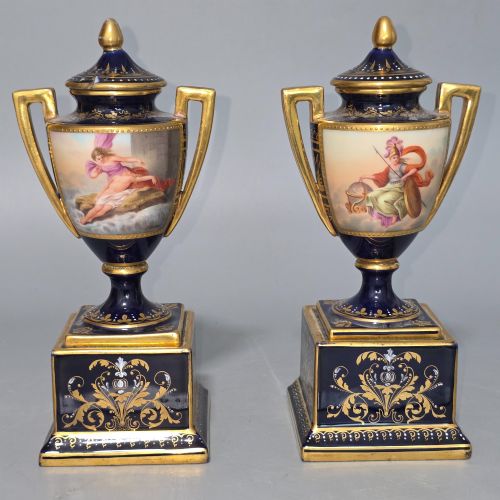
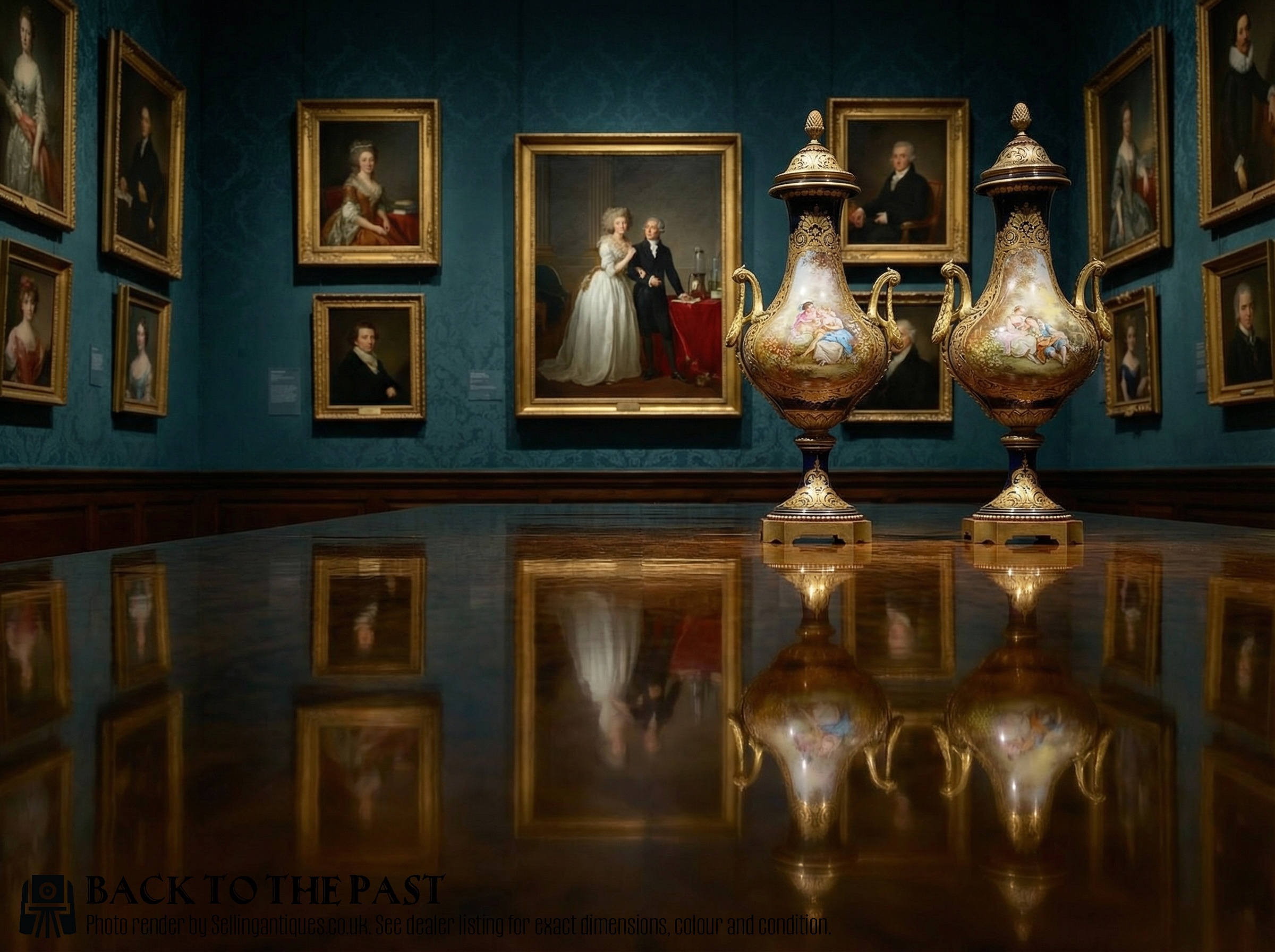
Potters shaped ceramic bodies from porcelain, tin-glazed earthenware, and ironstone before applying hand-painted pigments and lead glazes. Many vessels incorporate gilding, gold leaf, and enamel work to highlight moulded relief details and pictorial scenes.
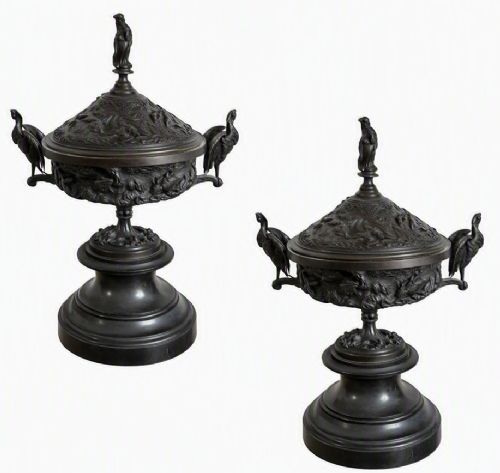
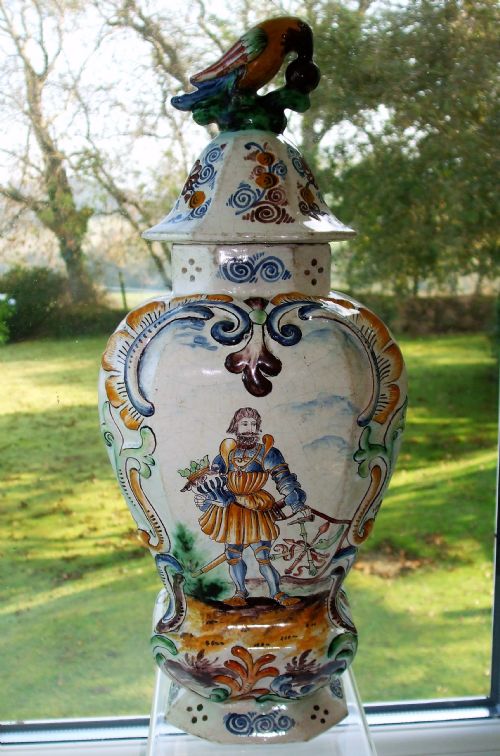
Bronze urns utilise cast metal techniques combined with patination and gilding. Faience and maiolica pieces rely on opaque tin glazes fired over an absorbent earthenware body to provide a smooth ground for painted decoration.
Storks feature proudly on French bronze urns, while traditional Imari dragons guard porcelain ginger jar lids.
What varies in quality
Quality rests upon the crispness of the modelling and the precision of the hand-painted decoration across the ceramic surface. Master painters achieved greater depth and line control in floral and figural scenes than lesser decorators working in commercial factories.
The weight and finish of the bronze castings, along with the purity of the enamel colours and the adherence of the gilding, distinguish standard production wares from exceptional signed pieces.
Jules Moigniez·Royal Crown Derby·Samson Paris·Chamberlain Worcester·F Koller·Edward O Ball·Spode·Mason
The Antique Lid Covered Vases Glossary
- Imari palette
- A traditional Japanese decorative scheme utilising underglaze blue, iron red, and gilt highlights. This palette became widely imitated by European porcelain factories.
- Tin-glazed earthenware
- Pottery covered with a glaze containing tin oxide, which fires to an opaque white surface suitable for painting. Examples include delftware, faience, and maiolica.
- Baluster
- A vase shape with a rounded lower body that tapers toward the neck, resembling an architectural column baluster. This silhouette frequently appears on large ginger jars.
- Pot pourri
- A mixture of dried plant materials scented with spices, housed inside lidded vessels pierced with small holes for fragrance release. Many decorative urns served this specific domestic function.
Antique Lid Covered Vases: Frequently Asked Questions
What were covered vases used for?
Many lidded vessels held aromatic pot pourri or preserved culinary spices and ginger within domestic interiors. Others served purely as decorative mantel ornaments and centrepieces.
Larger urns and baluster jars demonstrated the wealth and taste of their owners through intricate hand-painted decoration.
How do I date a lidded ceramic vase?
Dating relies on examining the ceramic body paste, glaze characteristics, and potting techniques visible at the unglazed base rims. Factory marks, painter signatures, and stylistic motifs provide further chronological markers.
Comparing the decorative palette to known production periods helps narrow the manufacturing decade.
Are the lids original to the vases?
Lids often became separated or damaged over centuries of domestic use, leading to later replacements that match the general style. Careful inspection of the glaze wear and clay body inside the neck helps determine if lid and base originated together.
Matching painted motifs and potting weight offer additional clues to authenticity.
How should I display antique lidded vases?
Place these vessels on stable furniture away from direct sunlight and high traffic areas to protect delicate hand-painted enamels and gilding. Heavy bronze urns require sturdy support surfaces due to their substantial weight.
Ensuring lids sit securely prevents accidental slips during cleaning or room reorganization.