
Pair Framed Wall Prints
Pair framed wall prints bring symmetry and historical depth to interiors through matching depictions held under glass and timber.
Pair Framed Wall Prints
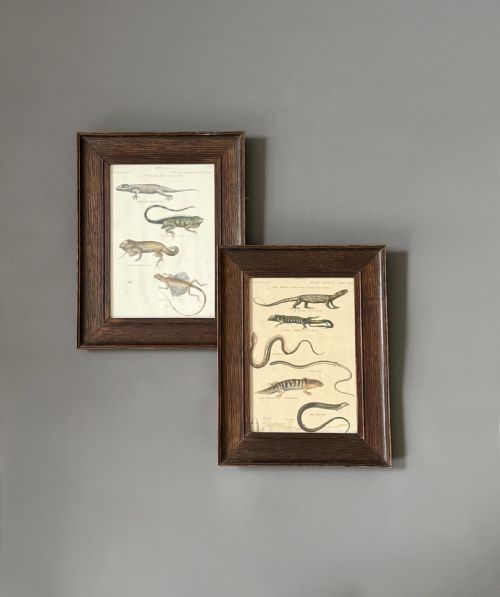
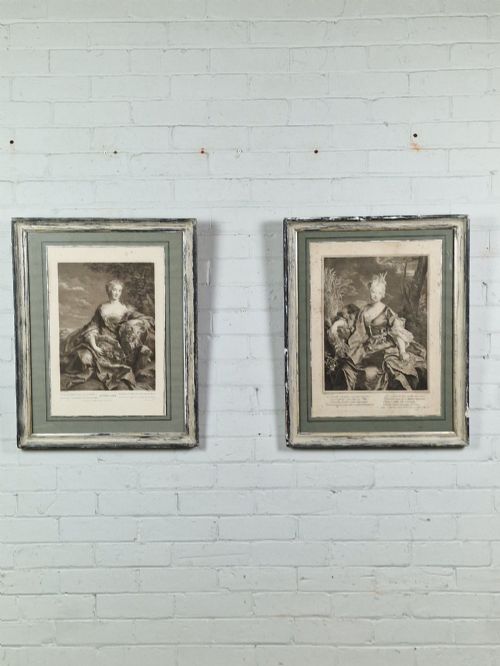
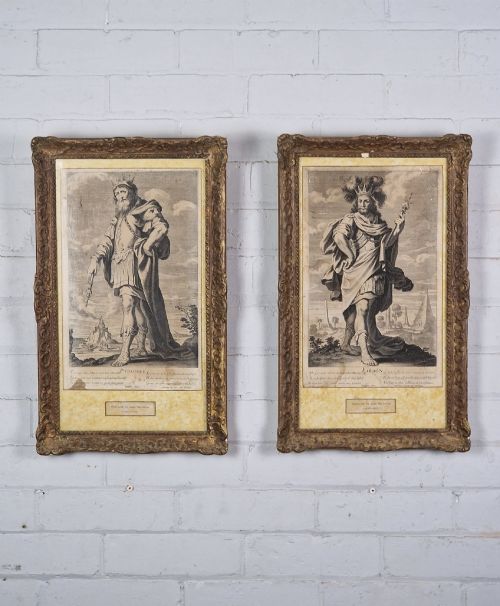
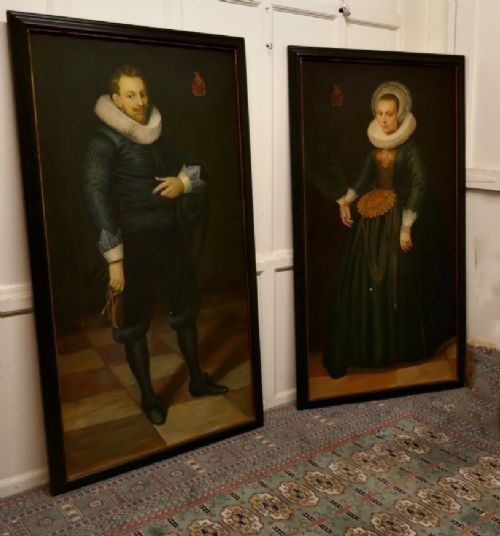
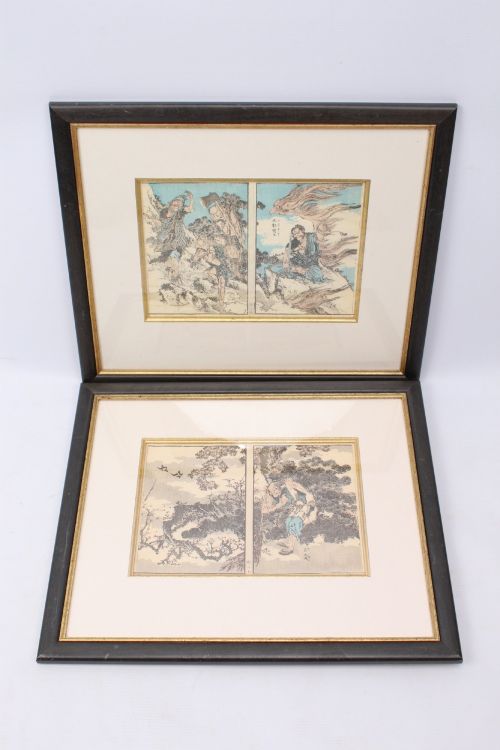
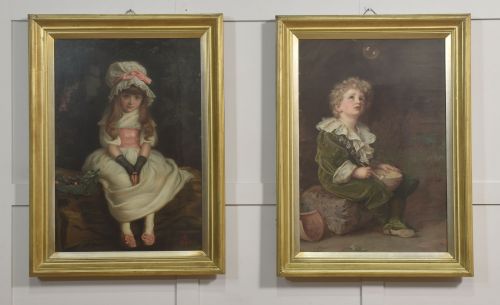
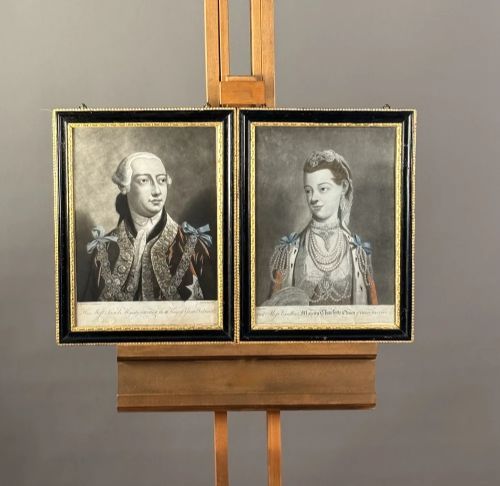
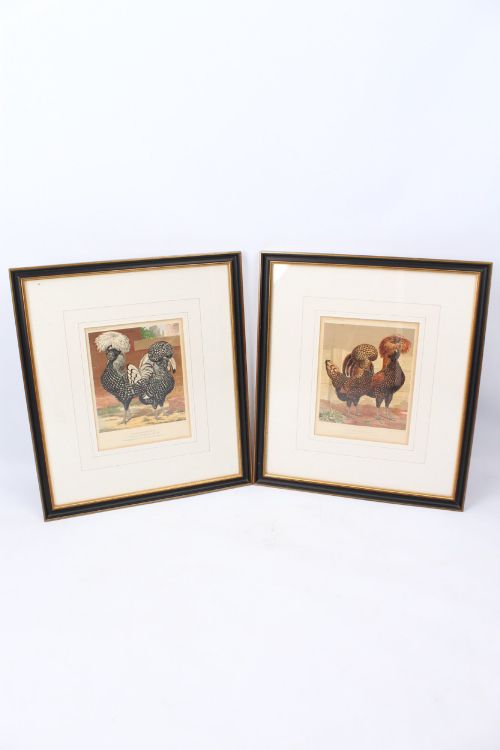
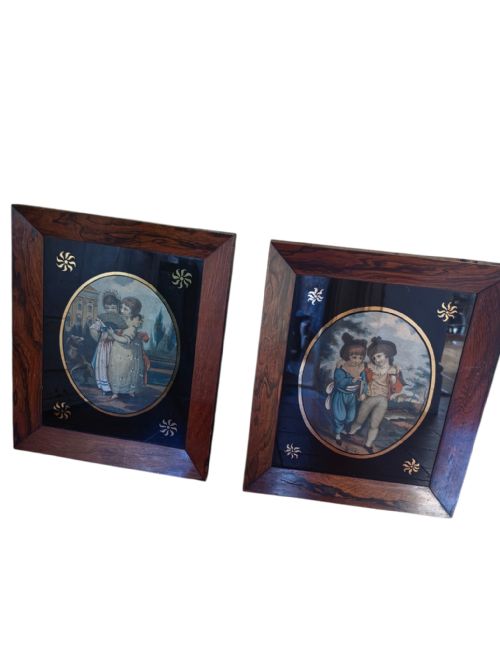
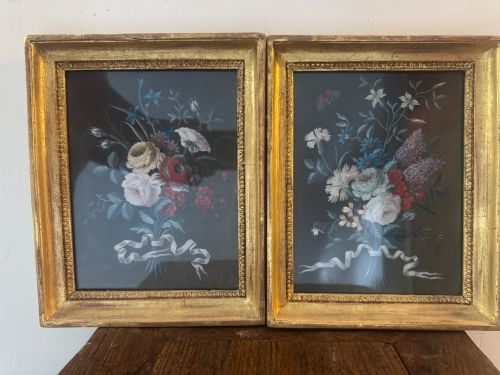
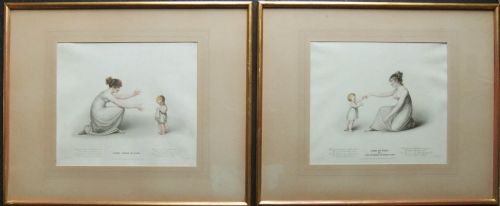
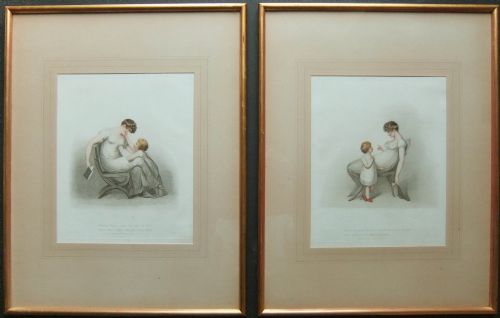
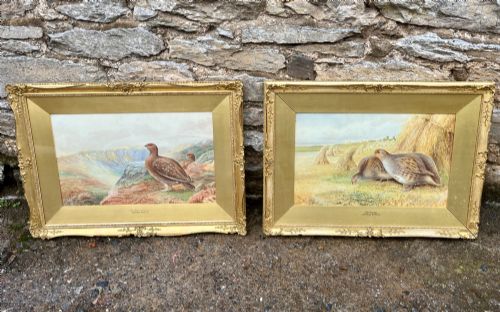
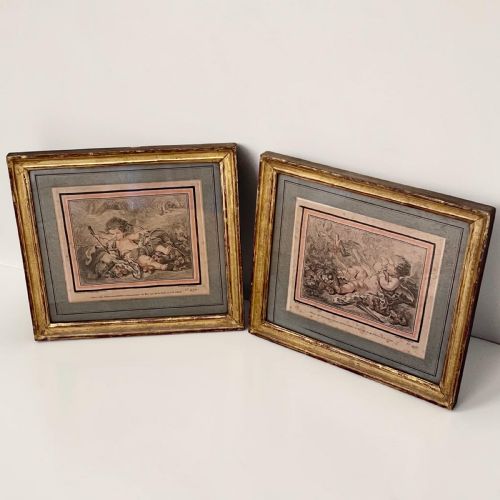
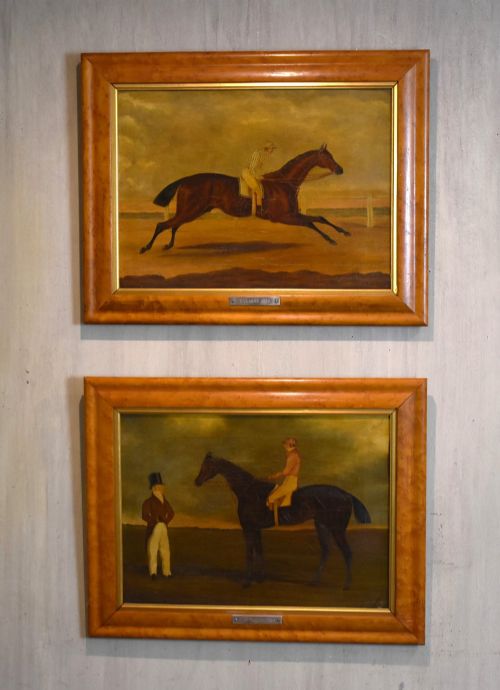
Pair framed wall prints encompass matching sets of antique graphic works, engravings, lithographs, and watercolours displayed together in shared frames. Buyers searching this phrase encounter examples ranging from eighteenth-century natural history studies and French classical subjects to Victorian animal portraits and Japanese woodblock prints. The selection frequently includes hand-coloured botanical plates, mezzotint royal portraits, and reverse glass paintings designed for symmetrical display.
The material forms on this page span Georgian, Victorian, and Edwardian periods, utilising wood, gold leaf, and giltwood frames to enclose paper works and canvases. Many pieces retain original glass and period mounts that anchor their historical context. Subjects vary from ornithological studies and reptile engravings to domestic scenes and architectural views.
How they were made
Makers utilised traditional printing and painting techniques including copperplate engraving, lithography, mezzotint, and woodblock printing upon paper surfaces. Many nineteenth-century and eighteenth-century examples received hand-applied watercolours to enhance botanical, ornithological, and reptilian subjects. Gouache and oil mediums also appear on board, vinyl canvas, and paper supports.
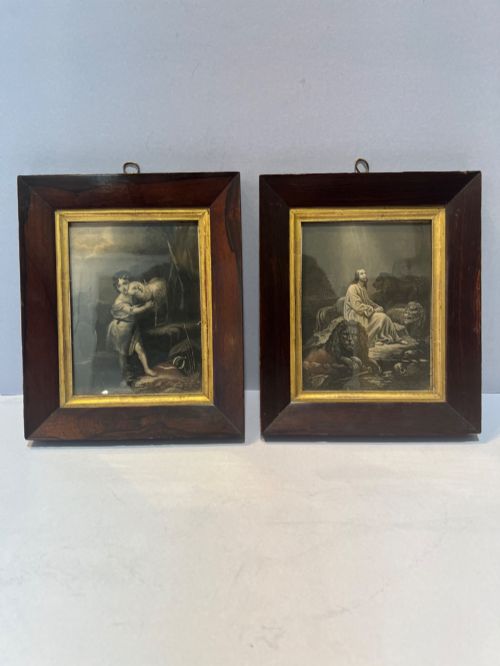
Framing methods combined timber, such as rosewood, with gilt leaf and giltwood mouldings to protect the enclosed artwork behind glass. Reverse glass paintings required direct application of pigment onto the rear surface of the glass pane itself, creating a distinct luminous finish. Original makers often paired these sheets with contemporaneous mats and protective backing boards.
Listings feature paper, glass, wood, gold leaf, gilt wood, giltwood, gilt, and watercolour across Georgian and Victorian periods.
What varies in quality
Quality rests in the crispness of the original impression and the precision of any hand-applied watercolour tinting. Early strikes from copperplates display finer line definition than later printings where plates experienced wear. The survival of original frames, contemporary glass, and undisturbed backing papers elevates an example above items placed in later mouldings.
The distinction between standard decorative prints and works by documented artists or scientific illustrators dictates the hierarchy of pieces. Natural history plates bearing clear attribution to known naturalists or engravers command greater regard. Preservation of colour vibrancy without excessive fading or damp staining determines the enduring appeal of paper works.
William Bird MD FLS·Jean Mariette·Cornelis Van Der Voort·Hokusai·Thomas Frye·Richard Purcell·Adam Buck·George Rankin·Huet·Demarteau·John Frederick Herring Snr·David Roberts RA·Louis Haghe·Robert Sayer·Louis Wain·Buffon·Claude Lorrain·John Boydell·Pierre Buillon·Henri Chatillon·Samuel Sidley·G Morland·Georg Wolfgang Knorr
The Pair Framed Wall Prints Glossary
- Engraving
- A printmaking technique where an artist cuts lines directly into a metal plate using a sharp tool. The resulting inked lines produce high detail on paper.
- Mezzotint
- A tonal printmaking method on copper where the surface is roughened to achieve rich dark areas and subtle gradations of light. This process was widely used for eighteenth-century portraiture.
- Lithography
- A planographic printing process based on the repulsion of oil and water on a limestone or metal plate. It allowed for accurate reproduction of watercolours and drawings.
- Crystoleom
- A Victorian method of applying oil or watercolour paint to the rear of a transparent print placed under convex glass. The paper backing was then rubbed away to leave coloured pigments trapped beneath the glass.
- Reverse glass painting
- An artwork created by applying paint directly onto the back of a glass pane so the image is viewed through the front. This technique produces a characteristic gloss finish.
- Tinsel picture
- A nineteenth-century popular art form combining hand-coloured prints with applied pieces of foil, silk, and tinsel. These decorative works frequently depicted theatrical performers.
Pair Framed Wall Prints: Frequently Asked Questions
How do I hang a pair of antique prints safely?
Hang your prints at eye level utilising two secure fixing points per frame to maintain correct horizontal alignment on the wall.
Avoid positioning antique paper works in direct sunlight or damp areas to prevent fading of the paper and deterioration of the original timber frames.
Are these prints original period pieces?
The listings feature period impressions originating from the eighteenth, nineteenth, and early twentieth centuries rather than modern reproductions.
Examination of the paper stock, plate marks, and framing materials helps confirm the historic manufacture date of each artwork.
How should I clean antique frames and glass?
Dust the timber frames gently with a dry, soft cloth and avoid applying liquid polishes that might damage aged giltwood or rosewood surfaces.
Clean the glass sparingly with a mild glass cleaner applied to a cloth rather than directly sprayed onto the frame edges.
Why are these artworks sold in pairs?
Georgian and Victorian interior decoration favoured symmetry, leading to the creation and framing of matching companion scenes for balanced wall display.
Subjects such as seasonal allegories, botanical studies, and portrait pendants were deliberately produced as matching sets to hang together.