


Pair Edwardian Beds
Pair edwardian beds offer matching sleeping quarters for a room, bringing period craftsmanship and coordinated design to antique bedroom layouts.
Pair Edwardian Beds
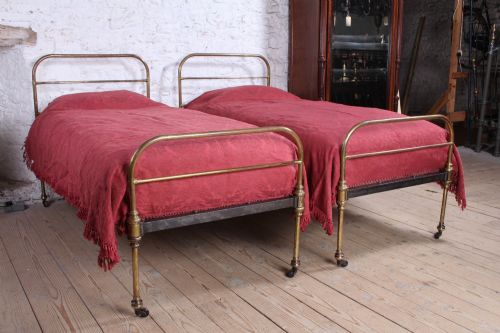
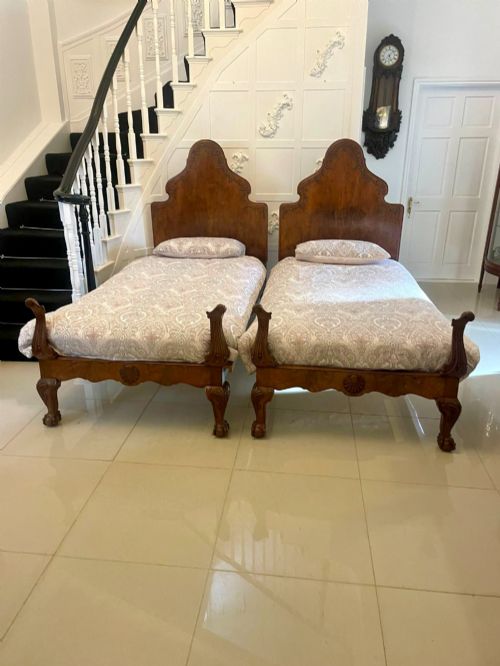
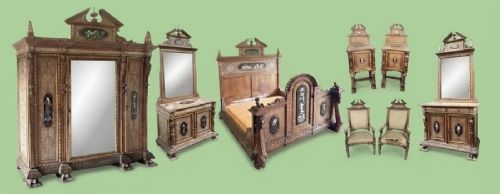
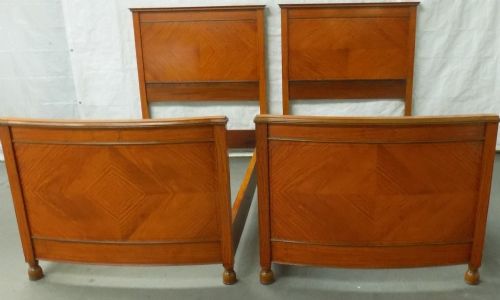
When searching for pair edwardian beds, you encounter matching sets of single bedframes or bedsteads originally produced during the early twentieth century. These furnishings often appear in rich timbers such as mahogany, walnut, and satinwood, frequently featuring fine inlay work or revival styling.
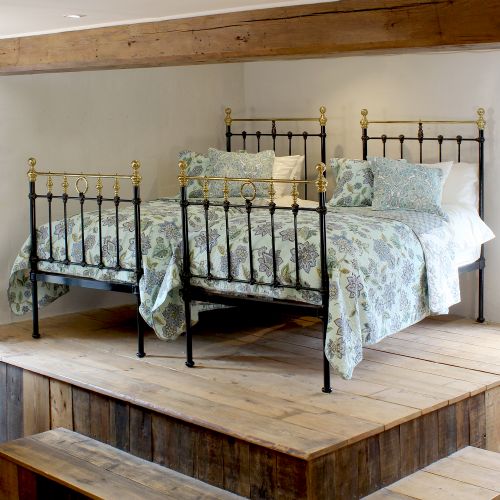
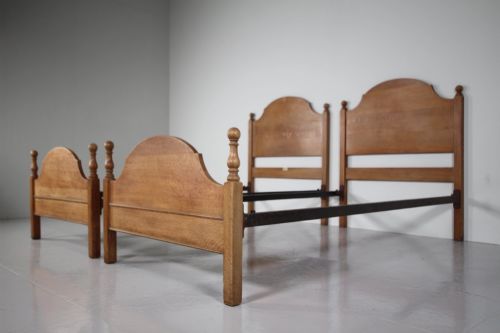
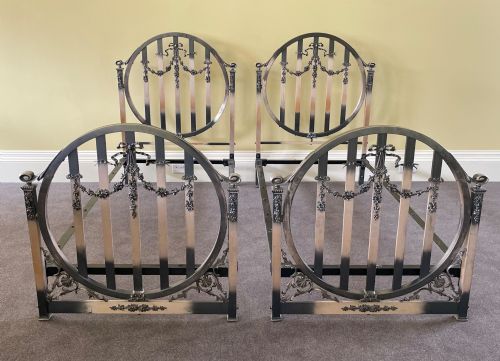
The selections on this page span straightforward metal frames in brass and cast iron alongside substantial wooden structures. Many examples reflect the output of prominent workshops from the period, providing coordinated sleeping arrangements designed to match traditional interior schemes.
Materials and construction methods
Cabinetmakers utilised dense hardwoods like mahogany and walnut, frequently applying decorative satinwood veneers and delicate marquetry inlay to enhance the visual appeal of the headboards and footboards. Metal alternatives combined heavy cast iron with brass detailing or nickel plating to achieve robust structural support.
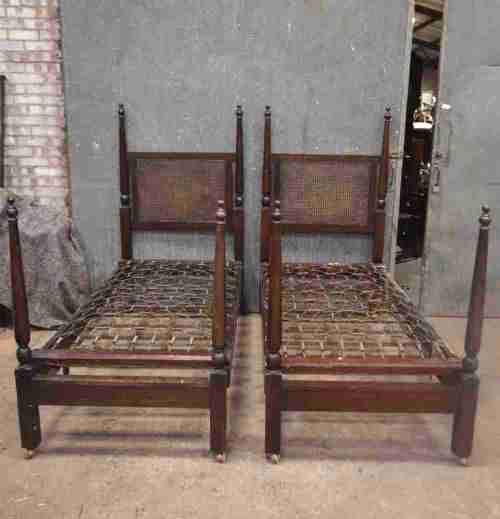
Joinery techniques relied on sturdy frame construction, sometimes incorporating carved wooden panels, woven bergere cane, or hand-painted portrait details. Labelled examples demonstrate standard workshop practices where identifiable makers stamped or affixed tags to the timber frames.
Some single beds come with matching bedroom chairs so your furniture can truly socialise.
Markers of distinction and build
The refinement of the timber grain and the precision of the inlaid decoration set superior examples apart from standard utility frames. Figured burr walnut and carefully matched mahogany veneers show a higher degree of material selection by the maker.
Design ambition also dictates value, with revival styles exhibiting detailed carved mouldings, specialised finishes, or documented maker labels from notable retailers. The preservation of original surface finishes and matching components preserves the integrity of the ensemble.
Heal And Son·Waring And Gillows·Shapland And Petter·Liberty London
The Pair Edwardian Beds Glossary
- Bedstead
- The framework of a bed consisting of headboard, footboard, and side rails. It supports the mattress platform without including the bedding itself.
- Bergere
- A traditional style of panel work utilising woven cane. It appears frequently on the headboards and footboards of period seating and bedframes.
- Inlay
- A decorative technique where contrasting materials are inserted into recesses within the wood surface. Common motifs include geometric banding and floral patterns.
- Revival
- A design movement that emulates historical aesthetics from earlier centuries. Popular iterations include Queen Anne and Chippendale styles applied to Edwardian furniture.
Pair Edwardian Beds: Frequently Asked Questions
Can pair edwardian beds be joined together?
Certain metal and wooden variations are specifically constructed to connect into a wider sleeping platform. The listings indicate which frames offer this modular flexibility.
Buyers should examine the joining mechanism carefully to ensure stability when combining the two separate frames into a single unit.
What woods were used for these beds?
Cabinetmakers primarily worked with mahogany, walnut, and oak for structural durability and rich grain patterns. Satinwood also appears frequently on decorative inlaid examples.
These timbers were often polished to a warm finish that highlighted the natural figure of the wood.
How do I identify a labelled bed?
Recognised workshops attached paper labels, metal tags, or direct brand stamps onto the interior wooden rails of their furniture. These marks confirm the original retailer or maker.
Checking the side rails and headboard interiors usually reveals any surviving maker insignia from the period.
Are metal frames common in this style?
Cast iron and brass structures were widely produced alongside wooden furniture during the early twentieth century. Nickel plated finishes and decorative brass accents frequently decorate these metal frames.
These durable alternatives offer a distinct aesthetic compared to traditional timber bedsteads.