
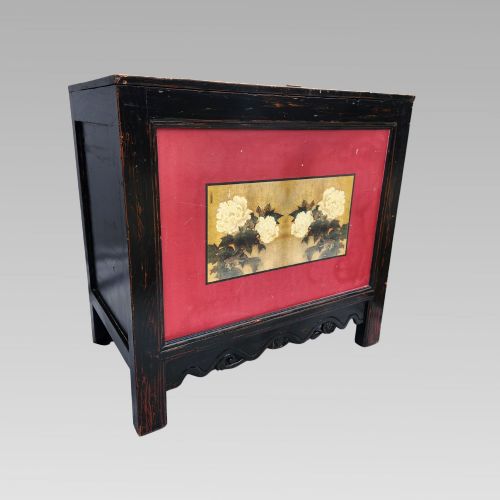


Painted Wooden Storage Box
A painted wooden storage box brings practical capacity and regional folk art into a room, offering sturdy utility wrapped in colour.
Painted Wooden Storage Box
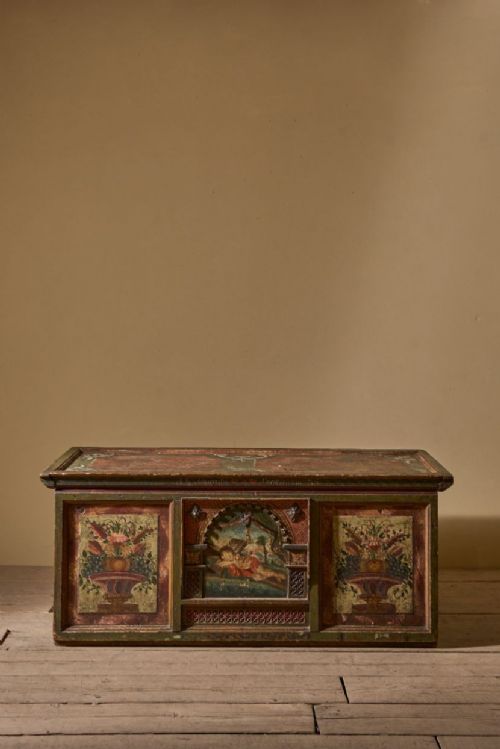
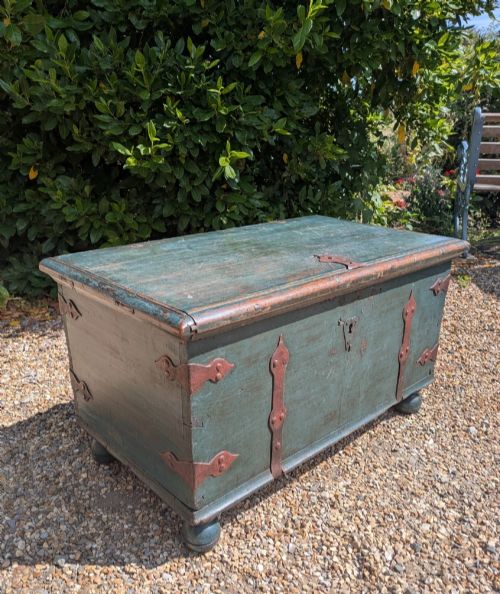
When you search for a painted wooden storage box, you enter a field dominated by nineteenth-century country pieces, marriage chests, and blanket boxes. These vessels served domestic storage needs across Europe, from Swedish farmhouses to Hungarian villages.
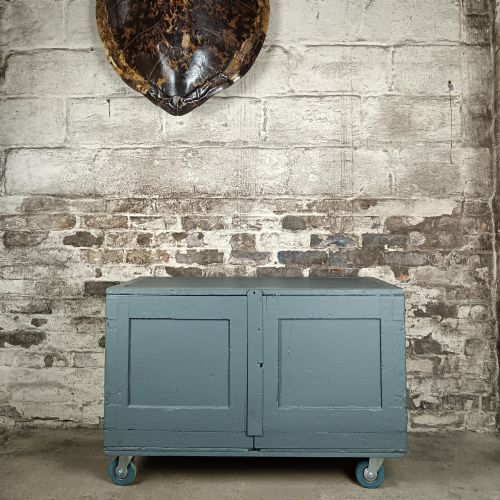
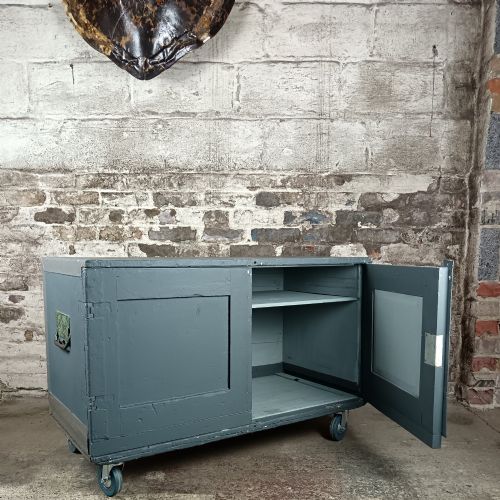
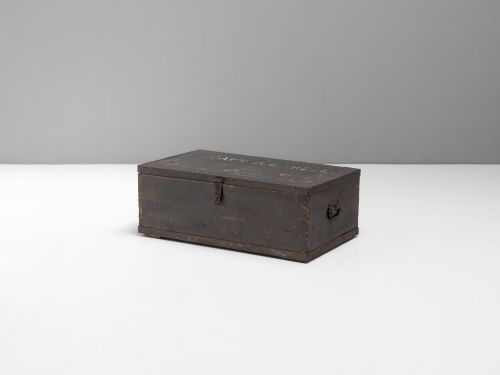
The pieces appearing on this page lean heavily toward nineteenth-century origins, alongside Georgian, Regency, and early twentieth-century examples. Forms range from large marriage chests and mule chests to smaller coffer boxes and travel trunks.
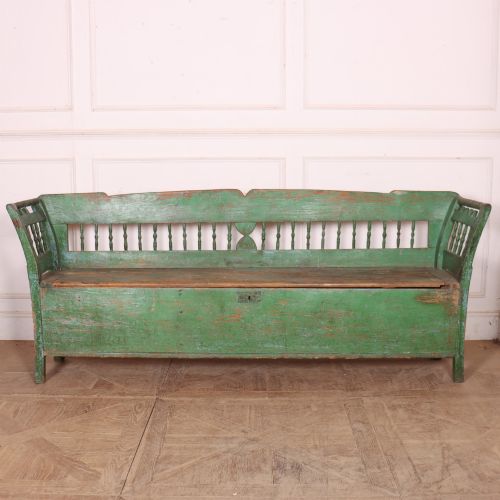
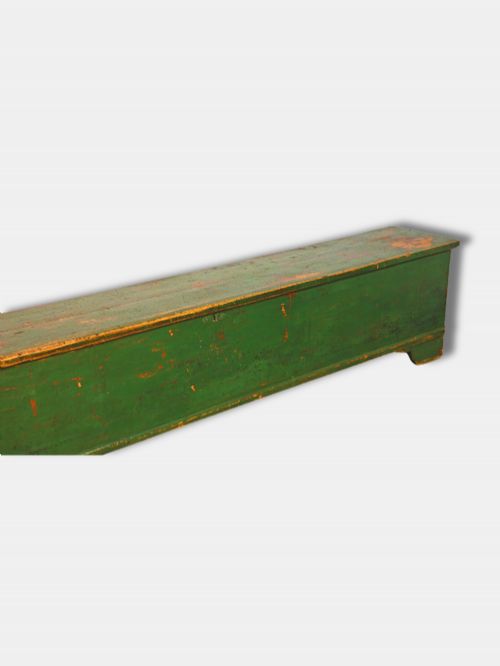
Regional variations define the selection, with Scandinavian and Hungarian folk art traditions providing much of the colour and decorative character. Alongside traditional chests, related seating forms like box settles and painted benches also emerge.
How they were made
Construction relies primarily on pine and other accessible woods, shaped into robust carcass bodies designed to withstand decades of heavy household use. Carpenters joined panels securely, often adding hinged lids for dependable daily access.
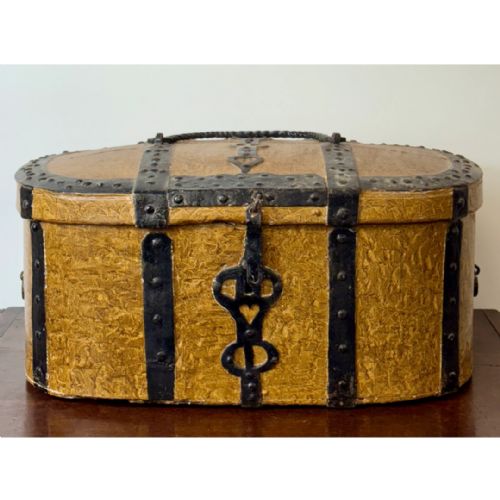
Surface treatment defines the aesthetic, utilising original pigment, lacquer, and scumble paint layered over the timber. Blacksmiths contributed hand-forged iron strapwork, hinges, and brass fittings that reinforced corners and secured the lids.
Materials recorded across the selection include pine, wrought iron, brass, lacquer, and original pigment.
What varies in quality
Quality rests significantly in the survival of original paint surfaces versus later overpainting or stripping. Pieces retaining genuine folk art motifs, untouched regional pigments, and honest patination command greater interest than those with renewed finishes.
Structural integrity and hardware retention also separate examples. Original hand-forged iron strapwork, sturdy dovetail joints, and functioning hinges contribute to a higher grade of craftsmanship.
The Painted Wooden Storage Box Glossary
- Mule chest
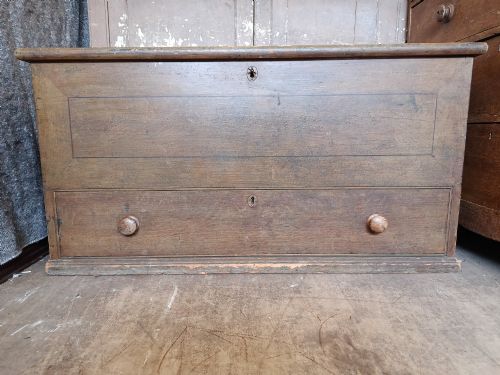
- A storage chest fitted with one or more drawers beneath the main compartment. This form bridges the traditional blanket chest and the chest of drawers.
- Scumble pine
- Pine treated with a translucent glaze manipulated with combs or brushes to imitate finer grained timber or create mottled patterns. It was common in nineteenth-century country decoration.
- Marriage trunk
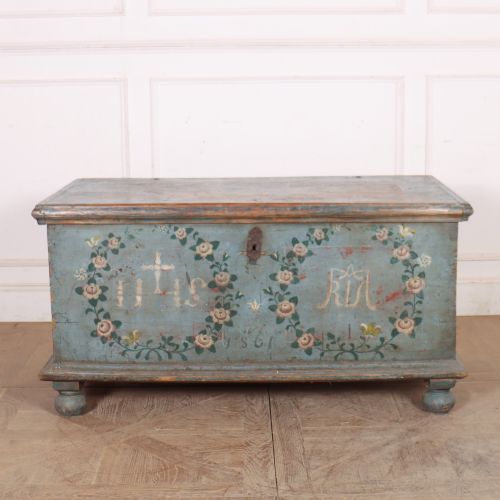
- A large celebratory chest often commissioned for a wedding and decorated with specific dates, initials, or regional floral motifs. These pieces formed part of a bride's dowry.
- Coffer box
- A heavy box with a lid, traditionally used for keeping valuables or documents safe. They frequently feature robust iron strapwork for added security.
- Box settle
- A wooden bench featuring a high back and a seat that lifts to reveal storage space underneath. They combined seating with practical containment near hearths.
Painted Wooden Storage Box: Frequently Asked Questions
What is a painted wooden storage box used for?
These boxes provided secure containment for blankets, clothing, and household goods in period homes. Today they function practically as living room coffee tables, bedroom blanket chests, or hallway storage.
Their robust timber construction allows them to support daily weight while concealing clutter inside. The decorative painted surfaces also introduce period colour and folk art character directly into modern interiors.
How do I date a painted wooden box?
Dating relies on examining construction techniques, hardware, and the underlying pigments of the paint. Hand-forged iron strapwork and early dovetailing typically point toward eighteenth or nineteenth-century origins.
Stylistic clues such as regional folk motifs or specific Victorian proportions further narrow the period. Comparing the wear patterns around handles and hinges helps confirm age.
Are these boxes made of solid pine?
Pine serves as the primary wood across the vast majority of these regional European country pieces. Carpenters utilised local softwood availability to build durable, thick-walled containers.
While pine predominates, occasional examples incorporate hardwood details or utilise mahogany for refined items like tea caddies. The soft timber absorbs pigment and scumble glazes readily.
How do I care for original painted surfaces?
Preserving original paint requires keeping the wooden box away from direct sunlight and excessive moisture fluctuations. Gentle dusting with a dry cloth prevents dirt buildup without risking the pigment.
Avoid chemical cleaners, modern furniture polishes, or abrasive pads that can strip delicate historical finishes. Maintaining stable indoor humidity protects both the timber substrate and the decorative layer.