

Painted Wooden Panel
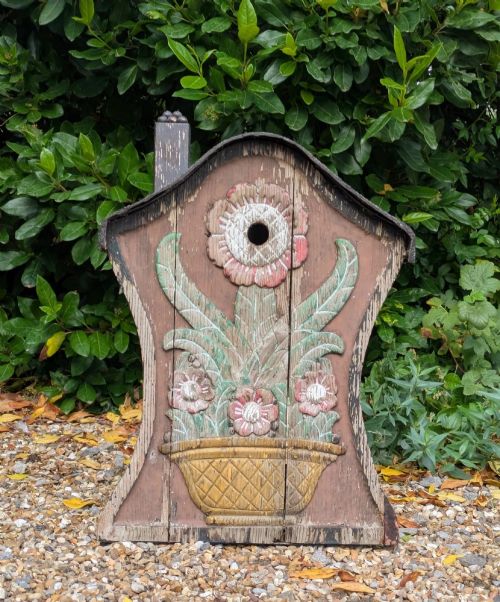
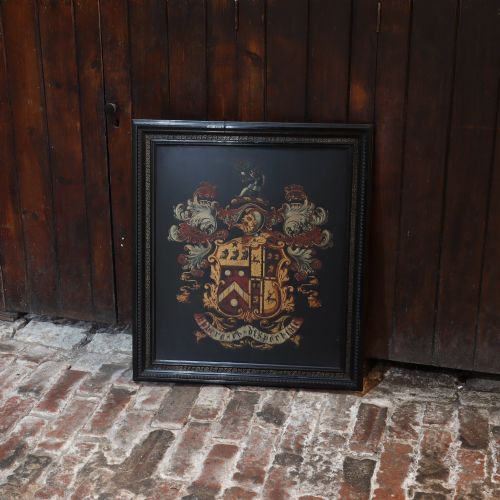
When you search for a painted wooden panel, you are looking at surfaces carrying centuries of pigment, from heraldic coats of arms to rustic folk art.
Painted Wooden Panel
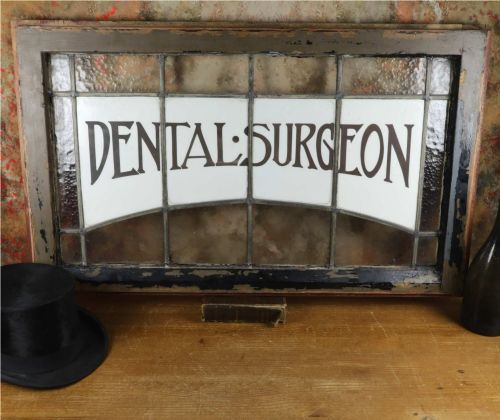
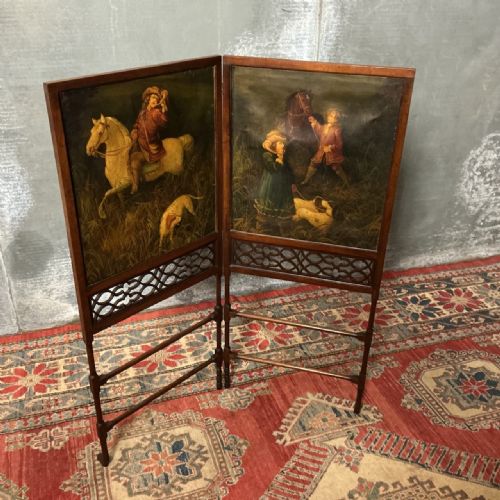
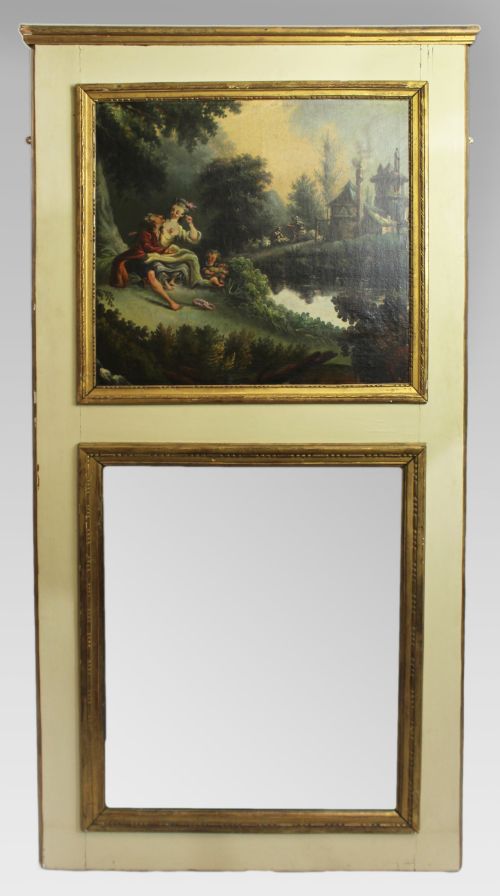
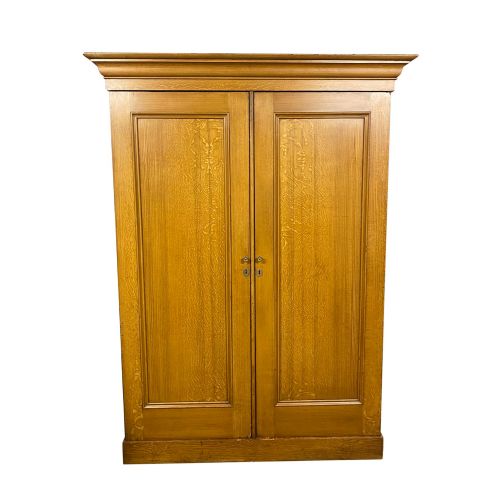
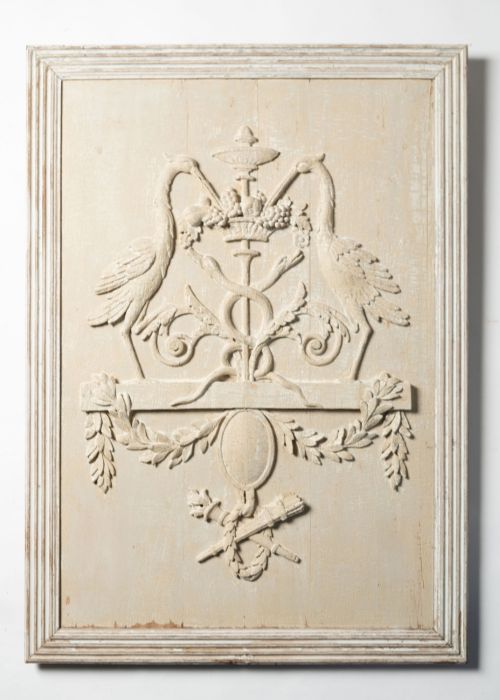
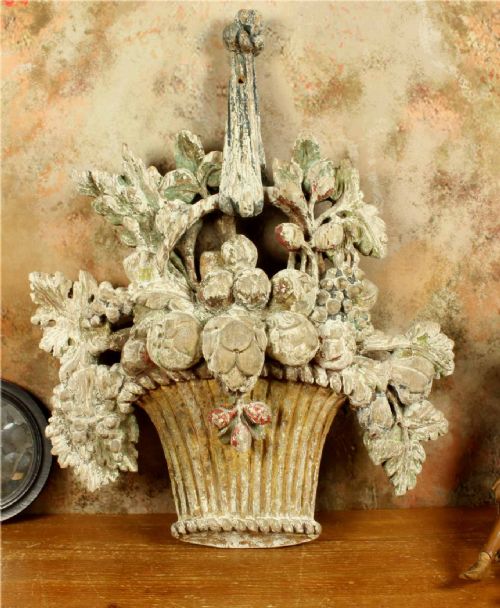
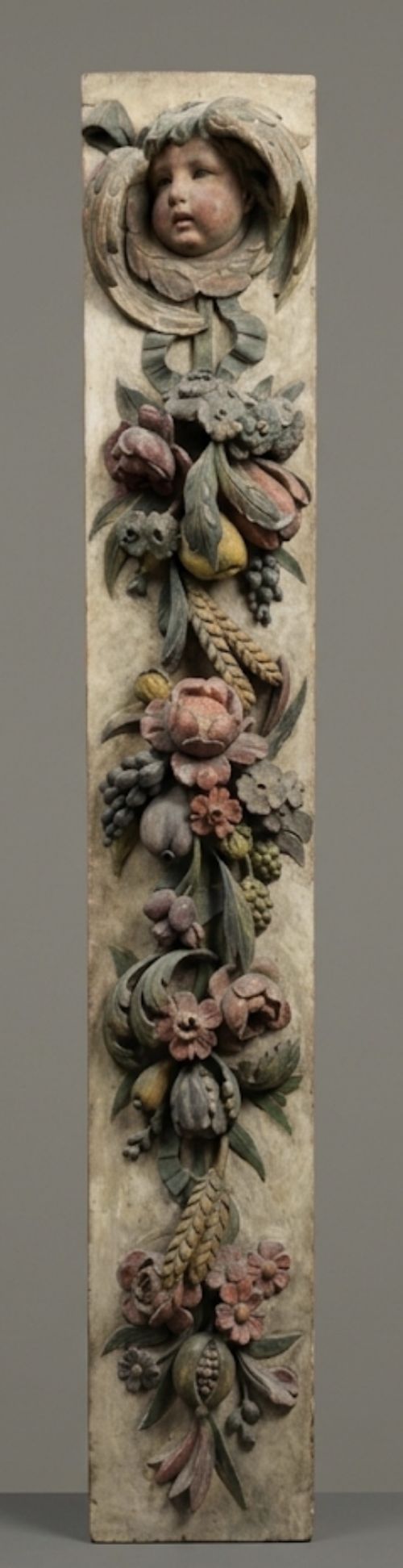
A painted wooden panel brings together timber support and applied pigment, spanning domestic furniture, architectural salvage, and standalone wall art. You meet these pieces in various forms, including folding screens, trumeau mirrors, wardrobe doors, and ecclesiastical fragments.
The selections range from naive 18th-century pine depictions of saints to 19th-century heraldic coats of arms and early 20th-century Scandinavian country screens. Surviving examples often originate from functional items like coach panels, cart fragments, and storage cupboards that have been repurposed for display.
How They Were Made
Maker's workshops built these objects using solid timbers such as pine, oak, walnut, and ash, often forming flat boards or carved reliefs. Surface decoration relied upon oil paint, tempera, and gold leaf applied directly to the wood or prepared grounds, sometimes protected with wax or scumble finishes.
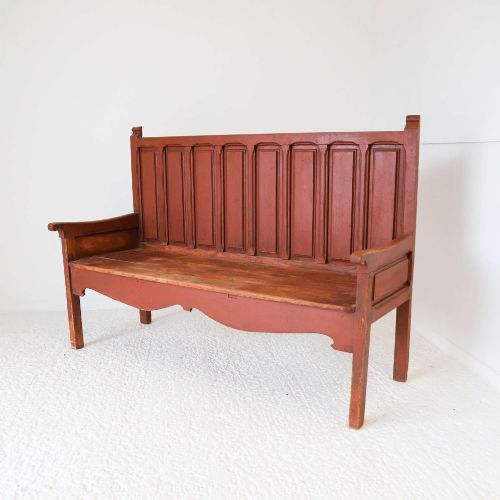
Structural methods varied from simple boarded construction for signage and screens to panelled joinery for furniture elements like cupboards and settle benches. Pigments were brushed onto wood panels prepared for domestic settings, religious icons, or exterior transport use like carriage doors.
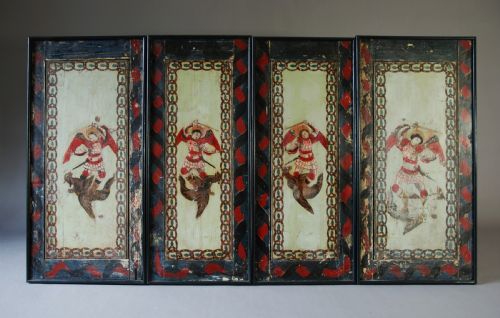
Sold archives reveal painted soldiers standing at attention on a wooden panel, guarding the room from within.
What Varies in Quality
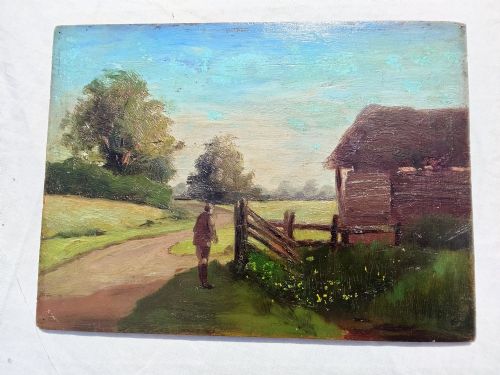
The distinction between ordinary and exceptional works rests on the execution of the painting and the originality of the surface pigment. Hand-rendered details in portraits, heraldry, and landscape scenes elevate a piece beyond standard decorative production.
Survival of the original paint layer dictates the integrity of the object, distinguishing untouched historical surfaces from later overpainting. The harmony between the wooden support, whether carved pine or framed board, and the applied art defines the overall character.
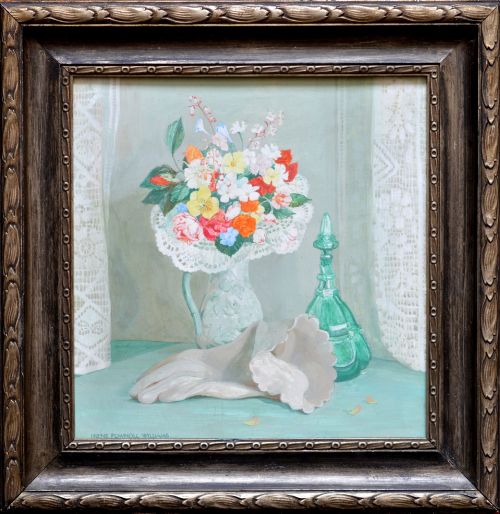
Irene Christobelle Pownoll Williams·William Williams·Icilio Federico Joni·Hubert Wellington
The Painted Wooden Panel Glossary
- Trumeau
- A decorative wall mirror featuring an oil painting set into the upper wooden panel. These French architectural elements hung between windows in period salons.
- Scumble
- A translucent layer of glaze brushed over a base coat to simulate wood grain or texture. 19th-century cabinetmakers utilised this technique on plain pine furniture.
- Tempera
- A permanent fast-drying painting medium consisting of coloured pigment mixed with a water-soluble binder such as egg yolk. Early panel paintings frequently employed this method.
- Folk art
- Utilitarian items and decorative objects created by self-taught makers outside academic traditions. These pieces prioritise expressive design over formal academic rules.
- Heraldic panel
- A wooden board painted with a coat of arms representing a specific family or institution. Such panels often recorded lineage and alliances in country houses.
Painted Wooden Panel: Frequently Asked Questions
How were these panels used historically?
These items served varied functions depending on their original context, ranging from devotional icons and church fixtures to decorative screens dividing rooms in grand homes. Others functioned as exterior signs for businesses, carriage panels for transport, or fixed architectural elements above doorways.
Over time, many functional elements were removed from their original structures and repurposed purely as decorative wall art.
How do I care for an antique panel?
Preserving these objects requires maintaining stable indoor humidity levels and keeping them away from direct sunlight and heat sources, which can cause timber to split and paint to flake. Dusting should be done gently with a dry, soft cloth without applying modern liquid polishes.
Intervening with the painted surface should be avoided to protect the original pigment and historical finish from accidental damage.
How can I tell the period of a panel?
Dating relies on examining the type of wood used, the construction methods of the panel support, and the chemical composition or style of the pigment. Tool marks on the timber, framing styles, and the specific iconography of painted scenes often point towards a particular century.
Comparative study of regional painting traditions, such as Scandinavian folk art or British heraldry, helps narrow down the date of manufacture.