

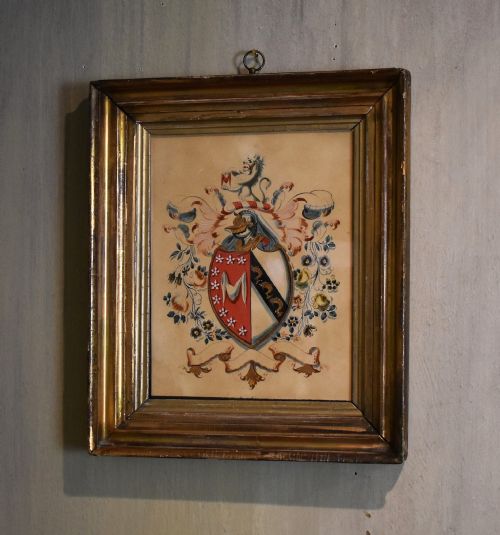
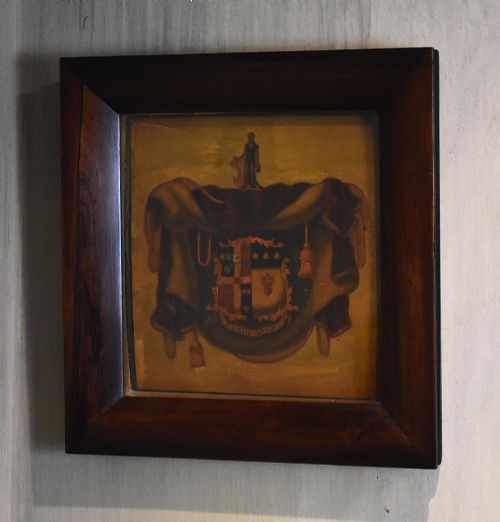
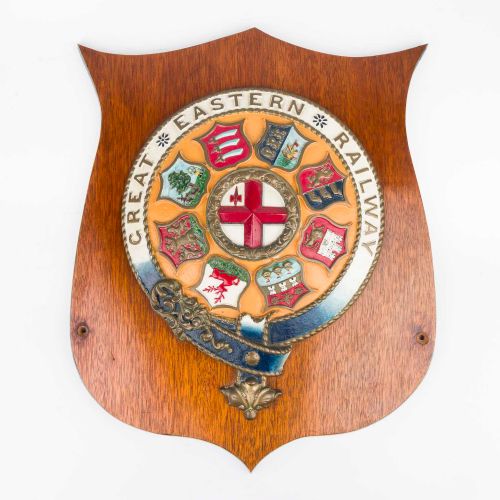


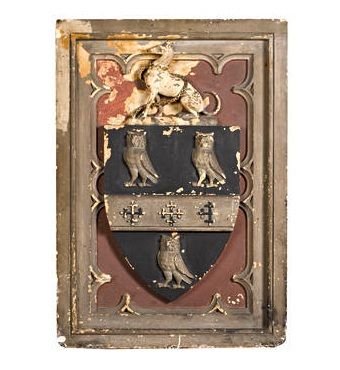


Painted Heraldic Shield
These painted heraldic shield pieces carry centuries of family pride and civic identity straight onto your wall.
Painted Heraldic Shield
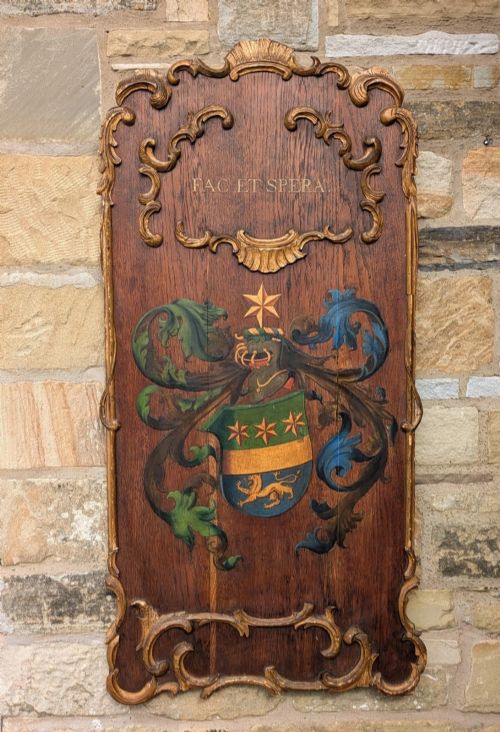
A painted heraldic shield represents family lineage, corporate pride or royal authority through traditional armorial bearings and charges. When you search for a painted heraldic shield, you encounter wall plaques, carved wooden panels, coach panels and framed watercolours or oils.
The pieces appearing here span from the eighteenth century to the mid twentieth century, encompassing Georgian, Regency and Victorian periods alongside Gothic Revival designs. You are most likely to meet nineteenth century wooden panels, cast iron plaques and carved armorial crests.
Makers ranged from regional coach painters to industrial foundries and specialised heraldic artists. These items served as displays of status, railway company branding or architectural decoration inside grand halls and municipal buildings.
How they were made
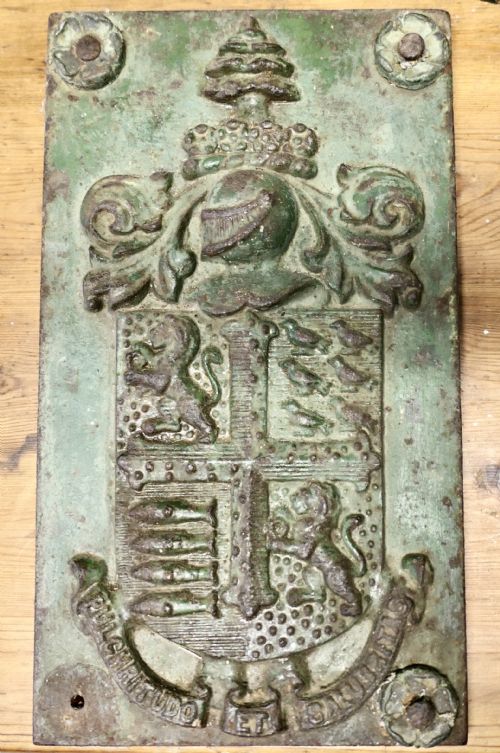
Makers worked primarily with wood, including oak and mahogany, often carving the support before applying polychrome paint, enamel paint or gold leaf. Iron and bronze plaques utilised casting techniques, resulting in robust armorial reliefs designed for heavier architectural use.
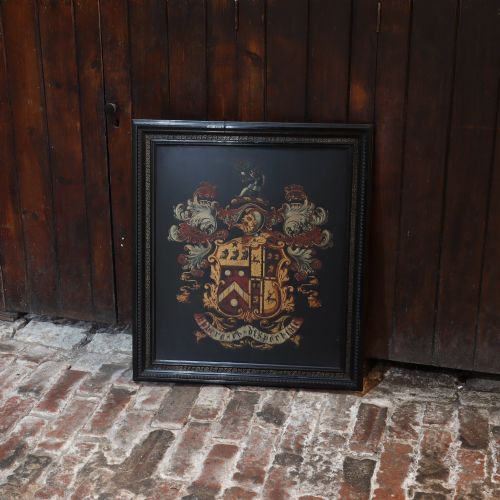
Other examples employ delicate media such as watercolour and oil on glass, framed to protect the meticulous detailing of the crests. Hand carving and brushwork define the traditional craftsmanship found across these panels and wall reliefs.
Painted Heraldic Shield Retail Price Guide 2026
Typical asking prices for painted heraldic shield among the pieces listed under this phrase on Sellingantiques today, from the lower quarter to the upper quarter. They describe what is for sale here now, not the wider market.
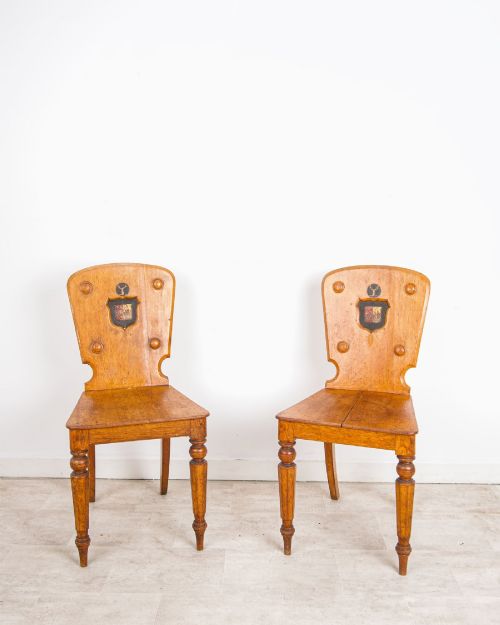
Listings feature wood, cast iron, bronze and glass as primary materials across wall plaques, hall chairs and framed paintings.
What varies in quality
Quality rests in the precision of the heraldic painting, the depth of the wood carving and the clarity of the armorial bearings. Finer items exhibit sharp brushwork, accurate tinctures and well preserved polychrome pigments.
Subsequent repainting or poor restoration alters the historic integrity of a piece, whereas original nineteenth or eighteenth century surfaces command greater attention. The choice of durable materials, from solid oak panels to cast bronze, also dictates the longevity and visual impact of the work.
The Painted Heraldic Shield Glossary
- Armorial
- Relating to heraldic arms or a coat of arms. These designs display specific family or institutional lineages.
- Polychrome
- Painted or printed in several colours. This finish brings vibrancy to the carved wooden shields and panels.
- Regency
- An English architectural and decorative style dating from the early nineteenth century. Pieces from this period often display refined classical influences.
- Gothic Revival
- An architectural and design movement drawing inspiration from medieval forms. This style appears frequently in nineteenth century armorial wall plaques.
- Crest
- The component of a heraldic display situated on top of the helmet or shield. It forms a central focus for many painted and carved panels.
Painted Heraldic Shield: Frequently Asked Questions
Where were painted heraldic shields displayed originally?
These pieces traditionally hung in country houses, municipal buildings, railway offices and great halls to signal lineage, corporate identity or royal allegiance.
Today, they function as striking wall art in domestic interiors, anchoring a room with historic character.
How do I care for a painted wooden shield?
Keep the piece away from direct sunlight and damp environments to protect the historic wood and delicate paint layers.
Dust gently with a dry, soft cloth and avoid modern chemical cleaners that might damage the original pigments.
How can I tell a nineteenth century piece from an earlier one?
Examine the backing materials, fixings, and the ageing of the paint and wood beneath the surface.
Eighteenth century items often feature hand carved polychrome details with distinct material wear, while nineteenth century examples frequently incorporate industrial iron or varied Victorian revival styles.
What is the difference between a wall plaque and a coach panel?
Coach panels were painted specifically to be mounted on the side of horse-drawn carriages to display a family crest during travel.
Wall plaques were produced exclusively for interior display on domestic or institutional walls from the outset.