



Mahogany Framed Art
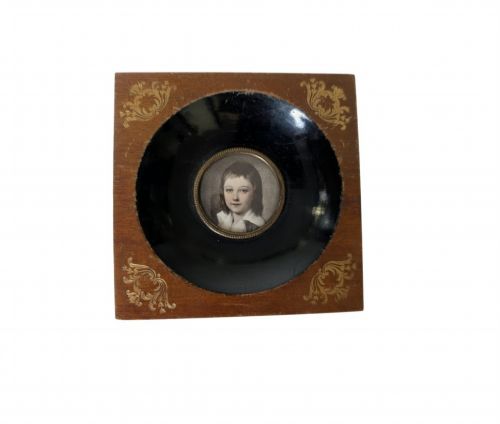
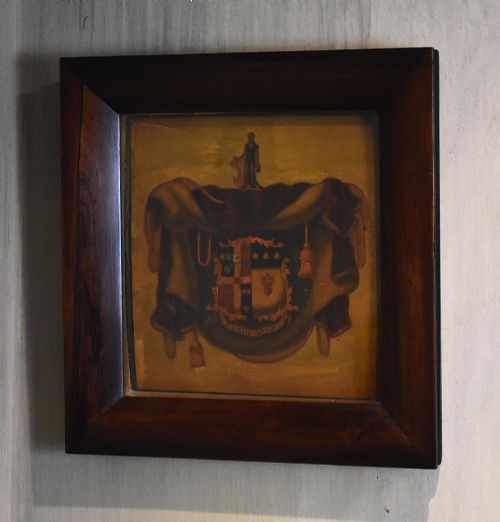
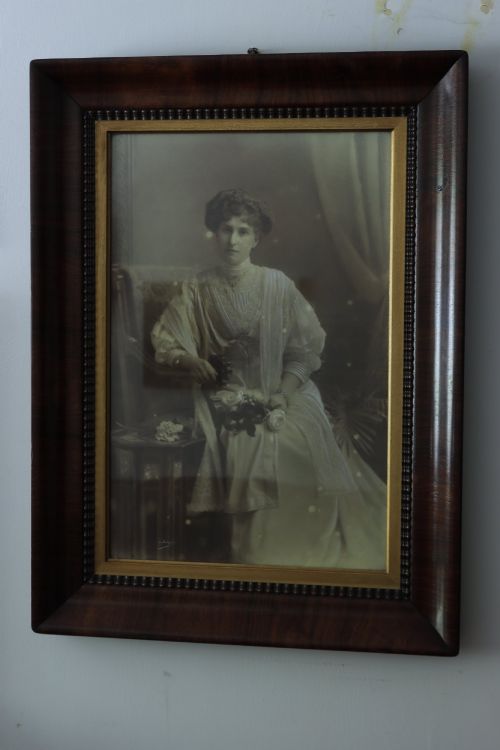
Mahogany framed art brings together timber and imagery, uniting rich hardwood surrounds with paintings, prints, textiles and dioramas from past centuries.

Mahogany Framed Art
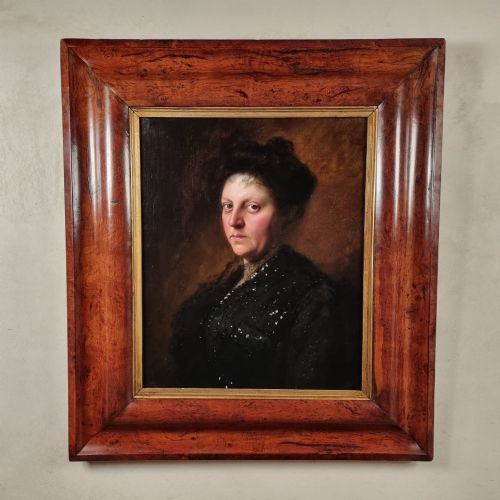
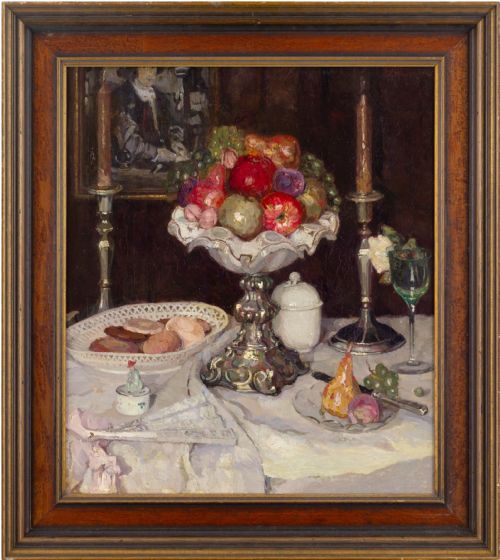
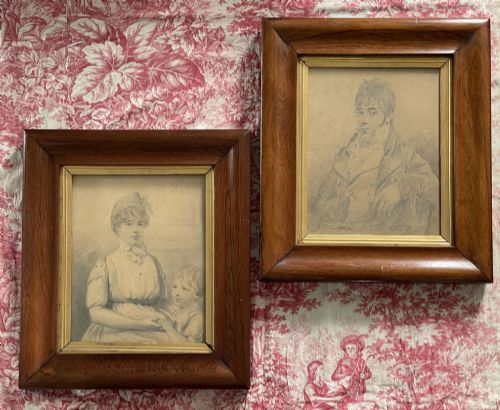
When searching for mahogany framed art, buyers encounter a diverse selection of wall hangings, oils, watercolours, prints and needleworks enclosed in timber surrounds. The pieces span periods from the Georgian and Regency eras through the Victorian age and into the early twentieth century.
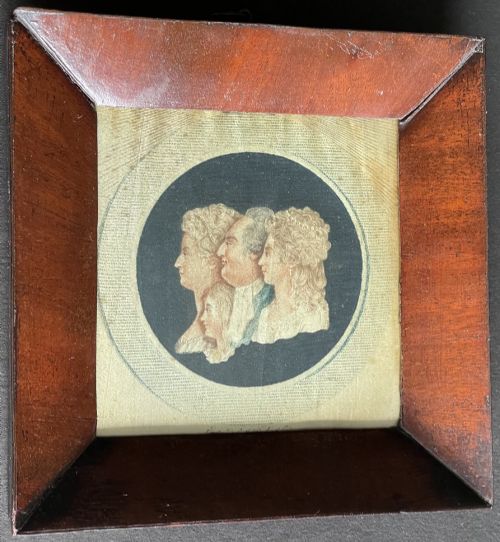
The objects take many forms on this page, including pastoral landscapes, portraits, maritime dioramas, botanical subjects and theatrical prints. Many items combine traditional media such as canvas, paper and silk with solid or veneered mahogany housings.
Buyers are most likely to meet Victorian and Edwardian framed works alongside Regency prints and drawings. These pieces reflect the enduring popularity of housing quality imagery in durable, warm-toned hardwoods.
How they were made
Makers utilised dense tropical timber for the surrounds, often selecting mahogany for its stability, rich grain and deep colour. This wood was frequently polished, carved or gilded with gold leaf to complement the artwork within.
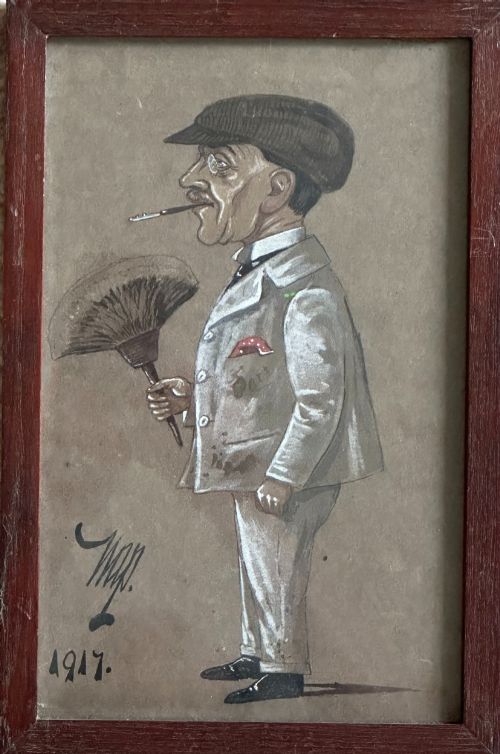
The visual works themselves relied on traditional techniques such as oil painting, watercolour, graphite drawing, lithography, needlework and collage on materials including canvas, paper, silk and wool. Glazing with glass frequently protected delicate watercolours, prints and textiles from environmental damage.
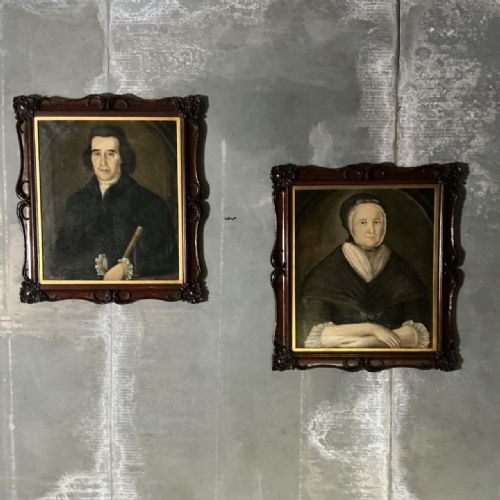
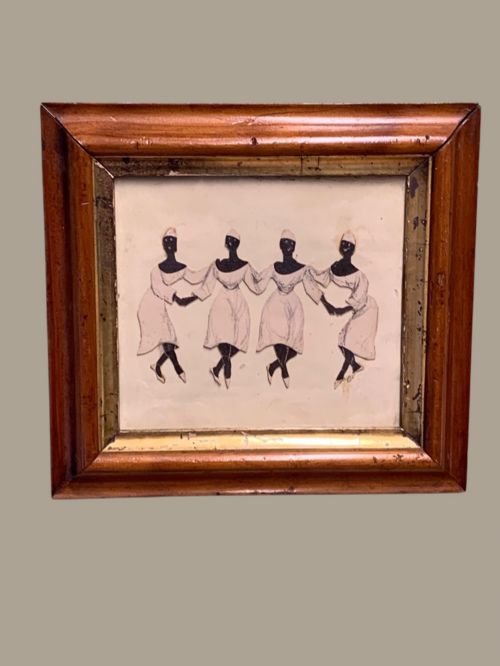
Racing pigeons and dancing African girls share wall space here with solemn Victorian portraits and clipper ships.
What varies in quality
Quality rests upon the harmony between the enclosure and the artwork, where finely figured timber mouldings enhance the visual impact of the piece rather than overpowering it. Superior examples display expert joinery in the frame corners alongside skilled execution in the painting, drawing or textile work.
The integrity of the materials dictates the tier of the piece, distinguishing items with original hand-tinting, crisp needlework or genuine period oil paint from later reproductions or mismatched pairings. Preservation of the primary components without heavy alterations elevates the standing of the work.
Ralph Hedley RBA·Else Preußner·Arthur H Enock·Louis Majorelle
The Mahogany Framed Art Glossary
- Mahogany
- A durable, reddish-brown tropical hardwood prized for furniture and picture frames. It takes a high polish and resists warping.
- Diorama
- A three-dimensional scene, often depicting maritime vessels or coastal views. These constructions frequently sit inside glazed wooden boxes.
- Lithography
- A planographic printing process used to produce mass-printed images in the nineteenth century. Prints were sometimes finished with hand-tinting.
- Gros point
- A counted-thread embroidery stitch used in needlework pieces and samplers. It creates a durable, textured canvas surface.
- Regency
- An architectural and decorative style spanning the early nineteenth century. Pieces from this period often display neoclassical restraint and elegance.
Mahogany Framed Art: Frequently Asked Questions
How do I date mahogany frames?
Dating relies on examining the construction methods of the timber surround, such as mitre joints, backboards and fixings. Earlier frames often show hand-cut joinery and older fixings.
Secondary indicators include the type of glass, fixings and any labels or stamps preserved on the reverse of the piece.
Are these artworks original period pieces?
The listings encompass authentic period items ranging from nineteenth-century oil paintings to Edwardian prints and Victorian needleworks. Each piece reflects the materials and techniques of its era.
Provenance and medium analysis help confirm whether an artwork and its frame have remained together since their creation.
How should I hang heavy framed art?
Substantial pieces require secure wall fixings suited to the weight of the dense timber and glass. Using appropriate picture wire and wall anchors ensures stability.
Positioning the work away from direct sunlight and damp environments protects both the mahogany frame and the delicate media within.
What maintenance do these frames need?
Routine care involves dusting the timber gently with a dry, soft cloth to prevent grime accumulation. Avoid harsh chemical cleaners that might strip the historic polish.
Maintaining stable room humidity prevents the mahogany from shrinking or cracking over time, preserving the structural integrity of the surround.