



Dark Wood Armorial
Dark wood armorial pieces carry centuries of heraldry carved and painted into rich timbers, offering an imposing focal point for any grand interior.
Dark Wood Armorial
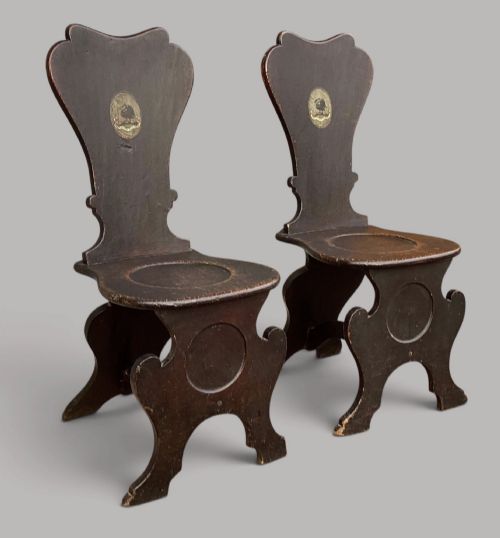
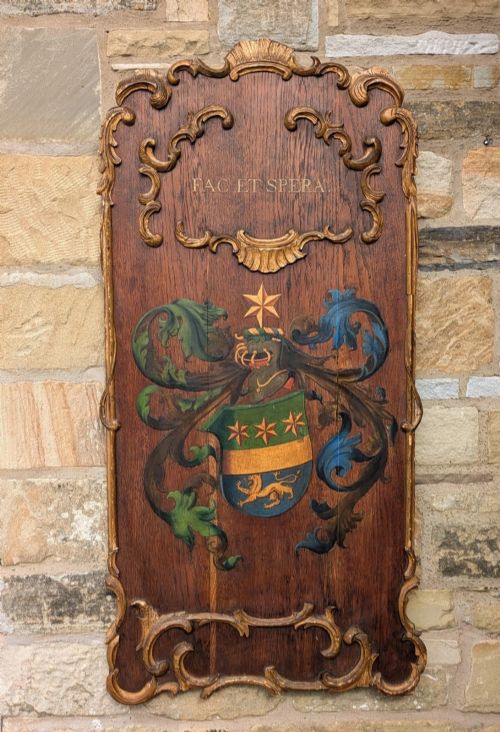
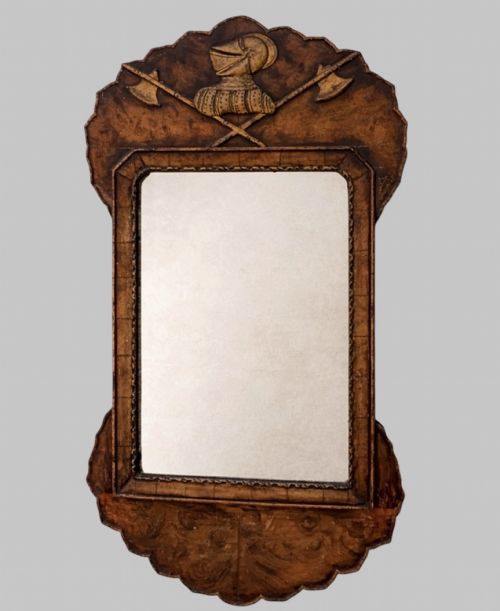
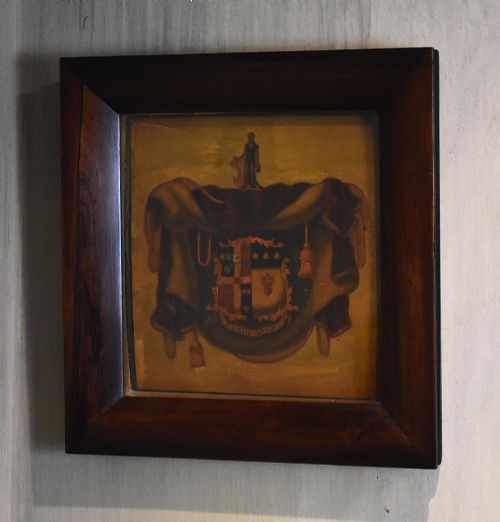
Dark wood armorial items span seating, wall panels, mirrors and console tables adorned with familial crests and heraldic symbols. These pieces integrate rich woods with historic coats of arms, originating from workshops across the seventeenth, eighteenth and nineteenth centuries.
Buyers encountering this selection most frequently meet hall chairs and carved panels rendered in mahogany, walnut and oak. These items incorporate various historical revivals including Gothic, Renaissance and Baroque styles.
Materials and construction
Makers utilised dense timbers such as mahogany, walnut and oak as the foundational base for heavy carving and structural support. These dark woods were selected for their durability and capacity to hold deep, crisp relief work.
Surface decoration combined hand carving in solid timber with oil paint on panels and coach elements. Artisans applied these techniques to highlight heraldic details and family crests with precision.
Dark Wood Armorial Retail Price Guide 2026
Typical asking prices for dark wood armorial among the pieces listed under this phrase on Sellingantiques today, from the lower quarter to the upper quarter. They describe what is for sale here now, not the wider market.
Seventeenth-century carpenters occasionally carved cherubs alongside family crests, giving stern heraldry an unexpected angelic audience.
Factors determining quality
The sophistication of the heraldic carving dictates the standing of each piece, distinguishing simple silhouette work from deeply undercut relief. Superior examples exhibit anatomical clarity in heraldic beasts and precise linework in painted coats of arms.
The integration of the armorial motif into the host object influences overall merit. Finer items demonstrate harmonious proportion between the crest and the structural frame, whether on a hall chair back or a console table apron.
Edward Pearce
The Dark Wood Armorial Glossary
- Armorial
- Relating to heraldry or bearing a coat of arms. These motifs identify specific families and lineages.
- Coach panel
- A flat wooden section removed from a horse-drawn carriage. They frequently display painted heraldry.
- Hippocampus
- A mythological creature with the upper body of a horse and the lower tail of a fish. It appears frequently in marine heraldry.
- Console table
- A table fixed to a wall with supporting legs at the front. Large scale examples often feature prominent family crests.
- Carved relief
- Sculpture where figures project from a background plane. This technique brings depth to wooden crests and panels.
Dark Wood Armorial: Frequently Asked Questions
What is a dark wood armorial?
Dark wood armorial items are historic furnishings and architectural elements featuring carved or painted family coats of arms. They combine dense timbers like mahogany, oak and walnut with heraldic symbolism.
These pieces range from hall chairs and console tables to wall panels and mirrors. Each item incorporates lineage markers connected to specific historic families and estates.
How were armorial chairs used?
Armorial hall chairs served primarily as imposing seating in grand entrance halls and reception rooms of country houses. Their heraldic carvings signaled family status and lineage to arriving guests.
While functional as seating, their rigid wooden construction and high carved backs meant they were designed more for display and architectural presence than everyday lounging.
How do I date a carved panel?
Dating a carved panel requires examining the timber species, tool marks left by the maker and the stylistic revival period. Oak and walnut predominate in earlier centuries, while mahogany gains prominence later.
Comparing the specific style of the carving and the heraldic helmet or mantling to known historical periods helps narrow down the origin timeframe.
Where should I place a console table?
A large scale console table with a coat of arms suits a spacious hallway, dining room or gallery space. Its substantial presence anchors the room and provides a surface for decorative objects.
Ensure the wall behind the table accommodates the scale of the piece and any associated mirror or wall art without crowding the space.