





Heraldic Wall Art
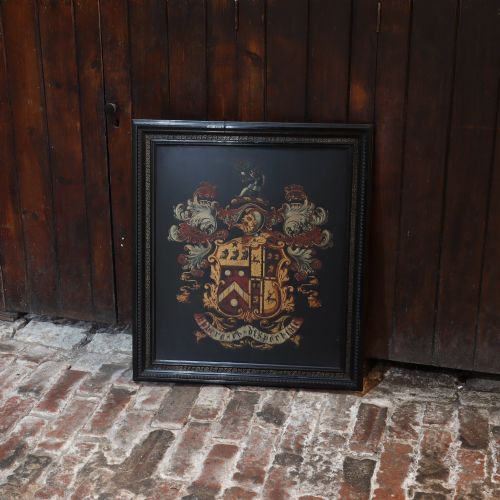
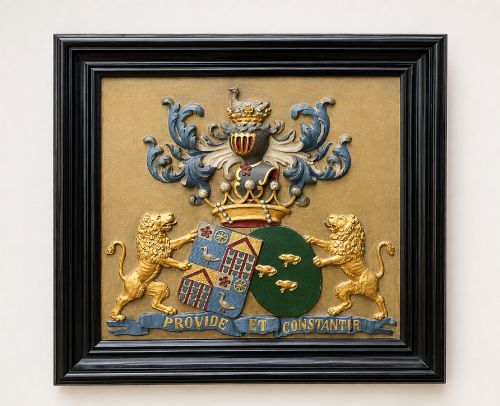
These heraldic wall art pieces display coats of arms, crests, and armorial bearings, bringing historic lineage and heraldic symbolism directly into a room.
Heraldic Wall Art
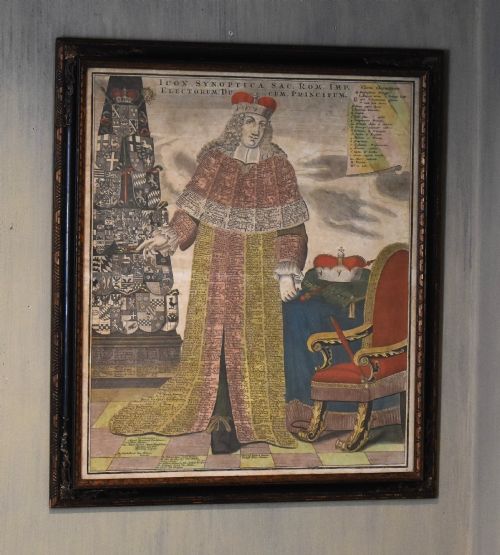
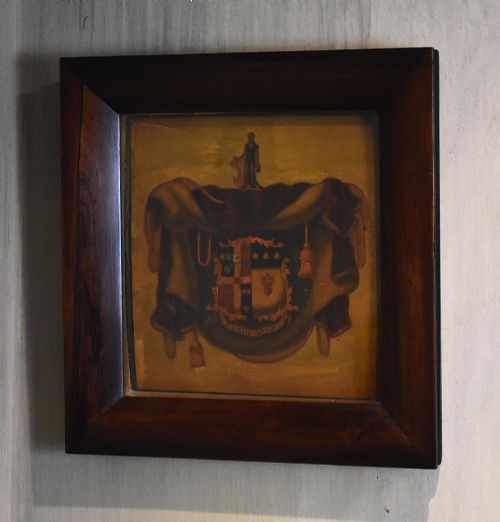
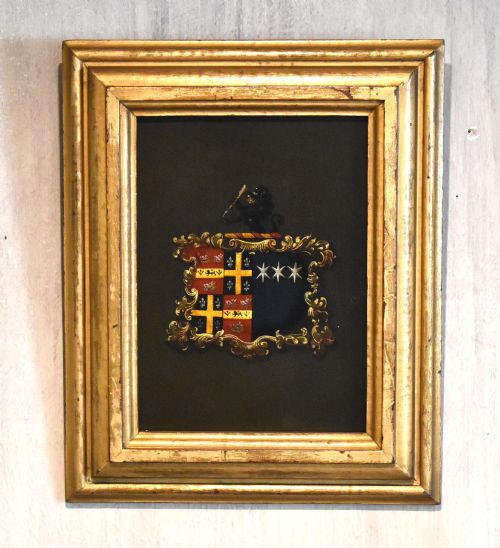
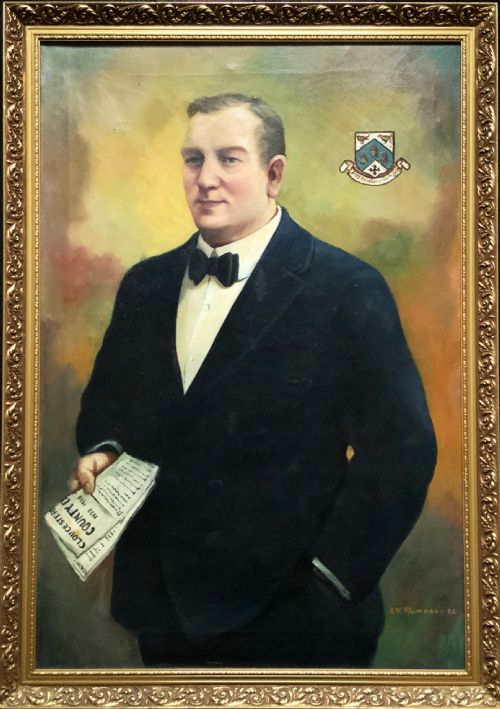
When buyers search for heraldic wall art, they encounter a diverse selection of wall plaques, framed prints, decorative panels, and painted coach panels bearing coats of arms and armorial bearings. The examples appearing on this page span several centuries, featuring pieces from the seventeenth, eighteenth, and nineteenth centuries alongside early twentieth-century works.
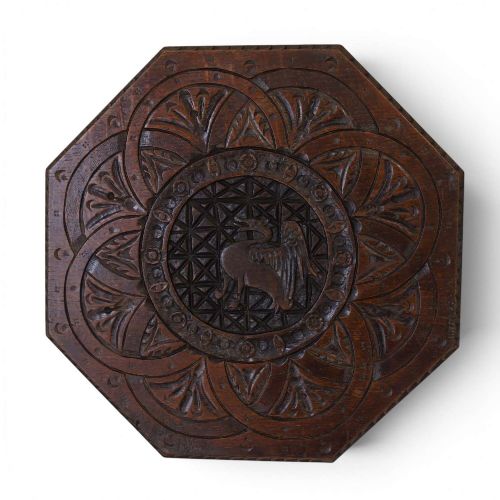
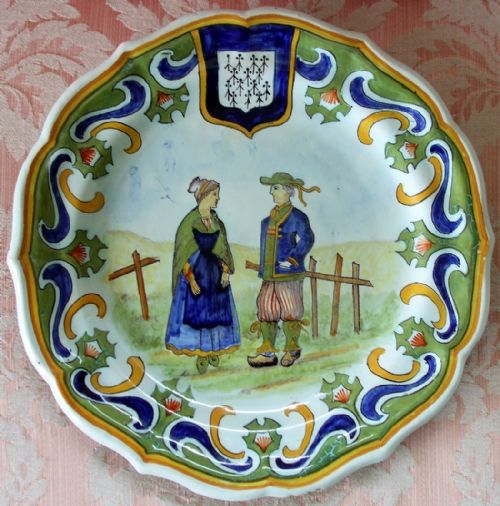
The assortment includes carved wooden panels, framed prints, painted coach panels, cast iron crests, and ceramic dishes carrying armorial designs. These objects originate from various European traditions, including British, Dutch, French, and Italian workshops, reflecting distinct regional styles from Gothic Revival to Renaissance Revival.
Buyers are most likely to meet nineteenth-century wooden wall plaques and carved panels inset with heraldic coats of arms, alongside framed prints and decorative plates. These items function primarily as interior decoration that introduces a sense of historic identity and lineage to a domestic space.
Materials and Techniques
Makers utilised traditional materials such as oak, gilded wood, giltwood, bronze, cast iron, and paper to construct these armorial pieces. Wood carving and casting formed the structural basis for heavy plaques and crests, while paper served as the medium for framed prints and maps.
Surface decoration involved paint, ink, and hand colouring applied to wood, paper, and ceramic surfaces. Giltwood and gilded wood finishes provided metallic embellishment to frames and panels, highlighting the armorial details.
Object types span decorative plates, wall plaques, cartography, and embroidered commemorative pieces from various European regions.
Assessing Quality and Execution
The standard of carving and painting distinguishes the finest panels and plaques from simpler decorative items. Crisp detail in wooden heraldic carvings and precision in hand-painted armorial coach panels demonstrate superior workshop execution.
The integrity of the framing and the preservation of original surfaces, such as early paint or gilding, influence the overall character of the piece. Integrated brass frames and original mountings add structural and aesthetic depth to the underlying wood or paper artefacts.
Icilio Federico Joni·Janssonius
The Heraldic Wall Art Glossary
- Coat of arms
- A distinct heraldic design on a shield, often displayed on wall plaques and coach panels. It represents a specific family, lineage, or institution.
- Coach panel
- A painted wooden panel originally mounted on the side of a horse-drawn carriage to display family armorial bearings. These panels were frequently repurposed as wall art.
- Faience
- Tin-glazed earthenware produced in European potteries, represented here by decorative dishes bearing armorial motifs. The technique yields a smooth, opaque white glaze suitable for painted decoration.
- Crest
- The component of a heraldic display positioned on top of the helmet or shield. In these listings, crests appear carved in oak or cast in iron.
- Armorial
- Relating to heraldic arms and coats of arms. This term describes items decorated with formal family symbols and lineage markers.
Heraldic Wall Art: Frequently Asked Questions
What is heraldic wall art?
Heraldic wall art comprises historical objects displaying coats of arms, crests, and armorial bearings designed to be hung on a wall. The category includes carved wooden panels, painted coach panels, cast iron crests, and framed prints.
These pieces originate from various European traditions and reflect centuries of decorative and heraldic practice.
How were coach panels used?
Coach panels were originally painted with family coats of arms and mounted on the exterior doors of private horse-drawn carriages. They served to display the social standing and lineage of the carriage owner while travelling.
Later, these wooden panels were often removed from vehicles and framed to hang as interior wall decorations.
How do I hang a heavy wooden plaque?
Heavy wooden plaques and cast iron crests require secure wall fixings anchored directly into wall studs or masonry. Using appropriate weight-rated brackets or picture wire attached to reinforced anchor points ensures stability.
Consulting a professional installer is advisable for particularly heavy bronze, iron, or solid oak pieces.
How can I tell the age of a panel?
Dating a heraldic panel involves examining the type of wood, the style of the carving, and the composition of the paint or gilding. Eighteenth and nineteenth-century pieces often display tool marks and material ageing characteristic of their period of manufacture.
Comparing the armorial bearings with genealogical records can also help establish the historical context of the piece.