


Antique Painted Shield
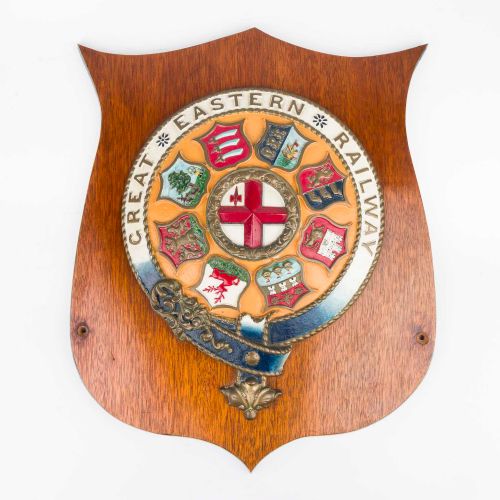
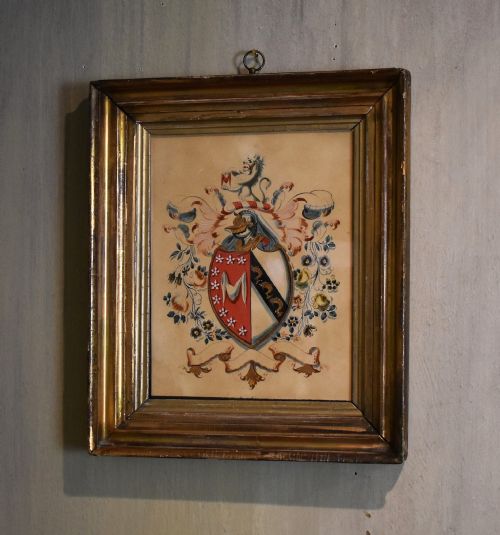
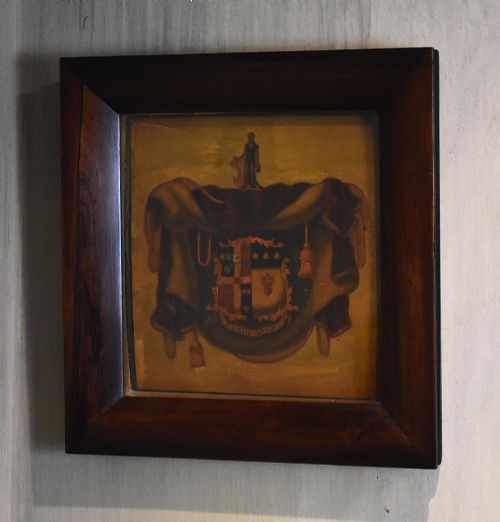
These pieces of antique painted shield and armorial art carry heraldic coats of arms, family crests and painted wooden forms.
Antique Painted Shield
An antique painted shield brings together carved wooden heraldry, painted coats of arms and armorial wall plaques from the eighteenth and nineteenth centuries. Buyers searching for this phrase seek decorative heraldic panels, carved wooden shields displaying royal standards and painted armorial crests.
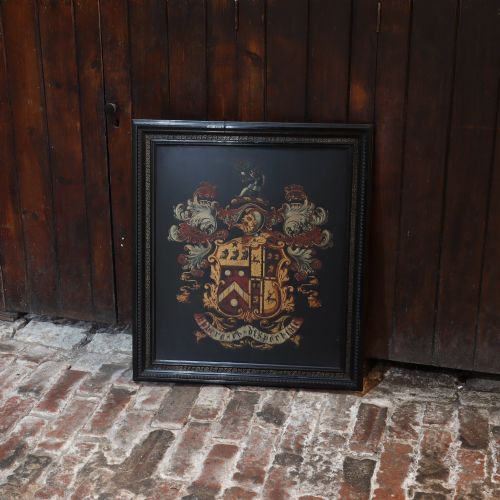
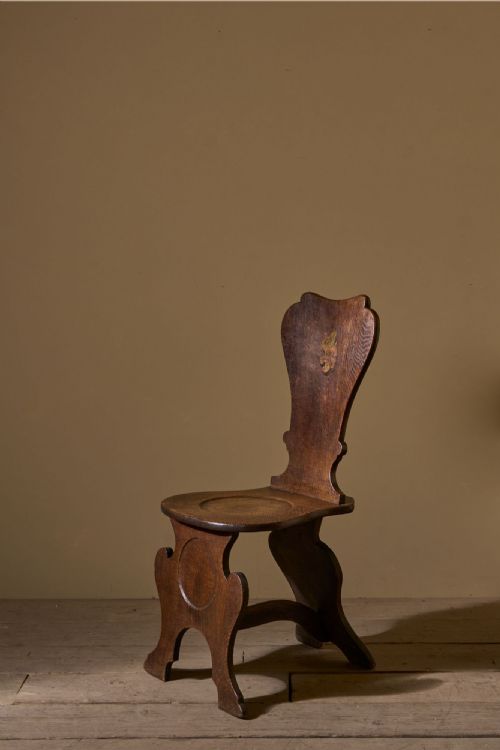
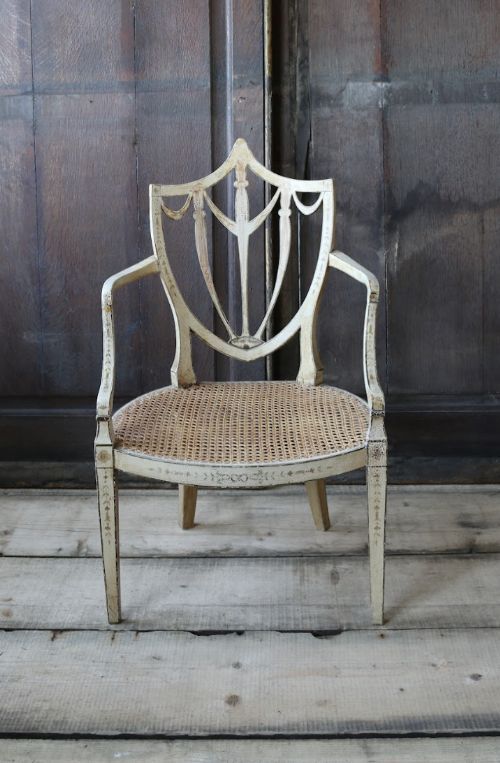
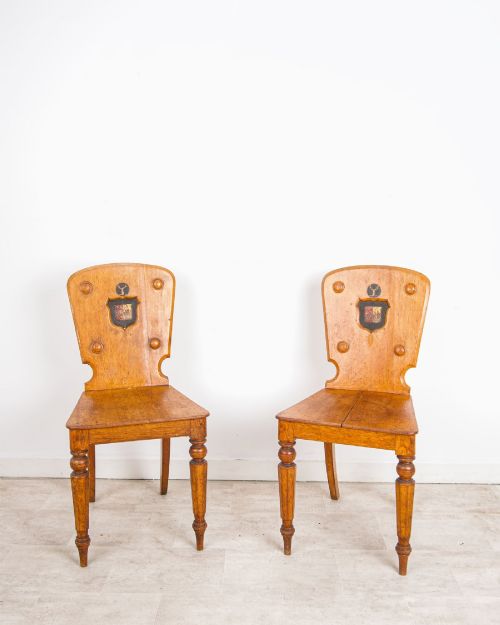
The most common forms on this page include eighteenth-century oak and mahogany shield-back armchairs alongside nineteenth-century heraldic wall panels, coach panels and painted wooden shield plaques. These pieces often feature polychrome painted surfaces depicting lions, royal crowns and family lineages.
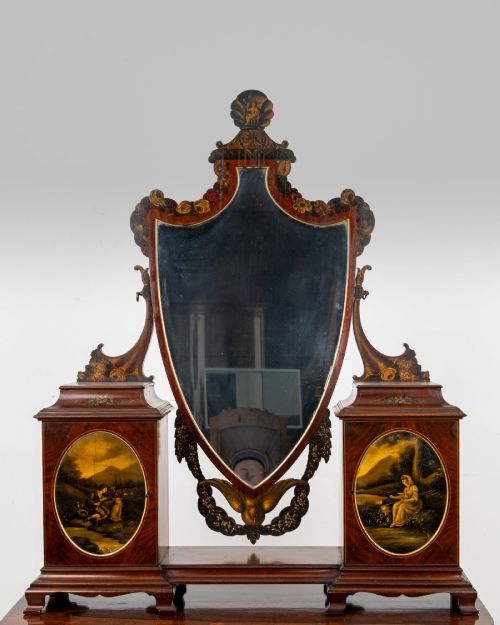
Origins span Georgian England, Regency Scotland and nineteenth-century Wales, alongside Scandinavian decorative items and Edwardian painted dressing mirrors shaped like shields. Each piece reflects traditional craftsmanship linked to military, civic or aristocratic heritage.
Materials and construction
Makers shaped these pieces from solid timbers such as oak, mahogany and ebonised wood, forming the structural backing for carved wooden shields and chair frames. Carpenters joined structural elements using traditional joinery methods suited to domestic seating and wall-hung plaques.
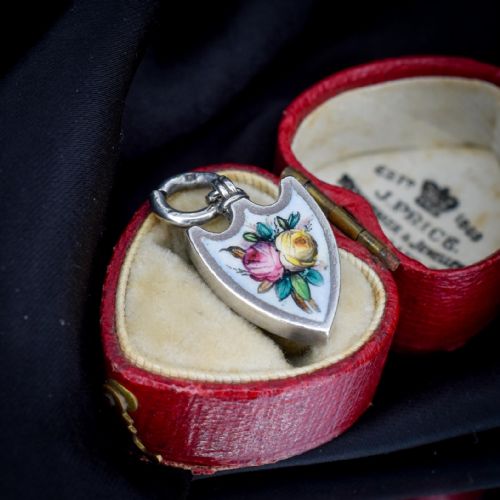
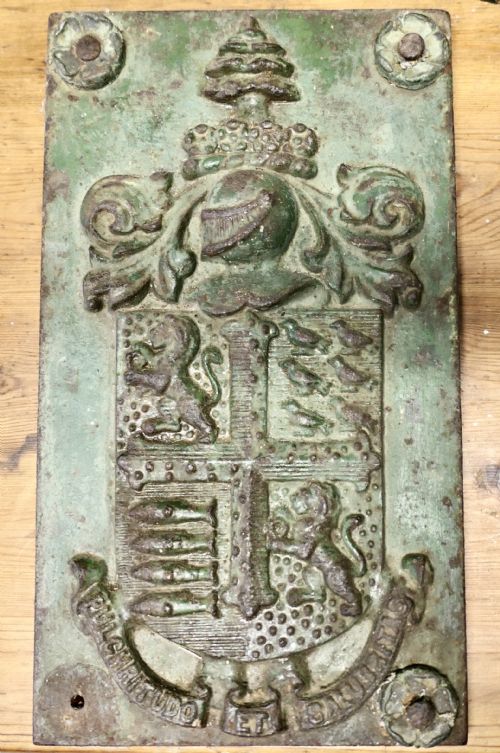
Surfaces received layers of hand-mixed paint, polychrome decoration, gilt accents and enamel to render heraldic coats of arms and crests with precision. Iron, brass, cast metal and glass also appear in plaques, mirrors and pendants associated with armorial designs.
Judging quality in armorial pieces
Quality rests in the crispness of the hand-carved wooden relief work and the preservation of the original polychrome paint layers. Superior examples display finely detailed heraldic brushwork and crisp carving on the shield edges rather than flat or heavily restored surfaces.
The integration of the shield shape into functional items, such as the carved splats of eighteenth-century chairs or the proportions of armorial panels, demonstrates the maker's skill. Stronger pieces retain their structural timber integrity and authentic historical pigments without excessive modern overpainting.
The Antique Painted Shield Glossary
- Shield-back
- A chair design where the wooden back splat takes the silhouette of a heraldic shield, popular in late eighteenth-century seating. This form appeared in both open-arm chairs and hall chairs.
- Armorial
- Relating to heraldic arms or a coat of arms displayed on panels, plaques, or painted surfaces. These items often record family lineage or civic identity.
- Polychrome
- Decorated in multiple colours, frequently seen on carved wooden coats of arms and crests from the eighteenth and nineteenth centuries. This technique brought heraldic designs to life with vibrant pigments.
- Coach panel
- A wooden panel painted with a family crest or coat of arms, originally mounted upon a horse-drawn carriage. These survive as flat decorative paintings or wall pieces.
Antique Painted Shield: Frequently Asked Questions
What is an antique painted shield?
An antique painted shield is a decorative wooden carving, wall plaque or chair back featuring a heraldic coat of arms, royal crest or family lineage. These pieces date primarily from the eighteenth and nineteenth centuries.
They were created to display allegiance, lineage or civic pride using hand-painted pigments and carved timber.
How were shield-back chairs used?
Shield-back chairs served as seating in grand hallways, dining rooms and reception spaces during the Georgian and Regency periods. Their distinctive carved backs displayed family coats of arms or elegant openwork designs.
Today, they function as occasional chairs or decorative focal points in traditional and contemporary interiors.
How do I identify the period of a painted shield?
Dating relies on examining the timber species, such as eighteenth-century oak or mahogany, alongside the style of the painted heraldry. Construction methods, tool marks and the composition of the paint layers provide further clues.
Eighteenth-century examples often feature deep hand-carving, while nineteenth-century pieces may incorporate cast iron or ebonised finishes.
Where should I hang a heraldic wall plaque?
Heraldic wall plaques and painted panels suit study rooms, libraries or entrance halls where their historical narrative stands out. Solid iron, bronze and wooden plaques require secure wall fixings suited to their weight.
Keeping them away from direct sunlight protects the original painted pigments and gilt details.