



Antique Family Crest
An antique family crest carries the distinct heraldic identity of past lineages rendered across silver, porcelain, wood, and oil.
Antique Family Crest
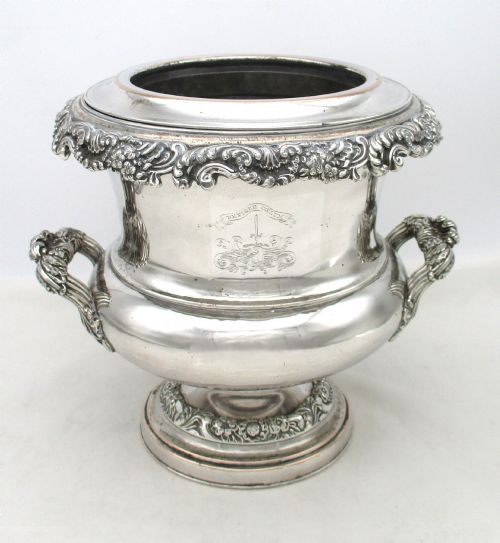
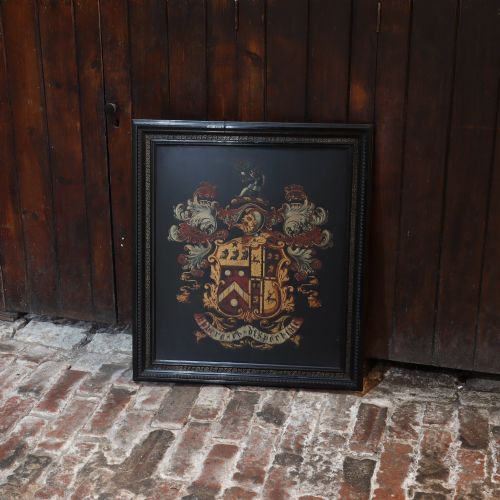
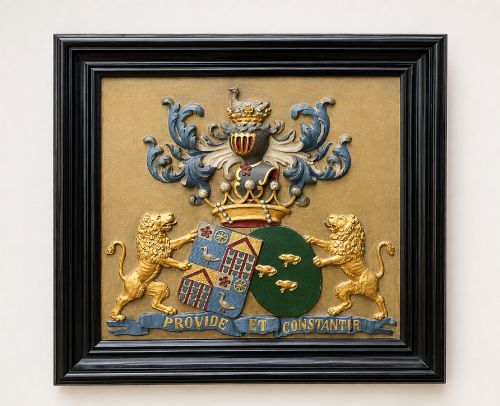
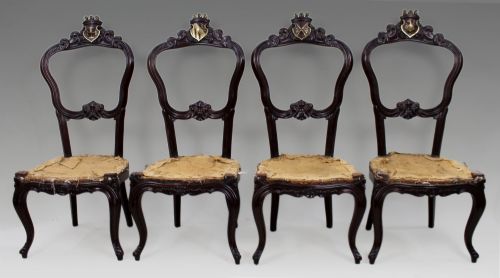
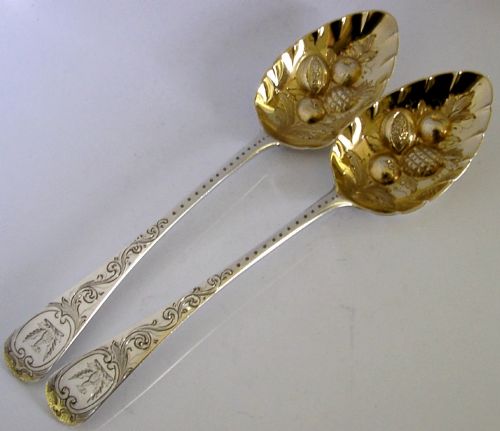
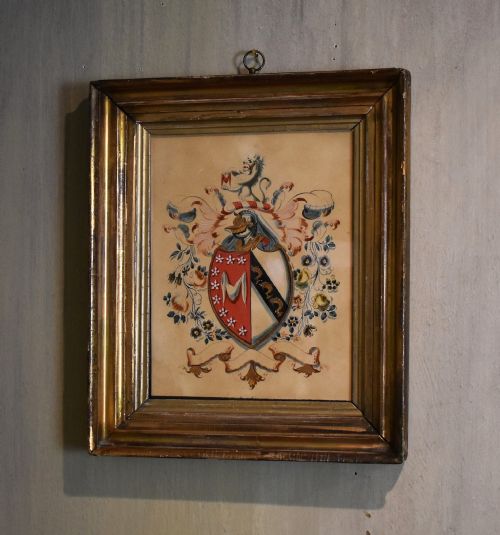
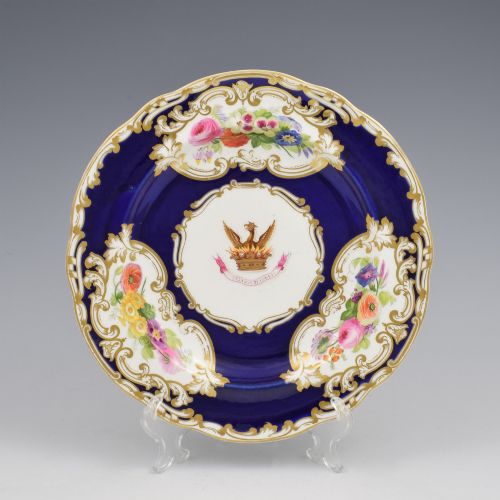
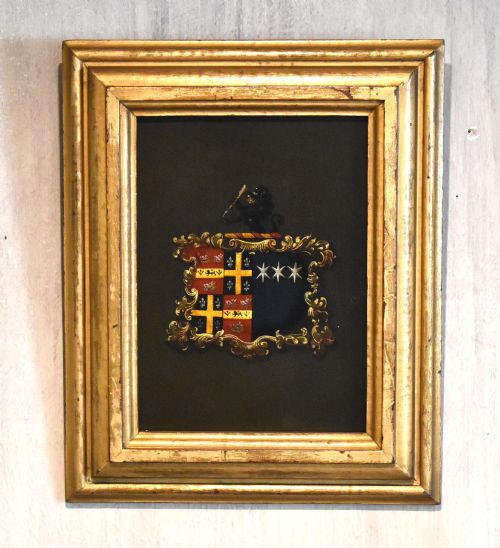
Items bearing an antique family crest include domestic silver flatware, holloware, porcelain plates, wooden panels, and painted wall art marked with specific heraldic devices. These objects record the lineage and alliances of notable households across the Georgian, Victorian, and Edwardian eras.
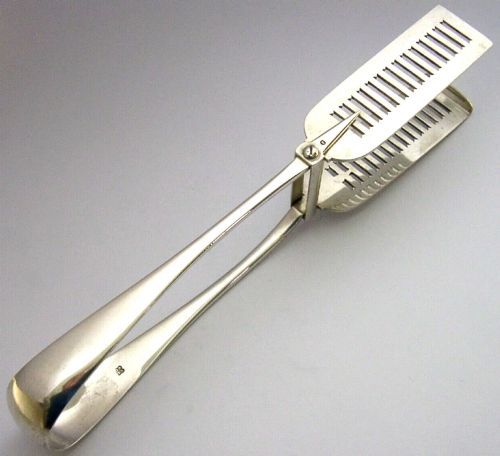
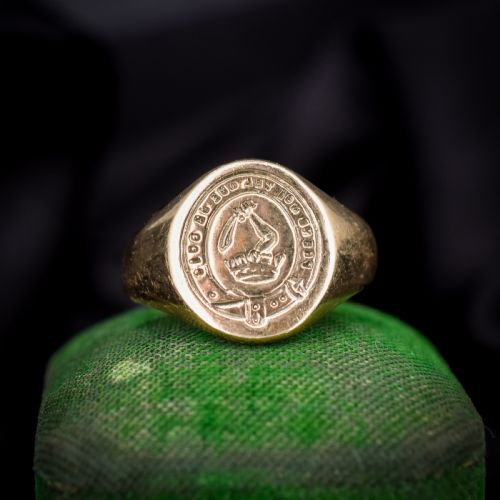
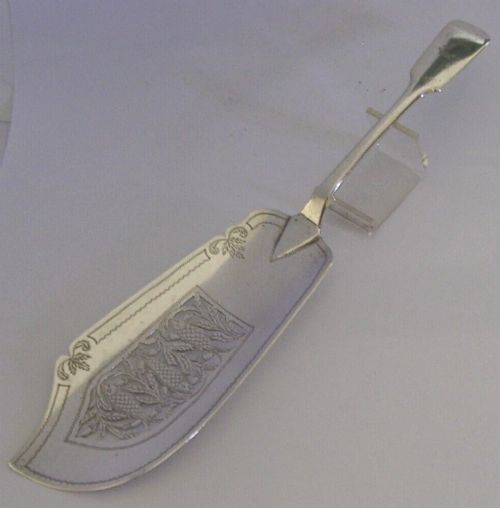
The selection ranges from functional table silver like serving spoons, tongs, and marrow scoops to decorative armorial plaques, marriage plates, and signet rings. Each piece displays engraved, embossed, painted, or carved heraldry intended to signify a specific family name.
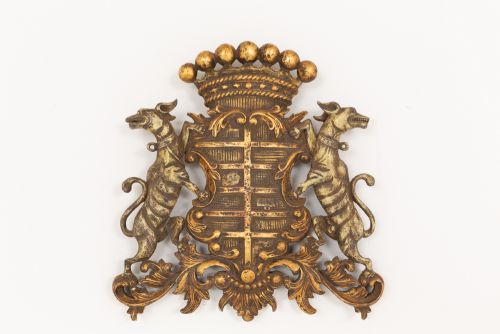
Domestic silver flatware and holloware dominate the available selection, frequently engraved with crests belonging to British and international families. Alongside these, buyers encounter ceramics from factories like Copeland and Worcester, as well as carved wooden shields and bronze panels.
Materials and construction methods
Sterling silver items were cast, hammered, or shaped into forms like salvers, spoons, and inkwells before hand-engraving the heraldic device onto the metal surface. Porcelain pieces combined traditional ceramic throwing with transfer printing or hand-painted enamel colours to render complex armorial details.
Wood items utilise carved oak or hardwood for armorial shields and panels, sometimes combining brass or oil paint on glass and canvas. Makers also employed gilding, gold leaf, and embossing on brass fire screens to highlight the relief of the family crest.
Some households even placed their family crest upon nutcrackers and cheese scoops, ensuring heraldry attended every single course.
Assessing quality in armorial pieces
The clarity and depth of the heraldic engraving or carving determine the visual strength of the object, separating sharp, detailed work from worn or shallow execution. High quality silver items maintain crisp armorial lines alongside clear hallmarks denoting the maker and year of production.
The prestige of the commissioning ceramic factory or silversmith workshop influences the standing of the piece, alongside the preservation of original polychrome enamels and gilding. Items retaining documented lineage to specific historical families offer greater documentary value.
Barr Flight and Barr·Lawrence Dyer·Nathanial Mills·Copeland
The Antique Family Crest Glossary
- Armorial
- Relating to heraldry or bearing a coat of arms. These designs were officially granted to distinguish noble and landed families.
- Crest
- The specific component of a coat of arms traditionally worn on top of a knight's helmet. It forms the primary motif engraved on much of the silver and plate seen here.
- Holloware
- Table vessels such as bowls, mugs, inkwells, and wine coolers. These larger silver and metal objects provide generous space for detailed armorial engraving.
- Intaglio
- A design carved into the recessed surface of a gemstone or metal ring. This technique allowed signet rings to press a raised crest into sealing wax.
- Salver
- A flat metal tray used for serving food or drinks. Examples often feature prominent family crests engraved directly into the centre of the silver surface.
Antique Family Crest: Frequently Asked Questions
What is a family crest on antiques?
A family crest is a hereditary heraldic symbol that was engraved, painted, or cast onto personal possessions to denote lineage and identity. Families placed these devices on silver tableware, porcelain, and wall art to signal their social standing.
These symbols often record specific historical marriages, achievements, or family branches. Surviving pieces provide a direct link to the households that originally commissioned them.
How can I identify the family?
Identification relies on researching the specific heraldic motifs, mottoes, and surnames recorded in the item's title or description. Many listings note the exact family name associated with the crest, such as the Walker or Seymour lineages.
Matching the engraved animals, crowns, or shields to historical armorial records helps pinpoint the original owner. Expert heraldic reference books can further clarify the exact regional branch connected to the piece.
Were crests added later to silver?
Silver pieces sometimes received secondary armorial engraving decades after their initial manufacture when new owners acquired them. Examining the metal around the crest helps determine whether the engraving is contemporary to the piece's hallmarks.
Original period engraving appears integrated into the manufacture and wear patterns of the object. Silversmiths often positioned these devices to complement the form of spoons, trays, and holloware.
How do I care for armorial silver?
Silver pieces require gentle cleaning with appropriate non-abrasive polishes to preserve the fine details of the engraved crest. Avoiding harsh scrubbing protects the sharp edges of the heraldic lines from wearing down over time.
Wooden panels and porcelain plates need stable indoor humidity and dusting with soft cloths. Proper placement away from direct heat sources ensures painted surfaces and gilt details remain intact.