
Painted Wood Chest
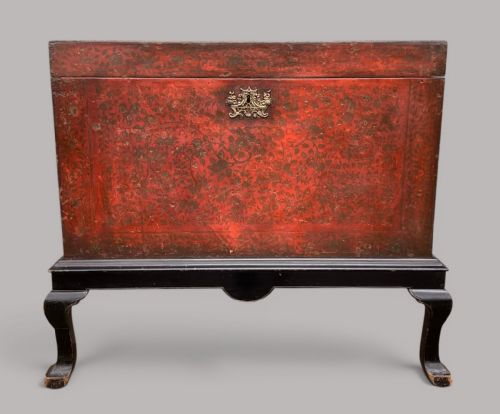
A painted wood chest brings distinct regional character to a room, spanning rustic European country pieces to ornate oriental lacquer work.
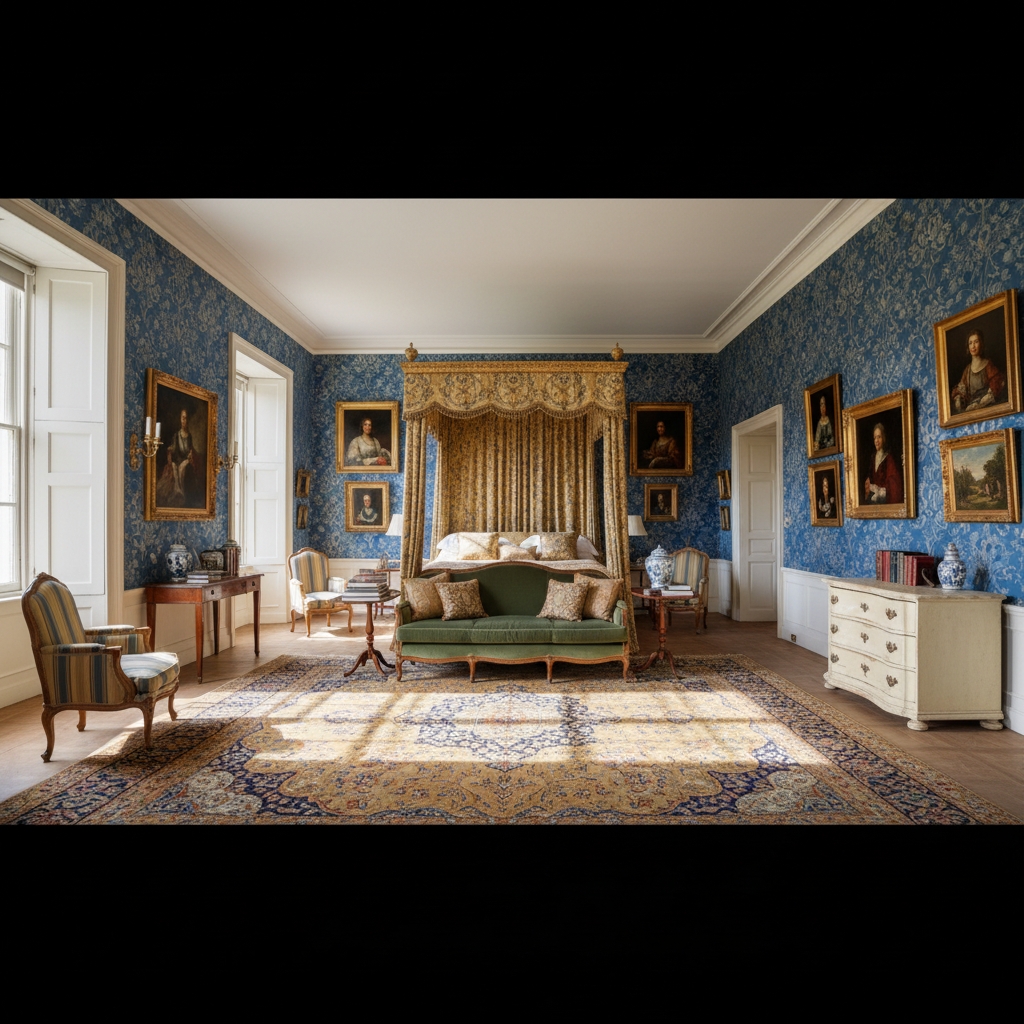
Painted Wood Chest
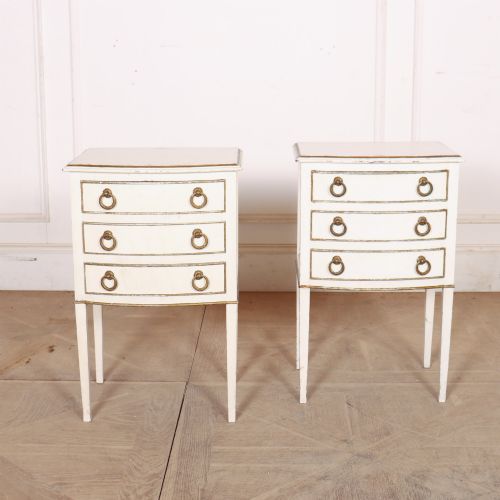
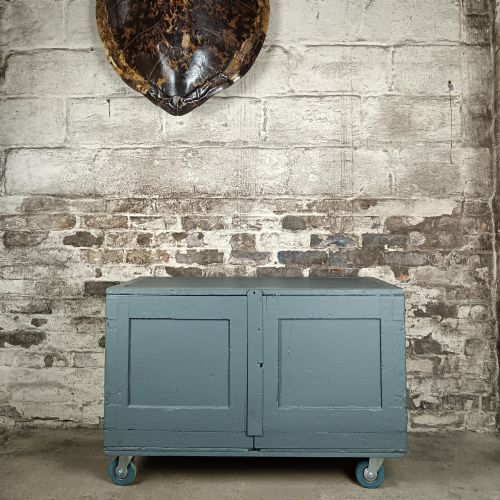
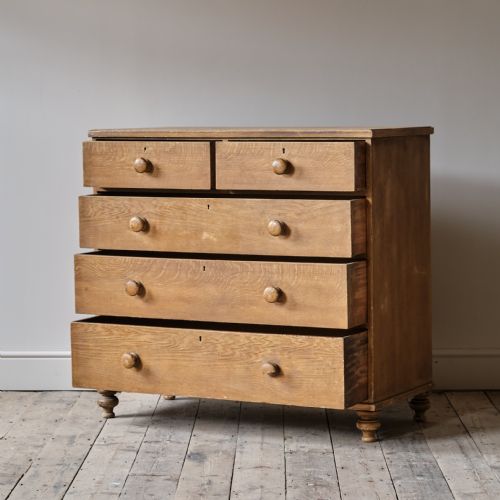
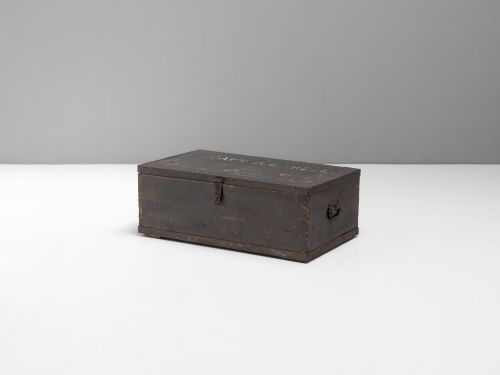
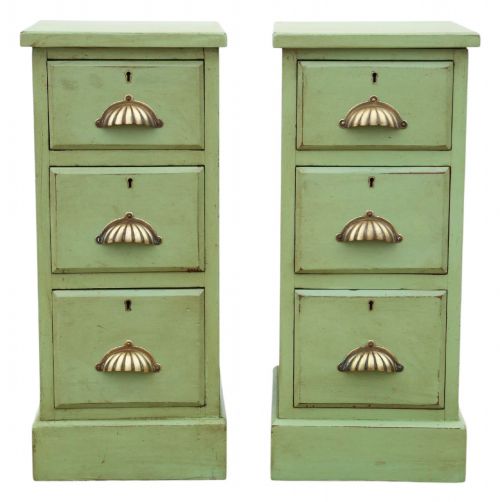
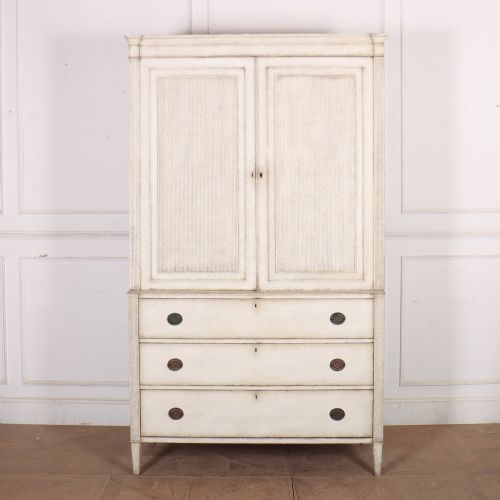
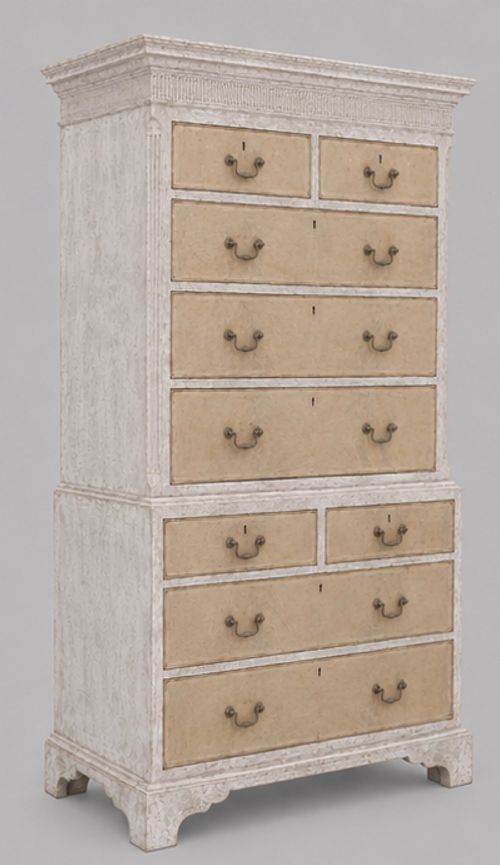
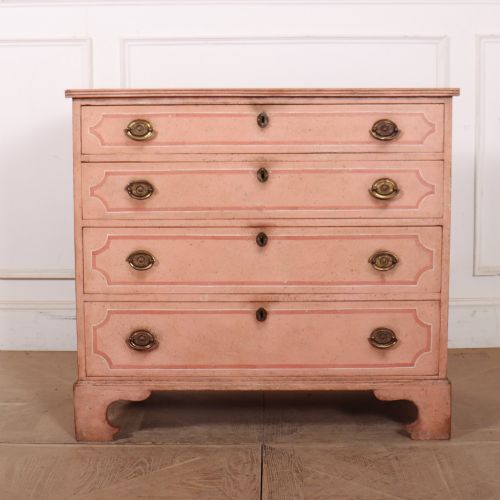
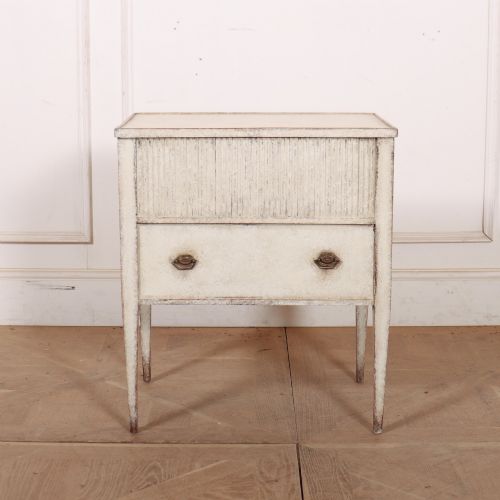
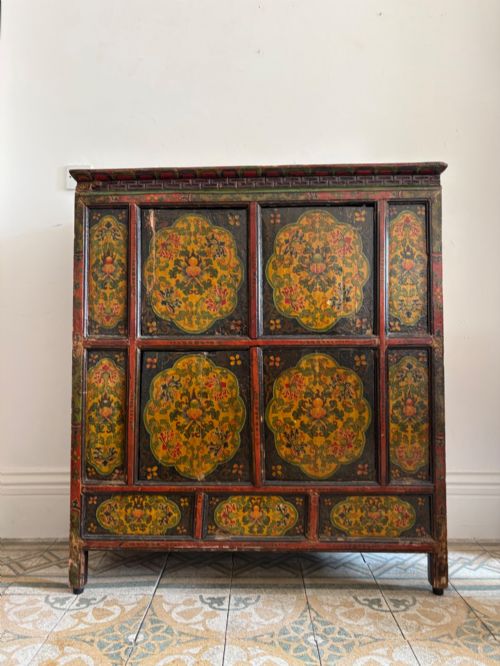
A painted wood chest encompasses various forms such as chests of drawers, blanket boxes, commodes, and linen presses originating from different countries and stylistic traditions.
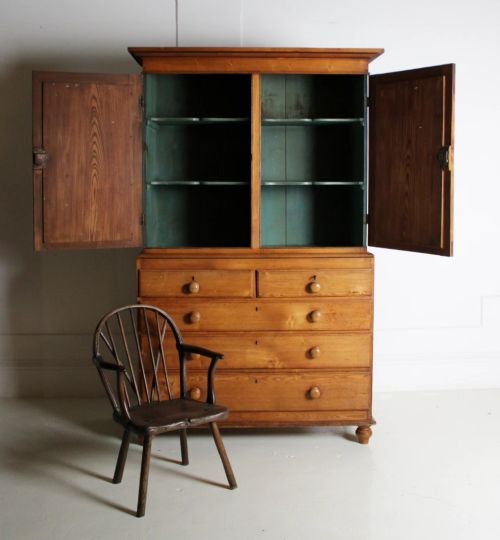
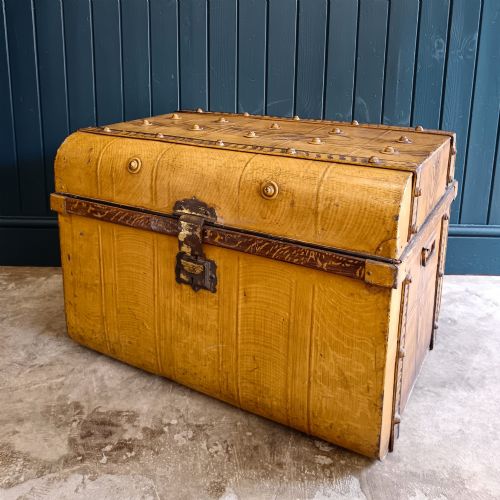
Buyers most frequently encounter nineteenth century pine, oak, or softwood items finished in original surface paint, alongside continental commodes and campaign trunks.
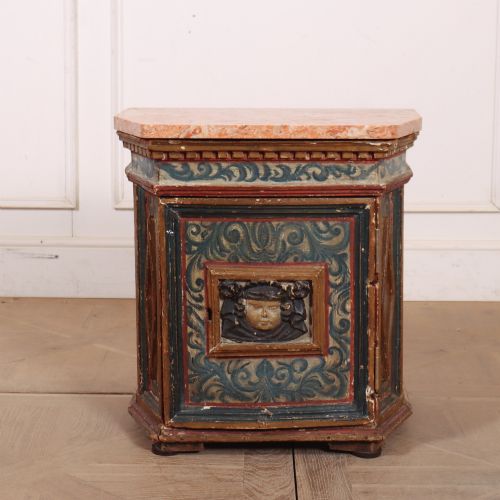
Examples range from provincial English and French furniture to Scandinavian country pieces and Chinese export lacquer cabinets.
Materials and construction methods
Construction relies primarily on sturdy timbers like pine, ash, and mahogany, often enhanced with iron, brass, or leather hardware for functional transport and daily use.
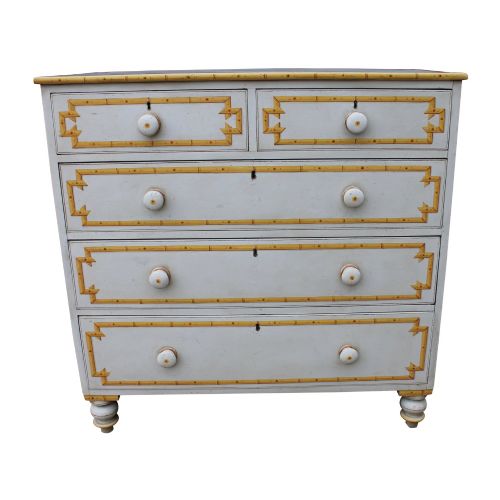
Decoration involves applied paint, gold leaf, and lacquer finishes, sometimes utilising faux bamboo effects or simulated grain to mimic costlier hardwoods.
The listings feature pieces from the eighteenth, nineteenth, and early twentieth centuries, utilising pine, brass, iron, and gold leaf.
Assessing build and surface integrity
Superior examples retain their original decorative scheme and authentic surface patination without later repainting masking the underlying timber structure.
Joinery execution and hardware preservation, such as original brass handles and iron hinges, distinguish finer cabinetwork from utilitarian storage boxes.
The Painted Wood Chest Glossary
- Commode
- A low chest of drawers or cabinet, typically French or continental in origin, standing on legs or a plinth base.
- Cassone
- A traditional large Italian chest, often hand-painted and historically used for marriage ceremonies to hold dowry items.
- Bommbe
- A descriptor for furniture featuring a convex, bulging front and sides, frequently seen on eighteenth and nineteenth century Dutch commodes.
- Linen Press
- A tall storage cupboard designed with internal sliding trays or shelves specifically for storing household textiles.
- Lacquer
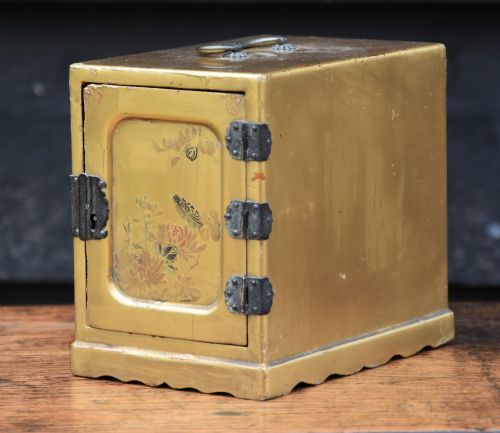
- A durable finish applied in multiple layers to wood surfaces, often associated with Asian export cabinets and decorative chests.
Painted Wood Chest: Frequently Asked Questions
How do I clean a painted chest?
Dust surfaces gently with a dry microfibre cloth to prevent accumulation of grit. Avoid harsh chemical cleaners that can strip fragile historical paint layers.
Test any mild cleaning solution on a hidden underside area first. Preserve the existing patination by applying appropriate wax finishes sparingly.
Are these chests suitable for daily storage?
Sturdy pine and hardwood construction allows these pieces to function effectively as bedroom storage or hallway furniture. Drawers and internal compartments provide practical utility for modern homes.
Ensure items placed inside remain dry to protect historical interiors and lining materials. Proper humidity control prevents the timber substrate from warping over time.
How can I date a painted finish?
Examine the wear patterns around handles and edges where frequent handling occurs. Natural oxidation and craquelure in the paint layer indicate genuine age.
Look beneath drawers and inside back panels for tool marks and construction clues. Pigment testing and wood analysis can further confirm period authenticity.
Where were these painted pieces made?
Production spans across domestic English workshops, French provincial centres, and Scandinavian rural communities. Trade routes also brought Asian lacquer work from China, Japan, and Korea.
Regional preferences dictated the choice of softwood or hardwood bases. Local decorative traditions shaped the distinct floral motifs and colour palettes found on the exterior surfaces.