
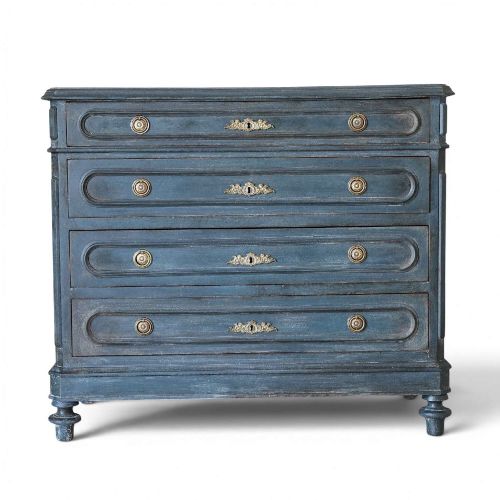
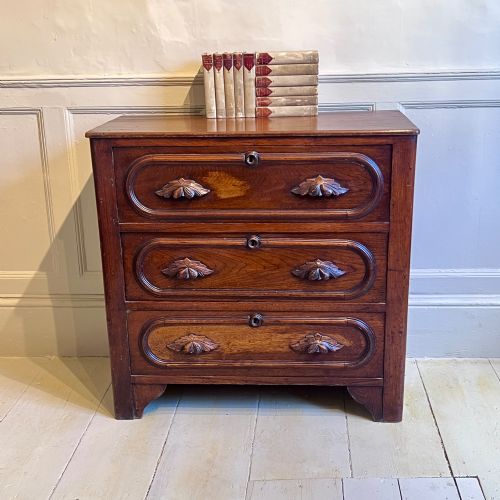
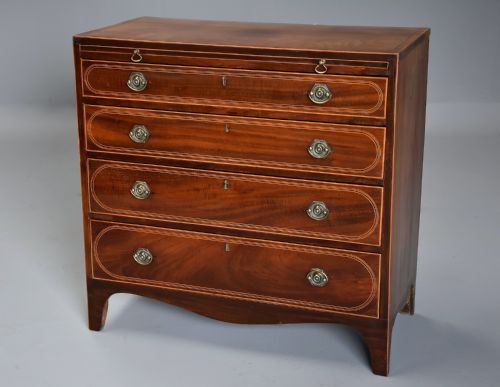
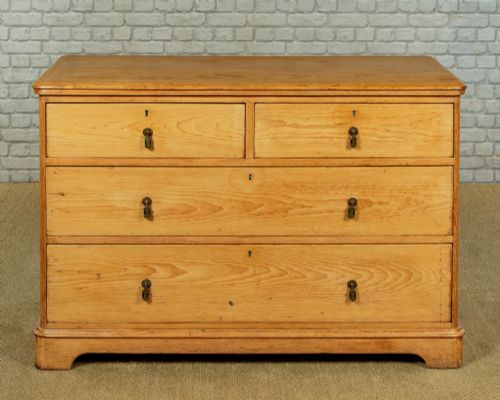
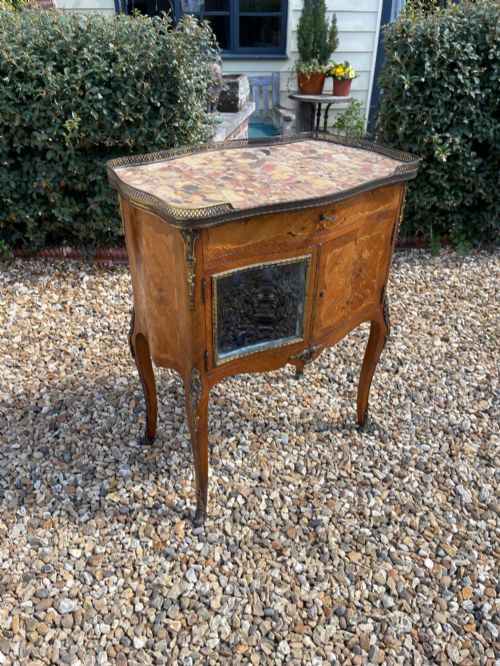

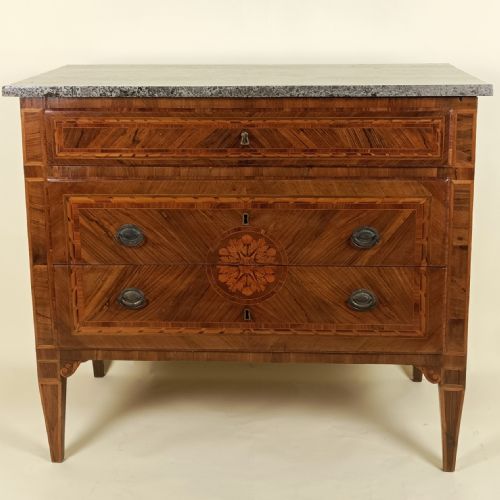


Late 19th Century Commode
A late 19th century commode brings substantial presence and refined storage to a room through dense hardwoods, marble tops and classical revival lines.
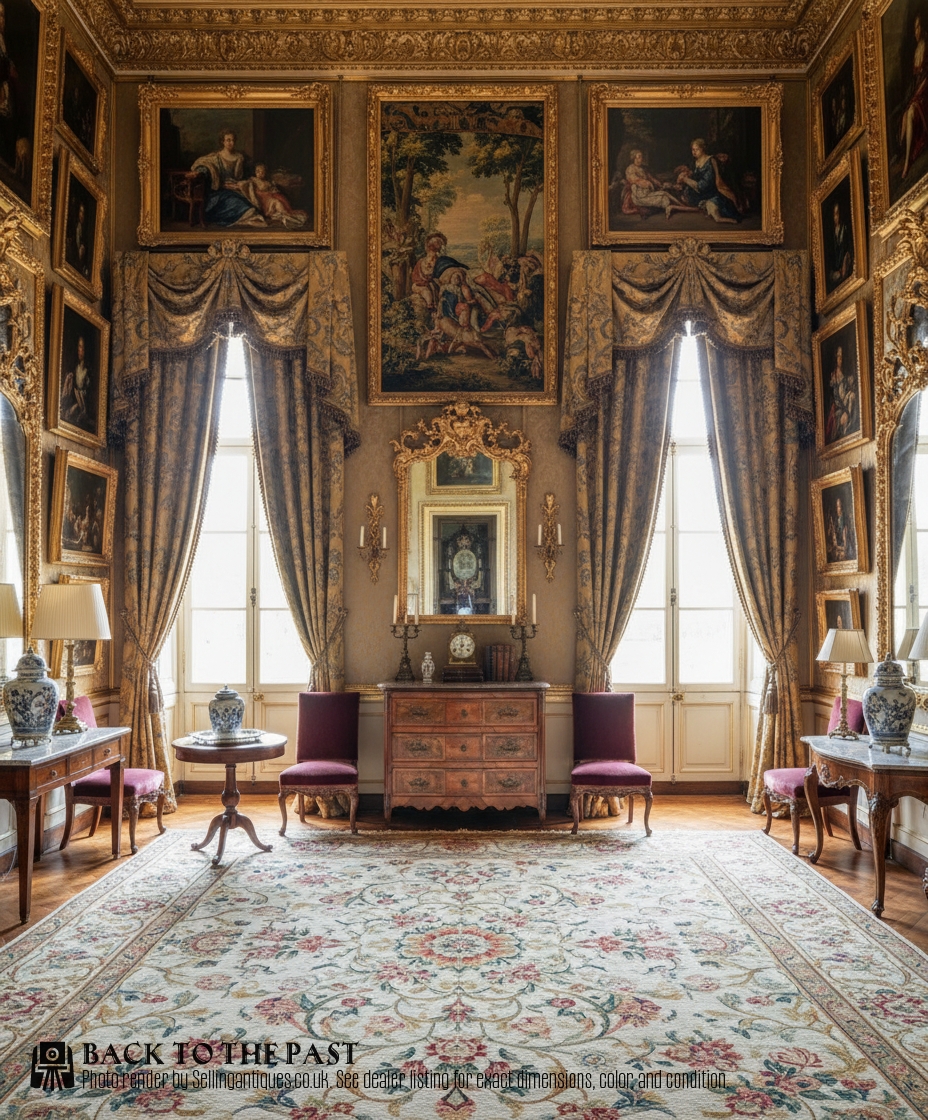
Late 19th Century Commode
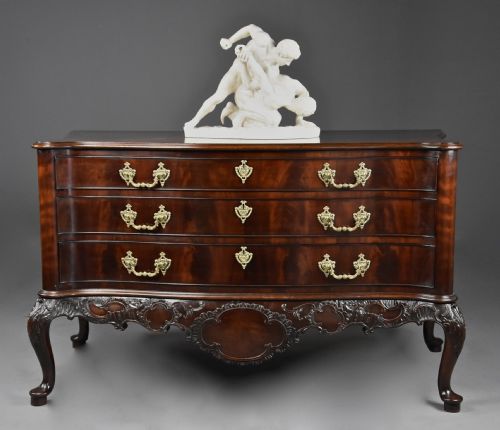
A late 19th century commode encompasses European and British case furniture designed for storage, frequently taking the form of marble-topped chests, serpentine cabinets and revival chests of drawers. The pieces reflect a period of heavy borrowing from earlier French, Italian and British aesthetics.
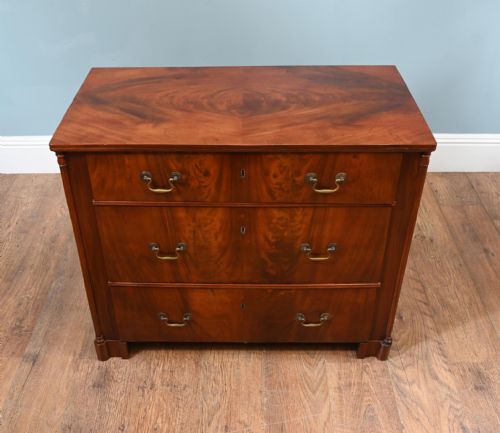
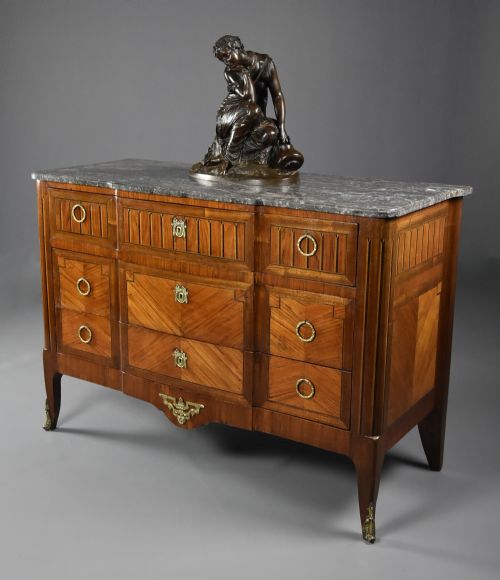
Buyers will most commonly encounter French commodes adhering to Louis XVI and Louis XV revival styles, alongside robust British mahogany and oak chests of drawers from the Victorian era. Continental examples often showcase intricate marquetry, while British pieces favour rich timber grains and bracket feet.
Makers and workshops across Britain, France and Italy produced these items for domestic interiors that demanded both utility and decorative display. The inventory ranges from compact bedside cabinets to large proportions intended for principal reception rooms.
How they were made
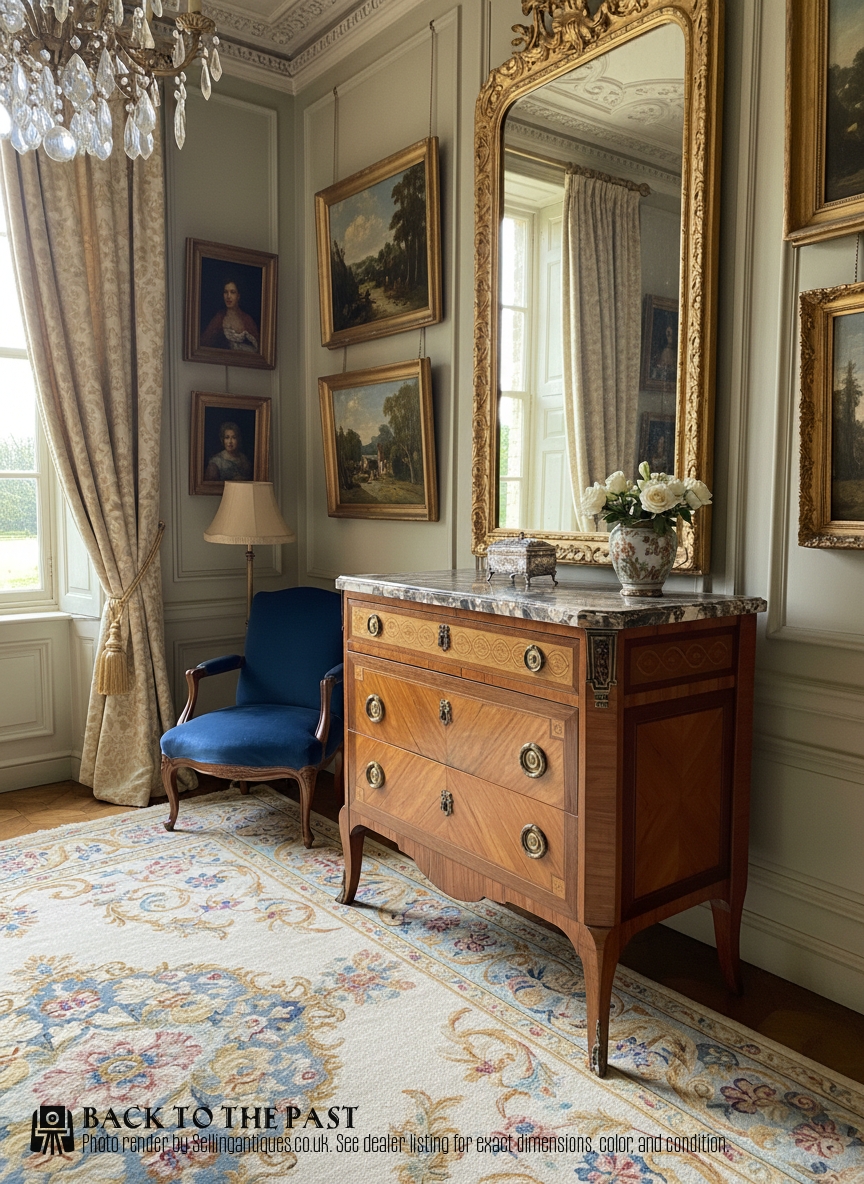
Cabinetmakers constructed these pieces using dense carcases of mahogany, oak, walnut and pine, overlaid with decorative veneers including kingwood, tulipwood, satinwood and rosewood. This layered construction allowed workshops to produce complex curved fronts and bombé profiles.
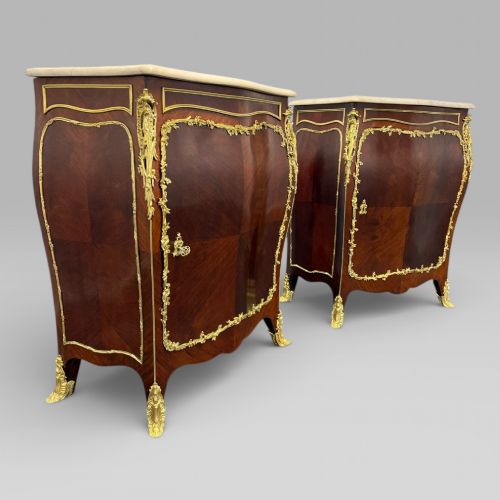
Surface ornamentation relied heavily on hand-cut marquetry, parquetry and painted panels depicting Venetian scenes or classical motifs. Ormolu mounts and cast brass handles were frequently applied to French revival commodes to accent the structural lines.
Many Continental and French examples incorporate fitted marble slabs to their upper surfaces, varying from white to veined coloured stone. Timber surfaces were finished with French polish or traditional oil methods to bring out the depth of the grain.
Late 19th Century Commode Retail Price Guide 2026
Typical asking prices for late 19th century commode among the pieces listed under this phrase on Sellingantiques today, from the lower quarter to the upper quarter. They describe what is for sale here now, not the wider market.
Listings feature mahogany, walnut, kingwood and satinwood alongside marble and ormolu mounts.
What varies in quality
The standard of a late 19th century commode is defined by the precision of its timber selection and the complexity of its veneer work. Superior examples exhibit tightly matched grain patterns and seamless parquetry that follows the contours of serpentine or breakfront forms without lifting.
Hardware and secondary materials also dictate the tier of the piece, distinguishing heavy cast or chased ormolu mounts from simpler stamped brass. The integration of original marble tops, free from fractures or clumsy repairs, elevates the standing of continental cabinets.
Druce & Co·E. Kahn
The Late 19th Century Commode Glossary
- Bombe
- A swollen or bulging convex shape characteristic of continental furniture fronts. This contour requires advanced woodworking skill to veneer accurately.
- Marquetry
- Decorative patterns formed by inserting pieces of contrasting wood, shell or ivory into a veneered surface. It is frequently seen on Louis-style revival cabinets.
- Ormolu
- Gilt bronze mounts applied to furniture for decorative accent. High-grade examples feature crisp chiselling and deep gilding.
- Parquetry
- Geometric wood mosaic work used to create patterned floors and furniture surfaces. It appears widely on French kingwood and tulipwood commodes.
- Serpentine
- A furniture front curving outward at the centre and inward at the sides. This fluid line demands careful hand-shaping of the timber frame.
Late 19th Century Commode: Frequently Asked Questions
Where should I place a commode?
These cabinets suit living rooms, hallways and bedrooms where their decorative surfaces and storage capacity can be fully utilised. Their generous proportions often make them a natural focal point against a plain wall.
Take care to measure the depth of serpentine or bombé profiles before positioning them in narrow corridors. Placing them away from direct heat sources protects the underlying veneers from drying out.
How do I clean marble tops?
Wipe the marble surface with a damp cloth and mild, neutral soap to remove dust and daily grime. Avoid acidic cleaners, vinegar or lemon juice, which can etch the stone.
Dry the surface thoroughly with a soft cloth to maintain the natural sheen of the marble. Stubborn marks require specialist stone care products rather than abrasive scrubbing.
Are these drawers suitable for daily use?
The internal drawers provide sturdy storage for clothing, linens or household items. Well-constructed nineteenth-century runners glide reliably when kept clean and lightly waxed.
Avoid overloading deep drawers to protect the traditional joints and internal framing. Pulling drawers evenly from the centre prevents binding along the wooden tracks.
How do I identify French revival styles?
French revival pieces often display characteristic cabriole legs, exuberant ormolu mounts and symmetrical floral marquetry. The inclusion of shaped marble tops and kingwood or tulipwood veneers further signals continental influence.
Compare these decorative flourishes against plainer British Victorian mahogany chests, which rely on timber grain rather than gilt bronze for visual impact.