
Original Painted Furniture
Original painted furniture carries the undiluted surface history of centuries past, offering living spaces genuine character through worn pigments on pine, oak, and satinwood.
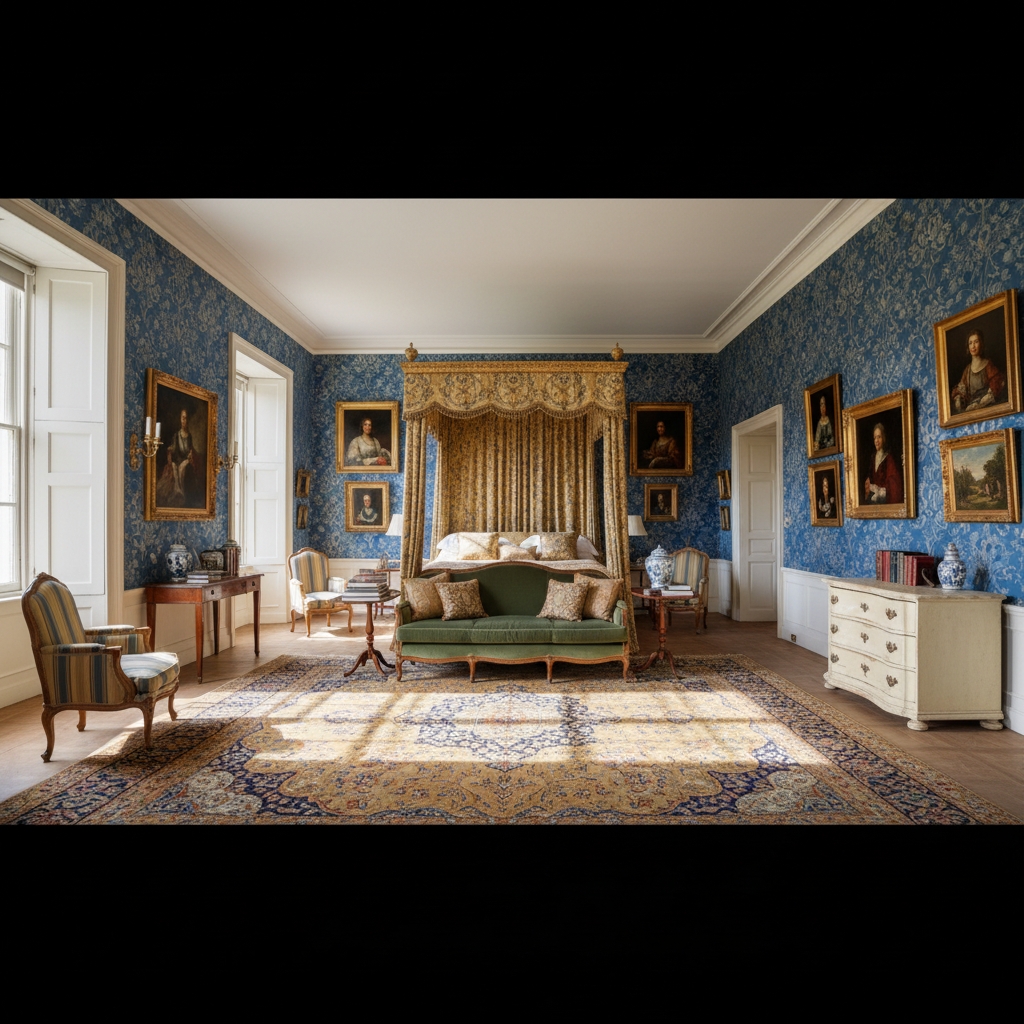
Original Painted Furniture
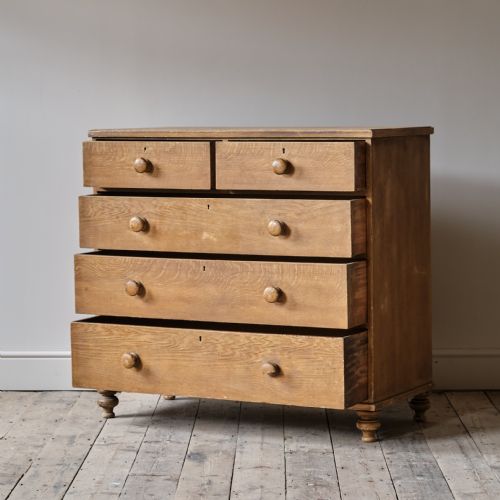
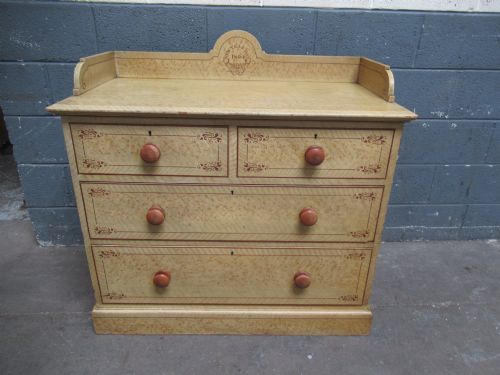
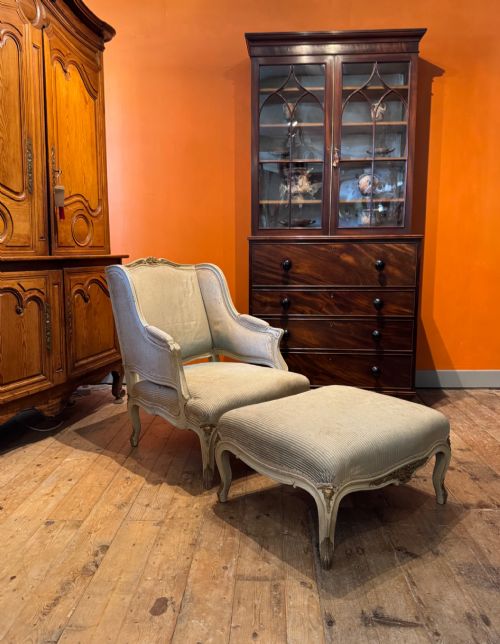
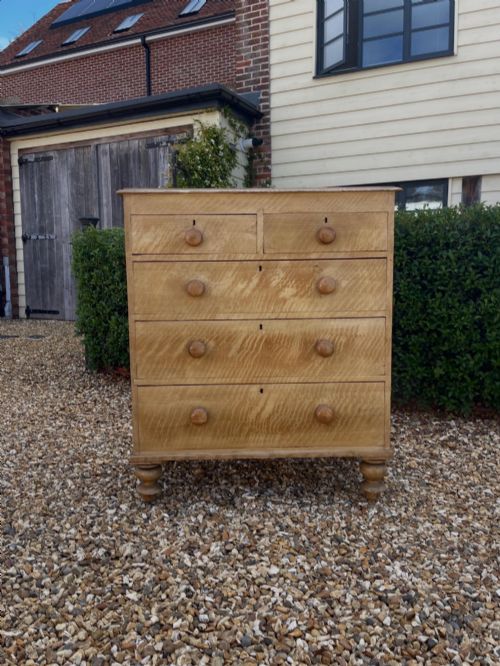
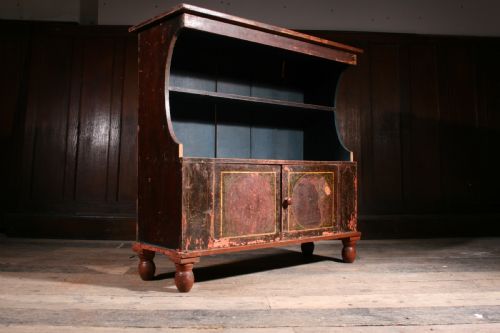
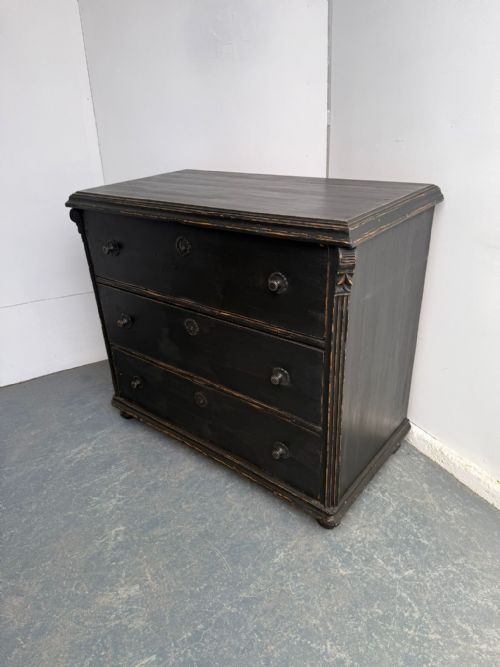
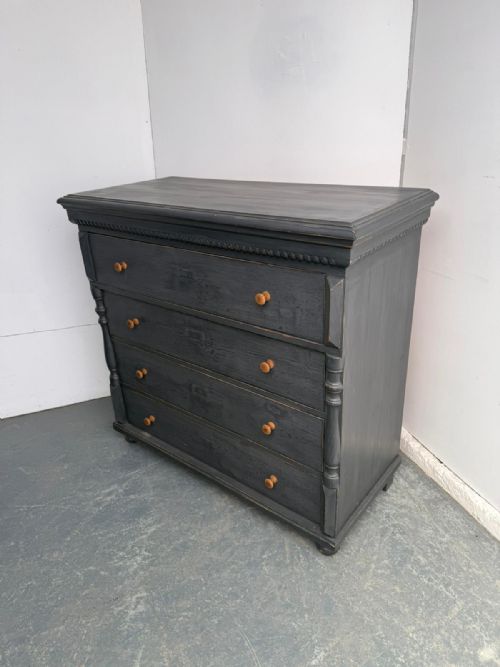
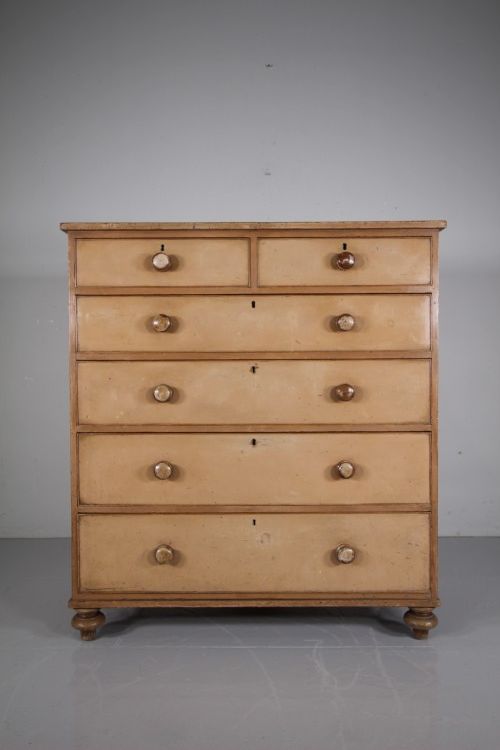
Original painted furniture encompasses utilitarian and formal pieces retaining their historic surface coatings rather than later stripping or repainting. These items span domestic forms like chests of drawers, benches, cupboards, and display cabinets across diverse periods including the Georgian and Victorian eras.
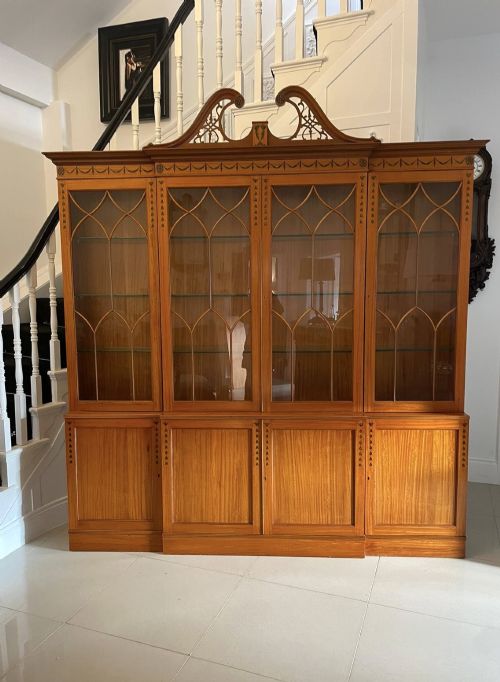
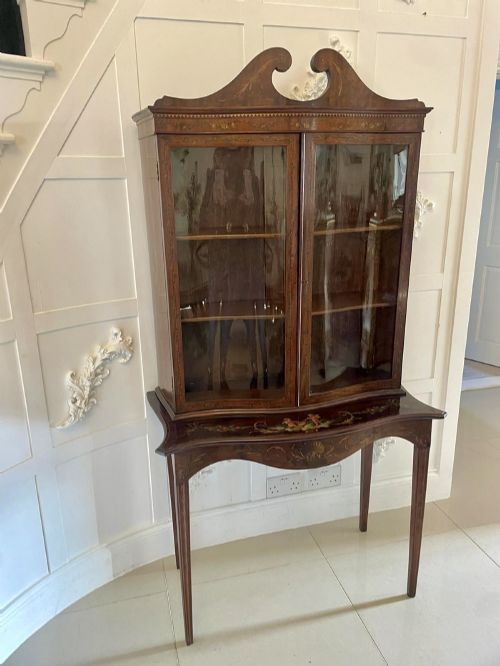
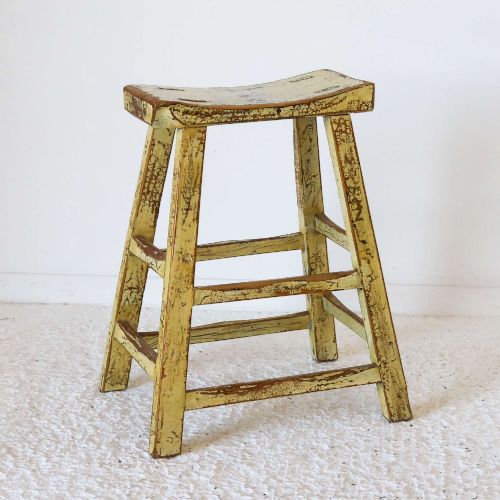
Regional country styles heavily populate the selection, featuring Scandinavian, Eastern European, and English country pieces constructed primarily from pine. Alongside these rural domestic forms appear refined display cabinets and occasional tables utilising satinwood and mahogany.
The enduring appeal of these items lies in the patina developed by aged paint layers over decades of daily use. Buyers encounter pieces that bridge functional storage needs with decorative surface interest rooted in historical traditions.
Materials and construction
Makers relied primarily on pine, oak, mahogany, and satinwood for the structural carcasses of these pieces, assembled using traditional joinery appropriate to the period. Iron and brass hardware such as hinges, handles, and escutcheons were integrated into the primary woodwork.
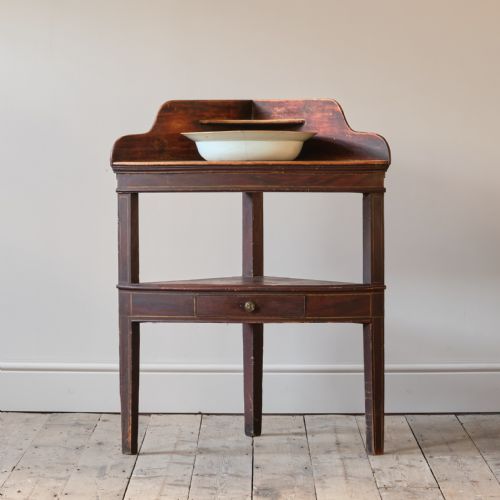
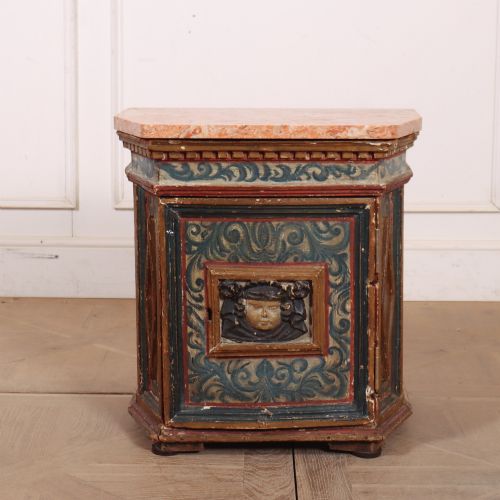
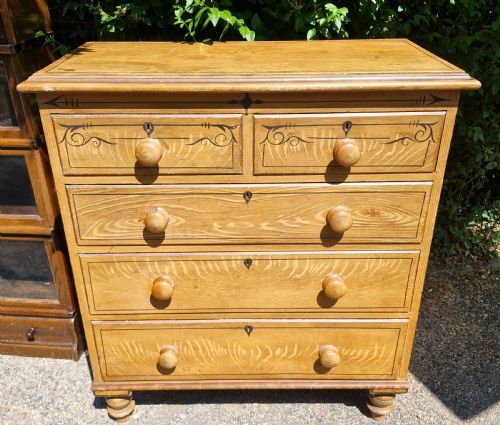
Surface finishes applied directly to the wood substrate included oil-based paints, distemper, lacquers, and specialist techniques like scumbling or grain finishing to simulate costlier timbers. Protective clear coats or wax layers were frequently worked over the original pigment to seal the surface.
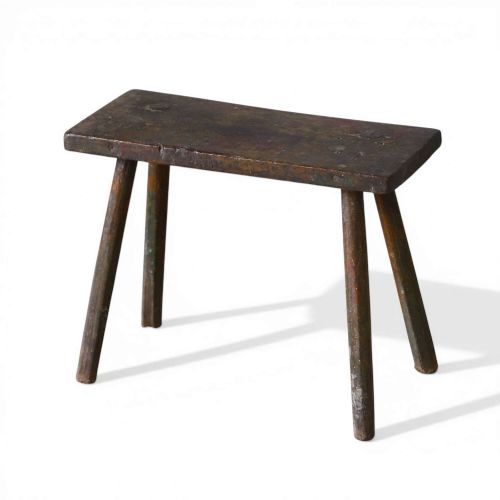
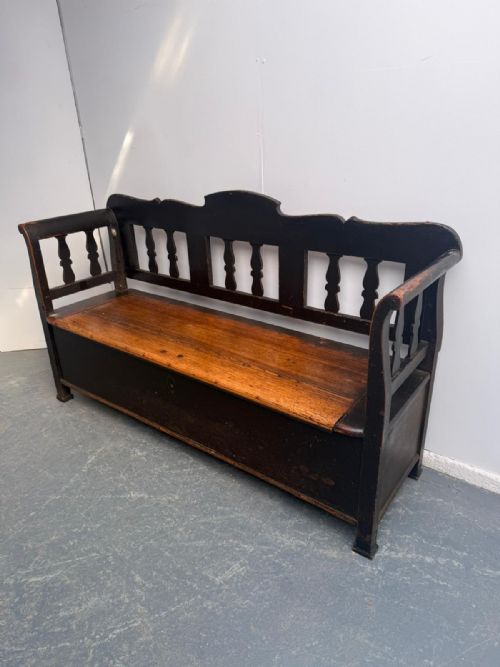
Milking stools and box settles retain the authentic scuffs of rural farm life alongside centuries-old coats of green and blue paint.
Evaluating quality and authenticity
Quality rests significantly on the integrity of the surface coating, distinguishing untouched historic paint layers from later overpainting or sympathetic restorations. The relationship between the underlying timber construction and the wear pattern of the paint dictates the overall integrity of the piece.
Proportion and execution separate everyday utility items from finer workshop pieces, whether dealing with a vernacular pine bench or an elaborate satinwood display cabinet. The sophistication of the original decorative scheme, from simple monochrome to faux marbling, defines the upper tier of the range.
The Original Painted Furniture Glossary
- Scumble
- A translucent glaze applied over a base coat and manipulated with combs or rags to create simulated wood grain or textured patterns. This technique was popular on Victorian pine furniture.
- Distemper
- A water-based paint medium utilising chalk or pigment bound with animal glue, commonly found on early country pieces. It provides a matte finish that chalks slightly with age.
- Pine
- A soft timber extensively utilised for European and English country furniture because of its accessibility and receptive surface for paint. It forms the structural base for the majority of vernacular painted items.
- Satinwood
- A durable hardwood featuring a lustrous golden yellow appearance, utilised in finer formal cabinets and decorative pieces. It often served as a contrasting ground for delicate painted ornamentation.
- Breakfront
- A cabinet design where the central section projects forward from the flanking wings. This architectural arrangement adds depth and formal presence to large display pieces.
- Coffer
- A large rectangular chest with a hinged lid used historically for storage. Early examples are frequently constructed from oak or pine and finished with initial surface treatments.
Original Painted Furniture: Frequently Asked Questions
What defines original painted furniture?
Original painted furniture retains its historic surface decoration applied during the period of manufacture rather than subsequent modern embellishments.
This preservation of early pigments, whether simple country greys or sophisticated faux finishes, provides an authentic window into historical interior aesthetics.
How do I care for historic painted surfaces?
Preserving these pieces requires avoiding harsh modern chemical cleaners and abrasive cloths that can strip delicate historical layers. Gentle dusting and occasional applications of microcrystalline wax help protect the underlying pigments from moisture and friction.
Keeping items away from direct sunlight and dramatic humidity swings prevents the timber substrate from moving and the historic paint from flaking.
Are these pieces suitable for daily use?
Most items served domestic functions originally and remain sturdy enough for contemporary living when handled with reasonable care. Chests, benches, and cupboards easily accommodate modern storage requirements while anchoring a room with historical presence.
Care should be taken with delicate surfaces such as painted table tops or washstands where moisture might compromise the historic finish.
How can I tell if the paint is original?
Authentic historic paint displays natural wear patterns, micro-crazing, and integration with the underlying timber expansion that modern repainting cannot replicate. Examination under magnification often reveals multiple underlying layers of period pigment and accumulated dirt trapped in the crevices.
Professional assessment looks for consistency between the age of the wood construction and the chemical composition of the surface coatings.