
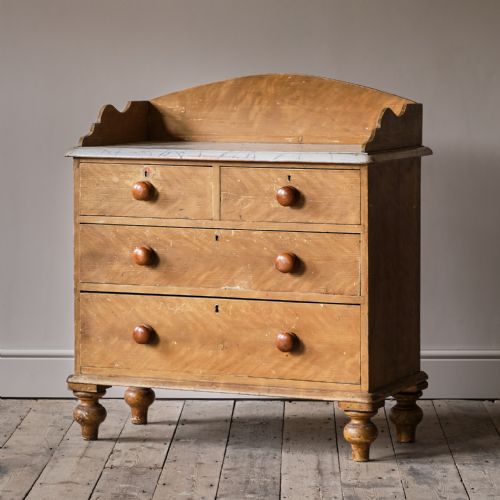
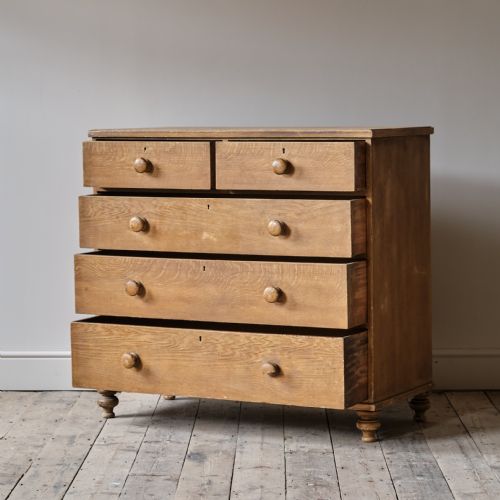
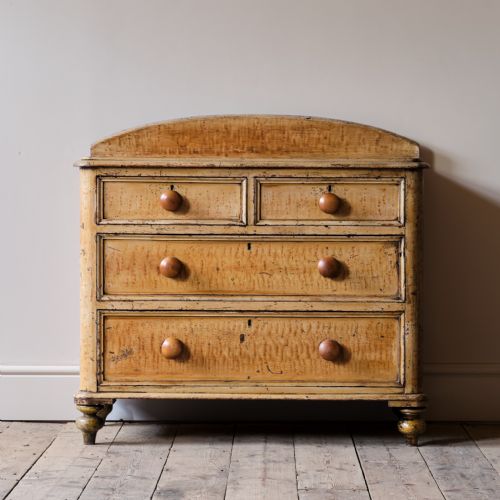
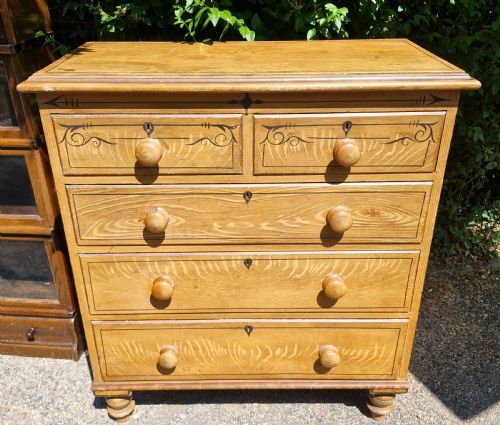
Victorian Painted Chest Drawers
These nineteenth century pieces of furniture bring character and practical storage to a room through painted finishes.

Victorian painted chest drawers
A victorian painted chest drawers serves as a functional storage item with multiple compartments for household goods. Buyers search for this phrase to find domestic furniture that combines nineteenth century utility with decorative surface finishes.
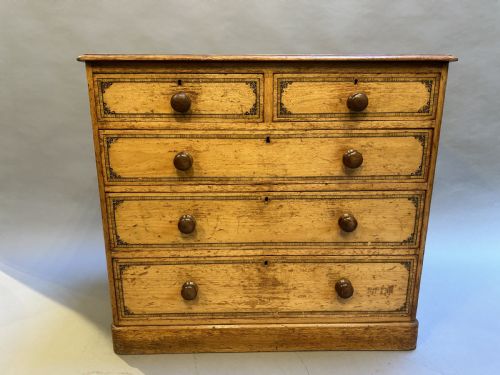
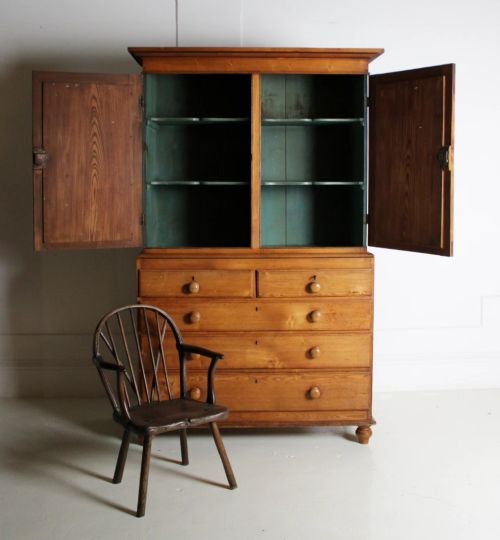
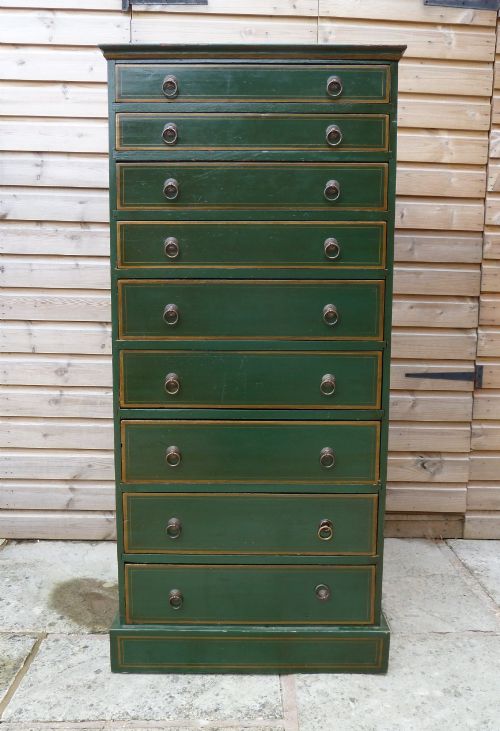
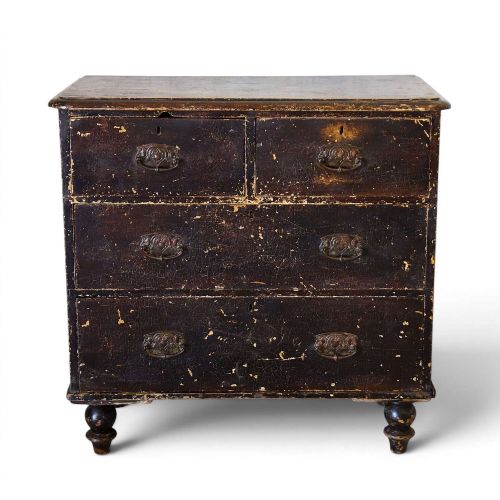
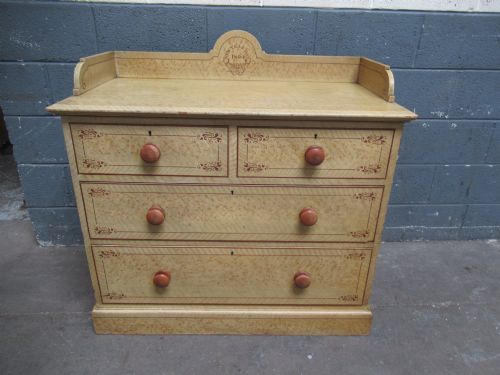
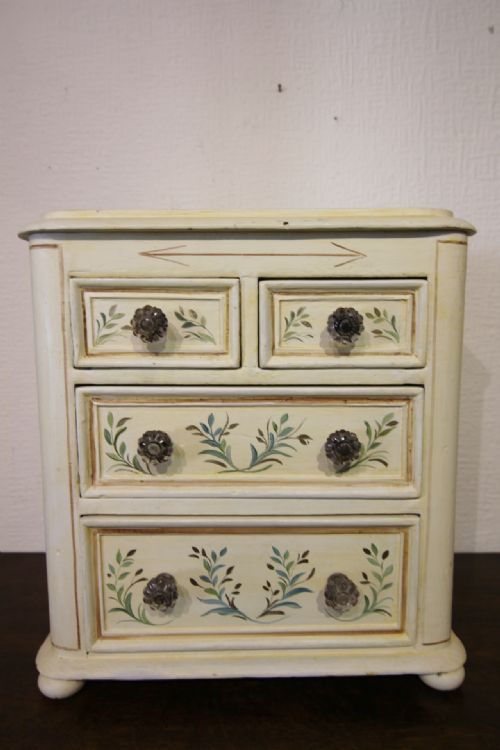
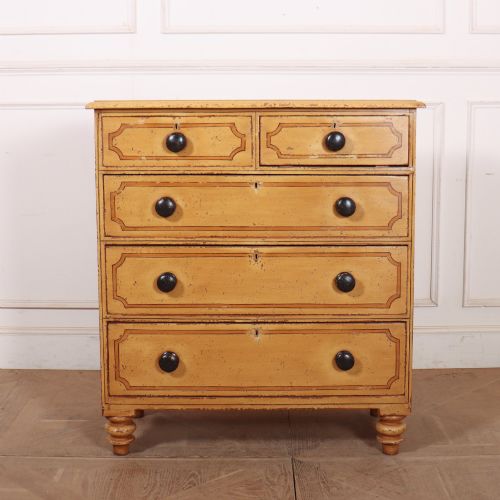
The most common version met on this page is constructed from pine and finished with a painted surface. These pieces appear in various configurations including standard arrangements of drawers, low and wide formats, and smaller proportions.
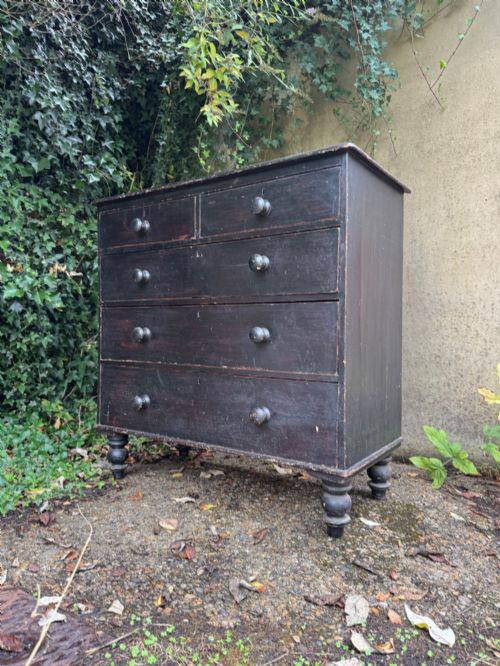
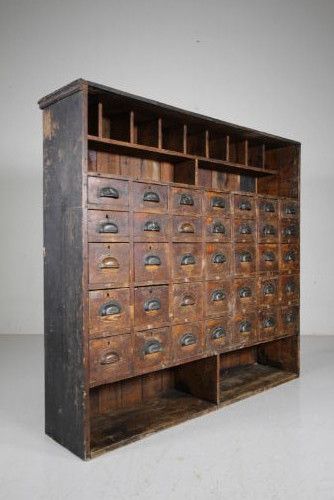
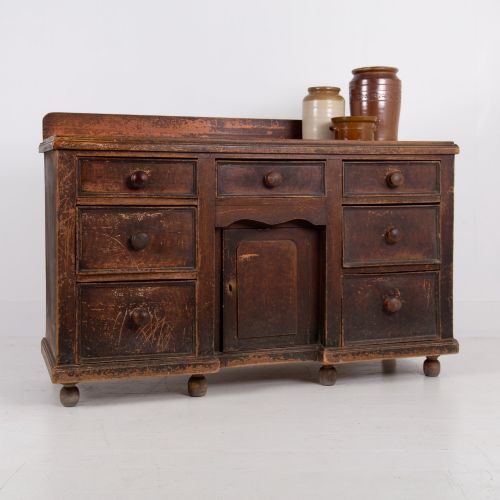
Origins span English, Welsh, French, and Hungarian traditions within the nineteenth century. Forms range from simple banks of drawers to tiered configurations featuring turned handles and onion feet.
How they were made
Makers built these pieces primarily using pine timber for the main carcase and drawer structures. Metal and brass components, such as handles and fixings, provide functional hardware across the construction.
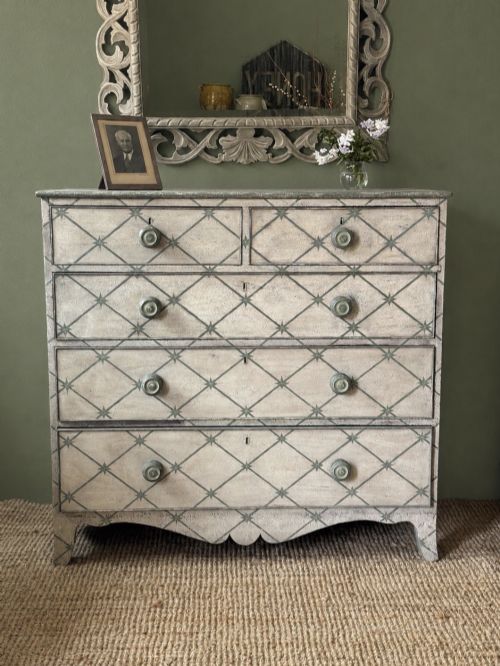
Surfaces received various treatments involving paint applied over the wood. Original finishes, sign writing, and decorative details appear alongside distressed or coloured layers applied during the nineteenth century or later.
Retail Price Guide 2026
Typical UK retail prices for victorian painted chest drawers, calculated from the Sellingantiques database of over a million retail prices indexed since 2003. This retail price guide relies exclusively on Sellingantiques data; no external sources or auction records are used, so the figures do not describe the wider market.
Recorded materials span pine, paint, metal, and brass across nineteenth century examples.
What varies in quality
The distinction between tiers of quality rests upon the preservation of original surfaces and the integrity of the timber carcase. Pieces retaining untouched historical paint schemes and solid structural joints command greater interest than those with altered or heavily reworked exteriors.
Proportion and scale also influence the standing of an individual piece, with smaller dimensions and balanced drawer arrangements demonstrating finer domestic cabinet work. The presence of specific details like turned feet, original hardware, and distinct regional origins adds further distinction.
Heal & Sons
The Victorian Painted Chest Drawers Glossary
- Pine
- A softwood commonly utilised for nineteenth century domestic furniture carcases and drawer construction. It provides a stable base for painted finishes.
- Original paint
- A surface coating applied during the period of manufacture that has survived largely unaltered. Collectors value this condition for its historical authenticity.
- Bank of drawers
- A utilitarian storage configuration featuring multiple small compartments. These pieces often serve specific commercial or domestic sorting functions.
- Onion feet
- Rounded, bulbous wooden supports elevating the base of the chest off the floor. This detail appears on specific nineteenth century forms.
Frequently Asked Questions
What periods do these chests come from?
These items date from the nineteenth century, specifically spanning the Victorian era with examples from around eighteen fifty up to eighteen ninety.
Production methods and material choices remain consistent across this timeframe, reflecting standard domestic cabinet making of the period.
What wood were they built from?
Pine serves as the primary material for the construction of these storage pieces. Metal and brass hardware provide the operational components for handles and drawer pulls.
The combination of softwood timber and applied paint creates the characteristic appearance associated with these nineteenth century items.
How do I identify original paint?
Examining the surface layer for natural wear, craquelure, and integration with the underlying timber helps determine the age of the coating. Original finishes show consistent ageing patterns that match the nineteenth century date of the piece.
Subsequent layers or modern applications often lack this integrated wear and present a different texture under close inspection.
Where were these pieces used?
These storage items served primarily in domestic bedrooms and utility spaces for holding clothing and household goods. Some specific configurations were utilised in commercial environments such as chemists.
Regional variations span English, Welsh, French, and Hungarian domestic settings from the Victorian period.