

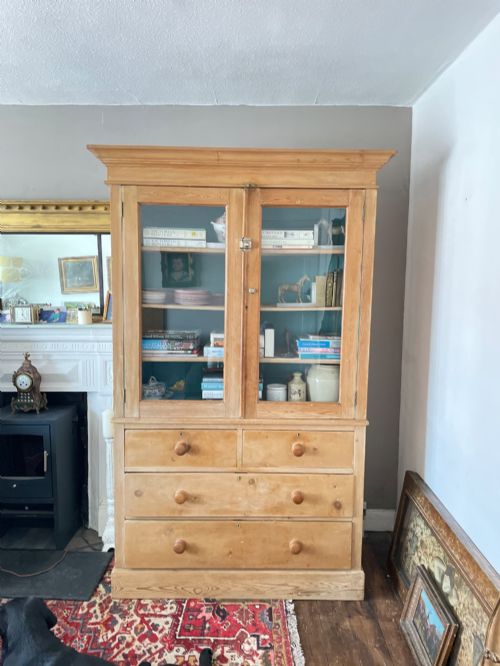
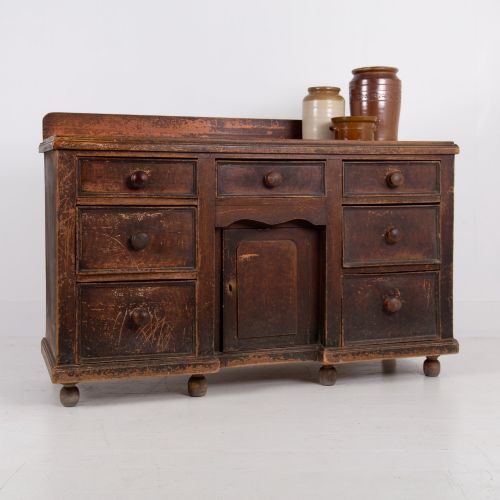
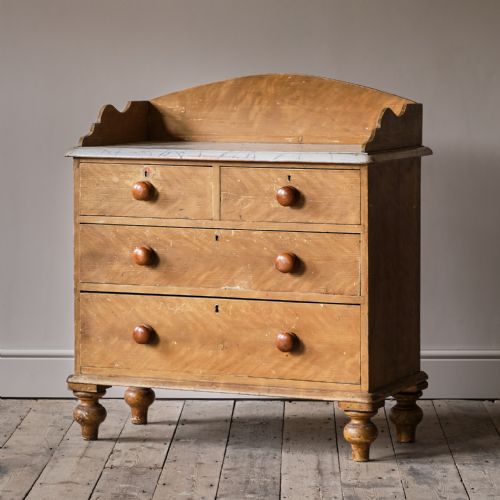
Vintage Painted Pine Drawers
These vintage painted pine drawers offer practical storage with the enduring character of nineteenth-century country craftsmanship.

Vintage Painted Pine Drawers
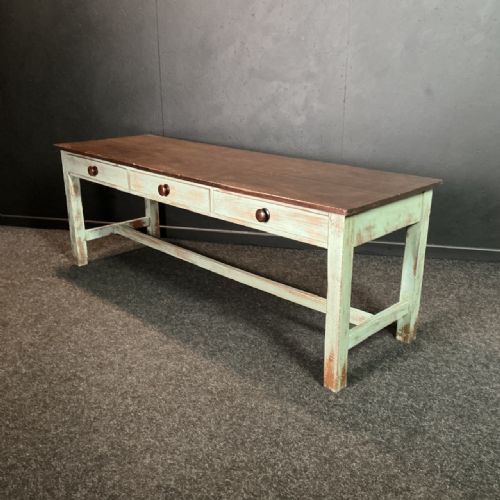
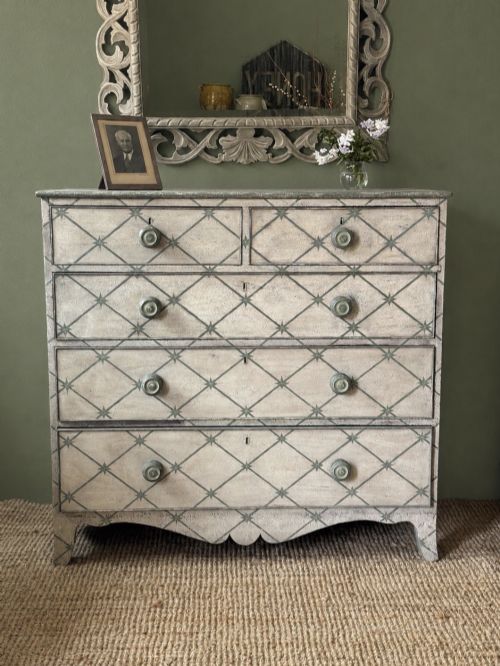
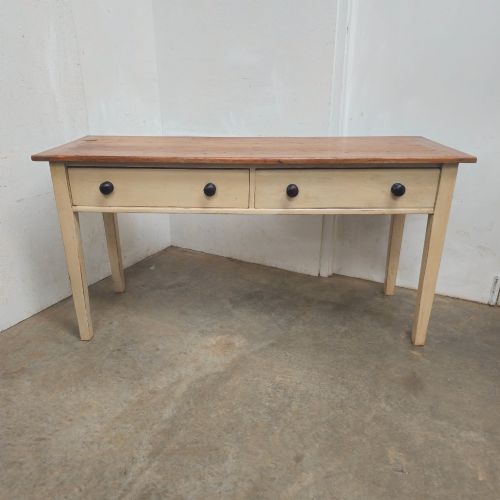
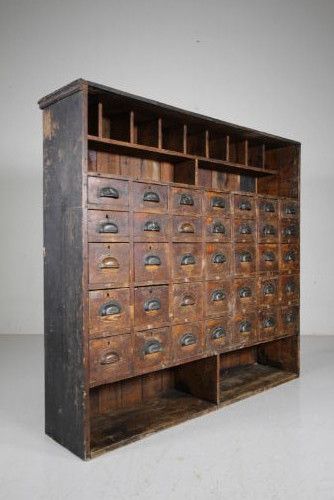
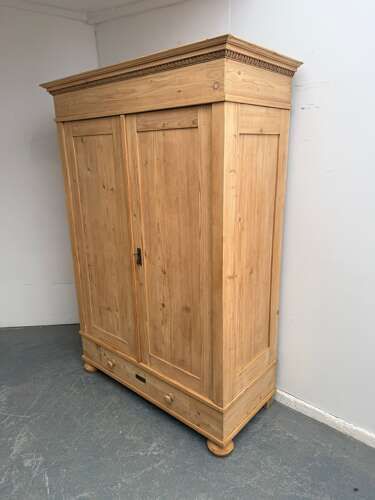
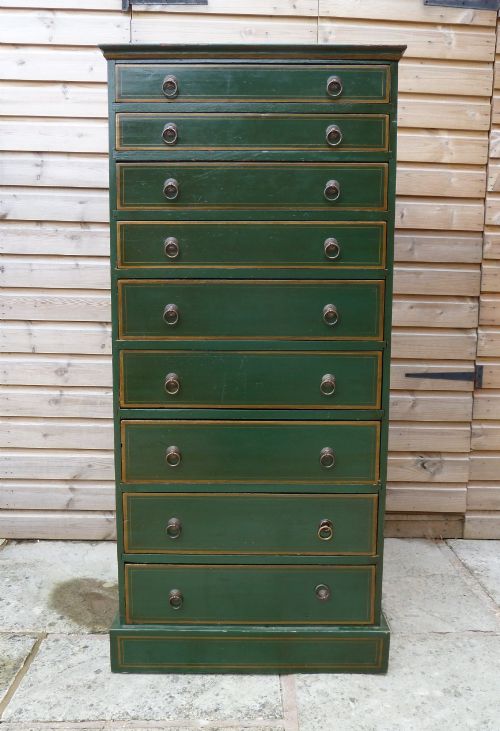
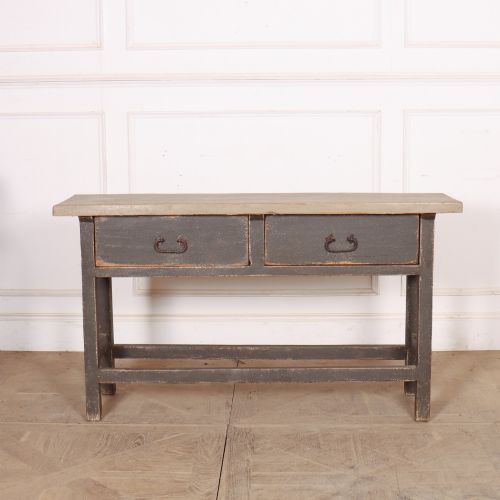
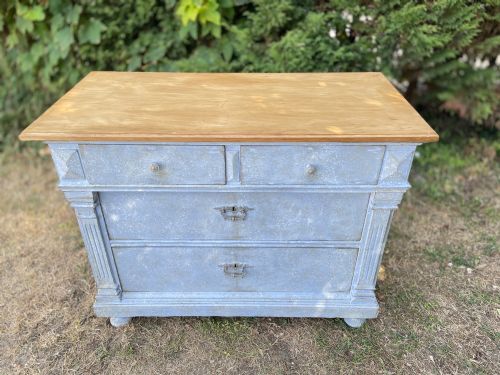
Vintage painted pine drawers encompass practical storage furniture built primarily from softwood, frequently presented in nineteenth-century and Victorian iterations. Buyers seeking this phrase typically encounter chests of drawers, alongside related forms such as banks of drawers, washstands, and dressers sharing the same painted wooden construction.
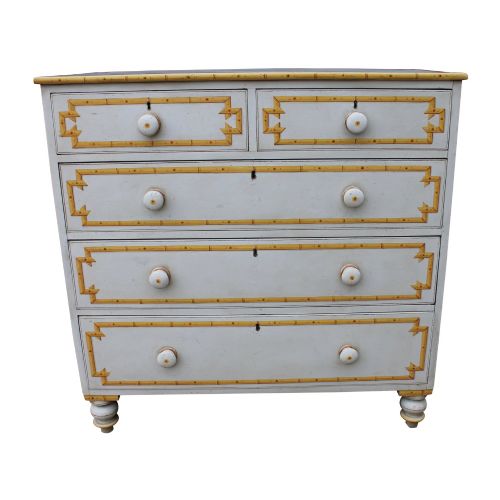
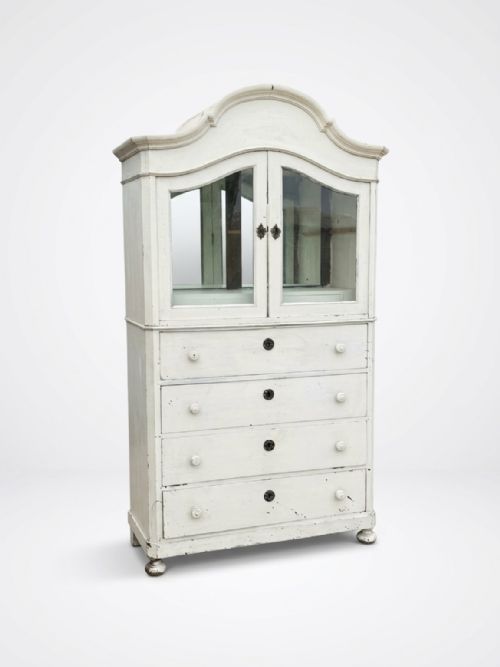
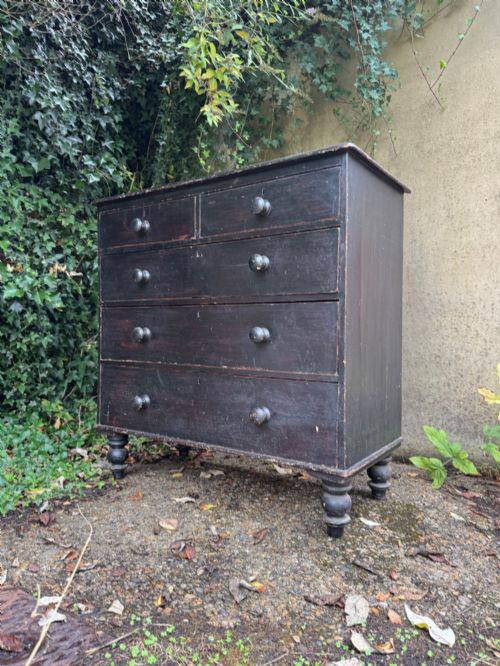
The selection ranges from British country pieces to continental examples, including Swedish commodes and Hungarian chests finished in black or original paint. Regional variations appear through distinct decorative details like serpentine fronts, fluted drawer faces, and faux bamboo turnings.
How they were made
Construction relies upon solid pine timber, selected for its utility and shaped into substantial drawer boxes, frames, and tops. Cabinetmakers frequently incorporated iron, brass, or metal hardware such as drawer pulls and handles to complement the wooden structure.
Surfaces received various treatments, including scumble glazes, original paint layers, or dark finishes. Artisans applied these pigments directly to the softwood grain, often leaving patinated surfaces that reflect decades of domestic use.
The listings combine British country workshop furniture with continental European examples spanning the Georgian, Regency, and Victorian eras.
What varies in quality
Quality rests in the survival of original painted surfaces rather than later repainting, alongside the structural integrity of the pine carcass and dovetailed drawer construction. Pieces retaining untouched scumble glazes or period pigment display greater integrity than those stripped or heavily reworked.
Proportion and regional detailing separate standard utility items from finer examples, such as those featuring serpentine fronts, fluted mouldings, or bonnet tops. The handling of secondary woods and the precision of the joinery mark the distinction between everyday workshop production and accomplished cabinetmaking.
The Vintage Painted Pine Drawers Glossary
- Pine
- A softwood commonly used for utilitarian furniture due to its abundance and ease of working. It forms the primary structural body for nearly all pieces found within this category.
- Scumble
- A decorative paint technique involving translucent glazes dragged or brushed over a base coat to simulate wood grain or texture. It appears on Victorian furniture to elevate simpler timbers.
- Commode
- A low cabinet or chest of drawers, often referencing continental European styles such as Swedish or French examples. These frequently display shaped fronts or decorative carving.
- Bank of drawers
- A multi-drawer unit designed for specialised storage, offering numerous small compartments rather than standard deep drawers. They originate from workshops, offices, and large domestic spaces.
Vintage Painted Pine Drawers: Frequently Asked Questions
How do I care for painted pine?
Keep these pieces away from direct heat sources and strong sunlight to protect the fragile surface layers. Dust gently with a dry cloth and avoid harsh chemical cleaners that can strip original paint.
Wax can be applied sparingly to unpainted pine sections, but take care around historic pigment. Maintaining stable room humidity prevents the softwood from expanding and splitting.
Are these drawers suitable for daily bedroom use?
Nineteenth-century chests of drawers offer robust storage capacity suited to modern domestic routines. The internal drawer boxes slide within wooden runners that function reliably when kept clean.
Check internal drawer depths before purchase to ensure your clothing fits comfortably. Period drawers often feature shallower proportions than modern counterparts.
What does original paint mean on antique pine?
Original paint refers to the historic decorative finish applied during the nineteenth century or earlier. This surface has aged naturally over generations without later overpainting or stripping.
Detecting original paint involves examining craquelure, wear patterns around handles, and pigment consistency under magnification. Surviving historical finishes significantly contribute to the character of the piece.
Where were these painted pine pieces made?
Origin points span British workshops alongside continental European centres including Sweden, France, and Hungary. Regional cabinetmakers utilised local softwood stocks to produce practical household storage.
Construction traits and decorative motifs often indicate the geographic source. Swedish and French pieces frequently display lighter colour palettes and curved serpentine profiles.