

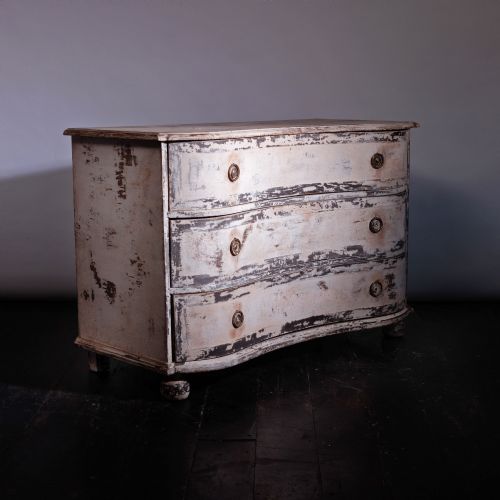
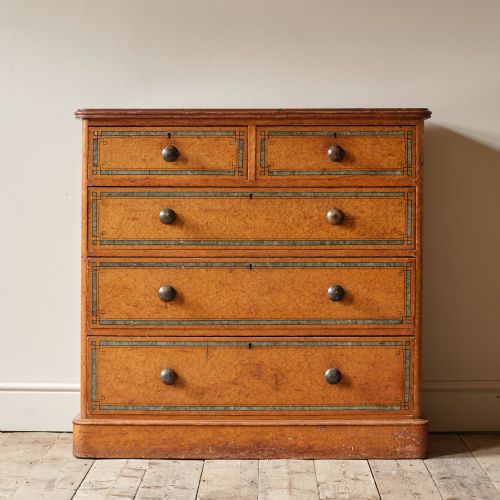
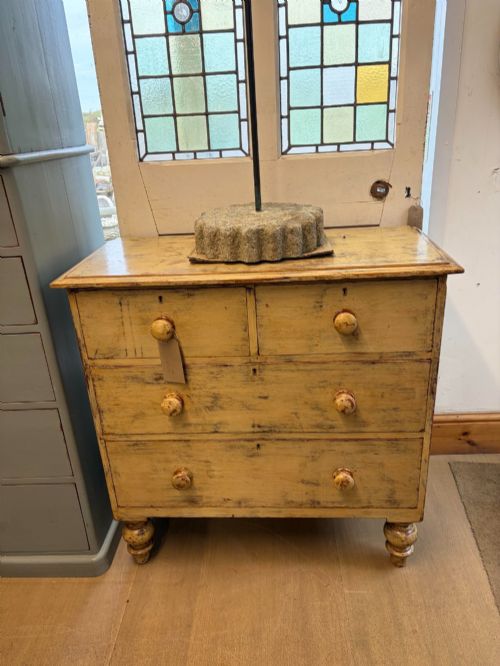
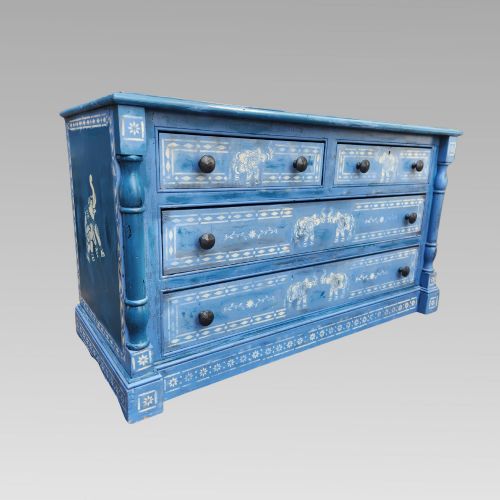
Rustic Painted Chest Drawers
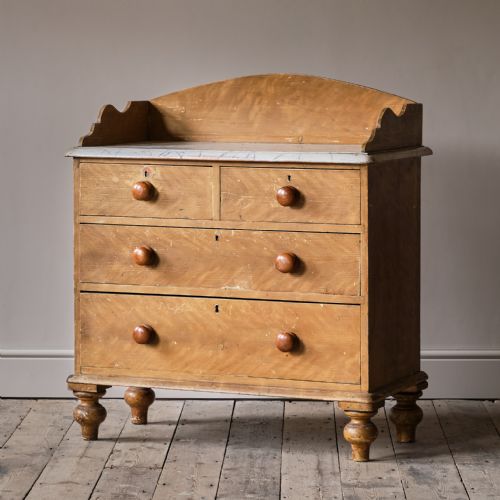
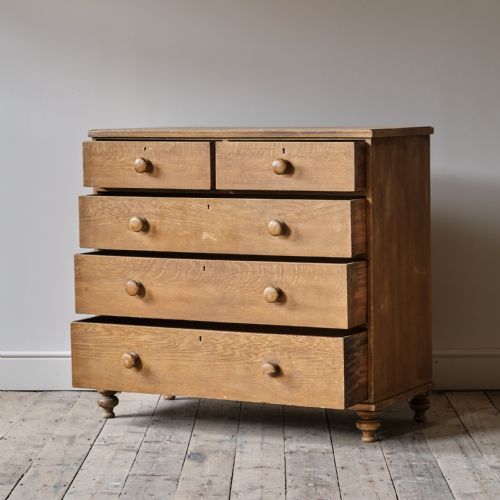
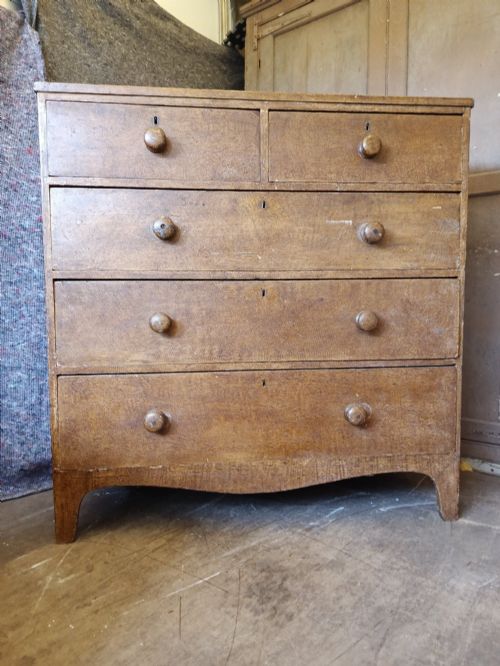
These rustic painted chest drawers are practical storage pieces carrying decades of honest wear and original pigment.

Rustic Painted Chest Drawers
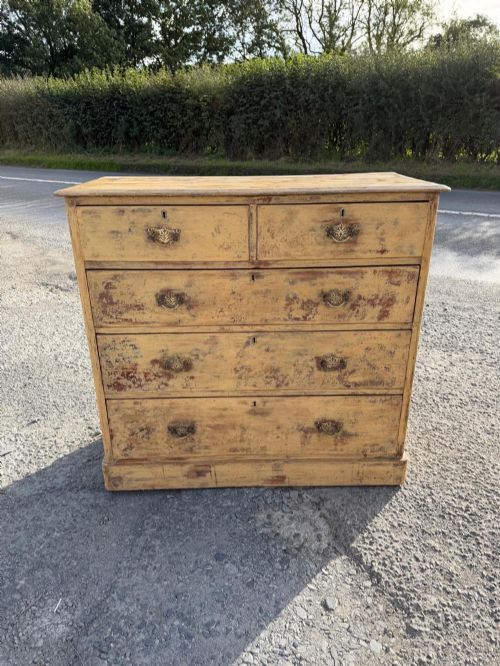
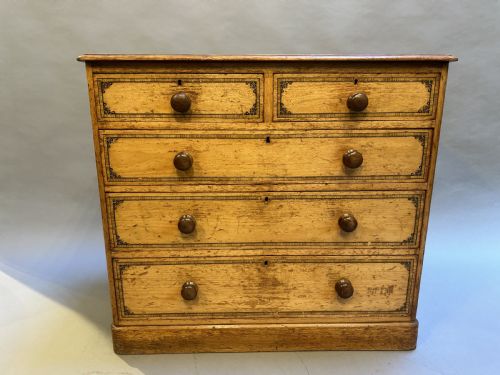
A rustic painted chest drawers brings vernacular charm to a room through utilitarian storage forms finished in surface pigment. When you search for rustic painted chest drawers, you meet practical household furniture spanning the Georgian, Regency, and Victorian periods.
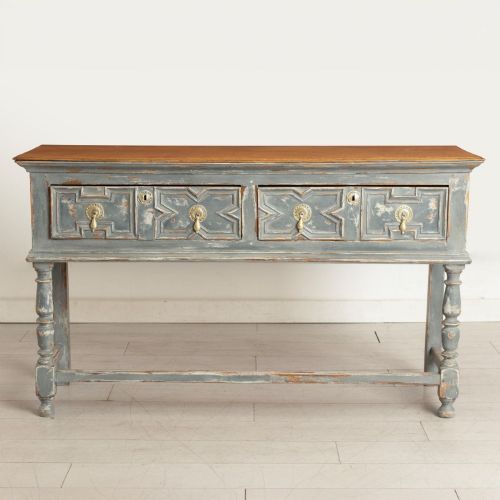
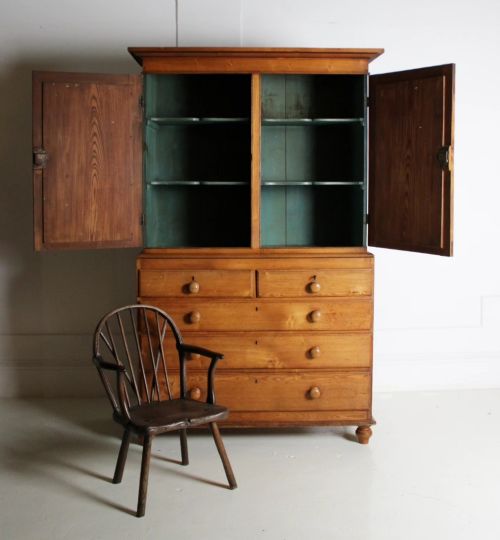
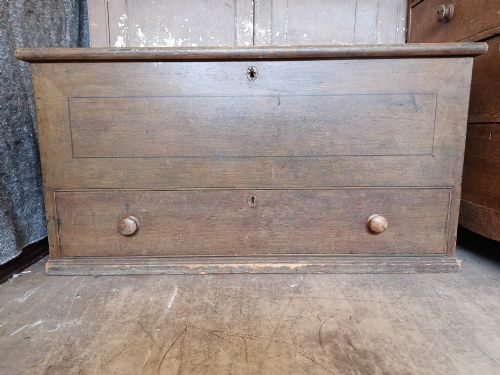
The selection centres on pine chests of drawers constructed in two parts or single carcases, alongside related forms such as commodes, mule chests, and dressers. These domestic pieces originate from English workshops as well as continental sources including Hungary, Denmark, and Italy.
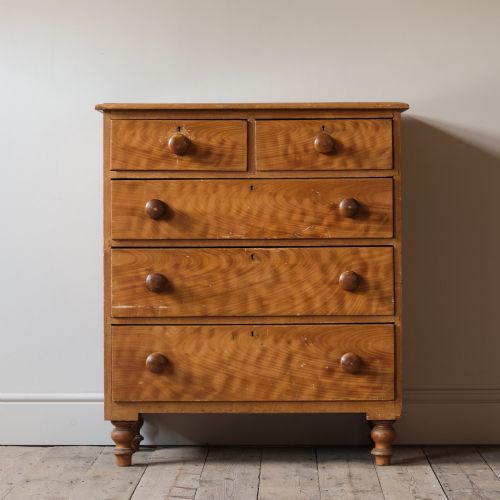
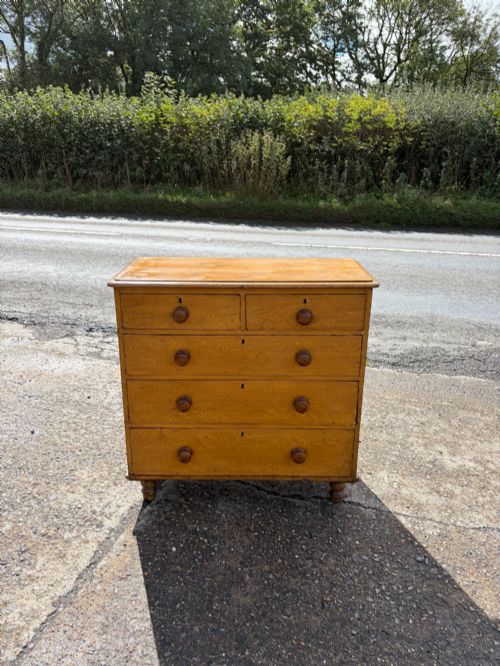
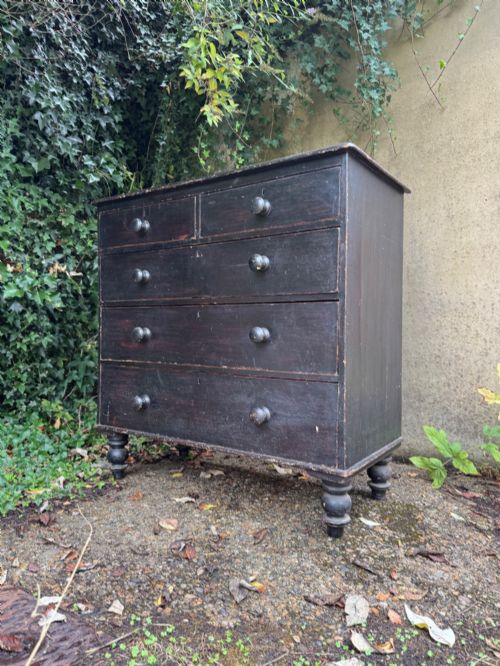
Most examples rely on straightforward multi-drawer arrangements, often featuring two smaller drawers above three larger ones. Their presence ranges from compact country washstands to massive workshop chests and shop fittings.
How they were made
Makers built these pieces primarily from solid pine, utilising timber planking for carcases, drawer linings, and backboards, occasionally turning to ash or oak for specific structural elements. Joinery methods relied on hand-cut dovetails for drawer construction and pegged joints for frames.
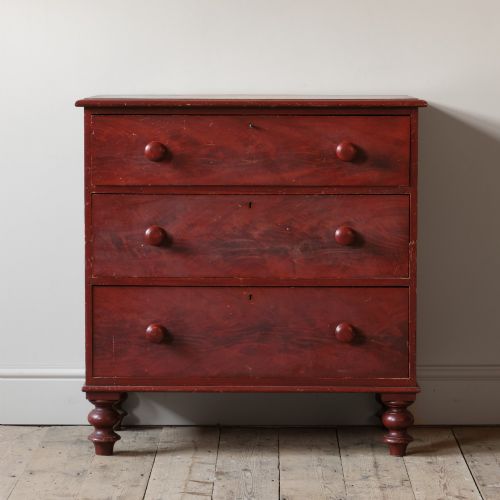
Surfaces received layers of traditional paint, often applied in original shades of black, grey, white, green, or scumble finishes that imitated finer grain. Hardware typically consisted of brass or iron drawer pulls, drop handles, and escutcheons.
Rustic Painted Chest Drawers Retail Price Guide 2026
Typical asking prices for rustic painted chest drawers among the pieces listed under this phrase on Sellingantiques today, from the lower quarter to the upper quarter. They describe what is for sale here now, not the wider market.
Listings feature pine as the dominant primary material, finished in painted wood, scumble, and original historic pigments alongside brass and iron hardware.
What varies in quality
The integrity of the surface pigment dictates much of the character, distinguishing untouched historical paint layers from later overpainting or stripped timber. Surviving original decoration, whether flat colour or decorative sign-writing, carries greater period authenticity.
Structural soundness in the drawer framework and timber carcase separates robust daily storage from compromised pieces. Original hardware, intact feet, and well-fitted timber components reflect the care taken by the original maker.
The Rustic Painted Chest Drawers Glossary
- Scumble
- A decorative paint technique involving translucent glazes dragged or brushed over a lighter base colour to simulate natural wood grain. This finish appeared frequently on nineteenth-century country furniture.
- Mule chest
- A storage chest fitted with one or two drawers in the base beneath the main compartment. It combines the deep capacity of a traditional trunk with the accessible drawer storage of a lowboy.
- Commode
- A European term for a low chest of drawers or cabinet designed for domestic use. These pieces often display refined proportions and continental painted finishes.
- Dresser base
- A lower sideboard unit featuring cupboards or rows of drawers without the upper plate rack. These sturdy items served as functional work surfaces and storage in kitchens and farmhouses.
- Escutcheon
- A protective plate surrounding a keyhole, usually cast in brass or iron. It prevents the surrounding timber from wearing away through repeated use of the key.
Rustic Painted Chest Drawers: Frequently Asked Questions
How do I date a painted chest?
Dating relies on examining construction methods such as hand-cut dovetailing in the drawers, backboard thickness, and the composition of the timber. Hardware styles and the physical nature of the underlying paint layers also offer clear chronological clues.
Later Victorian examples often show machine-sawn elements alongside broader proportions, whereas Georgian pieces tend to exhibit finer framing and deeper patination in the wood.
Are painted finishes original?
Original paint displays natural craquelure, integrated wear around handles, and adhesion that matches the age of the underlying timber. Brush marks and multiple thin layers applied over decades indicate untouched historical surfaces.
Clean, uniform coats applied without historical ground wear suggest the piece received later redecoration during a subsequent maintenance phase.
How should I clean original paint?
Maintenance requires only a soft, dry cloth or a slightly damp sponge with mild soap to remove surface dust. Avoid harsh chemical solvents or abrasive cleaners that strip historic pigment.
Applying a microcrystalline wax can protect fragile painted surfaces from moisture while preserving the matte or satin finish characteristic of old country furniture.
What is a two-part chest?
A two-part chest consists of two separate cabinet sections stacked vertically to form a single tall chest of drawers. This method facilitated transport up narrow staircases in historic homes.
The split usually occurs midway down the carcase, held together by wooden mouldings or internal locking pins rather than permanent glue.