
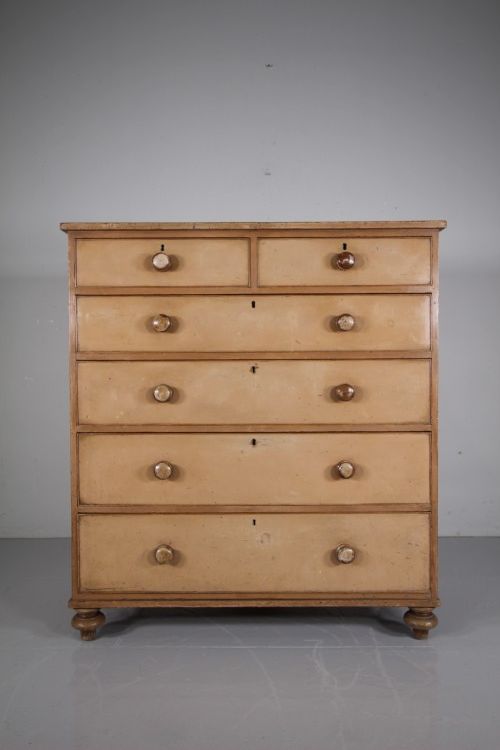


Cream Bedroom Chest Drawers
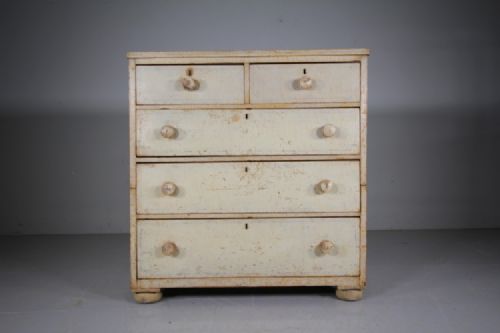
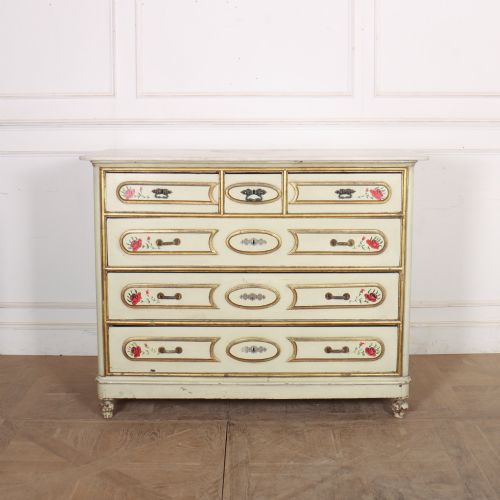
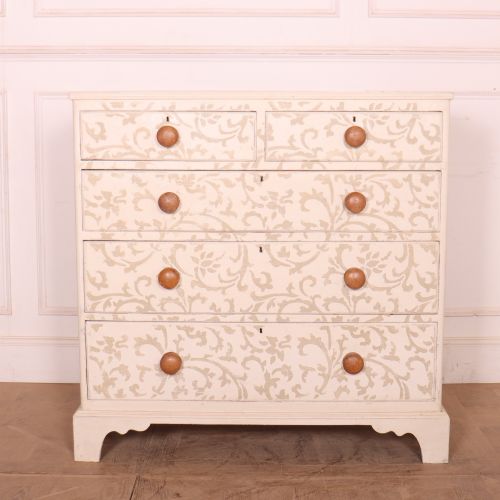
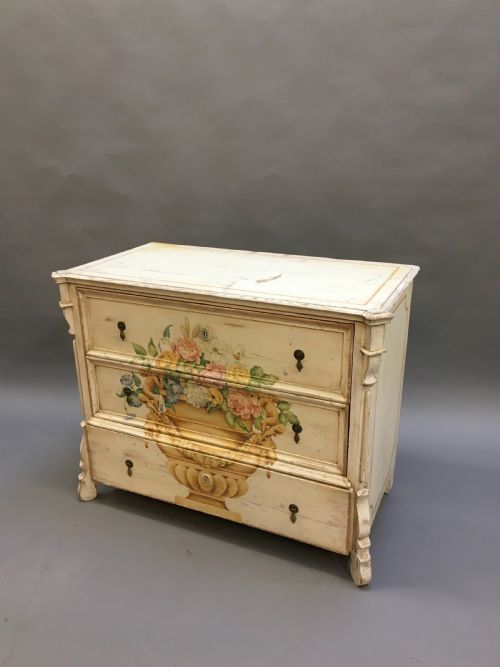
These cream bedroom chest drawers bring painted timber and period form together to anchor a bedroom with functional surface and storage.
Cream Bedroom Chest Drawers
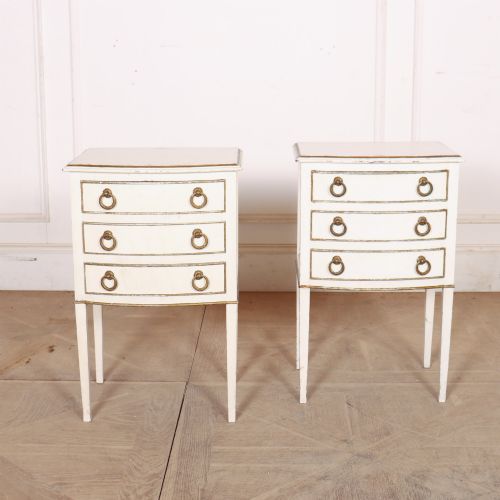
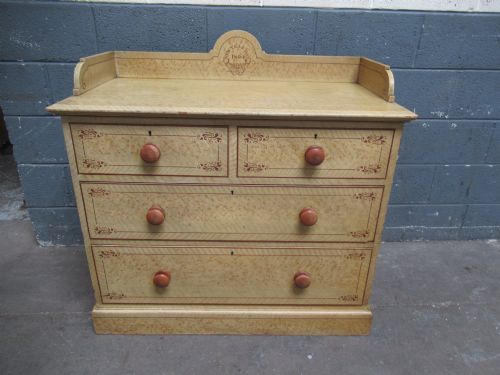
A cream bedroom chest drawers search uncovers storage furniture spanning the eighteenth century through to the nineteen-twenties, incorporating styles from Victorian country to Regency and Louis XVI. Buyers encounter everything from compact bedside chests and commodes to tallboys and chest-on-chest configurations.
Pine and oak appear frequently alongside painted wood, often finished with original or later painted surfaces in pale cream tones. Pieces frequently adopt regional or continental character, including Dutch, Spanish, French, and English workshops.
Form follows function across these designs, offering configurations of drawers ranging from low commodes to towering tallboys. The palette remains firmly anchored in pale painted finishes, sometimes enhanced with japanning, Chinoiserie motifs, or faux bamboo details.
How they were made
Construction relies upon traditional timber framing in pine, oak, and mahogany, serving as a solid substrate for decorative painted schemes. Makers applied paint directly to wood, building up pale cream colours that often show age through natural craquelure and wear.
Hardware such as brass handles and pulls accompany these pieces, while certain commodes incorporate marble tops for added surface durability. Decorative techniques extend to specialised finishes like Chinoiserie detailing and japanning on pale grounds.
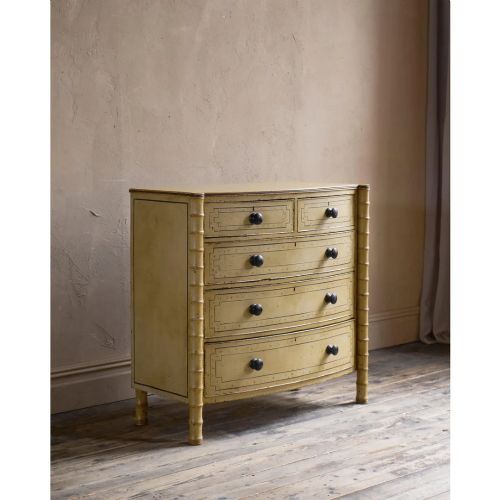
One cheerful pale cream chest arrives with bamboo carved entirely out of wood, proving that gardeners and carpenters sometimes conspired.
What varies in quality
Quality rests upon the integrity of the original timber construction and the preservation of early painted surfaces. Pieces retaining genuine period paint without heavy modern intervention command greater interest among collectors.
The refinement of proportions and the execution of decorative flourishes, such as hand-painted Chinoiserie or crisp moulding details, separate standard utility furniture from more ambitious vernacular and continental cabinetwork.
The Cream Bedroom Chest Drawers Glossary
- Commode
- A low chest of drawers or cabinet, often originating from continental Europe and standing on relatively short legs. They frequently feature decorative painted or marble tops.
- Tallboy
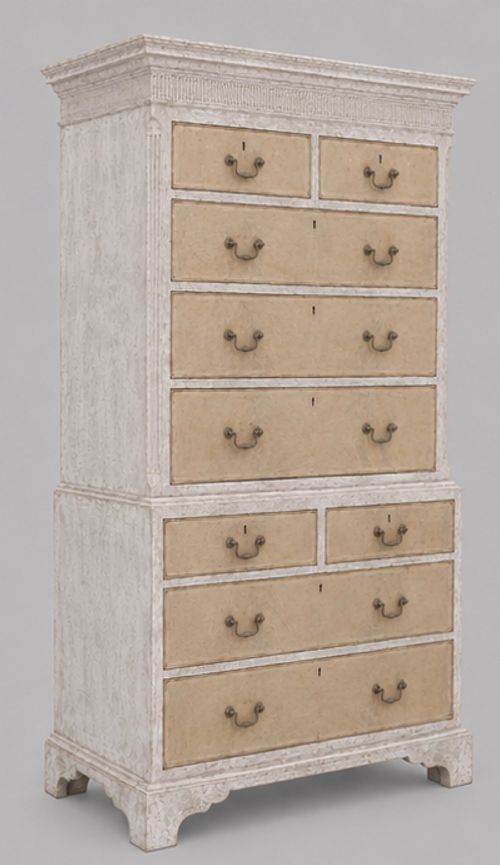
- A tall chest of drawers, often constructed in two distinct sections with a smaller chest sitting atop a larger base. This form maximises vertical storage capacity.
- Japanning
- A European imitation of East Asian lacquerwork, applied here in pale cream tones to create decorative panels and scenes. It involves layering varnishes and curing them under heat.
- Bowfront
- A furniture front that curves outward in a convex shape, softening the rectangular geometry of a standard chest. This profile appears frequently on Georgian and Regency pieces.
- Chinoiserie
- European artistic interpretations of Chinese and East Asian decorative motifs, frequently found rendered in paint upon period furniture.
Cream Bedroom Chest Drawers: Frequently Asked Questions
How do I clean a painted chest?
Dust the surface regularly with a soft, dry cloth to prevent dirt accumulation. Avoid harsh chemical cleaners that can damage fragile period paint.
Test any mild cleaning solution on a hidden area first if moisture is required. Gentle maintenance preserves the integrity of the original finish.
Are these chests suitable for modern bedrooms?
These pieces offer practical storage while introducing period character and soft cream tones to contemporary spaces. Their varied scales accommodate both compact alcoves and larger bedroom layouts.
They function effectively alongside modern minimalist decor by adding textural contrast and historical depth. The neutral painted surfaces blend easily with diverse colour schemes.
How can I tell if the paint is original?
Examine the surface for natural wear patterns, craquelure, and integration with the underlying timber construction. Original paint often shows consistent ageing and sits harmoniously within the joints and mouldings.
Subsequent overpainting typically masks underlying tool marks or fills historical gaps unevenly. Close inspection under magnification can reveal earlier layers beneath.
What is a chest-on-chest?
A chest-on-chest consists of a smaller upper chest stacked directly upon a larger lower chest, creating a tall storage unit. This form emerged to provide substantial drawer space without demanding excessive floor area.
Earlier examples often divide neatly into two separate transportable sections for ease of movement. They represent some of the most ambitious case furniture produced in the eighteenth century.