

Painted Pine Chest of Drawers
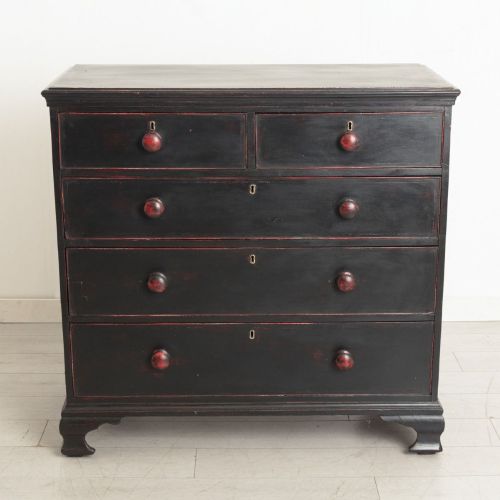
A painted pine chest of drawers brings practical storage and a distinctive surface finish to a room, drawing on Georgian, Regency, and Victorian traditions.
Painted Pine Chest of Drawers
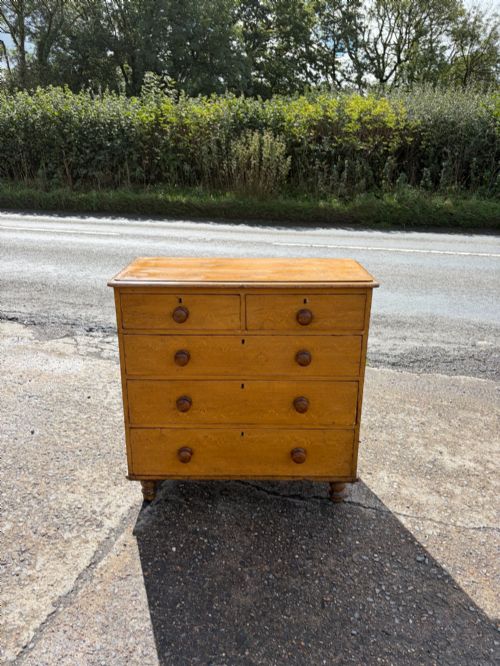
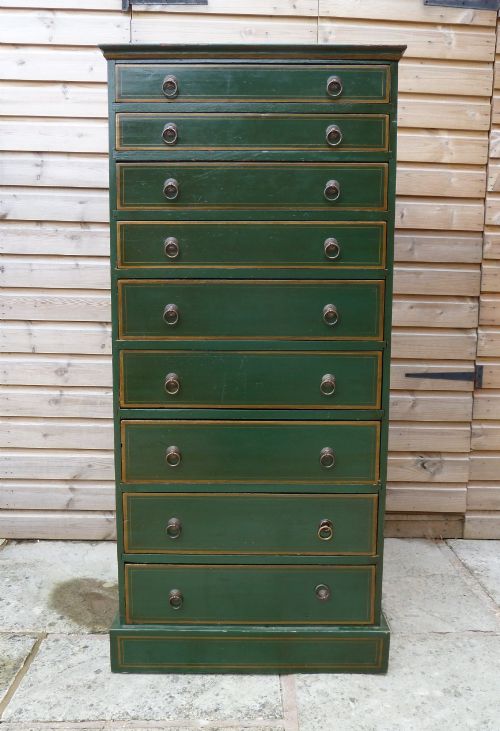
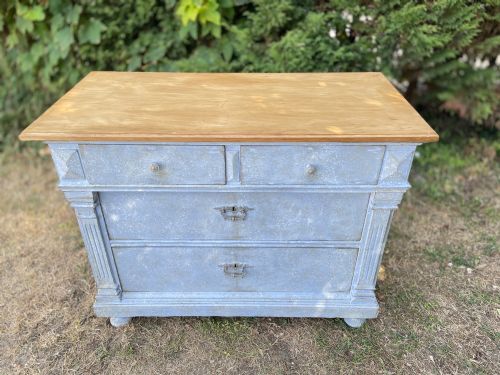
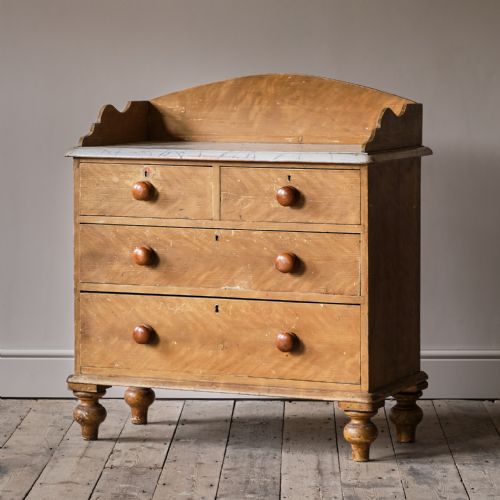
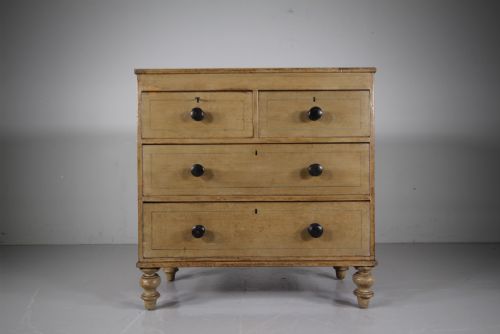
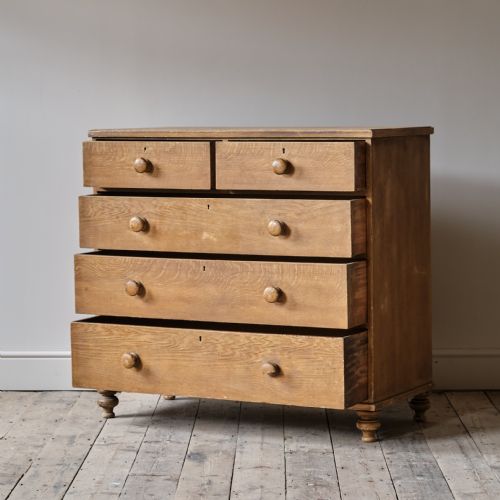
A painted pine chest of drawers provides utilitarian storage through various drawer configurations, such as the common two-over-three arrangement or larger multi-drawer formats. These items span Georgian, Regency, and Victorian periods, originating from English workshops as well as Scandinavian and Hungarian sources.
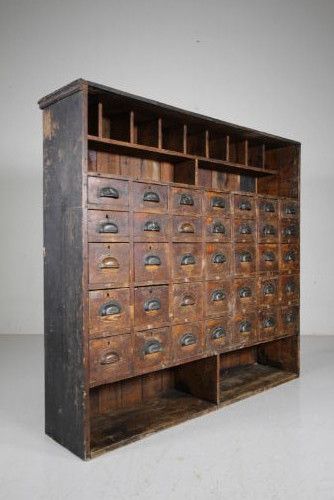
The category encompasses standard bedroom chests alongside banks of drawers, washstand chests, and provincial commodes. Pieces on this page most frequently appear with proportions suited to domestic use, constructed from softwoods and finished with pigment.
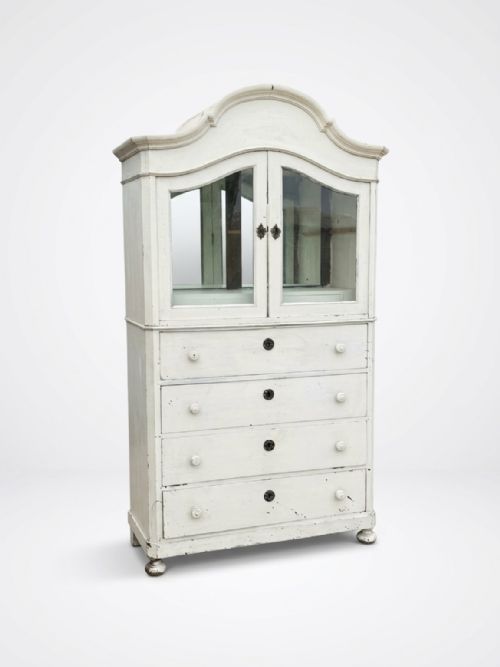
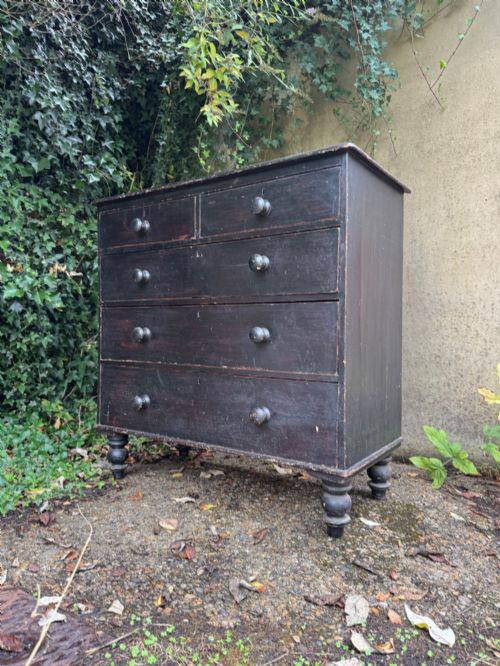
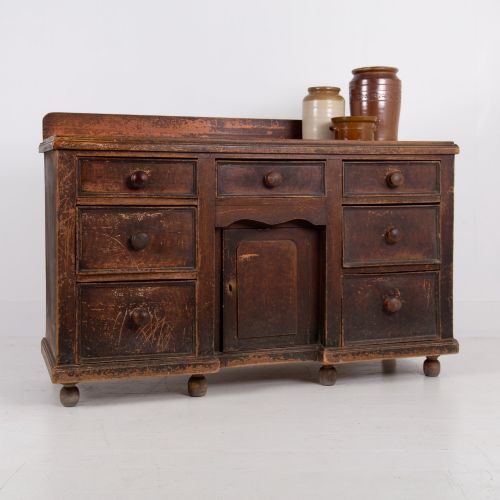
Regional variations introduce distinct forms, including Swedish serpentine commodes, Hungarian black-painted chests, and English country pieces. Buyers encounter both robust vernacular items and lighter continental styles reflecting Gustavian or regional country design.
How they were made
Carpenters constructed the carcases and drawer boxes primarily from solid pine, utilising dovetail joints for drawer construction and panel-and-frame techniques for backs and sides. Iron or brass hardware, including drop handles and key escutcheons, secures the functional elements.
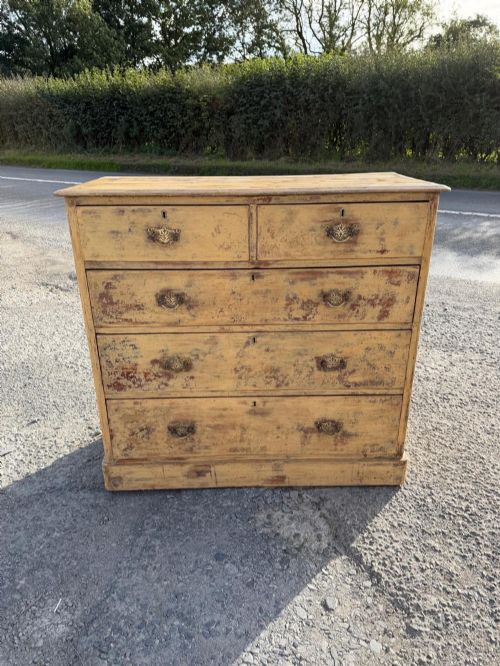
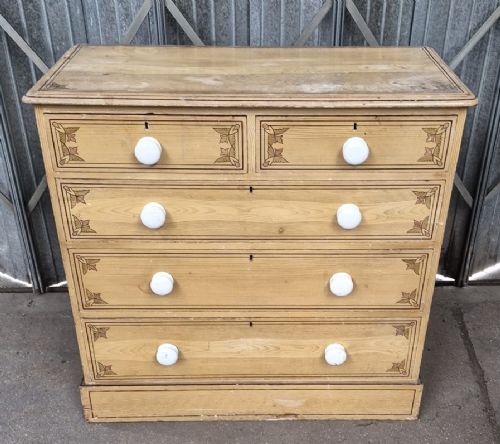
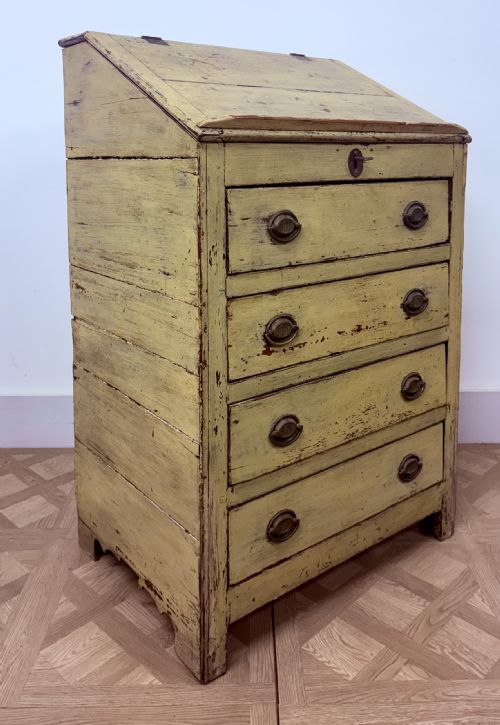
Surfaces received various treatments, ranging from early layers of lead or oil paint to scumbled finishes, original graining, and stencilled decoration. Over time, many pieces retained their initial coatings, while others underwent later repainting in modern or period-appropriate colours.
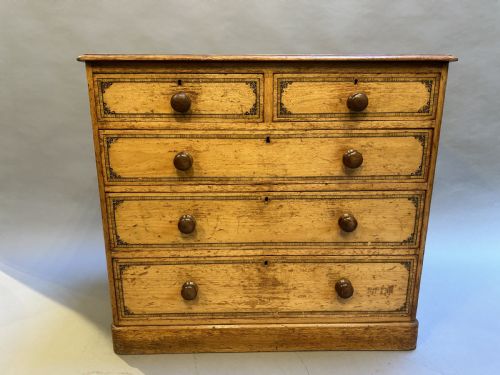
One unexpected survivor wears a handwritten date from eighteen-ninety right on its painted pine drawer front.
What varies in quality
The integrity of the painted surface dictates much of the character, distinguishing between untouched original finishes, scumbled patination, and later or modern overpainting. Pieces retaining genuine historical pigment layers exhibit a depth of wear that applied modern coats lack.
Construction standards differ between heavy provincial workshop builds and refined continental or domestic furniture, visible in the tightness of drawer dovetails and the stability of the timber carcase. The presence of original hardware, such as brass or iron pulls, contributes to the overall cohesion of the piece.
The Painted Pine Chest of Drawers Glossary
- Scumble
- A decorative painting technique involving a translucent top layer dragged or combed over a lighter base colour to simulate wood grain or texture. It appears frequently on Victorian and Art Nouveau pine furniture.
- Commode
- A low chest of drawers or cabinet, often originating from continental Europe, such as Swedish or French workshops. The term describes decorative drawer units distinct from taller English tallboys.
- Graining
- A manual paint process mimicking the cellular pattern of expensive hardwoods like oak or mahogany on cheaper pine surfaces. It was widely utilised during the Victorian era.
- Serpentine
- A curved furniture front characterised by a convex centre flanked by concave ends, found on continental commodes. This shape requires skilled timber shaping.
- Bank of drawers
- A large multi-drawer storage unit designed originally for office, kitchen, or institutional utility rather than domestic bedroom use. These pieces offer numerous shallow or deep compartments.
Painted Pine Chest of Drawers: Frequently Asked Questions
Are painted pine chests purely decorative?
These chests function as practical storage furniture with deep drawers designed to hold household items or clothing.
At the same time, their painted exteriors serve as visual focal points within a room, combining utility with decorative presence.
How do original paint surfaces survive?
Surfaces endure through careful maintenance and minimal exposure to stripping agents or harsh modern solvents over generations of domestic use.
Natural ageing creates a stable patina where layers of oil or lead paint adhere permanently to the underlying pine timber.
Where were these chests built?
Production occurred across English regional workshops, Scandinavian provinces, and Hungarian rural communities during the eighteenth and nineteenth centuries.
Local timber availability and regional design preferences determined whether a piece featured flat fronts, serpentine shapes, or stencilled decoration.